What You Need to Know About Blood Clots: Symptoms, Diagnosis, and Prevention
By Medical Expert Team
Aug 03 , 2026 | 5 min read

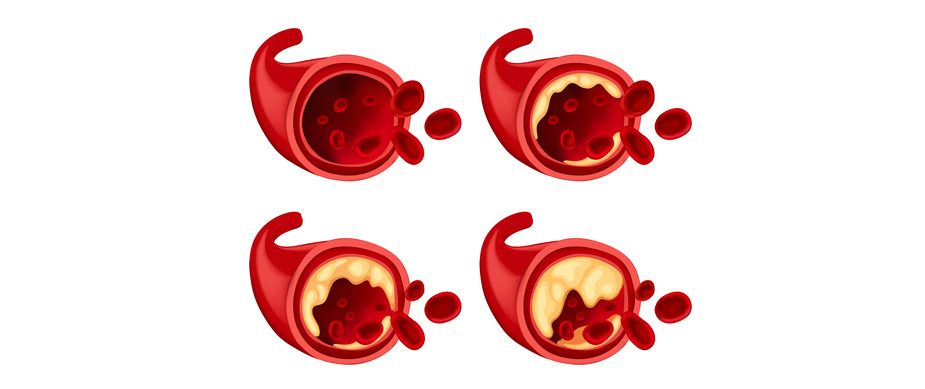
The blood clot is the emergency repair kit of the body, which naturally seals wounds to avoid excessive bleeding. Understanding blood clots, their symptoms, and how they are diagnosed and treated is very important for good circulatory health. Whether it’s a minor issue like swelling in the legs or a life-threatening condition like a Pulmonary Embolism (PE), recognising early signs can save lives.
Types of Blood Clots
There are two main types of blood clots: arterial and venous. Each one behaves differently, but both can cause trouble if left untreated.
1. Arterial clots
Arterial clots develop in the arteries, which are vessels responsible for carrying oxygen-led blood throughout your body from your heart. When the arterial clots stop blood flow in arteries, conditions like strokes or heart attacks may be provoked.
Explore the expert guide about Heart attack symptoms & causes and Heart attack symptoms in women.
2. Venous clots
On the other hand, venous clots are formed in veins that carry blood back to your heart. The most common example is Deep Vein Thrombosis (DVT), which usually occurs in the legs. If these clots travel to the lungs, they can cause a Pulmonary Embolism (PE), a serious and potentially fatal condition.
Know more about Blood Clot in Brain.
Causes of Blood Clots
Injury or Trauma
When you get hurt, your body forms a clot to stop the bleeding. It’s a helpful process. But sometimes, injuries like fractures or surgeries trigger excessive clotting, especially if you’re already at risk. Even minor accidents, like twisting your ankle, can lead to clots in vulnerable individuals.
Medical Conditions
When certain conditions exist, the likelihood of blood clotting increases. For instance, Deep Vein Thrombosis (DVT) is one such condition in which the clots are formed in the deep veins. Other factors creating the conducive environment for clotting include heart rhythm problems, like atrial fibrillation, which cause the formation of blood clots. Genetics is also a contributing factor - hereditary conditions like Factor V Leiden can also put people at an increased risk of blood clotting.
Read more about how to keep your heart healthy.
Lifestyle Factors
Your habits and routines matter. Smoking, for example, damages blood vessels, making clots more likely. Being overweight puts added strain on your veins, especially in your legs. Hormonal changes during pregnancy or while using birth control pills can also raise clotting risks.
Symptoms of Blood Clots
Signs of a Clot in the Legs (Deep Vein Thrombosis)
A blood clot in your leg might feel like a dull ache or cramp, but it’s not the kind you can walk off. Swelling, redness, and warmth in the area are common signs. If the pain worsens or feels unusual, don’t wait - this could be DVT, and it needs medical attention fast.
Symptoms of a Pulmonary Embolism (PE)
When a clot travels to the lungs, it’s serious. You might suddenly feel short of breath, experience sharp chest pain, or even feel light-headed. These symptoms shouldn’t be ignored; they’re red flags that require immediate care.
Warning Signs of a Stroke
Blood clots in the brain can lead to strokes. Symptoms like numbness on one side of the body, slurred speech, or confusion are common. Time is critical here - getting help quickly can make all the difference.
Diagnosing a Blood Clot
Doctors have several tools to diagnose blood clots. They might start with an ultrasound, especially if DVT is suspected. For clots in the lungs or brain, imaging tests like CT scans or MRIs provide detailed insights. Blood tests, like the D-dimer, can also point to clotting issues by detecting clot-related substances in the bloodstream.
Know more about the Complete Blood Count (CBC) test.
When Should You See a Doctor?
It is always recommended to see a doctor if anything unusual happens to you. Risk factors, like a family history of clots or recent surgery, mean the patient will regularly be followed, and problems caught early. With advanced diagnostic tools at Nanavati Max Super Speciality Hospital, we identify and treat clots with pinpoint accuracy for improved outcomes for our patients.
Treatment for Blood Clots
Anticoagulants (Blood Thinners)
The first line of treatment for most blood clots is anticoagulants, often called blood thinners. These medications don’t actually "thin" the blood but work by preventing clots from growing or new ones from forming. Common options include heparin and warfarin, as well as newer alternatives that are easier to manage.
Surgery and Procedures
In severe cases, surgery might be needed. Procedures like thrombectomy remove the clot directly, while filters can be placed in veins to catch clots before they reach critical areas like the lungs.
Lifestyle Changes for Prevention
Prevention is the best treatment most of the time. It includes simple activities like staying active, maintaining a healthy weight, and drinking lots of water. It is always recommended not to smoke, and if you're sitting for a long time whether in the workplace or travelling, practice getting up and stretching from time to time.
At Nanavati Max Super Speciality Hospital, we combine medical expertise with personalised care, offering everything from medication to surgical interventions and lifestyle counselling.
Preventing Blood Clots
Risk Factors and Prevention Strategies
Understanding personal risk factors is key to preventing blood clots. Conditions like Deep Vein Thrombosis (DVT), smoking, obesity, and prolonged inactivity increase the chances of clot formation.
Keeping a person active and on their feet, wearing compression stockings, or drinking lots of water can reduce the risk factors. Healthy nutrition abundant in fruits, vegetables, lentils, or lean proteins such as chicken and fish will support overall circulatory health. Avoid smoking and take frequent short walks after sitting or standing for long hours.
When Blood Clots Are More Likely to Occur
Clots are more common in certain conditions such as long flights, post-surgery, or pregnancy. Long periods of immobility slow down the blood circulation, increasing the risk of clots. Post-operative care is important by making light movements, wearing compression stockings, and, if required, anticoagulants. Pregnancy hormones and pressure on veins also increase risks, so staying moderately active and following medical advice is essential.
Disclaimer: The information provided in this blog is for educational purposes only and should not be used as a substitute for professional medical advice, diagnosis, or treatment. Always seek the advice of a qualified healthcare provider regarding any medical condition or financial decisions related to treatment.
Frequently Asked Questions
1. What is a blood clot, and why does it form?
A blood clot is your body’s way of stopping bleeding after an injury. However, clots that form unnecessarily or don’t dissolve can block blood flow, causing problems.
2. Which doctor treats blood clots?
Vascular specialists, haematologists, or cardiologists are commonly involved in treating blood clots.
3. How do doctors test for blood clots?
Doctors test for blood clots through several methods. Tests such as ultrasounds, CT scans, and blood tests (such as D-dimer) will help diagnose clots.
4. What is the treatment for blood clots?
The treatment is usually achieved through anticoagulants, lifestyle changes, and even surgery to eliminate the clot itself.
5. How can I prevent blood clots from forming?
These strategies include regular exercise, hydration, avoidance of smoking, and appropriate clothing for the journey.
References
1. American Heart Association. (2023). What is a Blood Clothttps://www.heart.org/en/health-topics/venous-thromboembolism/what-is-a-blood-clot
2. National Heart, Lung, and Blood Institute. (2022). Diagnosis of Blood Clots.
https://www.nhlbi.nih.gov/health/blood-clots/diagnosis

Related Blogs

Medical Expert Team
Oct 06 , 2026 | 8 min read

Medical Expert Team
Oct 06 , 2026 | 9 min read

Most read Blogs



Related Blogs
Medical Expert Team
Oct 06 , 2026 | 8 min read
Medical Expert Team
Oct 06 , 2026 | 9 min read
Most read Blogs