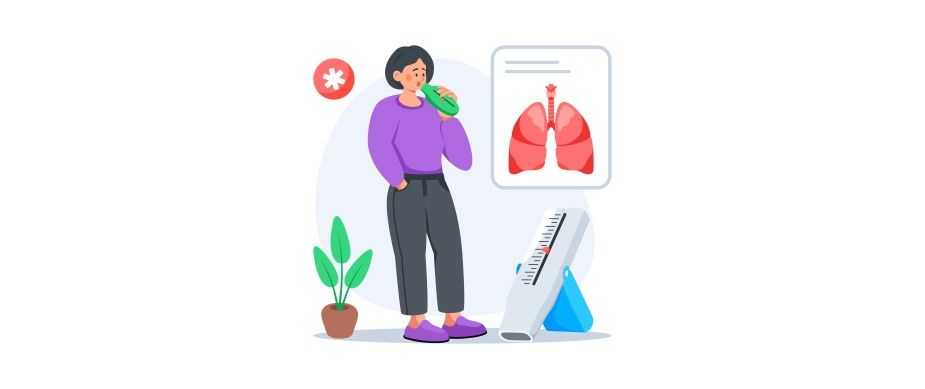
Preparing for a Breath Test: Dos and Don’ts for Accurate Results
By Medical Expert Team
Oct 23 , 2026 | 6 min read

Breath tests are increasingly being used as a safe, reliable, and non-invasive way to diagnose a variety of health concerns. Unlike blood tests or scopes, they are simple and painless, making them more comfortable for patients. However, the accuracy of these tests relies heavily on how well you prepare beforehand. This guide highlights the key dos and don’ts to ensure you get the most reliable results from your breath test.
What is a Breath Test?
A breath test is a simple, non-invasive way for doctors to understand what is happening in your lungs or digestive system by analysing the air you breathe. Depending on the type of test, it can detect infections such as H. pylori, food intolerances, or even how your body processes sugars. Because it only requires your breath, it is far more comfortable than blood tests or endoscopic procedures.
Why Breath Tests Are Important for Diagnosing Conditions
Symptoms like bloating, indigestion, or abdominal pain are common and not always linked to a serious problem. Breath tests can help identify conditions such as lactose intolerance, small intestinal bacterial overgrowth (SIBO), or infections like H. pylori. For people who have been struggling with digestive issues for years, breath tests can provide quick answers. They are widely available, affordable, and easy to carry out.
Different Types of Breath Tests
Hydrogen (and Methane) Breath Test
This test is commonly used to check how your body digests certain sugars, such as lactose or fructose. After you drink a sugar solution, the test measures hydrogen and sometimes methane in your breath. High levels usually indicate that your body is not breaking down the sugar properly, or that bacteria in the small intestine are fermenting it too early. This test is often used to diagnose lactose intolerance, fructose malabsorption, or small intestinal bacterial overgrowth (SIBO). It is also used to diagnose rapid small bowel transit time - a condition in which food moves too quickly through the small intestine, causing bloating, distension, flatulence, and diarrhoea.
Urea Breath Test
If your doctor suspects a Helicobacter pylori infection, this is the test they will most likely recommend. You drink a special urea solution that contains a labelled form of carbon. If H. pylori is present in your stomach, it breaks down the urea and produces carbon dioxide, which is then detected in your breath. This test is highly accurate and can also confirm whether treatment for H. pylori has been effective.
Alcohol Breath Test
Most people are familiar with this concept from road safety checks, but in medical settings, it may be used to assess alcohol metabolism or provide information about liver function.
Other Specialised Breath Tests
Some breath tests measure both methane and hydrogen, which can improve accuracy in diagnosing digestive issues. There are also isotope-based breath tests that assess how certain organs, such as the liver or stomach, are functioning. These are less common than the hydrogen or urea breath tests but may be recommended in specific clinical situations.
Read More about Breathing Difficulty: Symptoms, Causes, and Treatment
Dos Before a Breath Test
Follow the Fasting Instructions
Most breath tests require fasting for 8 to 12 hours before the test. Eating before the test can interfere with the gases in your breath, so it is important to avoid even light snacks or tea and coffee. Only plain water is usually allowed.
Stay Hydrated (But Know the Limits)
Water is permitted up to a few hours before the test, but avoid drinking too much immediately beforehand, as it may dilute the sample or cause discomfort.
Inform Your Healthcare Provider About Medications
Certain medicines, such as antibiotics and acid-reducing drugs, can alter results. Always inform your doctor about any medication you are taking. You may be asked to stop or adjust them before the test.
Prepare for Possible Dietary Restrictions
The day before your test, you may need to avoid foods high in fibre, dairy products, or sugary meals. Stick to simple foods such as plain rice or boiled potatoes to minimise the risk of false readings.
Know More about Dyspnea (Shortness of Breath)
Don’ts Before a Breath Test
Avoid Eating Certain Foods
Garlic, onions, and high-fibre vegetables like broccoli can interfere with results. Some fruits, such as bananas and apples, should also be avoided depending on the type of test.
Refrain from Drinking Alcohol or Caffeine
Coffee, tea, soft drinks, and alcohol should not be consumed for at least 12–24 hours before your test. These can affect digestion and produce gases that alter the results.
Do Not Smoke or Chew Gum
Tobacco and chewing gum, including sugar-free varieties, can change the chemical balance in your mouth and stomach, affecting accuracy. Even mouthwash and lozenges should be avoided.
Avoid Physical Activity Before the Test
Exercise can alter your breathing pattern and the gases your body releases. It is best to rest and remain relaxed before taking the test.
Read More about Asthma Triggers: Common Causes and How to Avoid Them
What to Expect During a Breath Test
Step-by-Step Process
The test usually begins with a baseline sample, where you blow into a collection device. You will then consume a solution or tablet, depending on the type of test. After this, breath samples are taken at intervals over the next 2–3 hours.
The sugar or substrate solution you drink at the start of the test may cause bloating, abdominal cramping, or an urgent need to use the toilet in some patients — particularly those being tested for lactose or fructose intolerance.
Once the test has started and until the final sample is collected, you must NOT: eat or chew anything (including gum, mints, or sweets); drink anything other than water if required to swallow a tablet.
How the Breath Sample is Collected
Samples are collected through disposable mouthpieces attached to a small analyzer or bag. You simply blow steadily, similar to inflating a balloon.
Duration of the Test
Most breath tests take 1.5 to 3 hours. Since there will be periods of waiting between samples, you may want to carry a book or another source of entertainment.
After the Breath Test: Next Steps
What Happens After the Test
Once the samples are analysed, results are usually available within a few days. In some cases, such as H. pylori testing, results may be available immediately, allowing treatment to be initiated promptly.
Understanding Your Results
Results indicate whether gases such as hydrogen, methane, or carbon dioxide are present in elevated levels. Your doctor will explain these findings and confirm or rule out possible conditions.
Potential Follow-Up Tests or Treatments
If results are inconclusive, you may need further tests such as endoscopy or imaging. Treatment may include antibiotics, probiotics, or dietary adjustments. At Nanavati Max Super Speciality Hospital, our team ensures patients fully understand the next steps in their care.
Common Mistakes to Avoid
Not Following Pre-Test Instructions
Even minor mistakes, such as chewing gum, can affect results. Always review the checklist provided by your healthcare provider.
Misunderstanding Dietary Restrictions
Pre-test dietary guidelines can be confusing, but failing to follow them correctly may delay your diagnosis. When uncertain, opt for simple, plain meals and consult your healthcare team.
Conclusion
Why Preparation Matters
Careful preparation is crucial for obtaining accurate results from a breath test. Each instruction, whether avoiding specific foods or fasting, plays a role in obtaining reliable outcomes. Skipping steps may lead to inconclusive results and delays in treatment.
The Benefits of Breath Tests
Breath tests are a patient-friendly, non-invasive, and effective diagnostic tool. Whether for digestive issues or infection screening, they offer a simple first step towards better health.
Frequently Asked Questions
1. Can I brush my teeth before a breath test?
Yes, brushing your teeth is allowed, but avoid using mouthwash.
2. How long before the test should I stop eating?
Most tests require fasting for 8–12 hours.
3. Is drinking plain water allowed before the test?
Yes, small amounts are allowed, but avoid excessive water intake just before the test.
4. Will smoking before the test affect the results?
Yes, smoking can alter gases in your breath and must be avoided.
5. Can exercise impact the accuracy of a breath test?
Yes, intense activity can affect gas levels, so it is recommended to rest.
6. What should I do if I forget to avoid certain foods?
Inform your healthcare provider. The test may need to be rescheduled.
7. Do medications interfere with results?
Yes, some medicines, such as antibiotics and acid reducers, can affect accuracy. Always inform your doctor.
8. Is the breath sample collection process uncomfortable?
No, it is painless and only involves blowing steadily into a device.
9. How soon will I get the results?
Results are typically available within a few days, depending on the type of test and the laboratory's processing time.
10. Can I return to work immediately after the test?
Yes, you can resume your normal routine unless advised otherwise by your doctor.

Related Blogs
Dr. Hemalata Arora In Internal Medicine
Oct 23 , 2026 | 6 min read

Dr. Hemalata Arora In Internal Medicine
Oct 22 , 2026 | 8 min read
Most read Blogs



Related Blogs
Dr. Hemalata Arora In Internal Medicine
Oct 23 , 2026 | 6 min read
Dr. Hemalata Arora In Internal Medicine
Oct 22 , 2026 | 8 min read
Most read Blogs