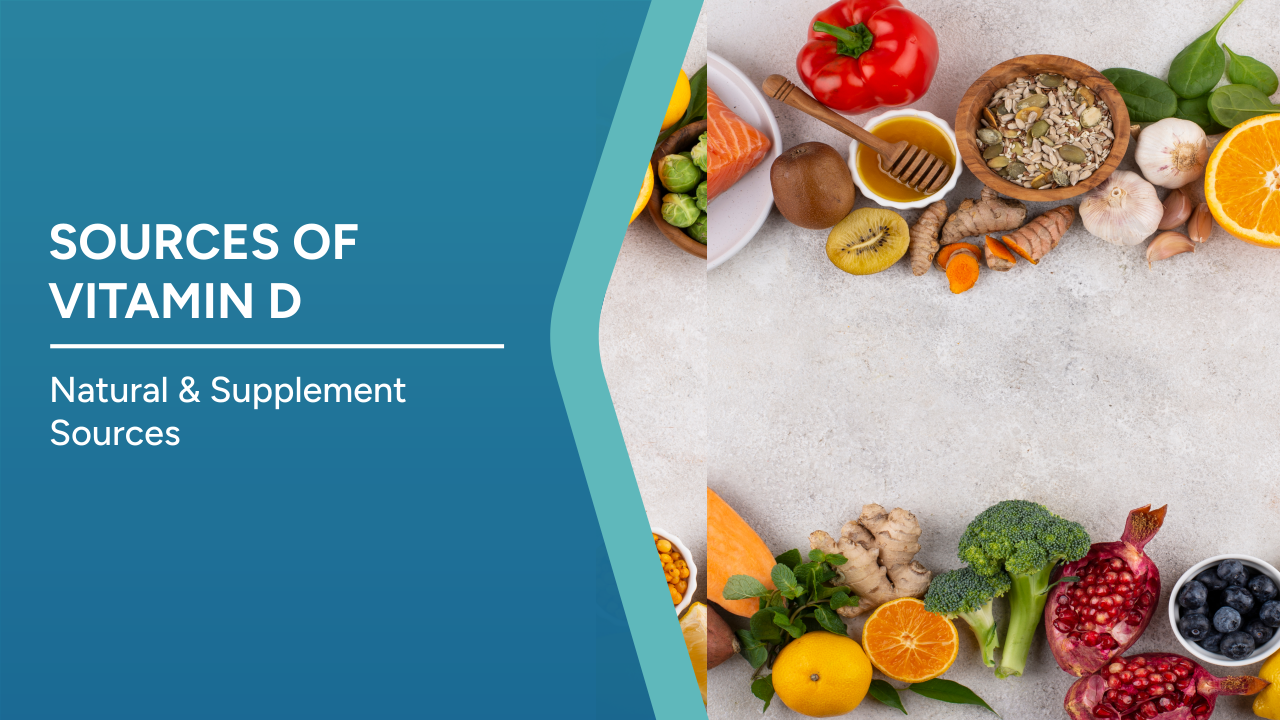
Sources of Vitamin D: Natural Ways to Boost Your Levels
By Dr. Girish Parmar in Internal Medicine
Aug 12 , 2026 | 6 min read

Vitamin D is often called a vitamin, but it also functions like a prohormone, a substance that the body converts into an active hormone, playing a central role in bone health, muscle function, immune function, and overall well-being. Despite its importance, vitamin D deficiency is common worldwide, making it essential to understand reliable sources of vitamin D.
There are two primary forms of this nutrient: vitamin D2, or ergocalciferol, typically found in plant-based and fungal sources, and vitamin D3, or cholecalciferol, which is produced in the skin and found in animal-based foods. Knowing how to access both can help maintain healthy levels throughout the year.
Sun Exposure: The Most Natural Source of Vitamin D
Sunlight is the body's most direct source of vitamin D. However, the amount produced can vary depending on environmental conditions and individual factors. Understanding this process can help you make better use of sun exposure.
The Synthesis Process
When the skin is exposed to UVB rays from sunlight, it starts a process that converts a cholesterol-related compound in the skin into vitamin D3. This is why sunlight is considered the most natural source of vitamin D.
Timing and Duration
You may have heard of the “15-minute rule,” which suggests short periods of sun exposure a few times a week. This may be enough for some people, but it is not a fixed rule and may differ from person to person.
Factors Affecting Synthesis
Several factors can influence how much vitamin D your body produces:
- Skin tone: Higher melanin levels can slow down vitamin D production.
- Location: Areas farther from the equator may get less UVB exposure, especially in winter.
- Time and season: Midday sunlight is generally more effective for vitamin D production, but prolonged exposure also increases the risk of skin damage.
- Sunscreen use: Sunscreen protects the skin from harmful UV rays and may reduce vitamin D production when used correctly.
Safe Sun Practices
It is important to strike a balance. Short and regular exposure may be helpful for some people, but protecting your skin from sunburn and long-term UV damage should always be a priority. People with sensitive skin, a history of skin cancer, or medical conditions affected by sunlight should follow their doctor’s advice.
Nutritional Sources of Vitamin D: What to Eat
Diet becomes especially important when sun exposure is limited. Including the right foods in your meals can help support your regular vitamin D intake.
Animal-Based Sources: Vitamin D3
Some foods naturally contain vitamin D3:
- Fatty fish such as salmon, mackerel, sardines, and tuna
- Cod liver oil, which is one of the most concentrated sources and should be used only in appropriate amounts
- Beef liver and egg yolks, which provide smaller amounts
Plant-Based Sources: Vitamin D2
Options are more limited for plant-based diets, but they do exist:
- UV-treated mushrooms are one of the few natural vegan sources of vitamin D
Fortified Foods
Many commonly consumed foods may be fortified to improve intake:
- Milk and some plant-based alternatives
- Fortified orange juice, where available
- Breakfast cereals
- Other fortified dairy or grain products
These can help fill gaps when natural sources are not enough.
Read More about the vitamin D-rich foods
When to Turn to Supplemental Sources of Vitamin D
In some cases, sunlight and diet may not be enough to maintain healthy levels. Supplements can then be considered as an additional source, especially for those with limited exposure or higher needs.
Oral Supplements
Vitamin D supplements are available in different forms, including drops, capsules, tablets, and gummies. They may contain either vitamin D2 or vitamin D3.
Why D3 Is Generally Preferred
Vitamin D3 is often more effective at raising and maintaining vitamin D levels in the body compared to vitamin D2. However, the choice of supplement should depend on medical advice, dietary preferences, and individual needs.
Identifying the Need
Some groups may need to pay closer attention to their intake:
- Older adults
- People following vegan diets
- Those who get limited sunlight
- People with darker skin tones
- Individuals with conditions affecting fat absorption
- People taking certain long-term medications that affect vitamin D levels
In such situations, supplements can help maintain more consistent vitamin D levels when natural sources are insufficient.
Recommended Read: Vitamin D Deficiency: Symptoms, Causes, and Health Risks
Disclaimer: Vitamin D supplements should not be taken in high doses without medical consultation. A healthcare professional can help determine the appropriate dosage based on individual needs and prevent the risk of over-supplementation.
At Nanavati Max Super Speciality Hospital, individuals can receive personalised guidance based on their lifestyle, dietary patterns, medical history, and sun exposure, ensuring that vitamin D intake is approached safely and with informed advice.
Maximising the Bioavailability of All Sources of Vitamin D
Getting vitamin D from different sources is one part of the process. The body also needs to absorb and use it properly. Certain factors can influence how well this happens.
The Role of Dietary Fat
Vitamin D is fat-soluble, which means it is better absorbed when taken with foods that contain fat. For example, nuts, seeds, dairy products, eggs, avocado, and healthy oils like olive oil can help improve its absorption.
Essential Co-Factors
Other nutrients also support how vitamin D works in the body:
- Magnesium helps in vitamin D metabolism
- Vitamin K supports normal bone health and calcium balance
People taking blood-thinning medications should consult their doctor before using vitamin K supplements.
Read More about Vitamin K Deficiency: Symptoms, Causes, and Prevention
Gut Health
Conditions that affect digestion or absorption, such as coeliac disease, Crohn's disease, liver disease, pancreatic disorders, or certain bariatric surgeries, can reduce vitamin D absorption.
How to Know if Your Sources of Vitamin D Are Working
It is not always easy to tell if your vitamin D levels are where they should be. Checking your levels can give you a clearer idea of whether your current approach is effective.
The 25-Hydroxy Vitamin D Test
This blood test is commonly used to measure vitamin D levels in the body.
Defining Deficiency vs Sufficiency
The results help identify whether your levels are low, adequate, or high. Interpretation may vary depending on the laboratory reference range, symptoms, age, medical conditions, and overall health.
Regular monitoring can play an important role in maintaining appropriate levels. At Nanavati Max Super Speciality Hospital, specialists use advanced diagnostics to assess patients accurately and clearly explain their results in the context of overall health.
Sunlight vs Food vs Supplements: Which Is Best?
Each source of vitamin D has its own strengths. Looking at them together can help you decide how to balance them in your daily routine.
|
Source |
Reliability |
Accessibility |
Notes |
|
Sunlight |
Variable |
High |
Depends on location, season, skin type, pollution, clothing, and sun protection habits |
|
Food |
Moderate |
Moderate |
Requires consistent food choices and may not always provide enough vitamin D alone |
|
Supplements |
High when taken correctly |
High |
Useful when other sources are limited or deficiency is confirmed |
In many cases, relying on a single source may not be enough, which is why a balanced approach that combines sunlight, diet, and supplements when medically advised is often more practical and sustainable.
Conclusion
Maintaining healthy vitamin D levels usually comes down to three sources: sunlight, food, and supplements. Each has a role to play, and using a balanced mix can help keep levels steady. Paying attention to your daily habits, diet, sun exposure, and health conditions can make a difference over time.
If you are unsure about your levels, getting them checked can help you understand whether any changes are needed.
Frequently Asked Questions
1. Can I get enough vitamin D from a window?
Sunlight coming through a window may feel similar, but it does not help the body produce vitamin D effectively because glass blocks most UVB rays needed for its synthesis.
2. Are there vegan sources besides mushrooms?
Options are limited. Along with UV-treated mushrooms, fortified foods such as plant-based milk, cereals, and other fortified products can help contribute to daily intake.
3. Does cooking destroy vitamin D?
Vitamin D remains fairly stable during most cooking methods, though prolonged exposure to high heat may cause some reduction.
4. How much sunlight is needed for vitamin D?
This varies based on skin type, location, season, time of day, clothing, pollution, and sun protection habits. Short periods of direct sun exposure a few times a week may be sufficient for some people, but there is no single rule that applies to everyone.
5. Can too much vitamin D be harmful?
Yes. Excessive intake, usually from high-dose supplements, can lead to toxicity and cause health issues such as high calcium levels, nausea, weakness, frequent urination, kidney stones, and kidney problems.
6. When should I consider testing my vitamin D levels?
Testing may be useful if you have limited sun exposure, dietary restrictions, symptoms such as fatigue, muscle weakness, or bone discomfort, conditions affecting absorption, or risk factors for deficiency. Testing should be done under medical guidance.

Written and Verified by:

Related Blogs

Medical Expert Team
Oct 06 , 2026 | 8 min read

Medical Expert Team
Oct 06 , 2026 | 9 min read

Blogs by Doctor
Insulin Resistance: Early Signs, Risks, and Testing Guidelines
Dr. Girish Parmar In Endocrinology
Sep 10 , 2026 | 8 min read
Top 10 Vitamin D Foods You Can Include in Your Daily Diet
Dr. Girish Parmar In Internal Medicine
Aug 19 , 2026 | 9 min read

Hypothyroidism (Underactive Thyroid): Symptoms, Causes, Types and Diet to Follow
Dr. Girish Parmar In Endocrinology
Aug 05 , 2026 | 7 min read
Most read Blogs



Related Blogs
Medical Expert Team
Oct 06 , 2026 | 8 min read
Medical Expert Team
Oct 06 , 2026 | 9 min read
Blogs by Doctor
Insulin Resistance: Early Signs, Risks, and Testing Guidelines
Dr. Girish Parmar In Endocrinology
Sep 10 , 2026 | 8 min read
Top 10 Vitamin D Foods You Can Include in Your Daily Diet
Dr. Girish Parmar In Internal Medicine
Aug 19 , 2026 | 9 min read
Hypothyroidism (Underactive Thyroid): Symptoms, Causes, Types and Diet to Follow
Dr. Girish Parmar In Endocrinology
Aug 05 , 2026 | 7 min read
Most read Blogs