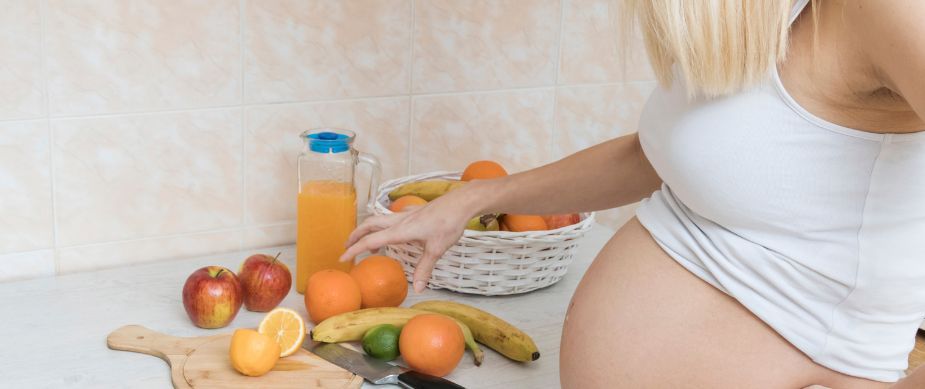
1 to 3 Month Pregnancy Diet Chart
By Medical Expert Team
Oct 06 , 2026 | 19 min read
1

The journey of becoming a mother brings unique joy and anticipation, but it requires careful attention to health, as the baby's development depends fundamentally on maternal nutrition. The first trimester (weeks 1-12) is a critical phase when the foundation for the baby's neural tube, organs, and overall growth is established. This period sets the stage for healthy fetal development and prepares your body for the demands of pregnancy.
This comprehensive guide provides a detailed 1- to 3-month pregnancy diet chart, directing you toward essential nutrients during these crucial initial months. Starting with a balanced diet supports this exciting phase of development and transformation. A well-planned first trimester meal plan reduces the risk of birth defects, supports healthy weight gain (0.5-2 pounds per week ), and establishes a solid foundation for a healthy pregnancy.
Importance of a Balanced Diet in Early Pregnancy
The first trimester is the most critical window for fetal development. During this period, the embryo undergoes rapid cell division and organ formation, particularly affecting the neural tube (which becomes the baby's brain and spinal cord). Proper nutrition during these weeks is fundamental to supporting these developmental processes.
Many women believe pregnancy requires eating for two immediately; however, during the first trimester, no additional calories are typically needed beyond baseline requirements (approximately 1,800-2,000 calories per day for normal-weight women). Instead, the focus should be on nutrient quality and diversity rather than quantity. Consuming nutrient-dense foods—rich in vitamins, minerals, and protein—is far more important than increasing portion sizes.
Why Balanced Nutrition Matters in Early Pregnancy
- Supports Neural Development: Folic acid (600 mcg/day) is essential for preventing neural tube defects such as spina bifida, with a 50-70% reduction in risk when adequate intake begins preconception and continues through the first trimester.
- Promotes Fetal Growth: Iron (27 mg/day) supports the expansion of maternal blood volume by approximately 50% to carry oxygen to the developing fetus, while calcium (1,000 mg/day) builds fetal skeletal structures and preserves maternal bone density
- Supports Organ Development: Protein, vitamin D, and B vitamins are essential for organ formation, immune function, and metabolic processes in both mother and baby.
- Enhances Emotional Well-being: Proper nutrition stabilizes mood and reduces the risk of mood swings, anxiety, and depression—common concerns during pregnancy. Omega-3 fatty acids (found in fish, flaxseeds, and walnuts) support maternal mental health and have been associated with improved fetal brain development.
- Establishes Healthy Eating Patterns: Adopting a balanced diet during the first trimester creates sustainable eating habits that benefit your health throughout pregnancy and postpartum.
Nutritional Needs in the First Trimester
Key Nutrients and Daily Requirements
|
Nutrient |
Daily Requirement |
Food Sources |
Why It Matters |
|
Folic Acid |
600 mcg/day |
Leafy greens (spinach, kale), fortified cereals, legumes, asparagus, broccoli |
Prevents neural tube defects; supports DNA synthesis and cell division |
|
Iron |
27 mg/day |
Lean red meat, poultry, fish, beans, lentils, fortified cereals, spinach |
Supports increased blood volume; prevents anemia and fatigue |
|
Calcium |
1,000 mg/day |
Dairy products, fortified plant-based milk, leafy greens, tofu, sardines, almonds |
Builds fetal bones and teeth; maintains maternal bone health |
|
Vitamin D |
600 IU/day |
Fatty fish (salmon, mackerel), egg yolks, fortified milk, sunlight exposure |
Enhances calcium absorption; supports immune function and bone health |
|
Protein |
60-70 g/day |
Lean meats, fish, eggs, dairy, legumes, nuts, seeds |
Supports tissue growth, enzyme production, and immune function |
|
Vitamin B12 |
2.6 mcg/day |
Animal products (meat, fish, eggs, dairy); fortified plant-based alternatives |
Essential for DNA synthesis and red blood cell formation |
|
Omega-3 Fatty Acids (DHA) |
200-300 mg/day |
Fatty fish (salmon, sardines), walnuts, flaxseeds, chia seeds, algae supplements |
Supports fetal brain and eye development |
Prenatal Supplementation
A daily prenatal vitamin is strongly recommended, as it fills nutritional gaps that diet alone may not provide. Prenatal vitamins typically contain:
- Folic acid (400-800 mcg)
- Iron (27 mg)
- Calcium (if included)
- Vitamin D (600 IU)
- Vitamin B12
- Vitamin C (enhances iron absorption)
Consult your healthcare provider to select a prenatal vitamin that meets your specific needs and addresses any dietary deficiencies.
Understanding Caloric Needs in the First Trimester
Calorie Intake Guidelines
Contrary to the common phrase "eating for two," the first trimester typically requires no additional calories beyond your baseline needs.
|
Trimester |
Additional Calories |
Total Daily Intake (Normal Weight) |
Key Focus |
|
First Trimester (Weeks 1-12) |
0 calories |
~1,800-2,000 kcal/day |
Nutrient quality over quantity |
|
Second Trimester (Weeks 13-26) |
+340 kcal/day |
~2,200-2,300 kcal/day |
Approximately one glass of milk + one sandwich |
|
Third Trimester (Weeks 27-40) |
+450 kcal/day |
~2,400-2,500 kcal/day |
Continued nutrient-dense foods |
Note: Caloric needs vary based on pre-pregnancy weight, height, activity level, and multiple gestations. Consult your dietitian for personalized recommendations.
Weight Gain Goals in First Trimester
Healthy weight gain during the first trimester is typically 0.5 to 2 pounds per week, with a total gain of 3-5 pounds over the entire first trimester. Focus on nutrient density rather than total calories consumed.
First Trimester Meal Plan: Weekly Indian Diet Chart
Creating a structured meal plan makes it easier to ensure consistent nutrient intake. Below is a detailed weekly meal plan with vegetarian and non-vegetarian options suited to Indian dietary preferences:
Note: All meal suggestions provide approximately 1,800-2,000 calories/day with balanced macronutrients. Consult a prenatal nutritionist for allergies, food aversions, or dietary modifications.
Week 1: Foundation Building
|
Meal |
Suggestions |
|
Breakfast |
Oatmeal (½ cup cooked) topped with banana slices, 2 tbsp chia seeds (omega-3 source), and 1 tbsp honey. Serve with 1 cup low-fat milk |
|
Mid-Morning Snack |
1 medium apple with 1 tbsp almond butter |
|
Lunch |
Grilled paneer or tandoori chicken (100g), mixed green salad with spinach, cucumber, tomatoes, and carrots. Drizzle with 1 tbsp lemon vinaigrette. Serve with 1 whole wheat roti |
|
Evening Snack |
1 cup unsweetened yogurt with granola (2 tbsp) and berries |
|
Dinner |
1 cup dal (lentil curry) cooked with turmeric and cumin. Serve with 2 whole wheat rotis and a side of steamed broccoli |
Week 2: Nutrient Diversity
|
Meal |
Suggestions |
|
Breakfast |
Fresh seasonal fruits: 1 mango or 1 cup pomegranate arils mixed with 10 almonds and 5 dry dates. Serve with 1 cup calcium-fortified plant-based or cow's milk |
|
Mid-Morning Snack |
Cucumber slices (½ cup) with hummus (¼ cup) |
|
Lunch |
Vegetable kathi roll (whole wheat wrap) filled with 75g grilled paneer or chicken, shredded carrots, cucumber, onions, and green chutney |
|
Evening Snack |
1 cup fresh coconut water or herbal tea with 2-3 whole grain crackers |
|
Dinner |
Grilled rohu fish (75g) or tofu (100g), ½ cup cooked quinoa, and 1 cup steamed green beans with 1 tsp olive oil and garlic |
Week 3: Iron & Protein Focus
|
Meal |
Suggestions |
|
Breakfast |
Scrambled eggs (2 eggs) cooked with spinach, tomatoes, and onions. Serve with 1 slice whole grain toast and ½ avocado. Alternative: Besan (chickpea flour) cheela (2 pieces) with vegetables and 1 tbsp green chutney |
|
Mid-Morning Snack |
1 medium orange or kiwi (Vitamin C aids iron absorption) with 10 peanuts |
|
Lunch |
Quinoa (½ cup cooked) and sprouted moong salad with lime juice, fresh coriander, and cherry tomatoes |
|
Evening Snack |
1 cup warm milk with a pinch of turmeric and 1 tsp honey |
|
Dinner |
Stir-fried lean chicken or soya chunks (75g) with bell peppers, broccoli, and carrots (1.5 cups total). Serve over ½ cup brown rice with 1 tsp sesame oil |
Week 4: Calcium & Antioxidant Rich
|
Meal |
Suggestions |
|
Breakfast |
Smoothie: 1 cup almond milk blended with 1 frozen banana, ½ cup berries, 1 tbsp nut butter, and 1 scoop plant-based protein powder |
|
Mid-Morning Snack |
Roasted chickpeas (¼ cup) with 1 tsp chaat masala and 1 small guava |
|
Lunch |
Baked sweet potato (150g) topped with 75g spiced paneer and fresh coriander. Serve with a side salad of mixed greens and tomatoes |
|
Evening Snack |
1 cup calcium-fortified soy milk or cow's milk with 2-3 whole grain biscuits |
|
Dinner |
Baked rohu fish or paneer (75g) with sides of masala corn (½ cup) and steamed peas (½ cup). Serve with 1 chapati |
Comprehensive 7-Day First Trimester Pregnancy Diet Chart (Day-by-Day)
Below is a complete daily breakdown incorporating Indian cuisine preferences, ensuring all essential nutrients are met:
|
Day |
Breakfast |
Lunch |
Dinner |
|
Monday |
Oatmeal with banana, chia seeds, and milk |
Grilled paneer/chicken salad with greens and whole wheat roti |
Dal with whole wheat rotis and steamed vegetables |
|
Tuesday |
Seasonal fruits (mango, pomegranate) + dry fruits and milk |
Vegetable kathi roll with paneer/chicken and fresh salad |
Grilled fish/tofu with quinoa and steamed beans |
|
Wednesday |
Scrambled eggs with spinach, tomatoes, and whole grain toast |
Quinoa and sprouted moong salad with lime |
Stir-fried chicken/soya chunks with vegetables over brown rice |
|
Thursday |
Besan (chickpea flour) cheela (2 pieces) with green chutney |
Baked sweet potato with spiced cottage cheese and salad |
Baked rohu fish/paneer with masala corn and steamed peas |
|
Friday |
Smoothie with almond milk, banana, berries, and protein powder |
Mixed vegetable soup (1.5 cups) with whole grain bread (2 slices) |
Lentil and vegetable khichdi (½ cup) with plain yogurt (½ cup) |
|
Saturday |
Poha (flattened rice) made with vegetables and fortified milk |
Grilled chicken/paneer tikka (75g) with steamed rice (½ cup) and cucumber raita |
Whole wheat pasta with tomato-based vegetable sauce and grated parmesan |
|
Sunday |
Idli (2 pieces) with sambar and coconut chutney. Serve with milk (1 cup) |
Vegetable pulao (½ cup) with dal and mixed vegetable curry |
Tandoori fish or paneer (75g) with chapati and mixed vegetable salad |
Hydration Schedule (Daily): Drink water throughout the day, aiming for 8-10 glasses (2-2.5 liters per day). Supplement with herbal teas (chamomile, ginger for morning sickness) and fresh fruit juices fortified with vitamin C.
Vegetarian and Vegan Meal Plans for the First Trimester
Many pregnancies involve vegetarian or vegan dietary choices. Below are specific adaptations ensuring all essential nutrients, particularly protein, iron, calcium, and vitamin B12, are met:
Vegetarian First Trimester Plan (Includes Dairy & Eggs)
|
Nutrient |
Vegetarian Sources |
Daily Target |
|
Protein (60-70 g/day) |
Paneer, yogurt, eggs, legumes (dal, chickpeas), tofu, nuts, seeds |
Aim for 2-3 servings protein/day |
|
Iron (27 mg/day) |
Fortified cereals, spinach, lentils, chickpeas, pumpkin seeds, dried fruits |
Include Vitamin C source (citrus, bell peppers) to enhance absorption |
|
Calcium (1,000 mg/day) |
Milk, yogurt, paneer, fortified plant-based milk, leafy greens (but note oxalates), almonds |
Aim for 3-4 dairy/fortified servings/day |
|
Vitamin B12 (2.6 mcg/day) |
Dairy products, eggs, fortified plant-based milk, fortified cereals |
Include one fortified source daily |
|
Omega-3 (200-300 mg DHA/day) |
Walnuts, flaxseeds, chia seeds, fortified milk, algae supplements |
Include daily or take algae supplement |
Sample Vegetarian Day:
- Breakfast: Poha with milk and 1 tbsp peanuts
- Lunch: Paneer tikka (75g) with steamed rice, spinach curry, and pickle
- Dinner: Chickpea and spinach curry (½ cup), 2 chapatis, side salad with lemon dressing
Vegan First Trimester Plan (Excludes Dairy & Eggs)
|
Nutrient |
Vegan Sources |
Daily Target |
|
Protein (60-70 g/day) |
Tofu, tempeh, legumes, nuts, seeds, whole grains (quinoa, amaranth) |
Vary protein sources; include complete proteins like quinoa + beans |
|
Iron (27 mg/day) |
Fortified cereals, lentils, chickpeas, pumpkin seeds, dried apricots, quinoa |
Always pair with Vitamin C source (orange juice, tomatoes, bell peppers) |
|
Calcium (1,000 mg/day) |
Fortified plant-based milks (soy, almond, oat), tofu (if set with calcium), leafy greens, almonds, tahini |
Aim for 4-5 servings fortified foods/day; monitor intake closely |
|
Vitamin B12 (2.6 mcg/day) |
Fortified plant-based milk, fortified cereals, nutritional yeast, B12 supplement (ESSENTIAL) |
B12 supplement recommended for all vegans (1,000 mcg once weekly or 25 mcg daily) |
|
Omega-3 (200-300 mg DHA/day) |
Ground flaxseeds (1.5 tbsp), chia seeds (1 tbsp), walnuts (7-8 halves), or algae supplement |
Algae supplement recommended to ensure adequate DHA |
Sample Vegan Day:
- Breakfast: Oatmeal with fortified soy milk, banana, chia seeds
- Lunch: Tofu stir-fry (100g) with broccoli, bell peppers, brown rice, and tamari sauce
- Dinner: Lentil and quinoa salad with roasted vegetables, cucumber, lime dressing
Important Note for Vegan Pregnancies: Vitamin B12 supplementation is mandatory, as deficiency during pregnancy is associated with neural tube defects and maternal anemia. Consult your healthcare provider regarding algae-based DHA supplementation to ensure adequate omega-3 fatty acid intake for fetal brain development.
Supplement Guidelines for Expecting Mothers
When Food Is Not Sufficient
While a balanced diet provides most nutrients, supplementation is crucial during pregnancy to prevent deficiencies. Below are guidelines on when supplementation is recommended:
|
Supplement |
When Recommended |
Standard Dosage |
Notes |
|
Prenatal Multivitamin |
All pregnant women (start before conception ideally) |
One daily |
Choose brands with folic acid, iron, calcium, vitamin D, and B vitamins |
|
Folic Acid (if not in prenatal) |
All pregnant women |
400-800 mcg/day |
Start 1 month before conception if possible; critical for first trimester |
|
Iron |
If hemoglobin <11 g/dL or dietary intake inadequate |
27 mg/day (in prenatal); separate 30-60 mg supplement if deficient |
Take with Vitamin C; avoid dairy/caffeine within 2 hours; may cause constipation |
|
Calcium |
If dietary intake <1,000 mg/day |
500-600 mg twice daily |
Vegetarians/vegans especially at risk; separate from iron supplements by 2 hours |
|
Vitamin D |
All pregnant women; especially in northern climates or limited sun exposure |
600 IU/day (up to 2,000-4,000 IU safe in pregnancy) |
Deficiency linked to gestational diabetes and preeclampsia |
|
Vitamin B12 |
All vegans; vegetarians with low intake |
1,000 mcg weekly or 25 mcg daily |
Deficiency causes neural tube defects and anemia |
|
Omega-3/DHA |
If limited fish consumption or vegan |
200-300 mg DHA/day |
Supports fetal brain and eye development; algae-based for vegans |
|
Ginger (for morning sickness) |
If experiencing severe nausea |
750-2,000 mg/day (or ginger tea with ½ tsp fresh ginger) |
Evidence supports safety and efficacy; consult provider |
Timing Tip: Take prenatal vitamins with food and separate iron-rich foods/supplements from calcium and caffeine by 2 hours for optimal absorption.
Tips for Healthy Eating During the First Trimester
1. Portion Control
Use smaller plates to naturally reduce portion sizes while maintaining nutritional balance. Eat 3 balanced meals and 2-3 nourishing snacks per day (don't skip meals)
Portion Guidelines:
- Protein: Palm-sized portion (75-100g) per meal
- Grains: Fist-sized portion (½ cup cooked or 1 slice bread)
- Vegetables: 2 fist-sized portions (1-1.5 cups) per meal
- Dairy: 1 cup milk or yogurt, or 30g cheese
2. Staying Hydrated
Adequate hydration is essential during pregnancy, supporting nutrient transport, digestion, and amniotic fluid production.
Daily Hydration Goals:
- Drink 8-10 glasses (2-2.5 liters) of water daily
- Increase intake on hot days or if exercising
- Limit caffeine to <200 mg/day (equivalent to 1 cup coffee or 3 cups tea)
- Herbal teas (ginger for morning sickness, chamomile for relaxation) are good alternatives
- Avoid sugary drinks and excessive fruit juice
3. Managing Morning Sickness Through Diet
Dietary Strategies for Nausea Relief:
- Eat small, frequent meals every 2-3 hours to prevent an empty stomach
- Keep crackers or dry cereal by your bed; eat a few before getting up
- Consume cold foods or room-temperature foods rather than hot (temperature-related triggers)
- Ginger is evidence-supported for nausea relief: ginger tea (½ tsp grated), ginger candies, or 750-2,000 mg/day in capsule form
- Peppermint tea or aromatherapy may also hel
- Vitamin B6 (25-50 mg, 3 times/day) may reduce nausea in some women
- Stay well-hydrated; sip water, coconut water, or electrolyte drinks throughout the day
4. Managing Fatigue
Iron deficiency is a major contributor to pregnancy fatigue. Address through diet and supplementation:
- Include iron-rich foods at every meal: lean red meat, poultry, fish, fortified cereals, spinach, lentils, beans
- Pair iron sources with Vitamin C (citrus, bell peppers, tomatoes) to enhance absorption
- Eat complex carbohydrates (oats, brown rice, whole grain bread) that provide steady energy without blood sugar spikes
- Include healthy fats (nuts, seeds, avocado, olive oil) for sustained satiety
- Take prenatal iron supplement as recommended
- Ensure adequate rest and light exercise (consult provider)
5. Managing Constipation
Pregnancy hormones slow digestion, but diet can help:
- Increase fiber gradually: whole grains, fruits (pears, apples), vegetables (broccoli, carrots), legumes
- Drink ample water (8-10 glasses/day)
- Include healthy fats (olive oil, nuts) to lubricate the digestive tract
- Move regularly: gentle walks or prenatal exercise (consult provider)
- Avoid iron supplements if possible (or discuss with provider); if needed, eat with foods high in vitamin C
6. Managing Cravings and Aversions
- Cravings: Choose nutritious options; a craving for ice cream? Try frozen yogurt with berries. Chocolate? Dark chocolate (70%+) has antioxidants.
- Aversions: Don't force disliked foods; find nutrient-equivalent substitutes. If you dislike fish, get omega-3s from walnuts or chia seeds.
- Pica (cravings for non-food items like ice, dirt, starch): Consult your provider immediately, as it may indicate iron deficiency.
7. Meal Timing for Blood Sugar Stability
- Eat breakfast within 1-2 hours of waking (helps prevent nausea and stabilizes energy)
- Space meals 3-4 hours apart
- Include protein and fiber at every meal to maintain steady blood sugar
- Avoid skipping meals, which can worsen nausea and fatigue
Foods to Avoid in Early Pregnancy
During the first trimester, certain foods pose risks to fetal development due to bacteria, parasites, toxins, or mercury content:
1. Raw and Undercooked Proteins
|
Food Type |
Risk |
Why to Avoid |
Safe Alternative |
|
Raw/undercooked seafood (sushi, oysters) |
Listeria, Salmonella, parasites |
These bacteria can cause miscarriage, preterm birth, or neonatal infection |
Cooked sushi with cooked fillings; fully cooked fish and shellfish |
|
Raw/undercooked eggs |
Salmonella |
Risk of severe food poisoning affecting fetus |
Fully cooked eggs (yolk and white opaque); pasteurized eggs |
|
Undercooked meat (rare/medium-rare) |
Toxoplasma, Listeria, Salmonella |
Toxoplasma can cause miscarriage or severe birth defects |
Meat cooked to internal temperature of 160-165°F (71-74°C) |
|
Deli meats, hot dogs, pâté (unless heated until steaming) |
Listeria |
Listeria can cause stillbirth or neonatal infection |
Heat thoroughly until steaming before consumption |
2. High-Mercury Fish
|
Fish Type |
Mercury Level |
Why to Avoid |
Safe Alternatives |
|
Shark, swordfish, king mackerel, tilefish |
Very high (>0.4 ppm) |
Mercury damages fetal nervous system, causing neurological impairment |
Low-mercury fish: salmon, sardines, anchovies, trout (2-3 servings/week) |
|
Bigeye tuna (sushi-grade) |
High |
Associated with developmental delays |
Canned light tuna (limit to 6 oz/week) |
Safe Fish Guidelines: Eat 2-3 servings of low-mercury fish per week to gain omega-3 benefits without mercury exposure.
3. Unpasteurized Dairy Products
|
Product |
Risk |
Why to Avoid |
Safe Alternative |
|
Unpasteurized milk |
Listeria, Salmonella, E. coli |
Can cause miscarriage, preterm birth |
Pasteurized milk (check label) |
|
Soft cheeses (brie, feta, blue, queso fresco) unless labeled pasteurized |
Listeria |
Listeria pregnancy infection causes severe outcomes |
Hard cheeses (cheddar, parmesan); pasteurized soft cheeses |
4. Processed and Ultra-Processed Foods
|
Food Type |
Concern |
Why Problematic |
Healthier Choice |
|
Sugary drinks, candy, desserts |
Empty calories; tooth decay; gestational diabetes risk |
High sugar without nutrients; excessive weight gain |
Water, milk, herbal tea; fresh fruit for sweetness |
|
Fried foods |
High calories, unhealthy fats; poor nutrient profile |
Increases risk of gestational diabetes and excess weight gain |
Grilled, baked, steamed options |
|
Processed snacks (chips, packaged cookies) |
High sodium, artificial additives, low nutrients |
Excessive sodium increases blood pressure; additives unproven in pregnancy |
Nuts, whole grain crackers, fruit |
|
Foods with artificial sweeteners (aspartame, saccharin) |
Safety in pregnancy not fully established |
Limited evidence; caution advised |
Stevia or natural sugars in moderation |
5. Alcohol and Excessive Caffeine
|
Substance |
Limit |
Why |
Safe Consumption |
|
Alcohol |
Eliminate completely |
Any amount increases miscarriage, birth defects, and FASD risk |
0 units; no safe level established |
|
Caffeine |
<200 mg/day |
High caffeine (>200 mg/day) increases miscarriage risk |
1 cup coffee, 2-3 cups tea, limit soft drinks |
6. Foods with Potential Contaminants
- Raw sprouts (alfalfa, mung, radish): Risk of Salmonella; cook thoroughly
- Unwashed raw vegetables/fruits: Risk of Listeria and parasites; wash thoroughly under running water
- Raw/unpasteurized juices: Risk of E. coli and Listeria; pasteurized only
Summary: Opt For Fresh, Well-Cooked, and Naturally Nutritious Foods
The foundation of a healthy first trimester diet should include:
- Fresh vegetables (cooked or raw, washed thoroughly)
- Fresh fruits (washed thoroughly)
- Lean proteins (fully cooked)
- Whole grains
- Low-mercury fish (2-3 times/week)
- Low-fat or full-fat dairy (pasteurized)
- Nuts and seeds
- Legumes and beans
Sample Safe Snack Ideas for Early Pregnancy
Between-meal snacks prevent blood sugar crashes, reduce nausea, and provide sustained energy:
|
Time |
Snack Options |
Benefit |
|
Mid-Morning |
Apple with 1 tbsp almond butter; whole grain toast with honey; yogurt with granola |
Provides protein and fiber; stabilizes blood sugar |
|
Afternoon |
Mixed nuts (1 oz); hummus with carrot sticks; cheese (30g) with crackers |
Provides protein and healthy fats for sustained energy |
|
Evening |
Warm milk with turmeric; trail mix with dried fruit and nuts; whole grain biscuits |
Aids digestion; prepares body for rest |
|
Bedtime (if hungry) |
Small bowl oatmeal with banana; peanut butter on whole grain toast |
Prevents overnight hunger; aids sleep |
Note: Choose snacks that combine protein, fiber, and healthy fats to prevent blood sugar spikes and subsequent energy crashes.
Managing Common Pregnancy Symptoms Through Diet
Morning Sickness
Affecting approximately 80% of pregnant women, morning sickness typically peaks during weeks 8-12 of the first trimester
Dietary Management:
- Eat frequent small meals (every 2-3 hours) rather than 3 large ones
- Keep crackers or dry cereal by bedside; eat before rising to prevent low blood sugar
- Avoid strong food odors, which can trigger nausea
- Cold or room-temperature foods are often better tolerated than hot foods
- Ginger tea or candies: Evidence shows ginger (750-2,000 mg/day) significantly reduces nausea symptoms by affecting gastrointestinal receptors and promoting stomach emptying
- Vitamin B6 supplementation: 25-50 mg, 3 times/day may reduce nausea in some women
- Peppermint tea or aromatherapy may provide relief
- Stay hydrated; drink small sips frequently rather than large amounts at once
When to Seek Help: If you cannot keep food or fluids down and are losing weight, consult your provider for evaluation of hyperemesis gravidarum (severe morning sickness).
Fatigue
First trimester fatigue results from increased progesterone, reduced blood pressure, anemia, and rapid metabolic changes.
Dietary Management:
- Ensure adequate iron intake (27 mg/day) to prevent anemia, a major contributor to fatigue
- Include iron-rich foods at every meal: lean red meat, poultry, fish, legumes, spinach, fortified cereals
- Pair iron sources with Vitamin C (citrus, bell peppers, tomatoes) to enhance absorption by up to 3-fold
- Eat complex carbohydrates (oats, brown rice, whole grain bread) for steady energy without crashes
- Include healthy fats (nuts, seeds, avocado, olive oil) for satiety and steady energy release
- Take prenatal iron supplement; discuss with provider if symptoms persist
- Maintain regular eating patterns; don't skip meals
- Combine with adequate rest and gentle exercise (consult provider)
Constipation
Pregnancy hormones slow intestinal motility, leading to constipation in 10-30% of pregnancies.
Dietary Management:
- Gradually increase fiber through whole grains, fruits (pears, apples, prunes), vegetables (broccoli, carrots, leafy greens), and legumes
- Drink 8-10 glasses water daily; increase during warm weather or with increased activity
- Include healthy fats (olive oil, nuts, avocado) to lubricate the digestive tract
- Limit iron supplements if possible; discuss with provider (iron can worsen constipation)
- Engage in light regular activity: walking, prenatal exercise (consult provider)
- Establish a regular toilet routine; don't delay when you feel the urge
Note: Avoid laxatives and stool softeners without provider approval.
Disclaimer: This content is for educational purposes only and not a substitute for professional medical advice. Always consult your obstetrician, registered dietitian, or healthcare provider for personalized nutrition guidance, especially if you have pre-existing medical conditions, dietary restrictions, or allergies (YMYL Content).
Frequently Asked Questions
1. What are some healthy foods to eat during the first trimester?
Focus on nutrient-dense foods from all groups: colorful vegetables, lean proteins (chicken, fish, eggs, legumes), whole grains, low-fat dairy, nuts, and seeds. Specific nutrient-rich choices include spinach (folic acid and iron), salmon (omega-3s), milk (calcium and vitamin D), and legumes (protein and fiber).
2. Can I maintain my vegetarian or vegan diet when pregnant?
Absolutely. Ensure adequate protein (legumes, tofu, nuts), iron (paired with vitamin C), calcium (fortified plant-based milk, leafy greens), and B12 (fortified foods or supplement).Consult your doctore before taking anything.
3. Can I eat a low-carb diet when pregnant?
No, low-carb diets are not recommended in pregnancy. The fetus requires glucose for brain development, and low-carb diets can impair fetal growth. Follow balanced eating guidelines with 45-65% of calories from healthy carbohydrates.
4. Is it normal to have food aversions during the first trimester?
Yes, very common due to hormonal changes. Find nutrient-equivalent substitutes. If you dislike meat, get protein from eggs, dairy, or legumes. Consult your provider if aversions prevent adequate nutrition.
5. How many calories should I eat in the first trimester?
For normal-weight women, approximately 1,800-2,000 calories per day. No additional calories are needed during the first trimester; focus on nutrient quality over quantity.
6. What are the best snacks for managing morning sickness?
Crackers, dry cereal, ginger candies, cold fruits, yogurt, nuts, and whole-grain toast. Keep snacks by your bed and eat before rising. Avoid strong-smelling or fatty foods.
7. How can I stay hydrated during early pregnancy?
Drink 8-10 glasses (2-2.5 liters) of water daily. Include herbal teas (ginger for nausea), milk, and fresh fruit. Limit caffeine (<200 mg/day) and avoid sugary drinks.
8. What foods should I strictly avoid in the first trimester?
Raw/undercooked proteins, high-mercury fish, unpasteurized dairy, alcohol, raw sprouts, unwashed produce, and excessive caffeine (>200 mg/day). These pose risks of infection or toxin exposure
9. Is it safe to eat spicy foods in early pregnancy?
Generally, yes, but spicy foods can trigger or worsen heartburn (common in later pregnancy). If you enjoy spice and it doesn't upset your stomach, continue. Individual tolerance varies.
Conclusion
Adhering to a well-planned first trimester meal plan is one of the most important investments in your baby's health and development. The nutrients you consume during these critical 12 weeks lay the foundation for all subsequent fetal growth, particularly neural tube and organ development. While the message "you're eating for two" may feel overwhelming, remember that the first trimester requires focus on nutrient quality rather than quantity—no additional calories are needed, but every nutrient counts.
Key Takeaways:
- Prioritize folic acid, iron, calcium, vitamin D, and protein in every meal
- Maintain a prenatal vitamin and discuss any deficiencies with your healthcare provider
- Eat frequent small meals, stay well-hydrated, and manage symptoms through dietary strategies
- Avoid high-risk foods: raw proteins, high-mercury fish, unpasteurized dairy, alcohol
- Adapt your diet to your preferences (vegetarian, vegan, cultural cuisines) while meeting all nutritional needs
References
1. American College of Obstetricians and Gynecologists. (2022). Nutrition during pregnancy.
https://www.acog.org/womens-health/faqs/nutrition-during-pregnancy
2. Centers for Disease Control and Prevention. (2024). Pregnancy and weight gain.
https://www.cdc.gov/maternal-infant-health/
3. Academy of Nutrition and Dietetics. (2023). Counting calories during pregnancy.https://www.carnegieimaging.com/blog/counting-calories-during-pregnancy-what-to-know/
4. Centers for Disease Control and Prevention. (2025). Folic acid: Facts for clinicians.
https://www.cdc.gov/folic-acid/hcp/clinical-overview/index.html
5. National Institutes of Health. (2016). Folic acid supplementation: What is new? Fetal, obstetric, long-term effects.
https://pmc.ncbi.nlm.nih.gov/articles/PMC5137972/
6. Kominiarek, M. A., & Rajan, P. (2016). Nutrition recommendations in pregnancy and lactation. Medical Clinics of North America, 100(6), 1199-1215.
https://pmc.ncbi.nlm.nih.gov/articles/PMC5104202/
7. Centers for Disease Control and Prevention. (2025). Safer food choices for pregnant women.
https://www.cdc.gov/food-safety/foods/pregnant-women.html
8. Department of Veterans Affairs. (2023). Vegetarian diets in pregnancy.
https://www.va.gov/files/2023-09/Pregnancy%20and%20Vegetarian%20Diet.pdf
9. National Health Service. (2024). Vegetarian or vegan and pregnant.
https://www.nhs.uk/pregnancy/keeping-well/vegetarian-or-vegan-and-pregnant
10. Indian Council of Medical Research - National Institute of Nutrition. (2024). Dietary guidelines for Indians.
https://www.nin.res.in/dietaryguidelines/pdfjs/locale/DGI07052024P.pdf

Related Blogs

Medical Expert Team
Oct 06 , 2026 | 8 min read

Medical Expert Team
Oct 06 , 2026 | 9 min read

Dr. Hemalata Arora In Internal Medicine
Oct 06 , 2026 | 8 min read
Most read Blogs


Related Blogs
Medical Expert Team
Oct 06 , 2026 | 8 min read
Medical Expert Team
Oct 06 , 2026 | 9 min read
Dr. Hemalata Arora In Internal Medicine
Oct 06 , 2026 | 8 min read
Most read Blogs