Best Plastic, Hand and Reconstructive Microsurgeons in Mumbai, India
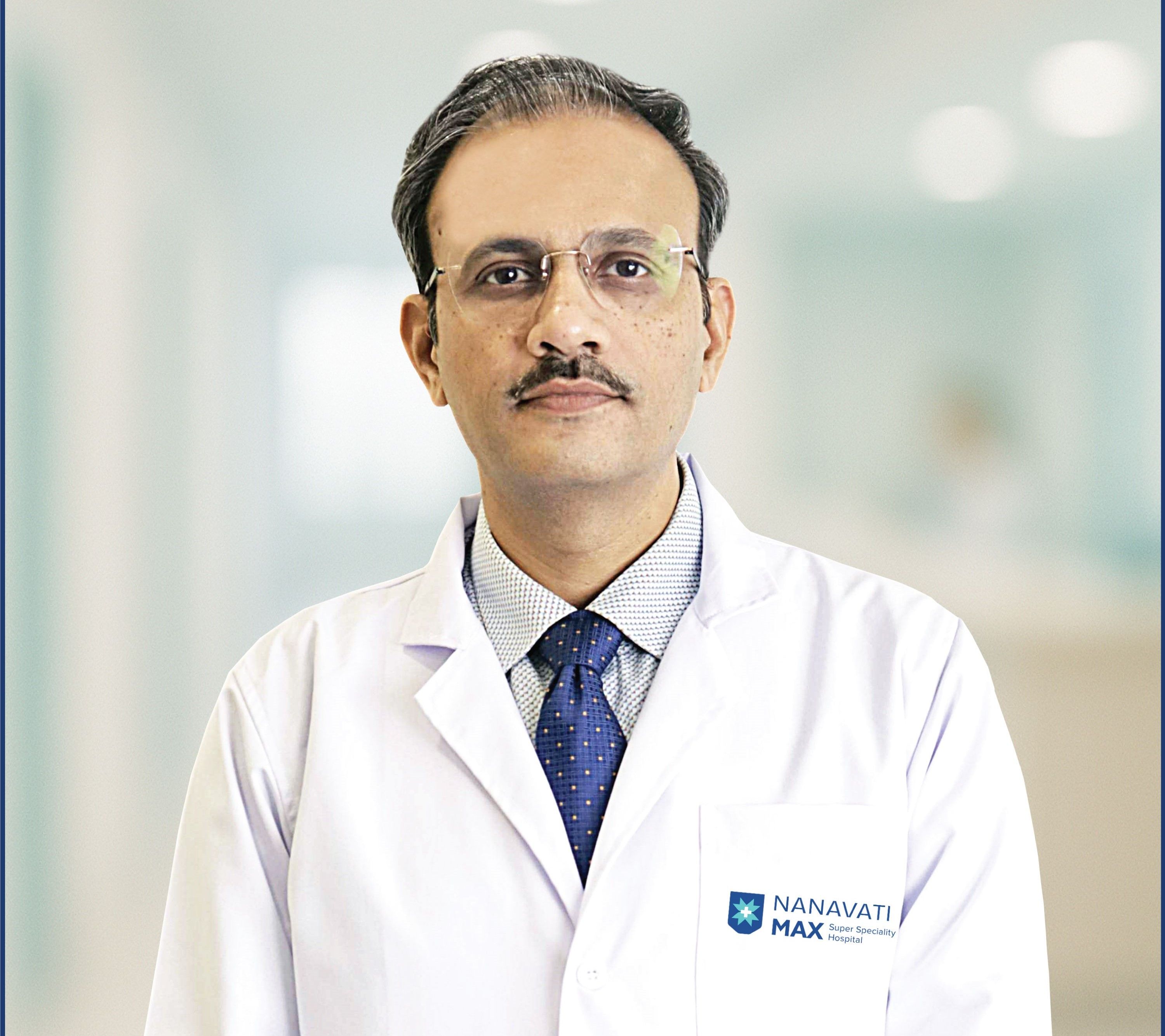
Dr. Nilesh G Satbhai
Director – Plastic, Reconstructive Microsurgery & Hand Transplantation
Centre for Plastic, Aesthetic & Reconstructive Surgery, Plastic, Hand and Reconstructive Microsurgery
Can't find what you are looking for?
Frequently Asked Questions
1. Who is a plastic cosmetic surgeon?
A plastic cosmetic surgeon is a medical doctor who specialises in the "moulding" and "sculpting" of human tissue. The name is derived from the Greek word plastikos (to mould). These specialists are trained in two distinct but overlapping areas:
- Cosmetic (Aesthetic) Surgeons: Enhance the appearance of normal body structures to improve symmetry and beauty.
- Reconstructive Surgeons: Repair body parts affected by congenital defects (birth disorders), trauma, burns, or diseases like cancer to restore both form and function.
2. What does a plastic cosmetic surgeon do?
Plastic surgeons are the ultimate "problem-solvers" of the surgical world. Their work involves:
- Microsurgery: Reconnecting microscopic nerves and blood vessels to restore sensation and life to tissue.
- Tissue Transfer (Grafts & Flaps): Moving skin, fat, or muscle from one part of the body to another to close large wounds.
- Aesthetic Enhancements: Reshaping facial features (Rhinoplasty, Facelifts) and body contouring (Liposuction, Tummy Tucks).
- Trauma Repair: Reconstructing facial bones or limbs following accidents.
3. What diseases are treated by a plastic cosmetic surgeon?
Beyond aesthetic goals, these surgeons treat numerous medical conditions:
- Cancer Deficits: Breast reconstruction post-mastectomy and head/neck reconstruction after tumour removal.
- Birth Defects: Cleft lip and palate, webbed fingers (syndactyly), and ear deformities (microtia).
- Severe Injuries: Acute burns, facial fractures, and hand injuries involving tendons or nerves.
- Chronic Conditions: Lymphedema, pressure sores, and complex non-healing wounds.
4. Why choose Nanavati Max Hospital for a plastic cosmetic surgeon?
Nanavati Max Super Speciality Hospital in Mumbai is a global leader in high-precision plastic surgery. Key reasons include:
- Expert Leadership: Home to eminent specialists like Dr. Nilesh G. Satbhai (Director of Reconstructive Microsurgery & Hand Transplantation) and Dr. Anshuman Manaswi.
- Advanced Replantation Unit: One of India’s most successful centres for reattaching severed limbs and digits.
- Comprehensive Aesthetic Wing: Offering cutting-edge procedures like scarless breast augmentation, robotic hair transplants, and "Vampire Facelifts."
- Safety & Accreditation: Modular operating theatres and NABL-accredited labs ensure hospital-grade safety that standalone clinics cannot match.
5. How do I prepare for my first appointment with a plastic cosmetic surgeon?
- Define Your Goals: Be specific about what you want to change. Bringing "reference photos" is highly encouraged to align your expectations with the surgeon’s.
- Medical Portfolio: Bring a list of all past surgeries, chronic illnesses (like diabetes), and current medications.
- Physical Prep: Arrive with minimal makeup for facial consultations and wear loose, comfortable clothing for body exams.
- The "Why": Be prepared to discuss your motivations; surgeons look for "internal" reasons for surgery to ensure long-term patient satisfaction.
6. What should I tell my plastic cosmetic surgeon before surgery?
Transparency is the foundation of surgical safety. Ensure you disclose:
- Smoking/Vaping Habits: Nicotine narrows blood vessels and can cause tissue necrosis (skin death). Most surgeons require a "smoke-free" window of at least 4 weeks.
- Anaesthesia History: Any personal or family history of "Malignant Hyperthermia" or extreme post-op nausea.
- Supplements: Tell them about herbal teas, Vitamin E, or Fish Oil, which can cause excessive bleeding.
- Mental Health: Disclose any history of body dysmorphic disorder (BDD) or depression, as surgery is as much a psychological journey as a physical one.
7. When do I need to see a plastic cosmetic surgeon?
Consider scheduling an appointment if you experience:
- Functional Limitations: Sagging eyelids blocking your vision or a nasal deformity hindering your breathing.
- Post-Traumatic Changes: Visible scarring or loss of movement after an injury or previous surgery.
- Developmental Concerns: Asymmetry (breasts or face) that impacts your social comfort or clothing fit.
- Post-Weight Loss Needs: Excessive "skin folds" that cause rashes or limit physical activity after significant weight loss.