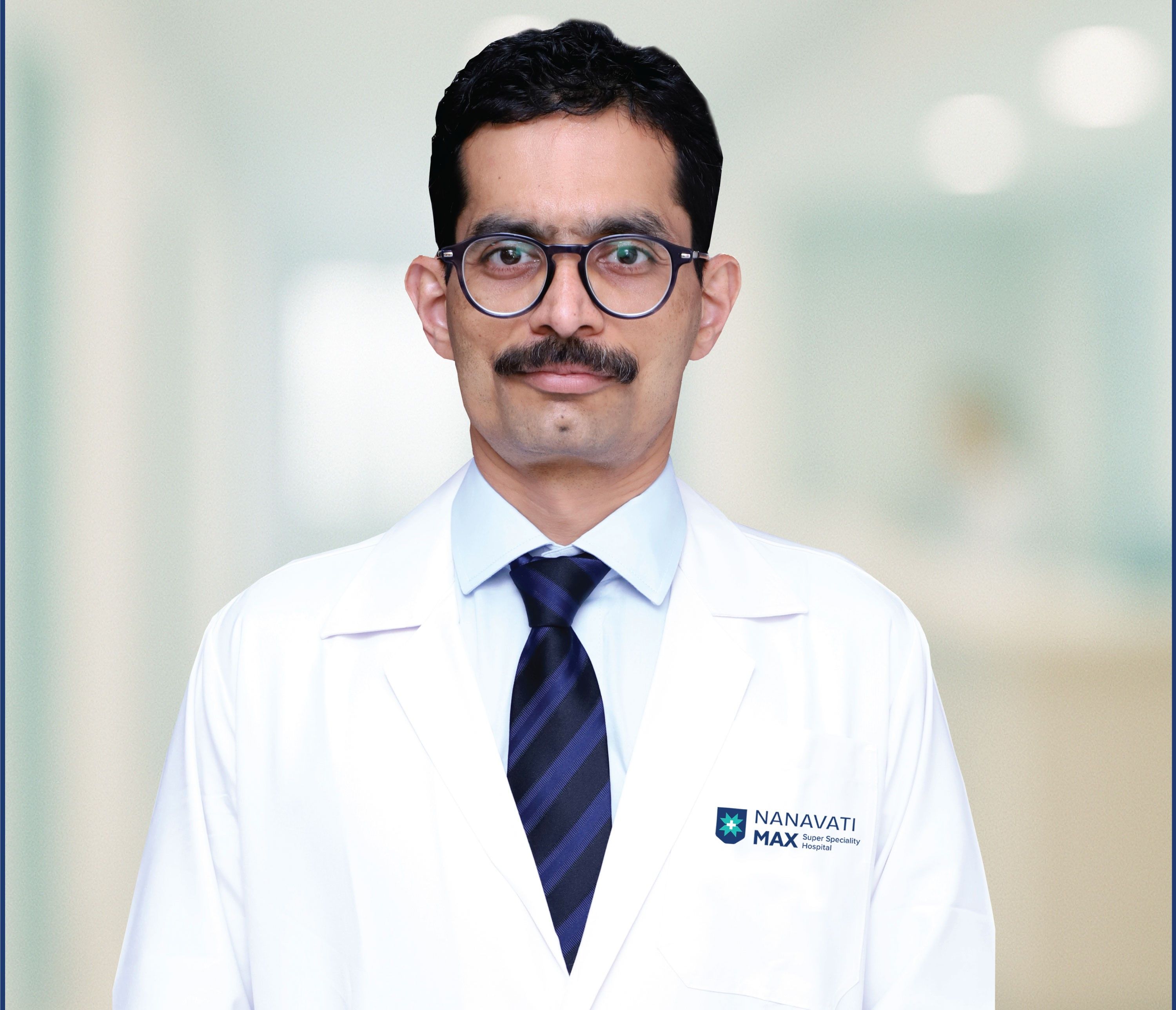
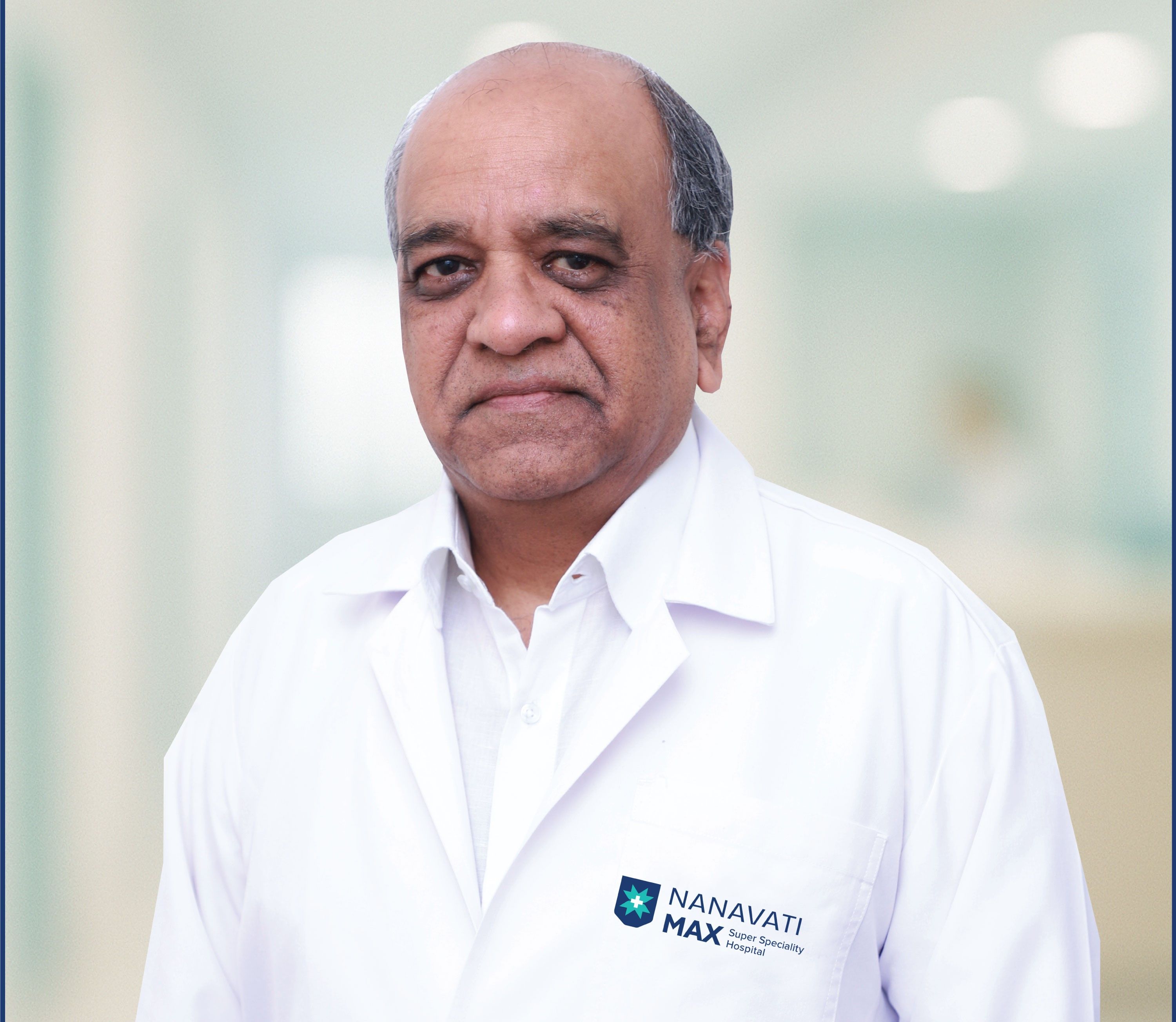
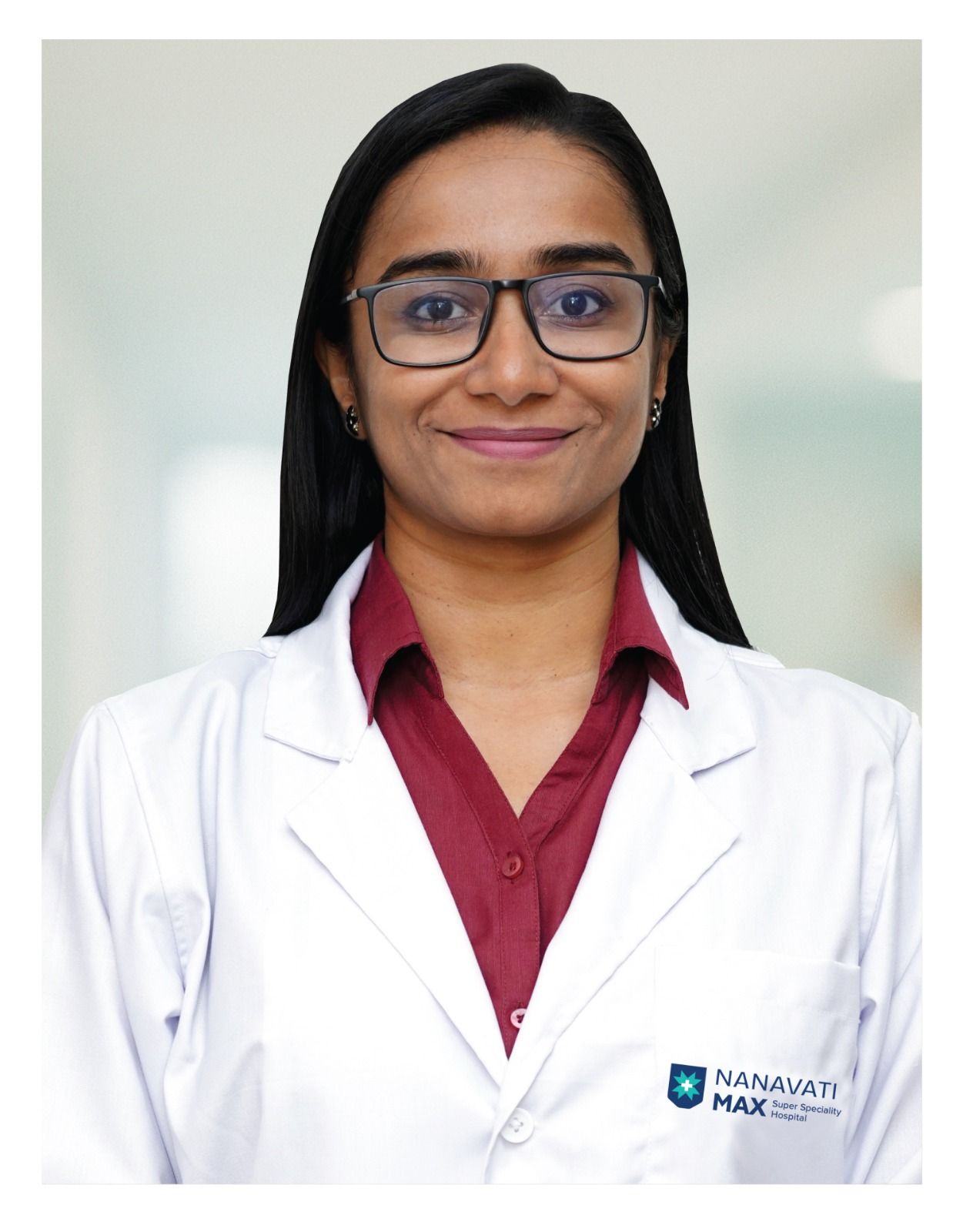
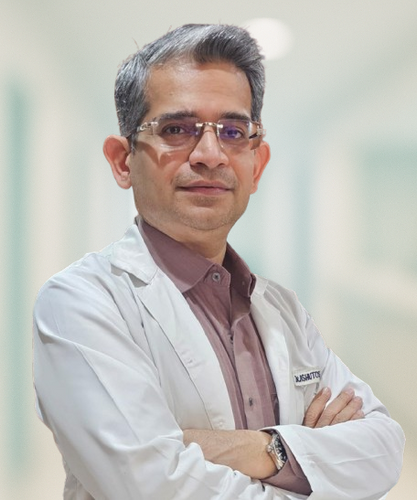
The Centre for Neurosciences at Nanavati Max Super Speciality Hospital brings neurologists, neurosurgeons, neuro-oncologists, neuro-anaesthetists and neuro-critical care specialists together as one multidisciplinary team. We treat a broad range of neurological and neurosurgical conditions, including brain and spine tumours, stroke, epilepsy, aneurysms, Parkinson's disease and other movement disorders.
Our diagnostic and treatment capabilities include EEG, EMG, CT, MRI, PET and diagnostic cerebral angiography (DSA), alongside a dedicated Neuro Intensive Care Unit for patients who need round-the-clock critical care. The Centre provides coordinated neurological and neurosurgical care for both adult and paediatric patients.
Why Patients Choose Our Centre for Neurosciences
One Team Across Neurology and Neurosurgery
Our neurologists and neurosurgeons work as part of a multidisciplinary neuroscience team, allowing patients to receive neurological assessment, neurosurgical opinion and other specialist input as required. This coordinated approach can be particularly useful for complex conditions such as brain tumours, stroke and other disorders requiring more than one speciality.
A Dedicated Neuro Intensive Care Unit
Our Neurosciences Intensive Care Unit provides specialised critical care for patients with neurosurgical, neuro-trauma and neurovascular conditions. The multidisciplinary team includes neuro-critical care specialists, intensivists, pulmonologists, infectious-disease specialists, nephrologists and cardiologists, with round-the-clock care and monitoring of neurological functions.
Round-the-Clock Stroke Response
Our Stroke Unit follows a Code White protocol for suspected stroke, bringing together Emergency, MRI, and Critical Care teams for rapid assessment and treatment. The protocol is designed to reduce delays between different stages of stroke care, with treatment aimed to begin within the golden hour where appropriate.
Diagnostic and Surgical Technology
Our neurosurgery operating rooms are equipped with high-resolution microscopes, a Cavitron Ultrasonic Surgical Aspirator (CUSA), cranial and spinal endoscopes and other surgical equipment. Diagnostic and neurophysiology services include EEG, EMG, visual evoked potential testing, CT, MRI, PET and diagnostic cerebral angiography (DSA).
Neurological Conditions & Speciality Units We Treat
The Centre for Neurosciences brings together specialised units covering neurological, neurosurgical, spine and neurodiagnostic care. Each unit focuses on specific conditions and treatment needs.
Stroke Care
Our Stroke Unit provides acute care for suspected stroke, supported by the Code White rapid-response protocol. Care involves specialists from neurology, emergency medicine, neurosurgery, neuroradiology and rehabilitation, covering assessment, acute treatment and recovery support.
Epilepsy
We diagnose and treat different types of epileptic seizures/epilepsy using investigations such as EEG and video EEG. Treatment may include anti-seizure medication, while surgery and neuromodulation options such as focal resection and vagus nerve stimulation may be considered for selected patients whose seizures remain uncontrolled with medication.
Brain Aneurysm Treatment
Our Advanced Aneurysm Treatment Unit provides multidisciplinary care for cerebral aneurysms. Neuro-intensivists, vascular neurologists, endovascular neurosurgeons, vascular neurosurgeons and neuroradiologists work together to determine the appropriate treatment. Where suitable, neuroendovascular treatment can repair an aneurysm through the blood vessels without opening the skull.
Functional Neurosurgery
Our Functional Neurosurgery Unit treats selected chronic neurological disorders using neuromodulation and deep brain stimulation. These approaches use implanted electrical stimulators to deliver targeted pulses to specific areas of the nervous system and help manage symptoms in suitable patients.
Neuro-Endoscopy Surgery
Our Neuro-Endoscopy Surgery Unit uses minimally invasive endoscopic techniques for selected neurological and neurosurgical conditions, including hydrocephalus, brain tumours and skull-base conditions. The approach allows surgeons to access certain areas through small openings while limiting the need for more extensive open surgery where clinically appropriate.
Movement Disorders and Parkinson's Disease
Our Parkinson's Disease and Movement Disorder programme manages Parkinson's disease and other movement disorders through a combination of medical treatment, therapy and, for eligible patients, surgical or neuromodulation options.
Cranioplasty
Our Cranioplasty Surgery Unit treats skull defects that may develop following head injury, previous surgery or other conditions. Treatment aims to restore the protective structure of the skull while also addressing functional and cosmetic considerations.
Spine Surgery
Our Spine Surgery Unit provides both non-surgical and surgical care for acute and chronic spinal disorders. Treatment may range from conservative management to surgery for more complex spinal conditions, based on the patient's symptoms and clinical findings.
Spine Fusion Surgery
Our Spine Fusion Surgery Unit treats conditions such as scoliosis, kyphosis, spinal fractures and spinal instability. Fusion joins selected vertebrae to stabilise the spine and may be considered when non-operative treatment does not adequately control symptoms or when spinal stability needs to be restored.
Minimally Invasive Disc Surgery
Our Microscopic and Endoscopic Disc Surgery Unit uses minimally invasive techniques to treat selected herniated and degenerative disc conditions. Procedures such as microscopic or endoscopic discectomy may be considered when symptoms persist despite appropriate conservative treatment or when there is significant nerve compression.
Chronic Back Pain Management
Our Back Pain Management Unit assesses and treats acute and chronic back pain, with care directed towards identifying the underlying cause and managing symptoms through appropriate non-surgical or interventional treatment where required.
Neuro Electrophysiology and Diagnostic Testing
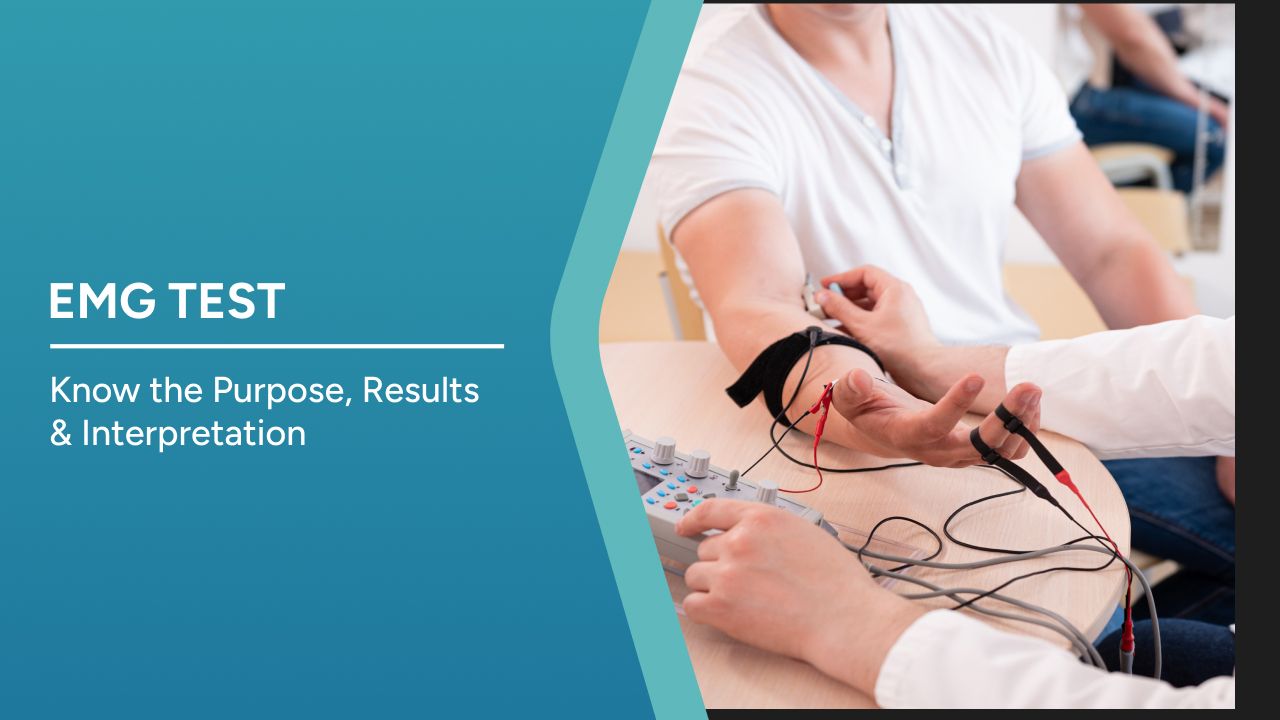
Our Neuro Electrophysiology Unit provides EMG and nerve conduction studies, evoked-potential testing, routine and video EEG, sleep-deprived EEG and portable bedside EEG monitoring for selected ICU patients. These investigations help assess disorders affecting the brain, nerves, muscles and neuromuscular system.
Diagnostic Technology
Diagnosis at the Centre for Neurosciences draws on a range of imaging and electrophysiology tools, including Electroencephalogram (EEG), Electromyography (EMG), Visual Evoked Potentials (VEP), CT scan, MRI, PET scan and Diagnostic Cerebral Angiography (DSA). Neurosurgical operating rooms are equipped with high-resolution microscopes, a Cavitron Ultrasonic Surgical Aspirator (CUSA), and cranial and spinal endoscopes to support a range of neurosurgical procedures.
Neuro Intensive Care and Support Services
Patients who need critical care after neurosurgery, or following conditions such as major stroke, neuro-trauma, or intracranial bleeding, are cared for in the dedicated Neurosciences Intensive Care Unit. The unit provides round-the-clock multidisciplinary care with monitoring and treatment for neurological and systemic complications. Its services include neurological monitoring, seizure control, management of intracranial bleeding, stroke therapies and other specialised neurocritical care interventions.
Rehabilitation may form part of recovery for patients with neurological conditions. Depending on the patient's needs, rehabilitation can include physiotherapy, occupational therapy, speech and language therapy and other supportive services as appropriate.
Cost of Neurology and Neurosurgery Treatment in Mumbai
Neurology and neurosurgery costs vary widely by condition and treatment path. The main factors that affect the cost of care include:
- Whether care is outpatient or requires hospital admission
- The diagnostic tests needed, such as EEG, MRI, CT or PET, depending on the condition
- Whether treatment is medical or surgical
- The type of surgery, including minimally invasive or open procedures
- Implants or devices used, such as spinal fusion hardware or a deep brain stimulation system
- Length of ICU and hospital stay
- Room category chosen for admission
The treating team can explain the expected treatment pathway and the factors that may contribute to the overall cost based on the patient's condition.
Planning Your Visit
If you've been diagnosed elsewhere and want a second opinion on your diagnosis or treatment plan, our neurology and neurosurgery team can review your existing scans and reports.
For your first appointment, bring any prior imaging, including CT or MRI reports or discs, recent blood test results, a list of current medications and a brief note on when your symptoms started. If another doctor referred you, bring their referral letter.
Patients travelling from outside Mumbai can plan their appointments and required hospital care in advance through the hospital's outstation patient services. Book your appointment today.
Frequently Asked Questions
1. What does a dedicated Centre for Neurosciences offer?
A dedicated Centre for Neurosciences brings together neurological, neurosurgical, neurocritical care and related specialist services. This allows patients with complex conditions to receive coordinated assessment and treatment across relevant disciplines.
2. What should I bring to my first appointment?
Bring any previous CT or MRI reports or imaging discs, recent blood test results, a list of current medications and details of when your symptoms started. If another doctor has referred you, carry the referral letter and any previous treatment records.
3. Can I get a second opinion on a diagnosis made elsewhere?
Yes. A second opinion can help review an existing diagnosis or treatment plan. Bring your previous medical records, reports and imaging so the specialist can assess your condition and discuss appropriate treatment options.
4. Do you treat patients travelling from outside Mumbai?
Yes. Patients travelling from outside Mumbai can plan their appointments, investigations and hospital care in advance through the hospital's outstation patient services.
5. Is 24×7 emergency neurology and stroke care available?
The Centre provides round-the-clock specialised neurocritical care, and its Stroke Unit follows a Code White protocol for suspected stroke to facilitate rapid assessment and treatment. The aneurysm unit also provides 24×7 emergency care for cerebral aneurysms.