CBC Test: Purpose, Procedure, Range and Results
By Medical Expert Team
Aug 05 , 2026 | 5 min read

Overview
A Complete Blood Count (CBC) test is one of the most common blood tests ordered in medical practice. It is a basic screening tool that helps check your overall health and detect many disorders, such as anaemia, infections, and certain types of cancers.
A CBC test is always the top choice for any healthcare provider since it will provide a precise picture of the blood composition in your body. Blood is a way through which oxygen and nutrients travel around your body; any imbalances may be a sign of possible problems that need immediate attention.
Why is The CBC Test Done?
Common Reasons for CBC Test
The CBC test is very versatile. Many people actually do this as part of a routine health examination or to diagnose specific concerns. Here is why your doctor at Nanavati Max Super Speciality Hospital might recommend it:
- To monitor overall health: Regular CBC tests check your overall health and can detect any potential health problems quite early.
- To diagnose conditions: Symptoms such as fatigue, fever, or bruising may lead physicians to check for underlying conditions like anaemia, infections, or immune disorders.
- To monitor medical treatments: If you are undergoing treatments like chemotherapy or taking medications that affect blood cell production, a CBC test makes sure that everything is on track.
What is the Normal Range of CBC Test?
The CBC test normal range can vary slightly depending on factors like age, gender, and overall health. Generally, here’s what you can expect:
- RBC: 4.7 to 6.1 million cells per microliter for men; 4.2 to 5.4 for women; 4.1 to 5.5 for children.
- WBC: 4,500 to 11,000 cells per microliter.
- Haemoglobin: 13.8 to 17.2 grams per deciliter for men, 12.1 to 15.1 for women, 11 to 16 for children.
- Platelets: 150,000 to 450,000 platelets per microliter.
It’s important to consult your healthcare provider to understand what these numbers mean.
CBC Test Procedure and Preparation
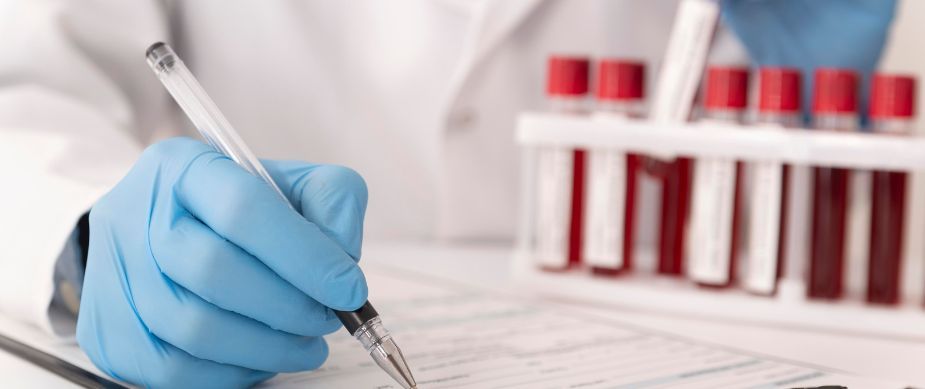
The process of getting a CBC test is straightforward and typically painless. A healthcare professional will draw a small amount of blood, usually from a vein in your arm. The sample is then sent to a lab for analysis, and the results are usually available within 24-48 hours.
How to Prepare for a CBC Test?
For most people, no special preparation is needed for a CBC test. However, in some cases, your doctor may ask you to fast for a few hours before the test. This is usually done when the CBC is part of a more comprehensive panel of tests. Make sure to discuss any specific instructions with your doctor beforehand to get accurate results.
CBC Test and Cancer Detection
Can a CBC Test Indicate Cancer?
Although a CBC test alone cannot diagnose cancer, it can provide important clues. For example, some cancers lead to abnormalities in blood cell counts, and the CBC test can help understand that at a base level. Leukaemia or lymphoma are cancers that might cause abnormalities in their respective blood cell counts, such as very high or very low WBC counts.
However, it's worth noting that the CBC test has its limitations. It can only indicate some potential problems but cannot guarantee a cancer diagnosis. In fact, further tests like biopsies or imaging are required to confirm the actual diagnosis.
When to Seek Further Testing?
Abnormal CBC test results don’t always mean cancer. They can also indicate infections, inflammation, or other less severe conditions. If your results show significant deviations, your doctor at Nanavati Max Super Speciality Hospital may recommend additional tests to pinpoint the cause. Always keep in mind that early detection is key, so never ignore follow-up advice.
CBC Test Results
Once your blood sample is analysed, you’ll receive a report detailing your CBC test results. Here’s what the key components mean:
Interpreting CBC Test Results
Your results will include measurements of red blood cells (RBCs), white blood cells (WBCs), haemoglobin, hematocrit, and platelets. Each plays a vital role in your body:
- RBCs carry oxygen to your tissues.
- WBCs fight infections.
- Haemoglobin is the protein in RBCs that transports oxygen.
- Platelets help with blood clotting.
By analysing these components, your doctor can assess your overall health and identify potential issues like anaemia, infections, or clotting disorders.
CBC Test Abnormal Results
When your CBC test results fall outside the normal range, it can be a sign of various health concerns, which include;
- Low RBC, hemoglobin, or hematocrit levels: May suggest anaemia, which can cause fatigue and weakness.
- High WBC count: This could be a sign of infections, inflammation, or even stress.
- Low platelet count: This might result in easy bruising or excessive bleeding, which is often linked to clotting disorders.
- High platelet count: Could signal conditions like thrombocytosis, which increases the risk of blood clots.
Always discuss abnormal results with your doctor for proper evaluation and next steps. At Nanavati Max Super Speciality Hospital, we’re committed to providing comprehensive care and expert guidance.
Frequently Asked Question
1. What is The CBC Test Full Form?
The CBC test full form is Complete Blood Count.
2. What Does a CBC Test Check For?
A CBC test measures key components of your blood, including red blood cells, white blood cells, haemoglobin, hematocrit, and platelets to look at the overall health and detect potential issues like infections or anaemia.
3. How Do I Interpret My CBC Test Results?
While your report will include detailed numbers, interpretation requires a doctor’s guidance to relate the results to your symptoms or medical history.
4. What is the Normal Range for a CBC Test?
Normal ranges vary slightly, but RBCs, WBCs, haemoglobin, and platelets should all be within their reference ranges. This includes,
- RBC: 4.7 to 6.1 million cells per microliter for men; 4.2 to 5.4 for women; 4.1 to 5.5 for children.
- WBC: 4,500 to 11,000 cells per microliter.
- Haemoglobin: 13.8 to 17.2 grams per deciliter for men, 12.1 to 15.1 for women, 11 to 16 for children.
- Platelets: 150,000 to 450,000 platelets per microliter.
5. Can a CBC Test Detect Cancer?
While a CBC can mean possible signs of cancer, such as abnormal white blood cell counts, it is not definitive. Further testing is required for diagnosis.
6. What Do High WBC Levels in a CBC Mean?
High WBC levels mean your body is fighting an infection or inflammation.
7. Are There Any Risks Associated With a CBC Test?
The risks are minimal, usually limited to slight bruising or soreness where blood is drawn.
8. How Often Should One Get a CBC Test?
For healthy individuals, a CBC is often included in routine check-ups. If you have specific health concerns, your doctor might recommend more frequent testing.
9. Does CBC Need Fasting?
Not always. In most cases, no fasting is required unless your doctor specifies otherwise.

Related Blogs

Medical Expert Team
Oct 06 , 2026 | 8 min read

Medical Expert Team
Oct 06 , 2026 | 9 min read

Most read Blogs



Related Blogs
Medical Expert Team
Oct 06 , 2026 | 8 min read
Medical Expert Team
Oct 06 , 2026 | 9 min read
Most read Blogs