10 Delicious Protein Rich Foods You Need in Your Diet
By Medical Expert Team
Oct 06 , 2026 | 4 min read

Protein is one of the most essential macronutrients required by the human body for survival, growth, and overall wellness. From muscle development and tissue repair to enzyme production, immunity, and hormone regulation, protein-rich foods play a vital role in nearly every biological process. Consuming adequate protein rich foods daily supports both physical performance and long-term health.
Whether you are following a protein diet for weight loss, building muscle at the gym, managing a medical condition, or simply trying to improve your daily nutrition, including high protein food in your meals can support energy levels and metabolic function when balanced with overall diet.
Why Protein-Rich Foods Are Essential
Proteins are made up of amino acids, commonly known as the building blocks of life. Some amino acids are produced by the body, while essential amino acids must be obtained from protein rich foods.
Key Functions of Protein in the Body
- Muscle Growth & Repair: Repairs damaged muscle fibers after physical activity, essential for athletes and aging adults.
- Hormone & Enzyme Production: Proteins are needed to produce insulin, digestive enzymes, and metabolic hormones.
- Weight Management: High-protein foods improve satiety, reduce hunger hormones, and may support fat loss while preserving muscle in calorie-controlled diets.
- Skin, Hair & Nail Health: Structural proteins like collagen and keratin maintain skin elasticity and hair strength.
- Immune Support: Antibodies and immune cells require adequate protein intake to function optimally.
Without sufficient intake, the body may break down muscle tissue, though risks like excess intake in kidney disease should be considered.
Complete vs Incomplete Proteins
Complete Proteins
Contain all 9 essential amino acids.
Examples: Eggs, chicken, fish, dairy, soy, quinoa.
Incomplete Proteins
Lack one or more essential amino acids.
Examples: Lentils, chickpeas, nuts, grains.
Tip: Combine incomplete proteins (e.g., rice + dal) for a complete profile in your protein rich diet.
Top 10 Protein Rich Foods
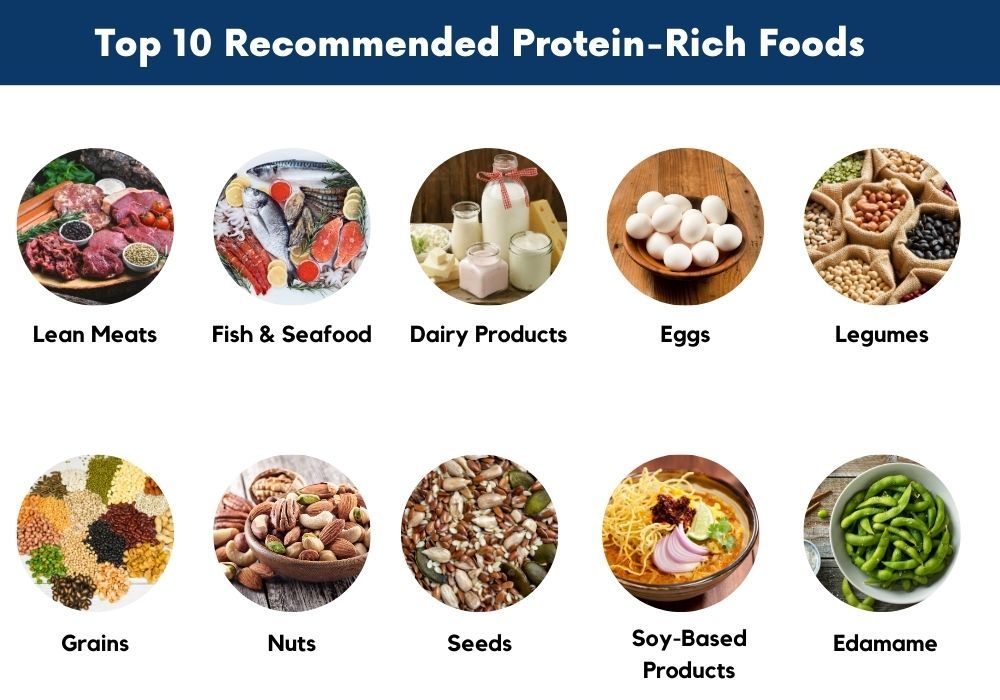
1. Eggs – A Complete Protein Powerhouse
Protein: 6–7 g per large egg
Nutrients: Vitamin B12, selenium, choline.
Benefits: Muscle repair, brain health, affordable.
2. Chicken Breast – Lean High Protein Food
Protein: 31 g per 100 g
Benefits: Supports fat loss, muscle definition with exercise.
3. Fish (Salmon) – Omega-3 Rich Protein
Protein: 20–25 g per 100 g
Benefits: Heart health, inflammation control per studies.
4. Greek Yogurt – High Protein Dairy
Protein: ~10 g per 100 g
Benefits: Gut health, calcium from probiotics.
5. Paneer – Vegetarian Dairy Protein
Protein: 18–25 g per 100 g
Benefits: Slow-digesting casein for recovery.
6. Lentils (Dal) – Plant-Based Champion
Protein: 9 g per 100 g cooked
Benefits: Heart health, digestion.
7. Chickpeas (Chole)
Protein: ~15 g per cup cooked
Benefits: Blood sugar control, fiber.
8. Quinoa – Complete Plant Protein
Protein: 4.4 g per 100 g cooked
Benefits: Gluten-free, magnesium.
9. Almonds – Protein-Rich Snack
Protein: 6 g per 28 g
Benefits: Heart health, satiety.
10. Tofu – Vegan Complete Protein
Protein: 8 g per 100 g
Benefits: Bone strength, low calorie.
Protein Content Comparison
|
Food Item |
Protein (per serving) |
|
Chicken Breast |
31 g (100 g) |
|
Salmon |
20–25 g (100 g) |
|
Paneer |
18–25 g (100 g) |
|
Lentils (cooked) |
9 g (100 g) |
|
Greek Yogurt |
~10 g (100 g) |
|
Eggs |
6–7 g (per egg) |
|
Almonds |
6 g (28 g) |
|
Tofu |
8 g (100 g) |
Key Takeaways: Animal sources often higher bioavailability; plants add fiber. Combine for balance.
Animal vs Plant-Based Protein
|
Aspect |
Animal Protein |
Plant Protein |
|
Amino Acids |
Complete |
Often incomplete |
|
Bioavailability |
High |
Moderate |
|
Fiber |
Low |
High |
|
Best: Combine both for optimal protein rich diet. |
Benefits of High Protein Intake
- Faster muscle recovery
- Improved satiety for weight control
- Stable blood sugar
- Immune support
Note: Benefits vary; excess may strain kidneys in at-risk groups.
Daily Protein Needs
Recommended Intake (RDA):
- Adults: 0.8 g/kg
- Athletes: 1.2–2.0 g/kg
- Seniors/Weight Loss: 1.0–1.5 g/kg
Example: 60 kg person → 48–90 g/day (adjust per needs).
Myths Busted
- “Protein only for bodybuilders.” Essential for all.
- “Plant proteins useless.” Valuable when combined.
- “High protein damages kidneys.” Safe for healthy; caution if diseased.
Disclaimer: This content is for informational purposes only and not a substitute for professional medical advice. Consult a healthcare provider or registered dietitian before adopting a protein rich diet, especially with medical conditions. Individual needs vary based on age, health, and activity.
Frequently Asked Questions
1. What are the highest protein-rich foods?
Chicken breast, fish, eggs, paneer, lentils, tofu, and Greek yogurt are among the highest natural protein sources.
2. Can I get enough protein on a vegetarian diet?
Yes. Lentils, chickpeas, beans, quinoa, soy, nuts, and seeds provide adequate protein.
3. How much protein do I need daily?
Adults need 0.8–1.2 g/kg, depending on age and activity.
4. Are protein-rich foods good for weight loss?
Yes. They reduce hunger, boost metabolism, and preserve muscle mass.
5. Are protein shakes necessary?
No. Whole foods can meet most people's protein needs.
6. Which plant-based foods are complete proteins?
Quinoa, soy, tofu, tempeh, and buckwheat.
7. What are some easy high-protein breakfast ideas?
Easy options include Greek yogurt bowls with seeds, Paneer bhurji (scrambled cottage cheese), Moong dal chilla (lentil pancakes), or eggs (boiled or omelet). For a quick vegan option, a tofu scramble or a pea-protein smoothie works well.
8. What should I eat after a workout to help my muscles recover?
Post-workout, consume a combination of fast-acting protein and carbohydrates. Examples include a whey protein shake with a banana, Greek yogurt with berries, or grilled chicken with a small portion of rice. This triggers muscle protein synthesis and replenishes glycogen stores.
9. Is milk a good recovery drink after I exercise?
Yes. Milk is considered an excellent recovery drink because it contains a natural blend of whey and casein proteins, electrolytes for rehydration, and carbohydrates to help refuel energy stores.
10. Should I eat all my protein at dinner or spread it out?
It is better to spread your protein intake throughout the day (approximately 20–30g per meal). This maintains a steady supply of amino acids in the bloodstream, which is more effective for muscle repair than "loading" all your protein into one meal.
11. What are some healthy high-protein snacks for when I'm on the go?
Portable high-protein snacks include roasted makhana (fox nuts), almonds, walnuts, pumpkin seeds, hard-boiled eggs, or roasted chickpeas (chana).
References
1. Egg Info. (2023). Egg nutrition information: Protein.https://www.egginfo.co.uk/egg-nutrition-and-health/egg-nutrition-information/protein
2. Science for Sport. (2025). How much protein do athletes really need?
https://www.scienceforsport.com/how-much-protein-do-athletes-really-need/