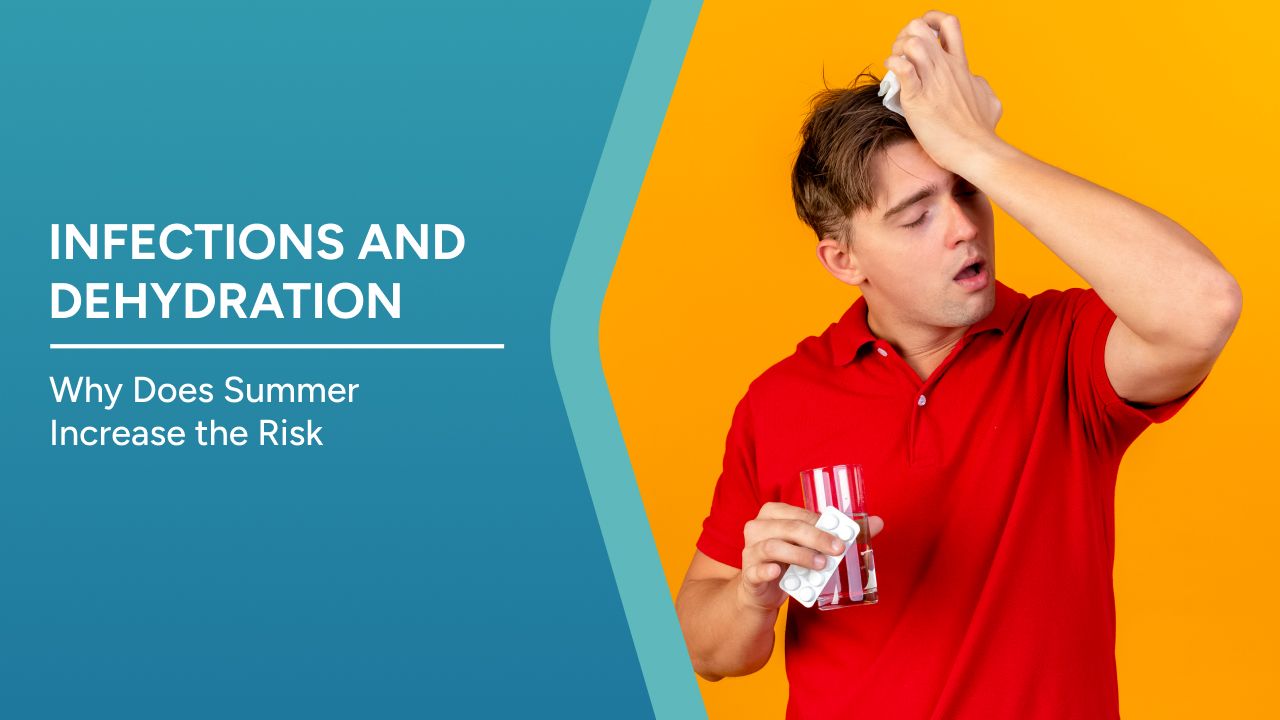
Why Does Summer Increase the Risk of Infections and Dehydration?
By Dr. Nitin Rathod in Internal Medicine
Aug 05 , 2026 | 8 min read

Summer brings longer days, more sunshine, and opportunities to spend time outdoors, but it can also affect the body in ways that are not always immediately noticeable. Hot weather causes the body to lose fluids more quickly through sweating, which can lead to dehydration and fatigue if those fluids are not adequately replaced. In addition, warm and humid conditions create an environment where harmful microorganisms can thrive.
As a result, common diseases in summer, including foodborne and waterborne infections, as well as illnesses linked to poor hygiene, tend to become more prevalent. These seasonal changes, combined with changes in daily routines, can increase the likelihood of certain health problems during summer. Understanding these risks can help you take simple preventive measures, stay healthy, and enjoy the season more comfortably.
What Are Common Summer Diseases?
Summer-related health issues usually occur when rising temperatures, increased sweating, and changes in daily habits affect the body’s natural balance. During this time, the risk of infections and heat-related discomfort becomes higher, especially when hydration levels drop or food and water hygiene is not properly maintained. These conditions are generally mild but can still impact overall wellbeing, energy levels, and daily comfort if not addressed early.
The rise in such illnesses is mainly linked to environmental changes that support faster growth of germs, along with lifestyle factors such as outdoor activity, travel, and irregular eating patterns. Together, these conditions make the body more vulnerable during hotter months, increasing the likelihood of health concerns that are commonly seen in summer.
Read More about the Sun Allergies: Types, Symptoms, Risk Factors & Treatment
Why Summer Increases the Risk of Common Summer Diseases
Summer increases the risk of infections and dehydration due to higher temperatures, increased sweating, and greater exposure to germs in food, water, and the environment. Some of the common reasons include:
- High temperatures speed up the growth of bacteria and viruses, especially in uncovered or improperly stored food
- Increased sweating leads to significant fluid loss, which can result in dehydration if not offset by adequate water intake
- Contaminated food and water become more common risks as food spoils faster in hot weather, and unsafe sources may carry germs
- Outdoor exposure to dust, pollution, and crowded environments can increase the chances of infections spreading
- Lifestyle changes such as irregular meals, travel, and frequent eating out further increase the risk during the summer months
These factors together explain why health risks rise during hotter months. With simple awareness and preventive habits, the impact of common diseases in summer can be significantly reduced.
Know More about How to Prevent Heat Rashes During Hot and Humid Weather
Common Summer Diseases Linked to Infections
Infections are among the most common health concerns during summer. Heat and humidity allow germs to multiply more quickly, especially in food, water, and on frequently touched surfaces. At the same time, sweating, dehydration, and increased outdoor activity make the body more vulnerable to contamination. These infections usually affect the digestive system, respiratory system, or skin, depending on the source of exposure.
Foodborne Infections
Foodborne infections occur when you consume food contaminated with harmful bacteria, viruses, parasites, or toxins, often due to improper storage, handling, or cooking. During summer, food spoils more quickly due to heat, especially if left uncovered or kept at room temperature for too long. Street food or improperly refrigerated meals also increase the risk.
Common symptoms: Nausea or vomiting, stomach pain, diarrhoea, and sometimes mild fever. These symptoms usually appear within a few hours to a day after consuming contaminated food.
Waterborne Diseases
Waterborne diseases spread when a person drinks or uses water that contains harmful microorganisms. In summer, water sources are more easily contaminated due to poor storage conditions, unhygienic handling, or the use of untreated water and ice. This can lead to gastrointestinal infections, including typhoid and hepatitis A.
Warning signs: Fever, stomach cramps, loose motions, dehydration, and general weakness. In cases of hepatitis A, patients may notice deepening of urine colour and yellowing of the eyes or skin. If fluid and electrolyte losses are not managed appropriately, symptoms may worsen and increase the risk of dehydration.
Viral Infections During Summer
Viral infections can occur throughout the year but may spread more easily during travel, gatherings, and increased social interactions that are common during summer. They can spread through direct contact with an infected person, contaminated surfaces, or respiratory droplets.
Common symptoms: Fever, body aches, sore throat, fatigue, and sometimes mild respiratory discomfort. These symptoms may last for a few days, depending on the infection.
Skin Infections
Skin infections are more common in summer due to excessive sweating, heat, and moisture trapped on the skin. When sweat remains on the skin for long periods, it can irritate the skin and allow bacteria or fungi to grow. Tight or non-breathable clothing can make this worse.
Prevention measures: Maintaining good hygiene, bathing regularly, keeping skin dry, and wearing loose, breathable clothing help reduce the risk of skin infections in hot weather.
Dehydration as a Common Summer Health Risk
Dehydration is one of the most common summer-related health concerns, rather than an infectious disease. It can develop quickly if fluids lost through sweating are not replaced adequately. It occurs when the body loses more fluids than it consumes, which affects normal body functions and overall energy levels.
During hot weather, excessive sweating leads to a significant loss of water and essential salts, including electrolytes like sodium and potassium. During prolonged sweating or significant fluid loss, replacing electrolytes along with water may help maintain fluid balance and support recovery.
Early signs include dry mouth, headache, tiredness, and reduced urination, which often indicate that the body needs more fluids. If not managed in time, dehydration can become more serious and may lead to dizziness, confusion, and extreme weakness, requiring prompt attention and proper rehydration.
Warning Signs That Should Not Be Ignored
Some symptoms of summer-related illnesses may indicate that the condition is becoming more serious and may require timely medical attention. Recognising these early signs can help prevent complications and support quicker recovery.
- Persistent fever that does not improve with rest or basic care may indicate an underlying infection that needs medical attention
- Severe vomiting or diarrhoea can lead to rapid fluid loss and increase the risk of dehydration if not managed early
- Extreme weakness or fatigue may suggest that the body is significantly affected by infection or dehydration
- Dizziness, confusion, or a drop in blood pressure can occur when fluid or electrolyte levels in the body become too low
- Symptoms that worsen over time rather than improve may indicate that the illness is progressing
If any of these warning signs appear, early medical evaluation is important to ensure proper care and prevent the condition from becoming more serious.
How to Prevent Common Summer Diseases and Dehydration
Simple daily habits can help reduce the risk of illness during summer and support better hydration and overall health.
Stay Hydrated
Drinking water regularly throughout the day helps maintain the body's fluid balance. If you are spending extended time outdoors or sweating heavily, include electrolyte-fortified fluids or natural options like coconut water to replace lost essential salts.
Maintain Food Hygiene
Proper food hygiene, including storing food safely and keeping it covered, helps reduce the risk of infections caused by bacterial growth in hot weather.
Drink Safe Water
Using filtered or boiled water helps prevent waterborne diseases by reducing exposure to harmful microorganisms.
Maintain Personal Hygiene
Regular handwashing, especially before eating, helps stop the spread of germs that can cause common summer infections.
Avoid Excess Heat
Staying indoors during peak afternoon hours helps reduce heat exposure and lowers the risk of dehydration and heat-related fatigue.
Read More about the Best ways to prevent sunburn
What to Do If You Experience Symptoms
If you notice symptoms of a summer-related illness, taking timely and simple steps can help your body recover more comfortably and prevent the condition from worsening.
Immediate Care
Rest in a cool environment away from direct heat and sunlight, as this helps lower body stress and supports faster recovery. Avoid outdoor activity or physical exertion until symptoms begin to improve. Keeping the body cool can also help reduce fever-like discomfort and fatigue.
Rehydration
Drink an oral rehydration solution (ORS) slowly in small sips. ORS contains a carefully balanced combination of glucose and electrolytes that helps improve fluid absorption and is often recommended during diarrhoea or vomiting. Continue hydrating regularly throughout the day, even if symptoms start to improve.
Recovery
Give your body enough rest and avoid strenuous activity so it can recover naturally and regain energy. Light meals that are easy to digest can also support recovery and reduce strain on the digestive system. Avoid self-medicating with anti-diarrhoeal medicines without medical advice, as they may not be suitable for all causes of diarrhoea and can sometimes worsen certain infections.
Consult a Doctor
If symptoms persist, worsen, or include severe signs like continuous vomiting, high fever, or dizziness, it is important to seek medical advice without delay. In such cases, consulting a specialist at Nanavati Max Super Speciality Hospital can help ensure proper diagnosis, timely treatment, and appropriate care. Early medical attention is especially important when symptoms do not improve with basic self-care.
Conclusion
Summer can place extra stress on the body due to heat, dehydration, and lifestyle changes. Together, these factors can increase the risk of infections, dehydration, and other summer-related health concerns if preventive measures are not followed.
Many common summer diseases can be prevented through proper hydration, food safety, and basic hygiene practices. With small but consistent care, it is possible to stay healthy, active, and comfortable throughout the season.
Frequently Asked Questions
1. What are the most common summer diseases?
The most common summer diseases include foodborne infections, waterborne illnesses like typhoid, viral fevers, and skin infections. These usually occur due to heat and poor hygiene conditions.
2. How can I avoid dehydration?
You can avoid dehydration by drinking water regularly and increasing fluid intake during hot weather. If you are sweating heavily, vomiting, or having diarrhoea, oral rehydration solution or electrolyte-rich fluids may help replace lost salts.
3. Are summer infections serious?
Most summer infections are mild and improve with rest, fluids, and basic care. However, some cases, such as typhoid, hepatitis A, or severe dehydration, may become serious if symptoms are ignored.
4. When should I see a doctor?
You should consult a doctor if symptoms are severe or persistent, or if they include warning signs such as confusion, yellowing of the eyes or skin, high fever, persistent vomiting, severe diarrhoea, or dizziness.

Written and Verified by:

Related Blogs

Medical Expert Team
Oct 06 , 2026 | 8 min read

Medical Expert Team
Oct 06 , 2026 | 9 min read

Blogs by Doctor
Dolo 650 Tablet: Side Effects, Precautions, and Safe Usage Guide
Dr. Nitin Rathod In Internal Medicine
Aug 12 , 2026 | 6 min read

Widal Test Explained: When It Is Useful and When It Can Mislead
Dr. Nitin Rathod In Internal Medicine
Aug 05 , 2026 | 6 min read
Most read Blogs



Related Blogs
Medical Expert Team
Oct 06 , 2026 | 8 min read
Medical Expert Team
Oct 06 , 2026 | 9 min read
Blogs by Doctor
Dolo 650 Tablet: Side Effects, Precautions, and Safe Usage Guide
Dr. Nitin Rathod In Internal Medicine
Aug 12 , 2026 | 6 min read
Widal Test Explained: When It Is Useful and When It Can Mislead
Dr. Nitin Rathod In Internal Medicine
Aug 05 , 2026 | 6 min read
Most read Blogs