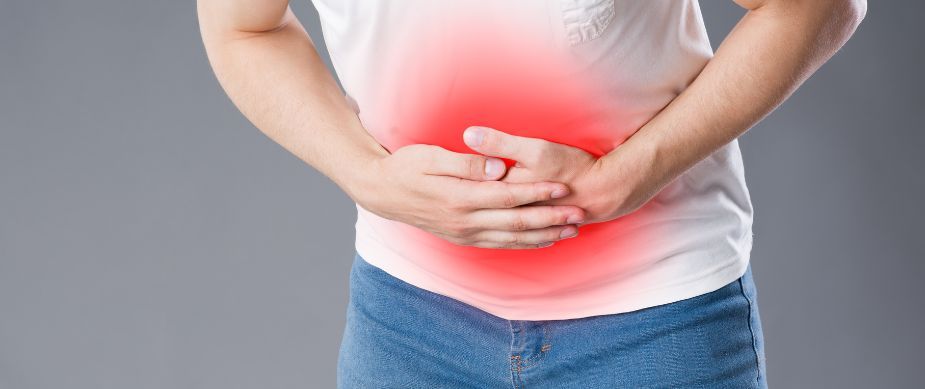
Gastroenteritis (Stomach Flu): Symptoms, Causes, Prevention and Treatment
By Medical Expert Team
Oct 06 , 2026 | 5 min read

Gastroenteritis, commonly referred to as the stomach flu, is a condition caused by inflammation of the lining of the stomach and intestines. This highly contagious gastrointestinal illness is often accompanied by nausea, vomiting, diarrhea, and abdominal pain. While it can affect individuals of all ages, children, older adults, and immunocompromised individuals are particularly vulnerable to rapid dehydration. Unlike the respiratory flu (Influenza), gastroenteritis specifically targets the digestive tract.
Gastroenteritis Symptoms
Recognizing gastroenteritis symptoms early can help ensure timely care and prevent complications. Symptoms typically range from mild to severe and may appear suddenly within 12 to 48 hours of exposure.
Common Symptoms
- Diarrhea: Loose or watery stools are a hallmark of gastroenteritis. Unlike bacterial infections, viral diarrhea is usually non-bloody.
- Nausea and Vomiting: Feeling queasy or experiencing frequent bouts of vomiting as the body attempts to expel the pathogen.
- Abdominal Pain: Intense cramping or pain in the stomach area caused by intestinal spasms.
- Loss of Appetite: A noticeable reduction in the desire to eat as the digestive system slows down to heal.
Systemic Symptoms
- Fever and Chills: A low-grade fever may develop as the body triggers an immune response.
- Fatigue: Generalized tiredness, lethargy, and weakness often linked to electrolyte loss.
- Body Aches: Headaches or muscle aches are common due to systemic inflammation.
Gastroenteritis vs. Food Poisoning
It is easy to confuse the stomach flu with food poisoning. However, the onset and duration differ significantly:
- Food Poisoning: Usually appears abruptly within 1 to 6 hours after eating contaminated food and often resolves within 24 hours.
- Stomach Flu: Develops 24 to 48 hours after contact and can last up to 10 days.
Dehydration Warning Signs
Dehydration is the most common complication of gastroenteritis. Seek medical attention or visit a hepatologist if you notice:
- Extreme thirst and a dark yellow urine color.
- Dry mouth, cracked lips, or lack of tears in children.
- Dizziness, lightheadedness, or confusion.
- Decreased urination (fewer than 3 wet diapers in 24 hours for infants).
Gastroenteritis Causes
Gastroenteritis causes include a variety of pathogens, including viruses, bacteria, and parasites.
Viral Infections
- Norovirus: The most common cause of viral gastroenteritis, especially in closed settings like cruise ships or schools.
- Rotavirus: The leading cause of severe diarrhea in children worldwide; vaccination has significantly reduced severe cases.
- Astrovirus and Adenovirus: Less common, but can affect individuals with weakened immune systems.
Bacterial Infections
- Salmonella and E. coli: Typically contracted from contaminated food or unfiltered water.
- Campylobacter: Found in undercooked poultry or unpasteurized dairy.
- Shigella: Common in childcare settings due to direct contact.
Parasitic Infections
- Giardia and Cryptosporidium: Often contracted from contaminated water sources like lakes or improperly treated swimming pools.
Stages of Gastroenteritis: Onset & Duration
Understanding the progression of gastroenteritis can help manage symptoms effectively.
- Exposure: Contact with contaminated food, water, or infected individuals.
- Incubation: A symptom-free period (usually 12–48 hours) while the pathogen multiplies in the gut lining.
- Acute Infection: Symptoms such as diarrhea, vomiting, and abdominal pain peak for 1–3 days.
- Recovery: Symptoms gradually subside. Full bowel regularity and the restoration of gut microbiota may take up to two weeks.
Diagnosis and Tests for Gastroenteritis
Medical professionals often diagnose gastroenteritis based on symptoms and medical history. In severe cases, or to rule out post-infectious Irritable Bowel Syndrome (IBS), tests may be recommended:
- Stool Test: Identifies specific viruses, bacteria, or parasites through PCR or culture.
- Blood Tests: Detects signs of dehydration, electrolyte imbalance, or elevated inflammatory markers.
- Physical Examination: Assesses skin turgor (elasticity) and abdominal tenderness.
Gastroenteritis Prevention
Taking gastroenteritis prevention measures can significantly reduce the risk of contracting the stomach flu.
- Handwashing: Wash hands thoroughly with soap and water for at least 20 seconds, especially before eating.
- Vaccination: The Rotavirus vaccine for children can prevent severe viral infections.
- Food Safety: Cook meat and poultry to recommended internal temperatures, wash fruits and vegetables, and avoid cross-contamination.
- Safe Travel Practices: Drink bottled water and avoid raw seafood in unfamiliar locations.
Gastroenteritis Treatment
While most cases resolve without medical intervention, proper gastroenteritis treatment is crucial to prevent hospitalization.
Home Remedies
- Stay Hydrated: Drink plenty of fluids such as water, clear broths, or Oral Rehydration Solutions (ORS), which contain the precise ratio of salt and sugar needed for optimal absorption.
- Dietary Adjustments: While the BRAT Diet (Bananas, rice, applesauce, and toast) is a traditional starting point, medical experts now recommend returning to a normal, bland diet as soon as tolerated to aid gut repair.
- Rest: Minimize physical activity to conserve energy for the immune response.
- Soothing Liquids: Some patients find that drinking warm water or herbal teas (like ginger or peppermint) helps soothe stomach cramps.
Medical Interventions
- Antiemetics: Medications to stop nausea and vomiting.
- Antidiarrheal Drugs: Used for severe diarrhea in adults, but should be avoided if a bacterial infection or high fever is suspected.
- Intravenous (IV) Fluids: Administered in cases of severe dehydration to restore blood volume quickly.
Complications of Gastroenteritis
The primary risk is dehydration. However, long-term complications can include Post-infectious Irritable Bowel Syndrome (PI-IBS) or Reactive Arthritis in the case of certain bacterial infections.
When to See a Doctor
Seek medical attention if:
- Symptoms persist beyond three days.
- Severe dehydration symptoms appear (sunken eyes, extreme lethargy).
- There is blood in stool or vomit.
- A fever over 102°F (39°C) or severe abdominal pain occurs.
Frequently Asked Questions
1. How long does gastroenteritis last?
The duration depends on the cause. Viral cases usually last 1 to 3 days, while bacterial infections can persist for a week or longer. Most people feel completely back to normal within 10 days.
2. How is gastroenteritis diagnosed?
Doctors typically use a physical exam and history of symptoms. If symptoms are severe or there is blood in the stool, a stool culture is used to identify the specific pathogen (virus, bacteria, or parasite).
3. Can gastroenteritis be prevented?
Yes. Rigorous handwashing with soap and water is the most effective defense. Additionally, ensuring children receive the Rotavirus vaccine and practicing strict food hygiene can prevent most outbreaks.
4. What foods should I avoid during recovery?
Avoid caffeine, alcohol, nicotine, and highly seasoned, fatty, or sugary foods. These can aggravate the intestinal lining and worsen diarrhea. Dairy should also be avoided temporarily as the gut may be sensitive to lactose during recovery.
5. Is gastroenteritis contagious?
Extremely. It spreads through the fecal-oral route, often via contaminated surfaces or close contact. You are most contagious while you have symptoms and for up to 48 hours after they stop.
Conclusion
While gastroenteritis (stomach flu) is often a self-limiting condition that resolves with rest and hydration, it requires careful monitoring, especially in children and the elderly. Timely gastroenteritis treatment focusing on electrolyte balance and proper nutrition is the key to a swift recovery. If you experience persistent symptoms or signs of severe dehydration, consult a specialist to rule out complications like Post-infectious IBS.
At Nanavati Max Super Speciality Hospital, our Department of Gastroenterology offers comprehensive diagnostic and therapeutic services for all digestive health concerns. Our experts are dedicated to providing personalized care to help you restore your gut health effectively.
Disclaimer
The information provided in this blog is for educational purposes only and is not intended as a substitute for professional medical advice, diagnosis, or treatment. Always seek the advice of your physician or other qualified health provider with any questions you may have regarding a medical condition. If you are making a health-related or financial decision regarding your treatment based on this content, please consult with our clinical experts for a personalized assessment.
References
1. World Health Organization. (2023). Diarrhoeal disease.https://www.who.int/news-room/fact-sheets/detail/diarrhoeal-disease
2. Centers for Disease Control and Prevention. (2024). Rotavirus Vaccination.
https://www.cdc.gov/rotavirus/vaccination/index.html
3. National Institute of Diabetes and Digestive and Kidney Diseases. (2023). Treatment for Gastroenteritis.
https://www.niddk.nih.gov/health-information/digestive-diseases/viral-gastroenteritis/treatment

Related Blogs

Medical Expert Team
Oct 06 , 2026 | 8 min read

Medical Expert Team
Oct 06 , 2026 | 9 min read

Most read Blogs



Related Blogs
Medical Expert Team
Oct 06 , 2026 | 8 min read
Medical Expert Team
Oct 06 , 2026 | 9 min read
Most read Blogs