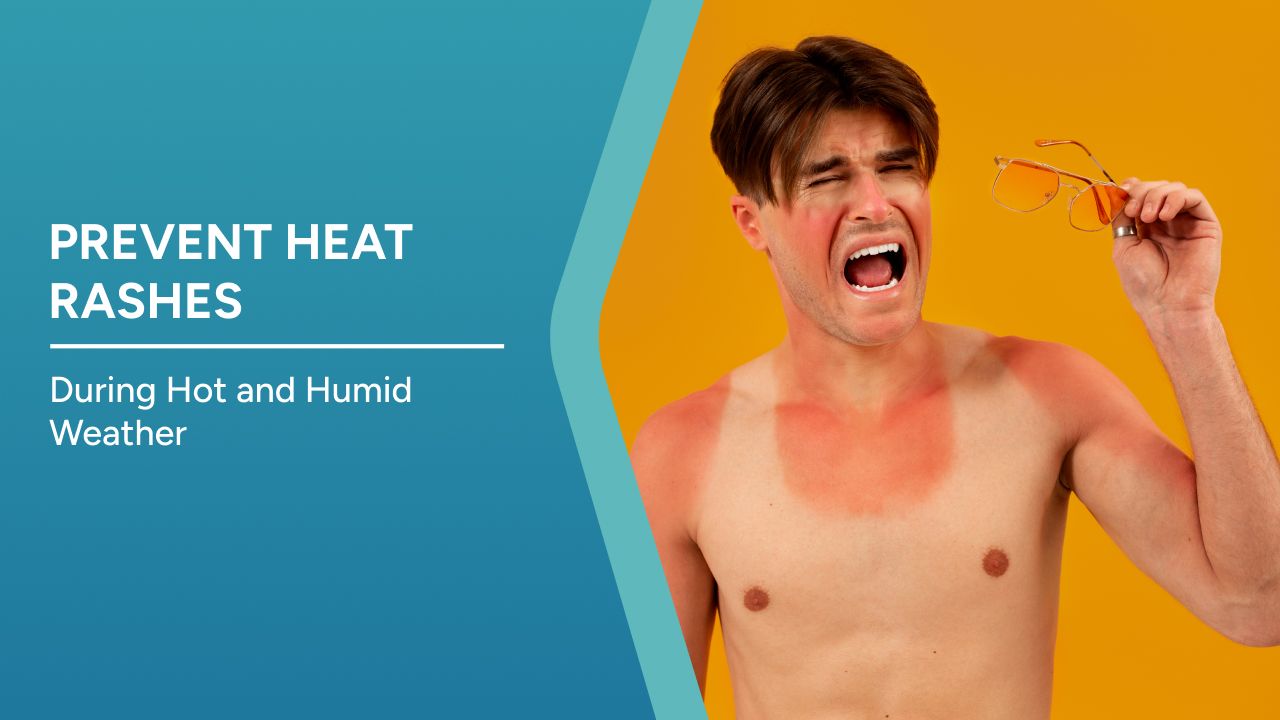
How to Prevent Heat Rashes During Hot and Humid Weather
By Dr. Raina N. Nahar in Dermatology
Aug 03 , 2026 | 7 min read

A hot and humid day can leave your skin feeling sticky, irritated, and uncomfortable. For some people, it may also lead to heat rashes, especially when sweat remains trapped against the skin for long periods. These rashes often appear as small red bumps and can cause itching, prickling, or stinging.
While heat rashes are usually not a serious concern, they can make everyday activities less comfortable. The risk tends to increase during the summer months, particularly in humid conditions or during activities that cause excessive sweating. Fortunately, a few simple habits can help reduce the chances of developing a rash.
Simple preventive measures can go a long way toward reducing the risk of heat rashes and helping your skin stay comfortable in hot, humid weather.
What Are Heat Rashes?
Heat rash, also known as prickly heat, develops when sweat becomes trapped beneath the skin due to blocked sweat ducts. It is more common during hot and humid weather, when increased sweating and slower evaporation can lead to irritation. This often results in small red bumps, itching, or a prickling sensation. Understanding how heat rashes develop can help you identify common triggers and take steps to prevent them.
Common Causes of Heat Rashes
Heat rashes can develop for several reasons, especially during periods of hot and humid weather. While excessive sweating is a major contributor, certain environmental and lifestyle factors can also increase the likelihood of sweat becoming trapped beneath the skin.
Read More about the Sunburn: Causes, Symptoms, and Treatment
Excessive Sweating and Blocked Sweat Ducts
Sweating is the body's natural way of cooling itself. However, when sweat ducts become blocked by dead skin cells, dirt, oils, or prolonged moisture, sweat cannot reach the skin's surface properly. Instead, it becomes trapped beneath the skin, leading to irritation and a heat rash. The more you sweat during activities like exercise or outdoor work, the greater the chance of developing a heat rash.
Hot and Humid Weather Conditions
Heat rashes are more common during the summer months when temperatures and humidity levels are high. Hot weather causes the body to produce more sweat, while humidity slows down its evaporation. This combination allows moisture to remain on the skin longer, creating conditions that make heat rashes more likely. Prolonged exposure to heat can further increase discomfort and irritation.
Tight Clothing and Poor Airflow
The clothes you wear can also affect your risk of developing heat rashes. Tight-fitting garments and fabrics that do not allow proper airflow can trap heat and moisture against the skin. Staying in sweaty clothing for extended periods may further increase irritation and contribute to blocked sweat ducts.
Recognising the Signs of Heat Rashes
Heat rashes often have distinct symptoms that can help you identify the condition early. Prompt recognition can help you take steps to reduce irritation and prevent the rash from worsening.
- Small red bumps or tiny raised spots on the skin, which may sometimes appear as fluid-filled blisters
- Itching, tenderness, or irritation in the affected area
- A prickling, stinging, or tingling sensation, particularly when sweating continues
- Symptoms commonly occur in areas where sweat tends to accumulate, such as the neck, chest, back, underarms, skin folds, and groin area
- Increased discomfort in areas with limited airflow or where clothing causes friction against the skin
Recognising these symptoms early can help you take appropriate measures to keep the skin cool and dry, reducing the likelihood of further irritation.
Learn More about the Ways to Prevent Sunburn
Practical Ways to Prevent Heat Rashes
Preventing heat rashes often comes down to keeping your skin cool, dry, and free from excess moisture. A few simple adjustments to your daily routine can help minimise irritation.
Keep Your Skin Cool and Dry
Excess heat and trapped sweat are among the most common triggers of heat rashes. Spending time in cool environments, drying your skin after sweating, and avoiding prolonged exposure to heat can help lower your risk.
Wear Breathable and Loose-Fitting Clothing
Lightweight fabrics such as cotton allow better airflow and help sweat evaporate more easily. Choosing loose-fitting clothing can also reduce friction and prevent heat and moisture from becoming trapped against the skin.
Stay Hydrated and Avoid Peak Heat
Drinking enough water supports your body's natural cooling process. When possible, schedule outdoor activities during the cooler parts of the day and limit direct sun exposure during peak afternoon hours.
Cool Down and Change Out of Sweaty Clothes
After exercise or spending time outdoors, take a cool shower and change into clean, dry clothing. This helps remove sweat from the skin and reduces the chances of irritation.
Maintain Good Skin Hygiene
Regular bathing and gentle cleansing can remove sweat, dirt, and excess oils that may contribute to blocked sweat ducts. Pay particular attention to areas where sweat tends to accumulate, such as the neck, underarms, and skin folds.
Choosing the Right Clothing in Humid Weather
The clothes you wear can influence how well your skin stays cool and dry during hot and humid weather. Choosing breathable and comfortable fabrics can help reduce sweat buildup and lower the risk of heat rashes.
- Opt for natural fabrics such as cotton and linen, which allow better airflow and help moisture evaporate from the skin
- Consider moisture-wicking fabrics during exercise or outdoor activities, as they help draw sweat away from the skin
- Avoid tight-fitting clothing that can trap heat, restrict airflow, and increase friction against the skin
- Limit the use of heavy synthetic fabrics that may retain heat and moisture, especially during humid weather
Making thoughtful clothing choices can help keep your skin comfortable and minimise irritation during the warmer months.
Skincare Habits That Help Reduce Heat Rash Risk
Along with choosing suitable clothing and staying cool, your skincare routine can also help reduce the risk of heat rash. Keeping your skin clean and free from excess moisture can minimise irritation, particularly during hot and humid weather.
- Use a mild cleanser that can help wash away sweat and impurities without disrupting the skin’s natural defences
- Choose lightweight, non-comedogenic skincare products that are less likely to clog pores or contribute to blocked sweat ducts
- Avoid heavy creams and oily products, as they can trap heat and moisture against the skin
- Pay extra attention to sweat-prone areas such as the neck, underarms, groin, and skin folds, and keep them as clean and dry as possible
A simple and consistent skincare routine can go a long way in keeping your skin comfortable and reducing the likelihood of heat rashes during warmer months.
Know More about the Skin Rashes - Types, Symptoms, Causes & Treatment
When Should You Consult a Doctor?
Although heat rashes usually improve with simple self-care measures, there are times when it is important to seek medical advice. You should consult a doctor if the rash becomes increasingly red, swollen, painful, or starts to produce discharge. Medical attention may also be needed if the rash does not improve after a few days, keeps coming back, or is accompanied by symptoms such as fever or dizziness.
At Nanavati Max Super Speciality Hospital, dermatologists can assess ongoing skin concerns, identify possible causes, and recommend suitable treatment when needed.
Common Habits That Can Make Heat Rashes Worse
Certain habits can aggravate symptoms and slow recovery. Avoiding these common mistakes can help keep your skin comfortable and prevent further irritation.
- Scratching or rubbing the affected area can worsen irritation and damage the skin
- Wearing tight or non-breathable clothing can trap heat and sweat against the skin
- Spending long periods in hot and humid environments may increase discomfort and delay healing
- Using heavy creams or oil-based skincare products can block sweat ducts and trap moisture
Making a few simple adjustments to your daily routine can help reduce discomfort and support faster recovery.
Read More about the Common Types of Skin Disease
Conclusion
Heat rashes can be uncomfortable, especially during periods of high heat and humidity, but a few preventive measures can make a significant difference. Understanding the common triggers, recognising early symptoms, and taking steps to minimise sweat buildup can help protect your skin from irritation. Simple habits such as choosing suitable clothing, maintaining good skin hygiene, and avoiding prolonged exposure to heat can support better skin comfort during warmer months.
While most heat rashes improve with basic self-care, it is important not to ignore symptoms that persist, worsen, or keep returning. Paying attention to your skin's needs and acting early can help you stay comfortable and reduce the likelihood of recurring flare-ups.
Frequently Asked Questions
1. How long does a heat rash typically last?
Most mild heat rashes improve within a few days once the skin is kept cool, dry, and protected from further irritation. Recovery may take longer if you continue to be exposed to heat, humidity, or excessive sweating.
2. Can heat rashes spread from person to person?
No, heat rashes are not contagious and cannot spread through physical contact. They develop as a result of trapped sweat and blocked sweat ducts rather than an infection.
3. Is it possible to prevent every case of heat rash?
It may not always be possible to prevent every heat rash, especially during periods of extreme heat and humidity. However, staying cool, wearing breathable clothing, maintaining good hygiene, and avoiding prolonged heat exposure can significantly reduce your risk.
4. What helps relieve symptoms quickly?
Moving to a cooler environment and keeping the affected area dry can help ease discomfort. Taking a cool shower, wearing loose-fitting clothing, and avoiding further sweating may also support faster recovery.

Written and Verified by:

Related Blogs

Dr. Kalpana Sarangi In Dermatology
Oct 05 , 2026 | 5 min read

Blogs by Doctor

Medi-Facials: What is It & Types? Reason To Go For It?
Dr. Raina N. Nahar In Dermatology
Aug 05 , 2026 | 7 min read
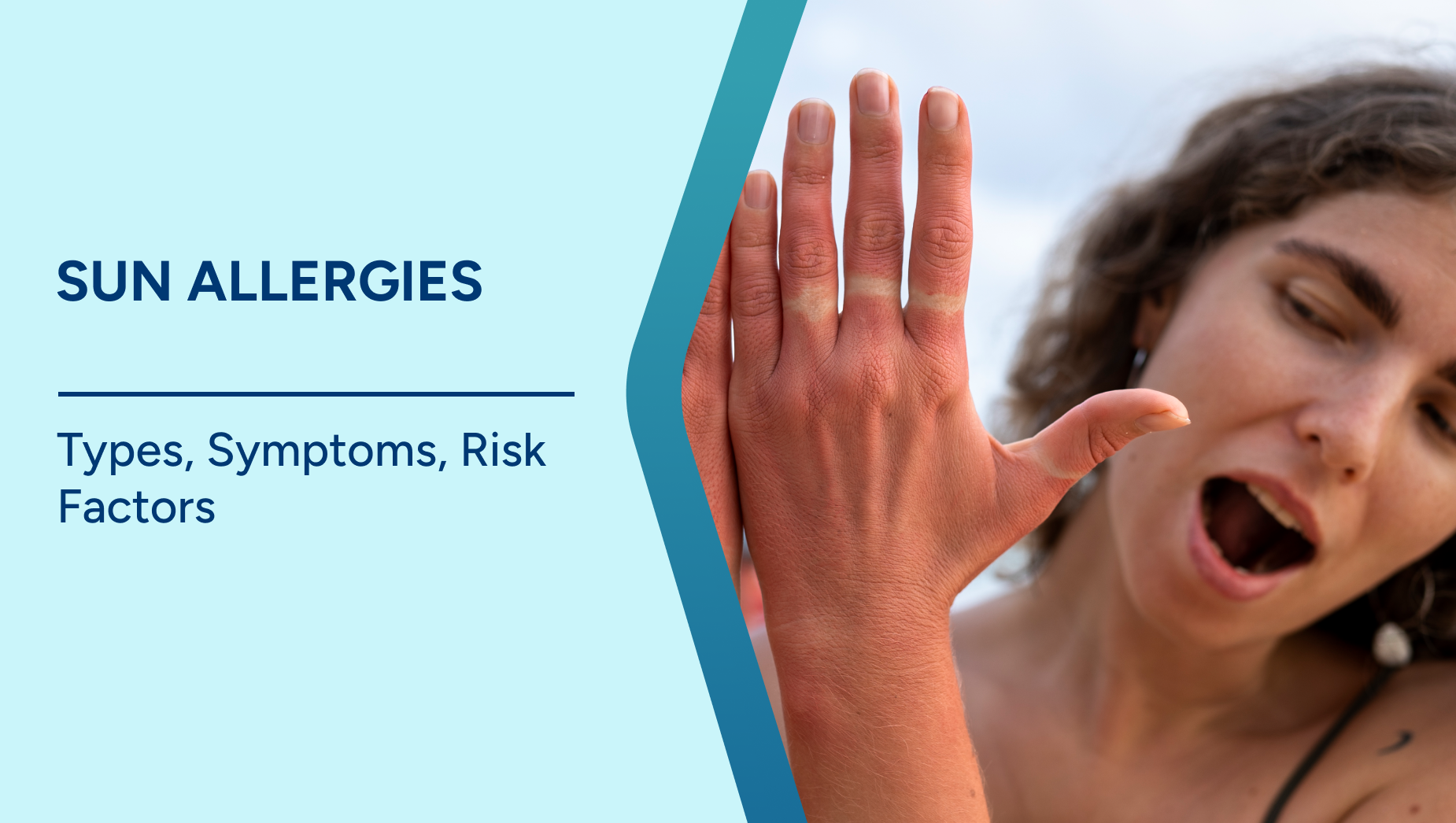
Sun Allergies: Types, Symptoms, Risk Factors, and When to Seek Help
Dr. Raina N. Nahar In Dermatology
Aug 05 , 2026 | 6 min read
Most read Blogs



Related Blogs
Dr. Kalpana Sarangi In Dermatology
Oct 05 , 2026 | 5 min read
Blogs by Doctor
Medi-Facials: What is It & Types? Reason To Go For It?
Dr. Raina N. Nahar In Dermatology
Aug 05 , 2026 | 7 min read
Sun Allergies: Types, Symptoms, Risk Factors, and When to Seek Help
Dr. Raina N. Nahar In Dermatology
Aug 05 , 2026 | 6 min read
Most read Blogs