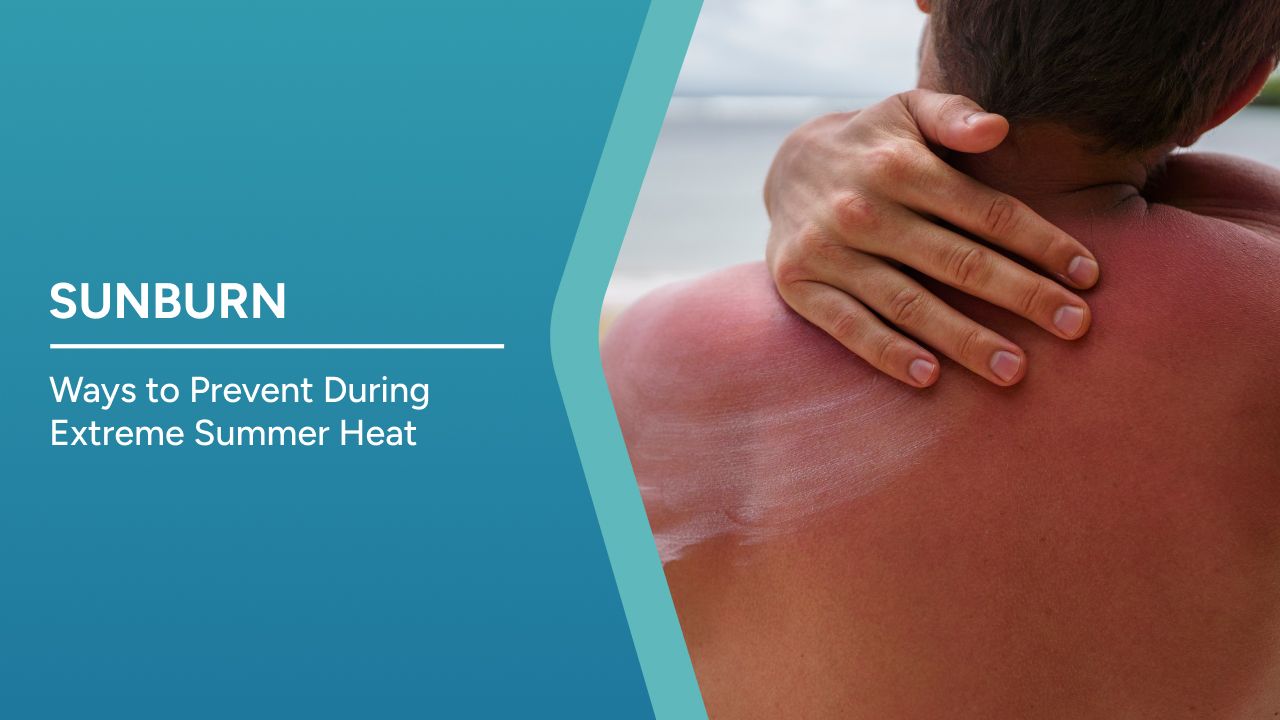
Best Ways to Prevent Sunburn During Extreme Summer Heat
By Dr. Kalpana Sarangi in Dermatology
Aug 04 , 2026 | 7 min read

Whether you are travelling, commuting, exercising outdoors, or simply going about your daily routine, spending time in the sun is often unavoidable in summer. While sunshine can be enjoyable, prolonged exposure to intense heat and ultraviolet (UV) rays can increase the risk of sunburn, particularly during periods of extreme weather. What may begin as mild redness or irritation can sometimes lead to significant discomfort and skin damage.
Protecting your skin becomes increasingly important when temperatures rise and UV levels are high. Repeated exposure to harmful UV rays may contribute to premature skin ageing and other long-term skin concerns. Fortunately, simple precautions such as using sunscreen, wearing protective clothing, and limiting direct sun exposure can help reduce the risk of sunburn. Let’s explore the causes, symptoms, prevention strategies, and steps you can take to protect your skin during the summer months.
What Is Sunburn?
Sunburn is a common condition that results from overexposure to the sun’s ultraviolet (UV) rays. It occurs when the skin absorbs more UV radiation than it can safely handle, leading to damage to skin cells. It often appears as redness or irritation and may also cause discomfort, tenderness, and increased sensitivity in the affected area. The risk of sunburn is higher during summer when UV levels are stronger and outdoor activities are more frequent. Prolonged exposure to direct sunlight without adequate protection increases this risk. Simple preventive measures can help protect the skin and reduce sun-related damage.
What Causes Sunburn?
Several factors can increase your chances of developing sun-related skin damage during the warmer months. Paying attention to these causes can help you take preventive measures before spending time outdoors.
- Excessive exposure to UV rays is the primary cause of sunburn, as it can damage skin cells and trigger inflammation
- Spending long periods outdoors can increase the amount of UV radiation your skin receives, particularly during work, travel, or recreational activities
- Not using sunscreen or protective clothing can leave your skin vulnerable to harmful UV rays, even during relatively short periods of exposure
- Surfaces such as water, sand, and concrete can reflect sunlight onto the skin, increasing overall UV exposure and making sunburn more likely
- UV radiation is generally strongest during the middle of the day, which can significantly increase the risk of sun-related skin damage
Taking simple precautions before heading outdoors can help minimise exposure to harmful UV rays. Consistent sun protection habits can go a long way in reducing the risk of sunburn and supporting overall skin health.
Common Signs and Symptoms of Sunburn
The symptoms of sunburn can vary based on the amount of UV exposure and your skin type. While mild cases often improve within a few days, severe symptoms may require medical attention.
- Redness is often the first noticeable sign of sunburn and occurs as the body's response to skin damage
- The affected area may feel warm, sore, tender, or painful to touch, and some people may also experience a burning sensation
- Inflammation caused by UV damage can sometimes result in mild swelling along with increased skin sensitivity
- As the skin begins to heal, peeling and itching of the skin may occur as damaged skin cells are gradually replaced
Sunburn symptoms can range from mild discomfort to more serious conditions, so early care and protection are important.
Read More about the Skin Rashes - Types, Symptoms, Causes & Treatment
Who Is Most at Risk of Sunburn?
Although sunburn can affect anyone, certain groups may be more vulnerable due to increased UV exposure or greater skin sensitivity.
- People with fair or sensitive skin may be affected quickly, as their skin contains less protective pigment
- Children and teenagers often spend more time outdoors and may not consistently follow sun protection measures
- Individuals who work outdoors may be exposed to UV rays for extended periods throughout the day
- People who regularly participate in outdoor sports and recreational activities may experience repeated sun exposure
- Living in regions with intense sunlight and consistently high temperatures can increase cumulative UV exposure over time
Taking extra precautions can help reduce the risk of sun-related skin damage and support better skin protection during the summer months.
Why Preventing Sunburn Is Important
Protecting your skin from excessive UV exposure is about more than avoiding temporary discomfort. Consistent sun protection can help support both immediate and long-term skin health.
1. Immediate Effects of Sunburn
Sunburn can cause redness, pain, irritation, and sensitivity that may interfere with daily activities and outdoor plans.
2. Premature Skin Ageing
Repeated UV exposure may contribute to early signs of ageing, including fine lines, wrinkles, and changes in skin texture.
3. Increased Risk of Skin Damage
Excessive sunlight can damage skin cells and weaken the skin's natural protective barrier over time.
4. Long-Term Health Concerns Associated With Repeated Sunburn
Repeated episodes of sunburn can contribute to long-term skin damage, premature skin ageing, and may increase the risk of certain forms of skin cancer over time. Consistently protecting your skin can help reduce these risks.
5. Best Ways to Prevent Sunburn During Extreme Summer Heat
Protecting your skin during extreme summer heat does not have to be complicated. A combination of simple daily habits can significantly reduce the risk of sunburn and help keep your skin healthy.
6. Apply Sunscreen Correctly
Choose a broad-spectrum sunscreen with SPF 30 or higher and apply it generously before sun exposure. Reapply every two hours or more frequently after swimming or sweating.
7. Wear Protective Clothing
Covering exposed skin with lightweight long-sleeved clothing, a wide-brimmed hat, and UV-protective sunglasses can help reduce UV exposure during outdoor activities.
8. Avoid Direct Sun Exposure During Peak Hours
Whenever possible, plan outdoor activities during the early morning or evening, as ultraviolet rays are generally strongest between 10 a.m. and 4 p.m. and can increase the risk of sunburn.
9. Seek Shade Whenever Possible
Staying under trees, umbrellas, or covered areas can help reduce direct exposure to harmful sunlight, especially during peak UV hours.
10. Stay Hydrated During Hot Weather
Drinking enough water helps the body cope with hot weather and supports overall wellbeing. However, hydration should be combined with sunscreen, protective clothing, and shade for effective sunburn prevention.
11. Use Additional Sun Protection Measures
Use additional sun protection measures such as umbrellas, sun shelters, and UV-protective accessories like sleeves and UV-resistant fabrics to minimise sun exposure during prolonged outdoor activities.
12. Pay Attention to UV Index Forecasts
Checking daily UV index forecasts can help you plan outdoor activities more safely and take additional precautions when UV levels are particularly high.
Following these simple measures consistently can help protect your skin and significantly reduce the likelihood of sunburn during summer.
Know More about the Allergies: Symptoms, Causes, Treatment & Prevention
Common Mistakes That Increase the Risk of Sunburn
Even when people are aware of sun safety recommendations, certain habits can reduce the effectiveness of their protection efforts. Avoiding these common mistakes can help keep your skin safer.
- Skipping sunscreen on cloudy days, as UV rays can still pass through clouds and damage the skin even when the weather appears overcast
- Applying too little sunscreen, which can reduce the level of protection provided and leave areas of the skin exposed
- Forgetting commonly exposed areas such as the ears, neck, lips, scalp, and tops of the feet during sunscreen application
- Staying outdoors for extended periods, particularly during peak sunlight hours when UV radiation is at its strongest
- Assuming darker skin cannot develop sunburn, despite the fact that UV-related skin damage can affect all skin tones
Making small adjustments to your daily routine can help improve the effectiveness of your sun protection practices and reduce the risk of sunburn.
Read More about the Sun Allergies: Types, Symptoms, Risk Factors & Treatment
What to Do If You Get Sunburned
If you develop sunburn, immediately move indoors and cool the area with a damp compress or cool shower. Apply a gentle, fragrance-free moisturiser containing aloe vera or soy to support healing. Avoid applying petroleum jelly, butter, or heavy oils, as they can trap heat and worsen discomfort. If the skin blisters or flakes, do not pop blisters or peel the skin prematurely, as this can break the skin barrier and increase the risk of secondary bacterial infection. Drink plenty of fluids to reduce the risk of dehydration.
While mild cases resolve with home care, seek urgent medical attention for severe pain, extensive blistering, or warning signs like high fever, chills, dizziness, and confusion. In extreme heat, these symptoms can also indicate a serious heat-related illness.
At Nanavati Max Super Speciality Hospital, specialists can promptly evaluate severe burns and systemic heat-related illnesses to provide appropriate clinical treatment.
Conclusion
Sunburn is a common yet preventable condition that can occur during extreme summer heat and prolonged exposure to ultraviolet (UV) rays. Although symptoms may start as mild redness or irritation, repeated sun damage can affect skin health over time. Protecting your skin by using sunscreen, wearing protective clothing, seeking shade, staying hydrated, and avoiding peak sunlight hours can significantly reduce the risk. If sunburn is severe, causes blistering, or does not improve, seeking medical advice is important for appropriate care and recovery.
Read More about the Role of Dermatologists
Frequently Asked Questions
1. How long does a sunburn last?
Mild sunburn usually improves within three to five days, although peeling and mild irritation may continue for a few more days. More severe cases may take longer to heal.
2. Can sunburn occur on cloudy days?
Yes, UV rays can pass through clouds and still damage the skin, which is why sun protection remains important even on overcast days.
3. What SPF is best for preventing sunburn?
A broad-spectrum sunscreen with SPF 30 or higher is generally recommended for daily use. Individuals who spend extended periods outdoors may benefit from higher SPF protection.
4. Can sunburn cause permanent skin damage?
Repeated or severe episodes of sunburn may contribute to long-term skin damage, premature skin ageing, and an increased risk of skin cancer.

Written and Verified by:

Related Blogs

Dr. Kalpana Sarangi In Dermatology
Oct 05 , 2026 | 5 min read

Blogs by Doctor
Sunburn: Causes, Symptoms, Treatment, and Prevention
Dr. Kalpana Sarangi In Dermatology
Oct 05 , 2026 | 5 min read

Skin Diseases: Know About The Common Types
Dr. Kalpana Sarangi In Dermatology
Aug 05 , 2026 | 3 min read

Adult Acne - Causes, Types, Prevention and Foods to Avoid
Dr. Kalpana Sarangi In Dermatology
Aug 05 , 2026 | 4 min read
Most read Blogs



Related Blogs
Dr. Kalpana Sarangi In Dermatology
Oct 05 , 2026 | 5 min read
Blogs by Doctor
Sunburn: Causes, Symptoms, Treatment, and Prevention
Dr. Kalpana Sarangi In Dermatology
Oct 05 , 2026 | 5 min read
Skin Diseases: Know About The Common Types
Dr. Kalpana Sarangi In Dermatology
Aug 05 , 2026 | 3 min read
Adult Acne - Causes, Types, Prevention and Foods to Avoid
Dr. Kalpana Sarangi In Dermatology
Aug 05 , 2026 | 4 min read
Most read Blogs