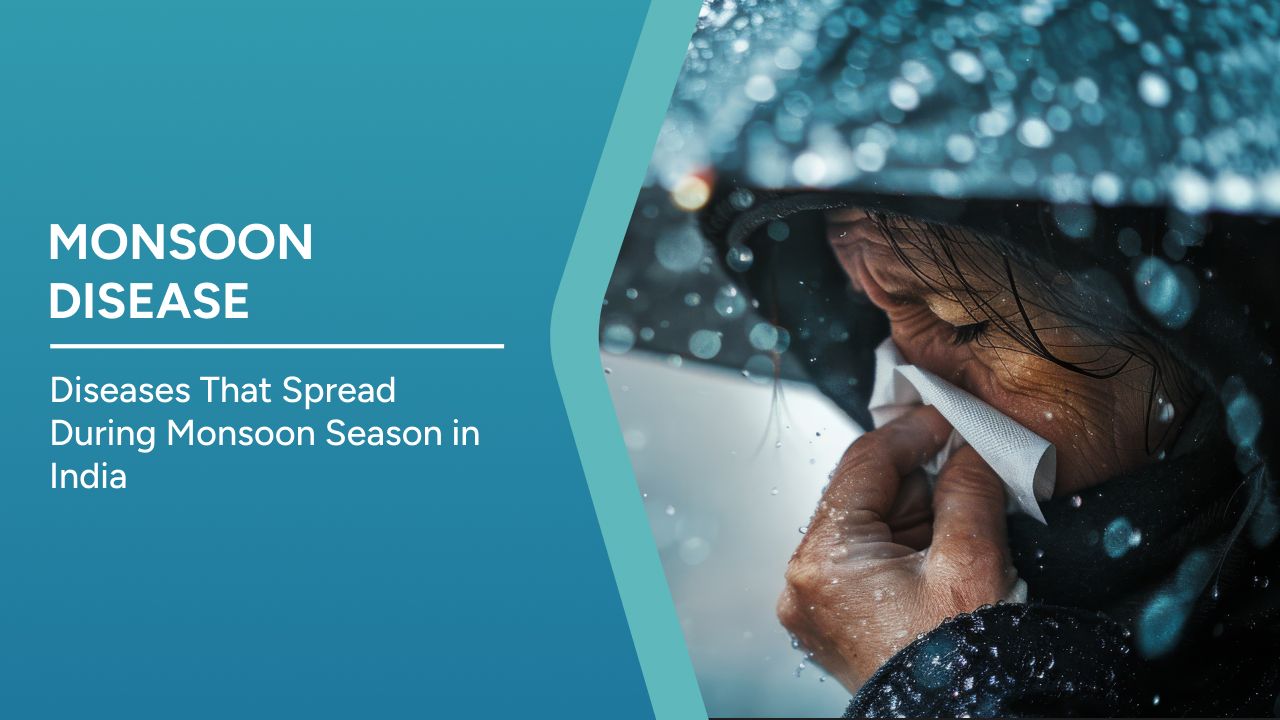
Top 10 Diseases That Spread During Monsoon Season in India
By Dr Anuj S Tiwari in Internal Medicine
Oct 21 , 2026

The arrival of the monsoon brings a welcome change in weather, but it also creates conditions that can increase the risk of several seasonal illnesses. While many health concerns during this time may begin with mild symptoms, some can progress quickly if they are not recognised and treated early.
Being aware of the monsoon diseases that may occur during the rainy season and understanding their warning signs can help you make informed decisions about your health. Early diagnosis, timely treatment, and simple preventive measures often play an important role in reducing the risk of complications.
What are Monsoon Diseases?
Monsoon diseases are illnesses that become more common during the rainy season due to environmental conditions such as stagnant water, increased humidity, and contaminated food or water. These illnesses may be caused by bacteria, viruses, fungi, or parasites. Some infections spread through mosquito bites, while others spread through unsafe drinking water, contaminated food, or close contact with infected individuals.
How Do Monsoon Diseases Spread?
Understanding how infections spread during the rainy season can help you take preventive measures. Monsoon diseases can spread through different sources, including:
- Contaminated water due to flooding, poor sanitation, and unsafe drinking sources.
- Mosquito bites, especially from mosquitoes breeding in stagnant water.
- Respiratory droplets are released through coughs and sneezes from infected individuals.
- Contaminated food caused by improper cooking, storage, or unhygienic handling.
Following simple hygiene practices and avoiding exposure to contaminated sources can help reduce the risk of infections during the monsoon season. At Nanavati Max Super Speciality Hospital, you get proper treatment and a care plan regarding monsoon diseases if you get infected with one. But before that, you need to be aware of the illnesses that can cause trouble.
Top 10 Monsoon Diseases in India
The monsoon season can increase the spread of several infections due to higher humidity, stagnant water, and contaminated food or water sources. Common illnesses during this period include mosquito-borne diseases, water-borne infections and other seasonal conditions that require timely prevention and care.
1. Dengue Fever
Dengue is a viral infection spread by the bite of an infected Aedes mosquito. Cases usually increase during and after the rainy season because stagnant water provides ideal breeding conditions.
Common symptoms include:
- High fever
- Severe headache
- Pain behind the eyes
- Muscle and joint pain
- Skin rash
- Nausea and vomiting
Most people recover with supportive care, including adequate fluids and rest. However, severe dengue can cause bleeding and requires immediate medical attention.
2. Malaria
Malaria is caused by parasites transmitted through the bite of an infected Anopheles mosquito. It remains a significant health concern during the monsoon, particularly in areas with poor drainage.
Symptoms may include:
Doctors diagnose malaria through blood tests. Early treatment with antimalarial medicines helps prevent serious complications.
3. Chikungunya
Chikungunya is another mosquito-borne viral infection that becomes more common during the rainy season. Although it is rarely life-threatening, it can cause prolonged joint pain.
Common symptoms include:
- Sudden high fever
- Severe joint pain
- Muscle pain
- Headache
- Fatigue
- Skin rash
Treatment mainly focuses on relieving symptoms with rest, hydration, and medicines prescribed by a doctor.
4. Typhoid
Typhoid is a bacterial infection caused by Salmonella Typhi. It usually spreads through contaminated food or drinking water.
Symptoms include:
- Persistent fever
- Abdominal pain
- Weakness
- Loss of appetite
- Constipation or diarrhoea
Doctors usually confirm the diagnosis through blood tests. Prompt antibiotic treatment helps reduce the risk of complications.
5. Cholera
Cholera is an acute bacterial infection that spreads through contaminated food and water. Heavy rainfall and poor sanitation increase the risk of outbreaks.
Common symptoms include:
- Profuse watery diarrhoea
- Vomiting
- Muscle cramps
- Rapid dehydration
- Weakness
Severe dehydration can become life-threatening if left untreated. Oral rehydration solutions, intravenous fluids, and antibiotics may be recommended depending on the severity of the infection.
6. Viral Fever
Viral fever is one of the most frequently reported illnesses during the rainy season. It is caused by different viruses and spreads through respiratory droplets, close contact, or contaminated surfaces.
Common symptoms include:
- Fever
- Body aches
- Headache
- Sore throat
- Fatigue
- Runny or blocked nose
Most cases improve with adequate rest, hydration, and medicines recommended by a doctor. However, persistent or worsening symptoms should always be evaluated, as they may indicate another infection.
7. Leptospirosis
Leptospirosis is a bacterial infection that spreads through water or soil contaminated with the urine of infected animals. The risk increases after heavy rainfall and flooding, especially when people walk through contaminated water with cuts or wounds on their skin.
Symptoms may include:
- High fever
- Muscle pain, particularly in the calves
- Headache
- Red eyes
- Vomiting
- Chills
Early diagnosis and antibiotic treatment can lower the risk of serious complications affecting the liver, kidneys, or lungs.
8. Hepatitis A and E
Hepatitis A and Hepatitis E are viral infections that affect the liver. They usually spread through contaminated food or drinking water and become more common during the monsoon due to poor sanitation.
Common symptoms include:
- Fever
- Loss of appetite
- Nausea and vomiting
- Abdominal discomfort
- Dark-coloured urine
- Yellowing of the skin and eyes (jaundice)
Most people recover with supportive care, including rest, hydration, and a balanced diet. Good hygiene and safe drinking water remain the most effective preventive measures.
9. Gastroenteritis
Gastroenteritis is an infection of the stomach and intestines caused by viruses, bacteria, or parasites. Consuming contaminated food or water is one of the most common causes during the rainy season.
Symptoms include:
- Diarrhoea
- Vomiting
- Stomach cramps
- Fever
- Dehydration
Treatment depends on the underlying cause. Oral rehydration solutions, adequate fluid intake, and medical evaluation are important, especially for children and older adults.
10. Fungal Infections
Warm and humid weather creates favourable conditions for fungal growth. Damp clothing, wet footwear, and excessive sweating increase the risk of skin infections during the monsoon.
Common signs include:
- Itching
- Redness
- Circular rashes
- Peeling skin
- Skin irritation
Keeping the skin clean and dry, changing wet clothes promptly, and seeking treatment when symptoms persist can help prevent complications.
Warning Signs That Require Medical Attention
While many monsoon diseases may improve with proper care and rest, certain symptoms can indicate a more serious condition. Seeking timely medical advice when these warning signs appear can help prevent complications.
Consult a doctor immediately if you experience:
- High fever that persists
- Difficulty breathing
- Severe dehydration
- Persistent vomiting
- Confusion or excessive drowsiness
- Bleeding from the gums or nose
- Yellowing of the skin or eyes
Early medical evaluation can help identify the underlying cause of these symptoms and ensure appropriate treatment before the condition worsens.
Recommended Read: Monsoon Health Tips
Prevention of Monsoon Diseases
Simple preventive measures can help lower the risk of infections during the rainy season. Maintaining hygiene, consuming safe food and water, and protecting against mosquito bites can support better health during the monsoon.
- Wash your hands regularly, keep your surroundings clean, and avoid contact with contaminated water.
- Drink boiled or filtered water and store it in clean, covered containers to prevent water-borne infections.
- Remove stagnant water around your home, use mosquito repellents, and wear protective clothing to reduce mosquito bites.
- Eat freshly prepared food, wash fruits and vegetables properly, and avoid food from unhygienic sources.
- Maintain a balanced diet, stay hydrated, get adequate sleep, and remain physically active to support overall immunity.
Following these preventive steps can help lower the risk of monsoon infections. However, persistent or worsening symptoms should be evaluated by a healthcare professional for timely treatment.
Treatment Options for Monsoon Diseases
Doctors may recommend blood tests, urine tests, or imaging studies to identify the underlying cause. Treatment may include:
- Oral Rehydration Therapy
- Antibiotics for bacterial infections
- Antimalarial medicines
- Antiviral or supportive care where appropriate
- Medicines to reduce fever and relieve symptoms
Avoid self-medicating with antibiotics, as they are ineffective against viral infections and should only be used when prescribed.
Read More about the Monsoon and Viral Infection: Causes, Symptoms & Prevention
When Should You Consult a Doctor?
Seek medical advice if symptoms persist for more than two days, worsen despite home care, or are accompanied by severe weakness, breathing difficulty, persistent vomiting, or bleeding. Early medical evaluation can help identify the underlying cause and reduce the risk of complications.
During the monsoon season, people in Mumbai may be more vulnerable to seasonal infections due to heavy rainfall, waterlogging, and increased mosquito breeding. At Nanavati Max Super Speciality Hospital, experienced specialists use appropriate diagnostic tests to identify the cause of the illness and recommend personalised treatment based on each patient's condition.
Conclusion
The monsoon season creates favourable conditions for the spread of several infections due to increased humidity, water contamination, mosquito breeding, and reduced sanitation in some areas. From dengue and malaria to typhoid, gastroenteritis and fungal infections, these illnesses can affect health in different ways and may require timely attention.
Following preventive measures such as maintaining personal hygiene, drinking safe water, practising food safety and protecting against mosquito bites can help lower the risk of infection. Recognising warning signs early and seeking medical advice when symptoms persist can support timely diagnosis, appropriate treatment and better recovery.
Frequently Asked Questions
1. Which Monsoon Disease Is Most Dangerous In India?
The severity of a monsoon disease depends on factors such as the infection type, a person’s health condition, and how quickly treatment is started. Diseases such as severe dengue, malaria, and leptospirosis can become serious if not diagnosed and managed on time.
2. How Can Monsoon Diseases Be Prevented Naturally?
Monsoon diseases can be reduced by following healthy practices such as maintaining hygiene, drinking safe water, eating properly cooked food, and preventing mosquito breeding. Keeping surroundings clean and avoiding exposure to contaminated water can also lower infection risks.
3. Are Monsoon Diseases Contagious?
Some monsoon diseases can spread from person to person through respiratory droplets, close contact, or contaminated food and water. Others, such as dengue and malaria, spread through mosquito bites and are not directly contagious.
4. When Do Monsoon Diseases Peak In India?
Monsoon diseases often increase during and after periods of heavy rainfall when humidity rises, waterlogging occurs, and mosquito breeding increases. The exact timing may vary across regions depending on rainfall patterns and local environmental conditions.

Written and Verified by:

Related Blogs

Dr. Hemalata Arora In Internal Medicine
Oct 21 , 2026 | 4 min read

Medical Expert Team
Oct 06 , 2026 | 8 min read

Medical Expert Team
Oct 06 , 2026 | 9 min read
Most read Blogs



Related Blogs
Dr. Hemalata Arora In Internal Medicine
Oct 21 , 2026 | 4 min read
Medical Expert Team
Oct 06 , 2026 | 8 min read
Medical Expert Team
Oct 06 , 2026 | 9 min read
Most read Blogs