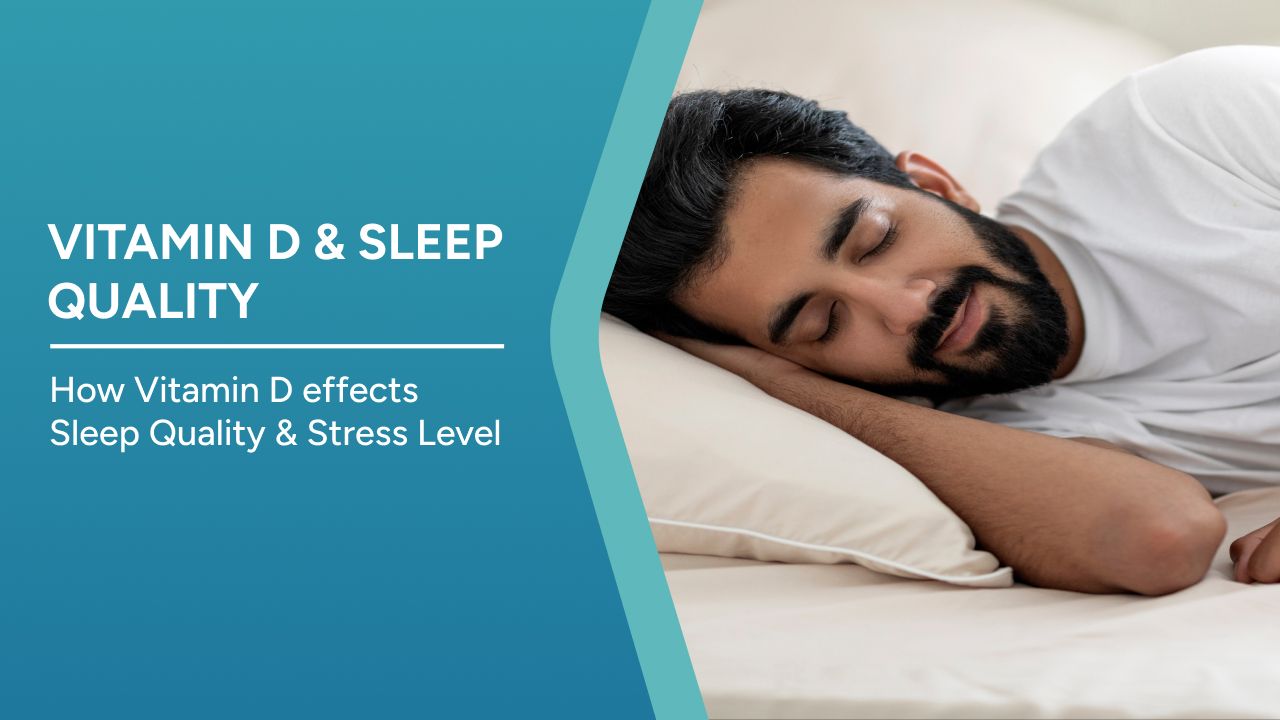
Does Vitamin D Influence Sleep Quality And Stress Levels?
By Dr. Nitin Rathod in Internal Medicine
Oct 28 , 2026

Vitamin D is best known for its role in bone health, but it may also be linked to sleep quality and emotional well-being. Low vitamin D levels can occur for several reasons, including limited outdoor activity, diet, and certain health conditions.
While vitamin D deficiency is not the only possible cause of poor sleep or ongoing stress, maintaining healthy levels is an important part of overall health. Understanding the connection between vitamin D, sleep, and stress can help you take a more balanced approach to managing these concerns.
What Is Vitamin D?
Vitamin D is a fat-soluble vitamin that helps the body absorb calcium and maintain healthy bones, muscles, and immune function. Your body produces it when the skin is exposed to sunlight, and smaller amounts are obtained through certain foods and supplements.
Vitamin D deficiency is common, particularly among people who spend little time outdoors, regularly use sun protection, have darker skin, or have conditions that affect vitamin D absorption. Although vitamin D is widely recognised for its role in maintaining bone health, it may also contribute to other aspects of health, including sleep, mood, and cognitive function.
Can Vitamin D Affect Sleep Quality?
Sleep is regulated by several hormones, brain chemicals, and biological processes that work together to maintain a healthy sleep-wake cycle. Vitamin D may also play a role in these processes, and low vitamin D levels may be associated with changes in sleep quality and patterns.
Low vitamin D levels may be associated with sleep-related symptoms such as:
- Difficulty falling asleep.
- Frequent waking during the night.
- Poor overall sleep quality.
- Feeling tired despite adequate sleep.
Vitamin D deficiency does not necessarily mean that sleep problems will occur. Sleep quality can be affected by several factors, including stress, anxiety, medical conditions, medications, irregular sleep schedules, and lifestyle habits. Therefore, persistent sleep problems should be assessed in the context of a person's overall health and daily routine.
For people who are deficient in vitamin D, correcting the deficiency may contribute to better sleep as part of an overall treatment plan. However, vitamin D supplements should not be viewed as a replacement for identifying and managing other causes of disturbed sleep.
Can Vitamin D Influence Stress Levels?
Stress is a natural response to challenging situations, but prolonged stress can affect both physical and emotional health. Vitamin D may have a role in supporting mood and emotional wellbeing, as vitamin D receptors are present in several areas of the brain involved in these functions.
Low vitamin D levels may be associated with symptoms such as low mood, tiredness, or increased stress. However, this relationship can be influenced by several factors. Stress itself may affect lifestyle habits, including sleep, physical activity, and time spent outdoors, which can also influence vitamin D levels.
Who Is More Likely To Have Vitamin D Deficiency?
Vitamin D deficiency can affect people of all ages, but some groups are at greater risk than others.
You may be more likely to develop low vitamin D levels if you:
- Spend very little time outdoors.
- Regularly cover your skin or use high-SPF sunscreen whenever outdoors.
- Darker skin produces vitamin D less efficiently from sunlight.
- Are older, as the skin becomes less efficient at producing vitamin D with age.
- Have obesity or certain digestive disorders that reduce vitamin D absorption.
- Eat a diet naturally low in vitamin D-rich foods.
Having one or more of these risk factors does not necessarily mean you have a deficiency, but it may increase the likelihood.
How Can You Maintain Healthy Vitamin D Levels?
Maintaining healthy levels usually requires a combination of sensible sunlight exposure, a balanced diet, and supplements when recommended by your doctor. Some of the ways to support healthy Vitamin D levels are:
- Spend short periods outdoors in daylight when appropriate for your skin type and local weather conditions.
- Include foods naturally rich in vitamin D, such as oily fish, egg yolks, and fortified dairy products or cereals.
- Stay physically active, as regular movement supports overall health and wellbeing.
- Follow your doctor's advice if vitamin D supplements have been recommended.
At Nanavati Max Super Speciality Hospital, doctors evaluate vitamin D levels alongside your symptoms, medical history, lifestyle, and overall health before recommending treatment. This helps ensure that supplementation is appropriate and that other possible causes of poor sleep or persistent fatigue are not overlooked.
Can A Blood Test Confirm Vitamin D Deficiency?
Yes, it can. A simple blood test that measures 25-hydroxyvitamin D [25(OH)D] is commonly used to assess your vitamin D status. Your doctor may recommend testing if you have persistent fatigue, bone pain, muscle weakness, risk factors for vitamin D deficiency, or other symptoms suggesting low vitamin D levels. The results are interpreted alongside your symptoms and medical history rather than in isolation. A normal test result does not rule out other causes of poor sleep or stress, which is why a comprehensive medical assessment remains important.
What Happens Next If You Think You Have Vitamin D Deficiency?
Poor sleep and ongoing stress can have many different causes, including lifestyle factors, medical conditions, hormonal changes, and nutritional deficiencies. If these symptoms persist despite healthy sleep habits and stress management, it may be worth discussing them with your doctor.
|
If You Notice |
The Next Step May Be |
|
Persistent tiredness despite adequate sleep |
Your doctor may review your lifestyle, sleep habits and recommend appropriate investigations, including vitamin D testing if indicated. |
|
Muscle weakness or bone pain along with fatigue |
Further assessment may help determine whether vitamin D deficiency or another medical condition is contributing to your symptoms. |
|
Ongoing sleep problems |
A detailed evaluation can help identify factors such as sleep disorders, stress, medications, or underlying health conditions. |
|
Persistent low mood or overwhelming stress |
Your doctor may recommend a broader assessment rather than focusing on vitamin D levels alone. |
Vitamin D deficiency is treatable, but improving your levels is only one part of managing symptoms such as fatigue, poor sleep, or low mood. Identifying the underlying cause remains the most important step towards effective treatment.
Conclusion
Vitamin D plays an important role in overall health and may influence sleep quality and emotional wellbeing, particularly in people with a deficiency. However, it should not be viewed as a cure for insomnia or chronic stress. If you continue to experience poor sleep, persistent fatigue, or mood changes, a comprehensive medical evaluation can help identify the contributing factors. At Nanavati Max Super Speciality Hospital, doctors assess these symptoms holistically, considering nutritional status, lifestyle, medical history, and other health conditions before recommending treatment.
Frequently Asked Questions
1. Can Vitamin D Improve Sleep?
Yes, correcting vitamin D deficiency may improve sleep quality in some people. However, supplements may not resolve sleep problems caused by stress, sleep disorders, medicines, or other health conditions.
2. Can Stress Cause Vitamin D Deficiency?
No, stress does not directly cause vitamin D deficiency. However, prolonged stress may affect diet, physical activity, and outdoor exposure, which can influence vitamin D levels.
3. Can I Take Vitamin D Supplements Without A Blood Test?
Yes, low-dose supplements may be suitable for some people without prior testing. However, medical advice and a blood test may be needed if symptoms persist, deficiency risk is high, or stronger doses are required.
4. How Long Does It Take To Correct Vitamin D Deficiency?
The time required depends on your initial vitamin D level, prescribed dose, and treatment consistency. Your doctor may recommend a repeat blood test after several weeks or months to assess your response.
Disclaimer
This article is intended for educational purposes only and should not replace professional medical advice, diagnosis, or treatment. Do not start or stop vitamin D supplements without consulting a qualified healthcare professional, particularly if you have ongoing symptoms or existing medical conditions.

Written and Verified by:

Related Blogs

Dr. Girish Parmar In Internal Medicine
Oct 27 , 2026 | 9 min read

Medical Expert Team
Oct 26 , 2026 | 6 min read
Dr. Hemalata Arora In Internal Medicine
Oct 23 , 2026 | 6 min read
Blogs by Doctor
Dolo 650 Tablet: Side Effects, Precautions, and Safe Usage Guide
Dr. Nitin Rathod In Internal Medicine
Aug 12 , 2026 | 6 min read

Why Does Summer Increase the Risk of Infections and Dehydration?
Dr. Nitin Rathod In Internal Medicine
Aug 05 , 2026 | 8 min read
Widal Test Explained: When It Is Useful and When It Can Mislead
Dr. Nitin Rathod In Internal Medicine
Aug 05 , 2026 | 6 min read
Most read Blogs



Related Blogs
Dr. Girish Parmar In Internal Medicine
Oct 27 , 2026 | 9 min read
Medical Expert Team
Oct 26 , 2026 | 6 min read
Dr. Hemalata Arora In Internal Medicine
Oct 23 , 2026 | 6 min read
Blogs by Doctor
Dolo 650 Tablet: Side Effects, Precautions, and Safe Usage Guide
Dr. Nitin Rathod In Internal Medicine
Aug 12 , 2026 | 6 min read
Why Does Summer Increase the Risk of Infections and Dehydration?
Dr. Nitin Rathod In Internal Medicine
Aug 05 , 2026 | 8 min read
Widal Test Explained: When It Is Useful and When It Can Mislead
Dr. Nitin Rathod In Internal Medicine
Aug 05 , 2026 | 6 min read
Most read Blogs