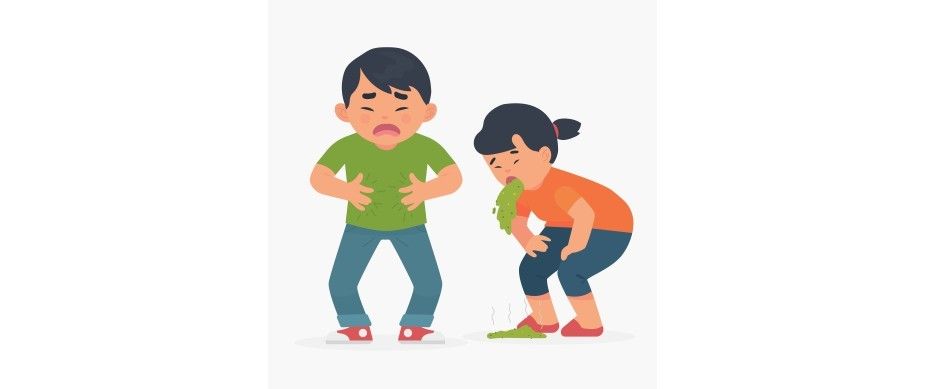
Cholera in Children: Symptoms Parents Should Never Ignore
By Dr. Harshad Limaye in Internal Medicine
Oct 06 , 2026 | 4 min read

Cholera remains one of the most dangerous waterborne infections, especially for children. It can lead to sudden fluid loss and severe dehydration within a few hours, turning a mild infection into a serious medical emergency if not treated promptly. Often, the early signs resemble a common stomach infection, which can delay the timely care needed. Understanding how cholera develops, recognising its symptoms early, and maintaining proper hygiene and hydration can make a life-saving difference for children, particularly in areas where sanitation and clean water are limited.
What is Cholera?
Cholera is an infection caused by the bacterium Vibrio cholerae, which is transmitted through contaminated food or water, resulting in severe diarrhoea and dehydration. While adults can be affected, children are particularly vulnerable as their smaller bodies lose water and salts more quickly. Early detection of symptoms is crucial to prevent life-threatening complications.
How Cholera Spreads
The infection spreads when someone consumes water or food contaminated with faeces from an infected person. Poor sanitation, floods, unwashed fruits, street food, and the use of shared utensils all increase the risk. Children playing in such environments are especially susceptible.
Why Cholera Affects Children More Severely
Children have smaller fluid reserves, so they tend to dehydrate more quickly than adults. They may also struggle to communicate their symptoms, making early detection more difficult. Delays in recognising signs can quickly worsen the condition.
Read More about Bronchiolitis in Children: Symptoms, Causes, and Risks
Understanding Cholera Symptoms in Children
Early Signs
Initial symptoms may include fatigue, loss of appetite, stomach pain, or mild diarrhoea. While these can resemble a common stomach bug, watery and frequent stools are a warning sign of cholera.
Severe Symptoms Parents Should Watch For
Signs of dehydration include dry lips, sunken eyes, minimal urination, unusual sleepiness, or weakness. Vomiting alongside diarrhoea accelerates fluid loss, making prompt medical attention essential.
How Symptoms Progress if Left Untreated
Without timely intervention, moderate symptoms can escalate to severe dehydration, lethargy, shock, and organ failure. Cholera progresses rapidly in children, emphasising the need for immediate care.
Common Cholera Symptoms in Children
- Diarrhoea – The Primary Symptom: Often thin, watery, and frequent, sometimes described as “rice-water” stool. This indicates a rapid loss of water and salts.
- Vomiting and Dehydration: Repeated vomiting contributes to fluid loss, making home rehydration challenging.
- Signs of Severe Dehydration: Dry mouth, sunken eyes, lack of tears, lethargy, dizziness, abdominal pain, and cramps are key indicators.
Complications if Left Untreated
- Severe Dehydration and Shock: It can prevent the body from circulating blood, affecting heart function, and potentially causing unconsciousness.
- Electrolyte Imbalance: Loss of sodium, potassium, and chloride can cause seizures, irregular heartbeat, or muscle spasms.
- Organ Failure: Kidneys may stop functioning, and swelling or reduced urination may occur.
Delayed treatment significantly increases the risk of death, highlighting the importance of early recognition and rehydration.
Know More about Paediatrician vs Pediatric Surgeon: Roles & When to Visit
When to Seek Immediate Medical Help
- Diarrhoea more than three times an hour
- Inability to retain fluids due to vomiting
- Extreme tiredness or confusion
Early intervention improves recovery. While ORS at home helps, IV fluids in a hospital are often necessary for severe cases.
Prevention of Cholera in Children
- Clean Water and Sanitation: Always boil or filter drinking water and store it in clean containers.
- Hand Hygiene: Wash hands with soap after using the toilet and before eating.
- Vaccination: The oral cholera vaccine adds protection in high-risk areas.
- Safe Food Practices: Serve fresh, hot, well-cooked food. Avoid street food and wash or peel fruits thoroughly to prevent contamination.
Treatment Options
- Rehydration Therapy: ORS is the first line of treatment. IV fluids are used in severe cases.
- Antibiotics: Prescribed for serious cases to shorten illness duration under medical supervision.
- Hospital Care: Continuous monitoring of fluids and vital signs ensures safety and rapid recovery.
Conclusion
Cholera can progress quickly in children, but early recognition and prompt treatment can save lives. Parents should watch for signs of watery diarrhoea, vomiting, dehydration, lethargy, and sunken eyes. Preventive measures, clean water, hygiene, and vaccination play a critical role. At Nanavati Max Super Speciality Hospital, timely care and monitoring ensure children receive the treatment they need for a full recovery.
Learn More about Maintaining your child’s fluid balance during winter
Frequently Asked Questions
1. Can cholera spread from one child to another?
Yes, cholera can spread if proper hygiene is not followed. Sharing food, water, or utensils contaminated with the bacteria can pass the infection between children.
2. How long does it take for cholera symptoms to appear after infection?
Symptoms usually develop within a few hours to five days after consuming contaminated food or water.
3. Can a child fully recover from cholera?
Yes, with prompt treatment and proper hydration, children usually recover completely without long-term effects.
4. Can cholera return after recovery?
Re-infection is possible if the child is exposed again to contaminated food or water. Immunity after infection is temporary.
5. How does vaccination protect children from cholera?
The oral cholera vaccine reduces the risk of infection in high-risk areas. However, it works best when combined with access to safe water, sanitation, and good hygiene practices.
6. What should parents keep at home in case of sudden cholera symptoms?
It is advisable to keep ORS sachets, clean drinking water, and zinc supplements at home, especially in areas prone to outbreaks.
7. Can cholera be confused with other stomach infections?
Yes, early symptoms can look like gastroenteritis or food poisoning. Only a doctor can confirm the diagnosis through tests.
8. Are children with weak immunity at higher risk?
Yes, children with poor nutrition or a weakened immune system are more vulnerable to experiencing severe symptoms and complications.
9. How can schools and communities help prevent cholera outbreaks?
By ensuring safe drinking water, clean toilets, handwashing facilities, and hygiene awareness programmes for children and families.

Written and Verified by:

Related Blogs
Dr. Hemalata Arora In Internal Medicine
Oct 21 , 2026 | 4 min read
Blogs by Doctor
Chickenpox Home Care Tips: How to Relieve Itching and Fever Safely
Dr. Harshad Limaye In Internal Medicine
Oct 06 , 2026 | 4 min read
Chicken Pox Symptoms and Causes: What You Need to Know
Dr. Harshad Limaye In Internal Medicine
Oct 06 , 2026 | 6 min read
When Is a Fever Dangerous? Understanding High-Grade Pyrexia
Dr. Harshad Limaye In Internal Medicine
Sep 17 , 2026 | 8 min read
Most read Blogs



Related Blogs
Dr. Hemalata Arora In Internal Medicine
Oct 21 , 2026 | 4 min read
Blogs by Doctor
Chickenpox Home Care Tips: How to Relieve Itching and Fever Safely
Dr. Harshad Limaye In Internal Medicine
Oct 06 , 2026 | 4 min read
Chicken Pox Symptoms and Causes: What You Need to Know
Dr. Harshad Limaye In Internal Medicine
Oct 06 , 2026 | 6 min read
When Is a Fever Dangerous? Understanding High-Grade Pyrexia
Dr. Harshad Limaye In Internal Medicine
Sep 17 , 2026 | 8 min read
Most read Blogs