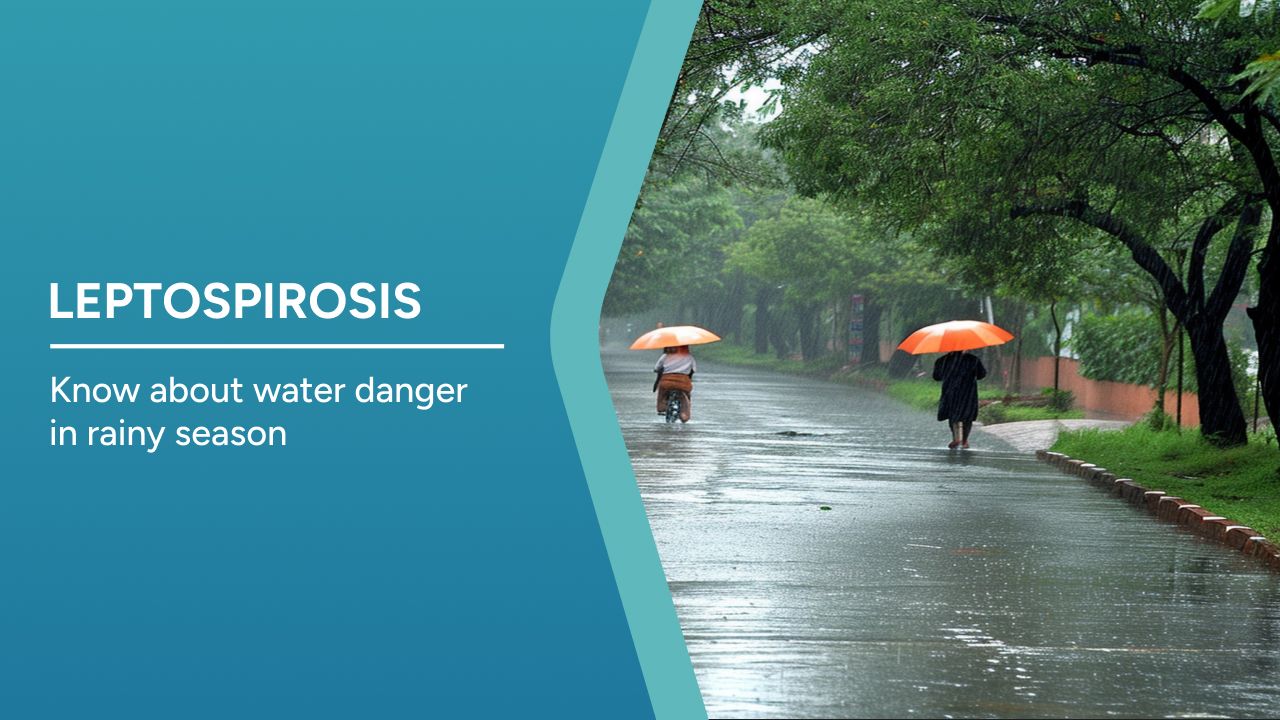
Leptospirosis in Rainy Season: Hidden Water Danger Explained
By Dr Anuj S Tiwari in Internal Medicine
Oct 22 , 2026

Exposure to floodwater can sometimes lead to symptoms such as fever, severe body aches, and headache. While these symptoms may initially resemble a seasonal viral illness, recent contact with floodwater can be an important clue during medical evaluation.
During the rainy season, where you have been and what you have been exposed to can be as important as the symptoms themselves. Leptospirosis is a bacterial infection linked to water or soil contaminated by infected animal urine, and the risk can increase after flooding. Recognising the connection between floodwater exposure and subsequent symptoms can support earlier medical evaluation and treatment.
|
Quick Answer Leptospirosis is a bacterial infection caused by the bacterium Leptospira. People usually become infected after contact with water or soil contaminated by the urine of infected animals, particularly rodents. The infection is more common during the rainy season, when flooding and stagnant water increase the risk of exposure. Early treatment can prevent serious complications affecting the kidneys, liver, lungs, or brain. |
What Is Leptospirosis?
Leptospirosis is an infectious disease that can affect both humans and animals. During the monsoon, contaminated floodwater becomes one of the most common sources of infection. The bacteria enter the body through small cuts or abrasions in the skin. They can also enter through the eyes, nose, or mouth after contact with contaminated water. The risk depends on the degree of exposure, the presence of contaminated water, and whether the bacteria can enter the body.
How Does Leptospirosis Spread During The Rainy Season?
Heavy rainfall, flooding, and poor drainage create conditions that allow contaminated water to collect in public spaces. Water mixed with animal urine may carry Leptospira bacteria over a wider area, increasing the chance of exposure.
People are more likely to be exposed while:
|
Higher Risk Exposure |
Lower Risk Exposure |
|
Walking through floodwater with cuts or abrasions |
Avoiding stagnant or floodwater whenever possible |
|
Cleaning flooded homes without gloves or boots |
Using waterproof footwear during clean-up |
|
Working in sewage, sanitation, or flood relief |
Washing thoroughly after accidental exposure |
|
Wading or swimming in contaminated water |
Keeping wounds covered before going outdoors |
Simply getting caught in the rain does not usually cause leptospirosis. The concern arises when contaminated water comes into contact with broken skin or mucous membranes.
Recommended Read: Common Skin Infections During Rainy Season
What Are The Early Symptoms Of Leptospirosis?
The first symptoms usually appear between two days and four weeks after exposure. In many people, they develop within the first one to two weeks. Early leptospirosis often resembles a seasonal viral infection, making it easy to overlook during the monsoon.
Common early symptoms include:
- Sudden fever
- Chills
- Severe muscle pain, especially in the calves and lower back
- Headache
- Red eyes
- Nausea or vomiting
- Extreme tiredness
These symptoms become more significant if they appear after exposure to floodwater or contaminated environments.
At Nanavati Max Super Speciality Hospital, doctors evaluating monsoon-related fever routinely ask about recent exposure to floodwater, outdoor work, or contact with contaminated environments. This information often helps distinguish leptospirosis from other seasonal infections and guides the choice of further investigations.
When Is The Right Time To Visit A Consultant?
Leptospirosis often begins like a viral infection, but it can progress quickly in some people. Early medical evaluation allows treatment to begin before serious complications develop.
Arrange a medical consultation if you have:
- Fever after walking through floodwater or handling contaminated water.
- Severe muscle pain, especially in the calves.
- Persistent headache with chills.
- Red eyes along with fever.
- Nausea or vomiting that does not improve.
Seek urgent medical care if you develop yellowing of the eyes or skin, difficulty breathing, reduced urine output, confusion, or bleeding. These symptoms may indicate severe leptospirosis and require immediate treatment.
How Is Leptospirosis Diagnosed?
Your doctor will review your symptoms and recent exposure to floodwater, contaminated soil, or outdoor work during the rainy season. Diagnosis may involve a physical examination, blood tests, and specific tests for Leptospira bacteria or antibodies. Kidney, liver, or lung tests may also be advised if complications are suspected. Doctors confirm the diagnosis by assessing your exposure history, symptoms, and test results together.
|
Doctor's Note Early treatment should begin as soon as leptospirosis is suspected. Waiting for all laboratory results before starting treatment may not always be appropriate, particularly when symptoms and exposure history strongly suggest infection. |
Read More about the Monsoon Diseases in India: Symptoms & Prevention
How Can You Reduce Your Risk During The Rainy Season?
You cannot always avoid stepping outdoors during the monsoon, but a few simple precautions can significantly reduce your risk of infection.
Try to:
- Avoid walking through stagnant or floodwater whenever possible.
- Cover cuts, scratches, and wounds with waterproof dressings before going outdoors.
- Wear waterproof boots and gloves when cleaning flooded areas.
- Wash exposed skin with soap and clean water after accidental contact with floodwater.
- Seek medical advice promptly if a fever develops within a few weeks of exposure.
Prevention is particularly important for people who work outdoors, participate in flood clean-up, or regularly come into contact with contaminated water.
How Is Leptospirosis Diagnosed?
During the monsoon, doctors routinely ask whether you have walked through floodwater, cleaned waterlogged areas, or had contact with contaminated environments. This exposure history often provides an important clue, especially when symptoms resemble a seasonal viral fever.
If leptospirosis is suspected, your doctor may recommend:
- Blood tests to look for signs of infection.
- Specific tests to detect Leptospira bacteria or antibodies.
- Kidney and liver function tests if organ involvement is suspected.
- Chest imaging or additional investigations if breathing problems or severe illness develop.
The diagnosis is based on your symptoms, recent exposure, physical examination, and laboratory findings rather than any single test result.
|
Doctor's Note Treatment is often started based on clinical suspicion while confirmatory test results are still pending. Early treatment can reduce the risk of severe complications. |
Read More about the Monsoon Health Tips
Leptospirosis Treatment And Recovery
Most people recover completely when treatment begins early.
Depending on the severity of the infection, treatment may include:
- Antibiotics to eliminate the bacterial infection.
- Oral or intravenous fluids to prevent dehydration.
- Medicines to reduce fever and muscle pain.
- Hospital admission for severe infection requiring closer monitoring.
- Supportive care if the kidneys, liver, lungs, or other organs are affected.
Recovery varies from person to person; mild cases often improve within a week of starting treatment, while severe infections may take longer and require regular follow-up. Recent exposure to floodwater is an important clue when symptoms resemble a routine viral fever. Sharing this history with your doctor can help guide further investigations and ensure timely treatment when leptospirosis is suspected.
Preventing Leptospirosis During The Rainy Season
While avoiding floodwater is not always possible during the monsoon, a few practical precautions can lower your risk of infection.
- Avoid walking through stagnant or floodwater whenever possible.
- Wear waterproof boots and gloves when cleaning flooded homes, drains, or waterlogged areas.
- Cover cuts, scrapes, and open wounds with waterproof dressings before going outdoors.
- Wash exposed skin thoroughly with soap and clean water after accidental contact with floodwater.
- Change out of wet clothing and footwear as soon as possible.
- Seek medical advice promptly if a fever develops within a few weeks of floodwater exposure.
What Happens Next After A Suspected Leptospirosis Infection?
If your doctor suspects leptospirosis, treatment may begin even before all laboratory results are available. Acting early helps reduce the risk of serious complications.
|
Stage |
What Usually Happens Next |
|
Medical evaluation |
Your doctor reviews your symptoms, recent exposure to floodwater, and medical history. |
|
Diagnostic tests |
Blood tests and other investigations are performed to support the diagnosis and assess organ function. |
|
Treatment |
Antibiotics and supportive care are started based on the severity of the infection. |
|
Follow-up |
Your recovery is monitored, and additional treatment is provided if complications develop. |
Conclusion
A fever that initially seems like a common monsoon illness may require closer evaluation when it follows recent exposure to floodwater. Recognising this connection is important because leptospirosis can be treated effectively, particularly when medical assessment and treatment begin early.
If fever, severe muscle pain, headache or other concerning symptoms develop after contact with floodwater or contaminated environments, seek medical advice promptly. At Nanavati Max Super Speciality Hospital, specialists assess symptoms together with recent exposure and diagnostic findings to identify leptospirosis and provide appropriate treatment when needed.
Frequently Asked Questions
1. Can You Get Leptospirosis Just By Walking In The Rain?
No, the infection is not caused by rain itself. The risk increases when water contaminated with the urine of infected animals comes into contact with broken skin or the eyes, nose, or mouth.
2. How Long After Exposure Do Symptoms Appear?
Symptoms usually develop between two days and four weeks after exposure, although many people become unwell within one to two weeks.
3. Is Leptospirosis Curable?
Yes, most people recover completely when the infection is diagnosed early and treated with appropriate antibiotics.
4. Is Every Fever During The Monsoon Leptospirosis?
No, viral infections, dengue, malaria, influenza, typhoid, and other illnesses can also cause fever during the rainy season. Your doctor considers your symptoms, exposure history, and test results before confirming the diagnosis.
Disclaimer
This article is intended for educational purposes only and should not replace professional medical advice, diagnosis, or treatment. Always consult a qualified healthcare professional if you develop a fever or other symptoms after exposure to floodwater or contaminated environments.

Written and Verified by:

Related Blogs
Dr. Hemalata Arora In Internal Medicine
Oct 21 , 2026 | 4 min read

Medical Expert Team
Oct 06 , 2026 | 8 min read
Blogs by Doctor
Most read Blogs



Related Blogs
Dr. Hemalata Arora In Internal Medicine
Oct 21 , 2026 | 4 min read
Medical Expert Team
Oct 06 , 2026 | 8 min read
Blogs by Doctor
Most read Blogs