Chickenpox Home Care Tips: How to Relieve Itching and Fever Safely
By Dr. Harshad Limaye in Internal Medicine
Oct 06 , 2026 | 4 min read

Chickenpox is a common viral illness that leads to itching along with symptoms similar to the flu. Although the varicella vaccination is highly effective at preventing infection, the varicella-zoster virus is not curable. In such a case, managing the symptom becomes crucial until the body itself fights off the infection. There is no substitute for seeing a doctor; a few tips can help people manage chickenpox.
What Is Chickenpox?
Chickenpox is a viral infection caused by the varicella-zoster virus. It mostly affects children but can also occur in adults. The illness is usually mild, but proper care is important to reduce discomfort and avoid complications.
How Chickenpox Spreads
Chickenpox spreads very easily from person to person through:
- Direct contact with fluid from the blisters
- Coughing or sneezing
- Close contact with an infected person
A person with chickenpox can spread the infection from about one to two days before the rash develops until all the blisters have dried and formed scabs.
Why Chickenpox Needs Proper Care
While chickenpox often heals on its own, symptoms like itching, fever, and weakness can be distressing. Good home care helps:
- Ease itching and fever
- Prevent skin infections and scarring
- Support faster recovery
Common Symptoms of Chickenpox
Early Symptoms of Chickenpox
Before the rash appears, many people experience:
- Mild to moderate fever
- Tiredness and weakness
- Loss of appetite
- Headache or body pain
These symptoms usually start 1–2 days before the skin rash.
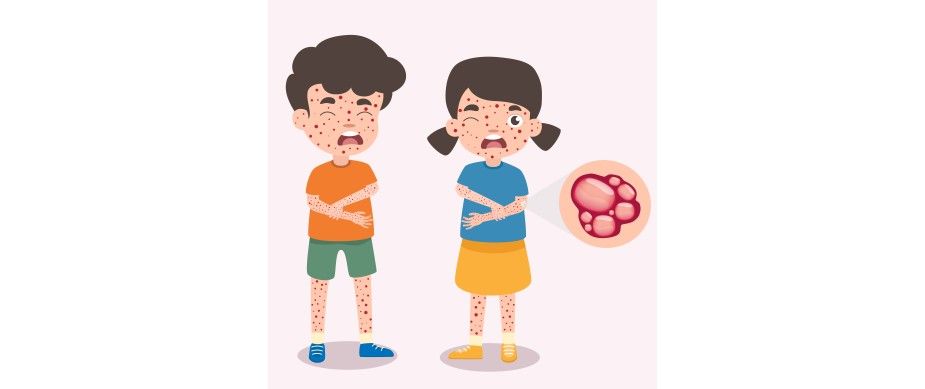
Skin Rash in Chickenpox
The rash is the most noticeable sign of chickenpox.
Stages of Chickenpox rash:
- Small red spots
- Fluid-filled blisters
- Blisters break and form scabs
All three stages may be present at the same time.
Areas commonly affected by Chickenpox:
- Face and scalp
- Chest and back
- Arms and legs
- Inside the mouth (can cause pain while eating)
Read More about the Types, Symptoms, and Causes of Skin Rashes
Home Care for Chickenpox
Why Home Care Is Important for Chickenpox
Home care focuses on comfort and safety. It helps in:
- Reducing discomfort from itching and fever
- Preventing complications like bacterial skin infections
Most uncomplicated cases of chickenpox can be managed at home with proper guidance.
How to Relieve Itching Caused by Chickenpox
Skin Care Tips for Chickenpox
- Keep the skin clean and dry
- Trim nails short to reduce skin damage from scratching
- Apply doctor-recommended soothing lotions if advised
- Use clean towels and avoid sharing personal items
Preventing scratching is very important, as scratching can lead to scars or infection.
Bathing and Hygiene During Chickenpox
Safe bathing practices:
- Short, lukewarm baths can help soothe itching
- Gently pat the skin dry; do not rub
Clothing tips for Chickenpox:
- Wear loose, soft cotton clothes
- Avoid tight or rough fabrics that irritate the skin
Read More about Symptoms and Causes of Skin Diseases
How to Manage Fever in Chickenpox
Safe Fever Relief Methods for Chickenpox
- Adequate rest to help the body fight infection
- Plenty of fluids to prevent dehydration
- Fever medicines only as recommended by a doctor
Always follow the correct dose, especially for children.
What to Avoid for Fever in Chickenpox
- Avoid giving aspirin, as it can cause serious complications in children
- Do not self-medicate without medical advice
Know More about Infant Vaccine Schedule
Diet and Hydration During Chickenpox
Fluids to Support Recovery From Chickenpox
Hydration is essential during chickenpox. Offer:
- Water
- Coconut water
- Clear soups
- Oral rehydration solutions, if needed
Fluids help control fever and support healing.
Foods to Eat and Avoid During Chickenpox
Foods to eat:
- Soft, easy-to-digest foods
- Plain rice, porridge, curd
- Mashed fruits and cooked vegetables
Foods to avoid:
- Spicy, salty, or acidic foods
- Hard or crunchy foods if mouth sores are present
Chickenpox Care for Children and Adults
Chickenpox Home Care Tips for Children
- Keep children comfortable and well-rested
- Distract them with quiet activities to avoid scratching
- Monitor fever and fluid intake closely
- Watch for signs of dehydration or infection
Chickenpox Home Care Tips for Adults
Adults may have more severe symptoms. Helpful steps include:
- Adequate rest and hydration
- Avoid work or social contact during the infectious period
- Seek medical advice if fever or pain is severe
Read More about Pediatric Diseases
Preventing Complications During Chickenpox
- Avoid secondary infections by keeping skin clean
- Maintain proper nail care and hygiene
- Do not burst blisters
- Use separate bedding, towels, and clothes
At Nanavati Max Hospital, we guide patients and families on safe home care and monitor those who may be at higher risk of complications.
When to See a Doctor for Chickenpox
Seek medical attention if:
- Fever is very high or lasts more than a few days
- There is a severe headache, confusion, or breathing difficulty
- Blisters become very red, painful, or filled with pus
- The patient is pregnant, an infant, or has low immunity
High-risk groups with Chickenpox should always consult a doctor early.
How to Prevent the Spread of Chickenpox
Isolation During Chickenpox
- Stay at home until all blisters have dried and scabbed
- Avoid contact with newborns, pregnant women, and immunocompromised individuals
Hygiene Practices
- Wash hands frequently
- Cover mouth and nose when coughing or sneezing
- Clean commonly touched surfaces regularly
Frequently Asked Questions
1. How long does Chickenpox last?
Chickenpox usually lasts 7 to 10 days, but scabs may take a little longer to fall off completely.
2. Can Chickenpox be managed at home?
Yes, most mild cases can be managed at home with proper care and medical guidance.
3. Is Chickenpox contagious during recovery?
Chickenpox remains contagious until all blisters have crusted over.
4. Does Chickenpox leave scars?
Scars are less likely if scratching is avoided and blisters are allowed to heal naturally. Proper skin care reduces this risk.

Written and Verified by:

Related Blogs

Medical Expert Team
Oct 06 , 2026 | 8 min read

Medical Expert Team
Oct 06 , 2026 | 9 min read

Blogs by Doctor
Chicken Pox Symptoms and Causes: What You Need to Know
Dr. Harshad Limaye In Internal Medicine
Oct 06 , 2026 | 6 min read

Cholera in Children: Symptoms Parents Should Never Ignore
Dr. Harshad Limaye In Internal Medicine
Oct 06 , 2026 | 4 min read
When Is a Fever Dangerous? Understanding High-Grade Pyrexia
Dr. Harshad Limaye In Internal Medicine
Sep 17 , 2026 | 8 min read
Most read Blogs



Related Blogs
Medical Expert Team
Oct 06 , 2026 | 8 min read
Medical Expert Team
Oct 06 , 2026 | 9 min read
Blogs by Doctor
Chicken Pox Symptoms and Causes: What You Need to Know
Dr. Harshad Limaye In Internal Medicine
Oct 06 , 2026 | 6 min read
Cholera in Children: Symptoms Parents Should Never Ignore
Dr. Harshad Limaye In Internal Medicine
Oct 06 , 2026 | 4 min read
When Is a Fever Dangerous? Understanding High-Grade Pyrexia
Dr. Harshad Limaye In Internal Medicine
Sep 17 , 2026 | 8 min read
Most read Blogs