
PCOD Diet Chart – The Ultimate Guide to Managing PCOD with Nutrition
By Medical Expert Team
Oct 06 , 2026 | 9 min read

Polycystic Ovary Disorder (PCOD), also commonly referred to as Polycystic Ovary Syndrome (PCOS), is a prevalent hormonal imbalance affecting millions of women worldwide. This condition involves hormonal disturbances that affect the ovaries, often leading to a range of challenging symptoms like irregular or absent menstrual cycles, weight gain, excess hair growth, and acne breakouts.
While PCOD requires comprehensive medical management, a highly specialized and tailored PCOD diet chart is considered the cornerstone of successful symptom management. By focusing on low-glycemic, anti-inflammatory foods, a strategic pcod diet plan for weight loss helps to stabilize blood sugar levels and hormones, offering significant relief and promoting long-term health. The primary goal of a structured diet plan is to take control of the condition by regulating internal metabolic functions.
What is PCOD?
PCOD is an endocrine disorder characterized by an excess production of male hormones (androgens) and the presence of small, undeveloped follicles (cysts) in the ovaries. The most common symptoms are irregular periods, pelvic pain, weight gain, and difficulty conceiving.
The core issue driving PCOD symptoms is often insulin resistance. When the body becomes resistant to insulin, the pancreas produces more insulin, which in turn triggers the ovaries to produce more androgens. This cycle exacerbates all PCOD symptoms, making weight gain difficult to control and disrupting the menstrual cycle. Effective management requires addressing this underlying hormonal imbalance.
Why is Diet Important for PCOD Management?
A well-structured diet for pcod patients is not just about weight loss; it is a clinical strategy that targets the primary hormonal and metabolic dysfunctions associated with the condition.
Role of Insulin Resistance and Hormonal Balance
- Combating Insulin Resistance (Insulin Resistance Diet): Insulin resistance is prevalent in 50-70% of PCOD cases. Dietary choices directly influence insulin sensitivity. Consuming high-fiber, low-glycemic index (GI) foods slows the absorption of glucose, preventing sharp insulin spikes. This stabilization is vital for managing symptoms and promoting healthy weight control.
- Reducing Inflammation (Anti-Inflammatory Foods for PCOD): PCOD often involves chronic, low-grade inflammation. A balanced hormonal imbalance diet rich in antioxidants and Omega-3 fatty acids helps reduce inflammation, which can ease symptoms like pain and irregular cycles.
- Supporting Weight Management: Losing even 5% of body weight can significantly improve PCOD symptoms, including restoring regular menstrual cycles and enhancing fertility chances.Diet is the most powerful tool for achieving and maintaining this weight loss goal.
Know More about the PCOD vs PCOS: How are They Different
PCOD Food Chart — Foods to Include (Best Foods for PCOD)
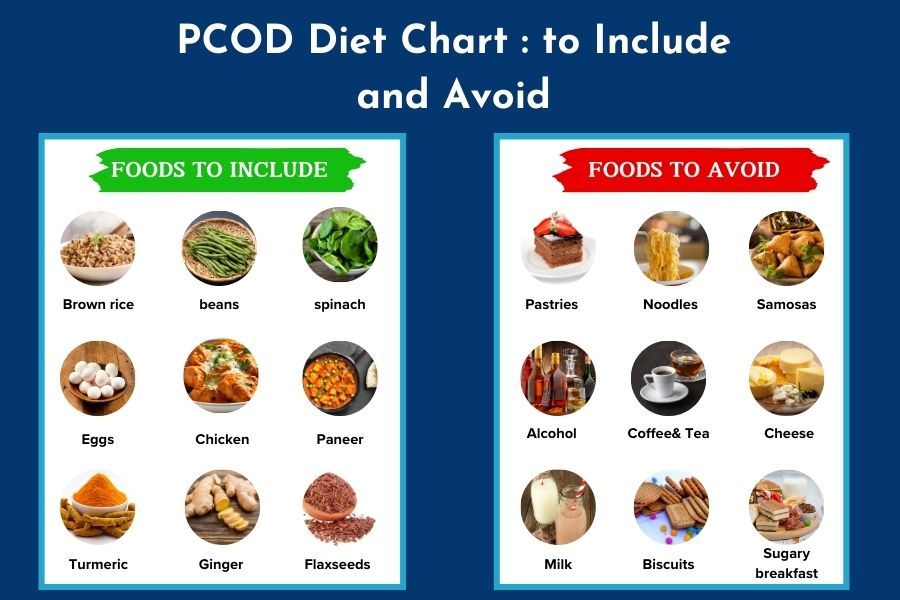
The best approach to curating a PCOD food chart is to focus on whole, unprocessed foods that are low on the Glycemic Index (GI), rich in fiber, and packed with anti-inflammatory properties.
1. Low-Glycemic Index (Low-GI) Carbohydrates
These foods release sugar slowly, providing steady energy and minimizing insulin spikes.
- Whole Grains: Brown rice, barley, oats, and whole-wheat roti/bread.
- Millets: Traditional Indian millets like Jowar (sorghum), Bajra (pearl millet), and Ragi (finger millet).
- Legumes: Lentils (Dal), chickpeas (Chana), and beans.
2. Lean Proteins
Protein is essential for muscle maintenance, satiety, and slowing down the absorption of carbohydrates.
- Plant-Based: Tofu, Paneer (cottage cheese in moderation), and various pulses.
- Animal-Based: Eggs, chicken breast, and lean cuts of fish.
- Note on Portion Control: Ensure protein is included in every main meal to help stabilize blood sugar throughout the day.
3. Healthy Fats
Monounsaturated and polyunsaturated fats, especially Omega-3s, help reduce inflammation and are crucial for hormone production.
- Nuts and Seeds: Almonds, walnuts, chia seeds, flaxseeds, and pumpkin seeds.
- Oils: Olive oil, canola oil, and avocado oil.
- Fish: Fatty fish like salmon, sardines, and tuna (rich in Omega-3).
4. Anti-Inflammatory and High-Fiber Vegetables
Focus on non-starchy, high-fiber vegetables that are low in calories but high in nutrients.
- Dark Leafy Greens: Spinach (Palak), Kale, and Fenugreek leaves (Methi).
- Cruciferous Vegetables: Broccoli, cauliflower, and cabbage.
- Roots/Others: Okra (Bhindi), ridge gourd, bell peppers, and carrots.
- Spices: Turmeric (Haldi) and ginger, known for their anti-inflammatory properties.
Read More about Balanced Diet Chart for Healthy Living
Foods to Avoid in PCOD Diet
Certain foods should be minimized or eliminated from your diet as they actively worsen PCOD symptoms by causing sharp insulin spikes and increasing systemic inflammation.
|
Food Category |
Examples to Avoid/Limit |
Why They Are Harmful |
|
Refined Carbohydrates and Grains |
White bread, Maida-based products (cookies, pastries, Naan, white pasta), and white rice. |
These are quickly metabolized, causing rapid blood sugar surges and massive insulin release, which worsens insulin resistance. |
|
Added Sugars and Sweeteners |
Sodas, commercial fruit juices, packaged smoothies, sweets (Mithai), and sugary breakfast cereals. |
High sugar content leads to inflammation and contributes directly to weight gain and fat storage. Women with PCOD often experience sugar cravings due to heightened insulin levels. |
|
Processed Foods and Unhealthy Fats |
French fries, deep-fried snacks (Samosas, Pakoras), processed meats (sausages), and chips. |
These contain unhealthy saturated and trans-fats that promote inflammation and negatively affect cardiovascular health. |
|
Certain Fruits (in Excess) |
High-sugar fruits like mango, jackfruit, and chikku. |
While fruits are healthy, moderation is key. Opt for low-GI fruits like apples, berries, pears, and oranges instead. |
|
Excess Dairy |
Full-fat milk and some dairy products. |
Dairy contains growth factors that can potentially increase androgen levels in some individuals, leading to more acne or hair growth. Note: Individual tolerance varies; consult a dietitian. |
|
Alcohol and Caffeine |
Excessive intake of alcohol and caffeine. |
Alcohol can interfere with blood sugar regulation, and excessive caffeine may disrupt hormone balance. |
Prioritize Moderation: Remember that a sustainable PCOD diet plan focuses on moderation over complete, restrictive elimination. Discuss any significant changes with your healthcare provider.
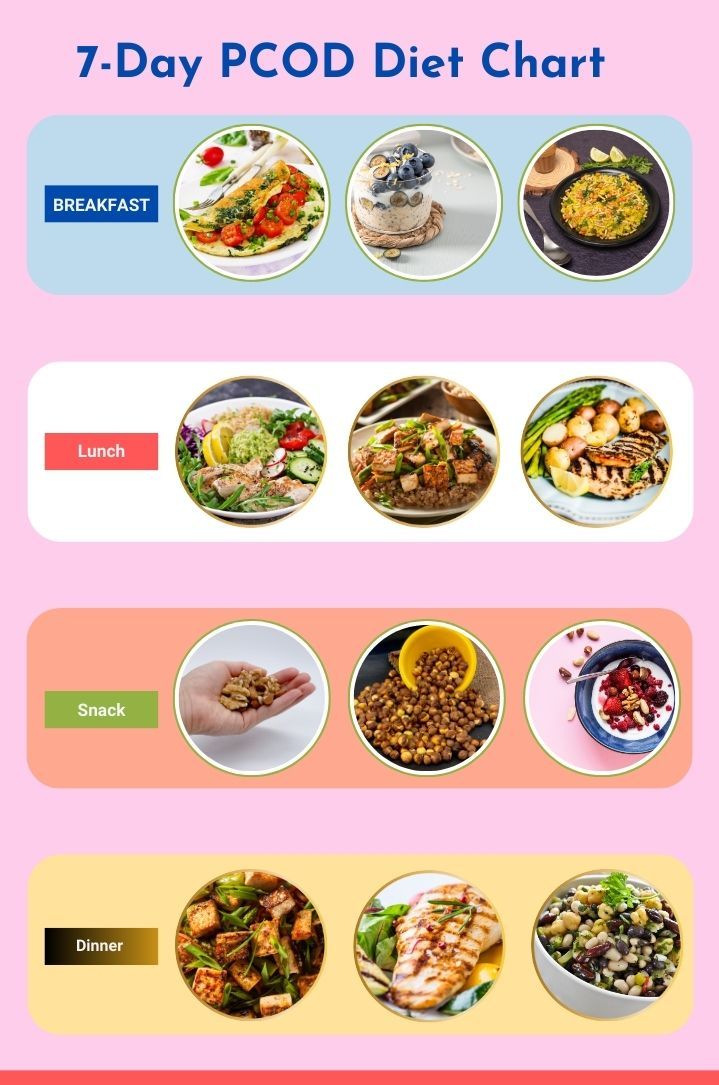
Sample 7-Day PCOD Diet Plan for Weight Loss
This is a sample pcod diet chart for weight loss designed for general guidance (approximately 1200-1500 kcal plan) emphasizing balanced macro-nutrients and low-GI foods.
Disclaimer: This 7-day plan is a sample only. It must be personalized by a registered dietitian or endocrinologist based on your exact caloric needs, existing medical conditions, and lifestyle.
|
Meal |
Day 1 |
Day 2 |
Day 3 |
Day 4 |
Day 5 |
Day 6 |
Day 7 |
|
Breakfast |
Overnight oats with chia seeds and mixed berries |
Vegetable omelette (2 eggs) + 1 slice whole-grain toast |
Oats Upma with mixed vegetables + low-fat milk (or almond milk) |
2 Idlis with high-protein Sambar |
Methi Paratha (1, shallow-fried) + homemade chutney |
Poha with high vegetables (less oil) |
2 Uthappam with coconut chutney |
|
Mid-Meal |
1 bowl low-fat yogurt + sliced raw veggies |
Boiled Chana (chickpeas) |
Fruit (Apple/Pear) |
Green gram sprouts (Moong Dal) |
Boiled Chana |
Fruit (Orange) |
Fruit (Berries) |
|
Lunch |
Brown rice + Dal (lentil curry) + Palak Sabzi (spinach) + Curd |
2 whole-wheat Chapatis + Soya curry + large salad |
Quinoa + sautéed veggies + Tofu/Paneer scramble 68 |
Brown Rice + Chickpea curry + 1 Roti |
Brown Rice + Grilled Fish curry + Cabbage stir-fry |
Lentil soup + large bowl of mixed greens |
Brown rice + Grilled Paneer + Steamed broccoli |
|
Evening |
Green tea + a handful of mixed nuts (almonds/walnuts) |
Vegetable soup (clear) |
Hummus + carrot/cucumber sticks |
Fruit |
Mixed seeds (flax/pumpkin/sunflower) |
Yogurt + a few berries |
Green tea + 2 homemade oatmeal biscuits |
|
Dinner |
2 Chapatis + Mixed vegetable Sabzi (low oil) |
Broken wheat Upma (Dalia) + Beans stir-fry |
Stir-fried Tofu with Quinoa |
2 Chapatis + Ridge Gourd (Torai) Sabzi |
Vegetable stew + 1 slice of whole-grain bread |
Grilled Paneer + large side salad with vinaigrette |
Lentil curry + 1 Roti |
Lifestyle and Exercise Tips for PCOD Diet Success
A successful PCOD diet plan is always supported by essential lifestyle modifications, which enhance insulin sensitivity and manage stress-induced hormonal fluctuations.
Physical Activity and Exercise
Regular exercise significantly boosts insulin sensitivity, aiding in better blood sugar control and weight management.
- Moderate Cardio: Aim for at least 30 minutes of brisk walking, jogging, or swimming five days a week.
- Strength Training: Incorporate weight training or bodyweight exercises (2-3 times a week) to build muscle mass, which improves metabolic rate and insulin function.
- Yoga and Stretching: Yoga is excellent for stress reduction and pelvic health. Poses like the Butterfly Pose (Bhadrasana) and Corpse Pose (Shavasana) can help alleviate pelvic tension and manage stress hormones like cortisol.
Stress Management and Sleep Hygiene
Chronic stress elevates cortisol, a hormone that worsens insulin resistance and weight gain.
- Mindfulness and Meditation: Incorporate 10-15 minutes of daily meditation or deep breathing exercises.
- Prioritize Sleep: Ensure you get 7-8 hours of quality sleep every night. Poor sleep can disrupt metabolic hormones and increase sugar cravings.
- Avoid Smoking and Excess Alcohol: Both smoking and excessive alcohol consumption negatively interfere with hormonal balance and overall metabolic health.
Supplements and Their Role in PCOD Management
While diet and lifestyle form the foundation, certain supplements may be recommended by your doctor to correct nutrient deficiencies or target specific PCOD mechanisms.
- Vitamin D: Deficiency is highly common in PCOD patients and may be linked to insulin resistance and menstrual irregularity. Supplementation may help improve cycle regularity and hormonal profiles.
- Omega-3 Fatty Acids (Fish Oil): These essential fatty acids have strong anti-inflammatory effects and may help reduce androgen levels and improve insulin sensitivity.
- Inositol (Myo- and D-Chiro-): These compounds are often recommended as they play a critical role in insulin signaling, potentially improving insulin sensitivity and restoring ovulation in PCOD patients.
- Magnesium: Involved in hundreds of bodily functions, magnesium supplementation may help improve insulin resistance, sleep quality, and reduce anxiety.
Caution: Always consult a specialist (endocrinologist or dietitian) before starting any supplements to determine the correct dosage and necessity, as supplements are not a substitute for a balanced diet.
Frequently Asked Questions
1. What foods should be avoided in PCOD?
The primary foods to avoid are those that cause rapid blood sugar spikes and increase inflammation. This includes refined carbohydrates, added sugars, processed foods, and deep-fried items.
2. Can PCOD be managed through diet alone?
No, Diet is the single most important lifestyle change for symptom relief and preventing long-term complications, but it must be combined with regular exercise, stress management, quality sleep, and, often, prescription medication advised by an endocrinologist or gynecologist.
3. How does weight loss help in PCOD management?
Weight loss significantly improves PCOD symptoms because it directly combats the associated insulin resistance. Losing just 5% of initial body weight can lead to a considerable improvement, including better insulin sensitivity, reduced androgen (male hormone) levels.
4. Are dairy products good or bad for PCOD?
The impact of dairy is highly individual. Some studies suggest that the growth factors in dairy may increase insulin-like growth factor (IGF-1), potentially raising androgen levels and worsening acne in some PCOD patients. However, low-fat dairy can be a good source of protein and calcium.
5. What are the best breakfast options for PCOD?
The best breakfast options for PCOD patients are those that are high in fiber, high in protein, and low-GI. For example - Overnight oats with berries and nuts (fiber + protein) , vegetable dosa or cheela made from moong dal or besan (protein + low-GI). These options prevent the morning blood sugar spike that can trigger cravings later in the day.
6. Can a PCOD diet improve fertility?
Yes, improving your diet is one of the most effective non-medical ways to improve fertility in PCOD. By reducing insulin resistance and inflammation, a low-GI, high-fiber PCOD diet plan can help regulate hormones and trigger natural ovulation.
Consult Our Experts at Nanavati Max Hospital
Managing PCOD is a journey that requires continuous, expert guidance. Our integrated team of gynecologists, endocrinologists, and clinical dietitians specializes in creating personalized PCOD diet charts and comprehensive treatment plans for hormonal disorders.
Disclaimer: This 7-day plan is a sample only. It must be personalized by a registered dietitian or endocrinologist based on your exact caloric needs, existing medical conditions, and lifestyle.
References
1. Teede, H. J., Misso, M. L., Costello, M. F., Dokras, A., Laven, J., Moran, L., Piltonen, T. T., & Norman, R. J. (2018). Recommendations from the international evidence-based guideline for the assessment and management of polycystic ovary syndrome. *Human Reproduction, 33*(9), 1602-1618.
https://academic.oup.com/humrep/article/33/9/1602/5050958
2. Indian Council of Medical Research. (2020). *Dietary guidelines for Indians - A manual*. National Institute of Nutrition.
https://www.nin.res.in/downloads/DietaryGuidelinesforNINwebsite.pdf

Related Blogs

Medical Expert Team
Oct 06 , 2026 | 8 min read


Dr. Hemalata Arora In Internal Medicine
Oct 06 , 2026 | 8 min read
Most read Blogs



Related Blogs
Medical Expert Team
Oct 06 , 2026 | 8 min read
Dr. Hemalata Arora In Internal Medicine
Oct 06 , 2026 | 8 min read
Most read Blogs