Chicken Pox Symptoms and Causes: What You Need to Know
By Dr. Harshad Limaye in Internal Medicine
Oct 06 , 2026 | 6 min read

Chicken pox is an infection that is caused by a virus; seen mostly in children, but may also affect some adults. Anyone who hasn’t had it before or isn’t vaccinated can become infected if exposed. Recognising the early signs of chicken pox makes a big difference because quick action can help manage symptoms and prevent complications. This blog offers a clear look at what happens during an infection, why it starts in the first place, and how you can protect yourself or your family. If you know how to spot warning signals, you’ll be in a better position to seek help right away.
Key Symptoms of Chicken Pox
Early Signs of Chicken Pox
Symptoms usually start with fever, fatigue, and a marked loss of appetite. These symptoms may start one or two days before the more characteristic rash. Sometimes, you'll see a bit of irritability or crankiness in children who feel tired or generally unwell. The fever may be quite mild, or it may go high. Early symptoms are just the body's warning that a viral infection is taking hold.
You’ll usually see these early chicken pox symptoms for a short period, not more than 48 hours, before the rash arrives. It’s important to pay attention, especially if you know someone at home or in the neighbourhood who recently had chicken pox. Acting quickly may keep the infection from getting worse, especially for people who have weaker immune systems.
Development of the Rash
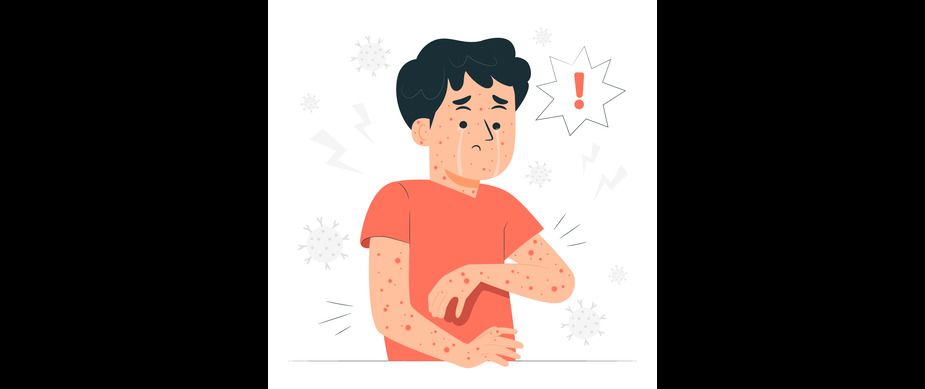
When the rash appears, it usually starts as small, red spots. These spots then turn into fluid-filled blisters that can pop and crust over. They commonly show up on the face, torso, and scalp, though they can spread all over. The sequence usually follows a pattern: red bumps, then blisters, then scabs. This process can last several days. New spots may emerge while older ones are already in the blister or scab phase.
For kids, it will first manifest on the tummy or back and gradually spread to the neck and the face. Adults would get it on other parts of the body but will follow a pattern. There's a tendency that this rash may have different stages simultaneously. You might see some newly developed red bumps close to a pack of older scabs. All these are part of the natural course.
Itching and Discomfort
The intense itching from these blisters often causes a lot of discomfort. Kids will scratch constantly, which can lead to broken skin or infections if not managed. Lukewarm baths with mild cleansers or lotions and creams prescribed by the doctor help reduce itching. Over-the-counter remedies may bring relief, but talk to a healthcare professional if itching is unbearable.
Get a piece of expert advice on when itchy skin is a Sign of Cancer
Some of you might also find yourselves uncomfortable and sleepless. Open sores may also result from blisters that break open, which can sting or even bleed a little when scratched severely. Prevention from all this is through keeping the skin moisturised, wearing loose clothes, and cutting fingernails.
Know More about Skin Rashes
Additional Symptoms
Apart from fever and rash, you may experience headaches and muscle aches. Swollen lymph nodes, especially around the neck or behind the ears, are another clue that the body is fighting off the virus. In more severe cases, nausea and trouble breathing might arise.
It’s important to keep an eye on any changes in breathing or if you feel extremely weak. These could be signs of complications. Seek medical advice right away if you notice any severe symptoms. At Nanavati Max Super Speciality Hospital, healthcare providers can offer guidance on managing mild cases at home or treating more serious infections if they occur.
Get expert advice about Pediatric Diseases
Causes of Chicken Pox
Varicella-Zoster Virus (VZV)
The main reason behind this illness is the varicella-zoster virus or VZV. Once it enters the body, often through the nose or mouth - it multiplies in the throat and nasal passages before spreading to other areas. Chicken pox centres on how VZV infects cells, eventually leading to a rash. The virus can linger in the nerve tissues long after you recover, which is why some adults experience shingles later in life.
The virus starts in the respiratory system. After an incubation period, usually one to three weeks long; it moves into the bloodstream, paving the way for those red spots and blisters we associate with a full-blown infection. If someone coughs or sneezes, tiny droplets carrying the virus can spread to others. Touching or scratching blister fluid can also transmit the virus.
Risk Factors for Chicken Pox
- Age: Children under 12 tend to have it more frequently. However, adults can contract it, and they often experience more intense symptoms.
- Lack of prior infection or vaccination: If you’ve never had chicken pox or haven’t been vaccinated, your immune system lacks specific defences against VZV.
- Weakened immune system and pregnancy: Changes due to HIV or cancer, or certain medications can impede the body's defence. Expectant mothers also have an increased risk because of the immune changes that accompany pregnancy.
How Chicken Pox Spreads
Chicken pox is highly contagious. Direct contact with fluid from blisters is an obvious cause, but airborne spread is also a concern. When someone coughs or sneezes, they can release viral particles into the air. A person might feel just a mild fever or no symptoms at all, yet still spread the virus without realising it.
- Incubation period: Usually ranges from 10 to 21 days, which means you can carry VZV for a while before noticing any signs.
- Being contagious: Most people are infectious a day or two before the rash and remain so until all blisters have crusted over.
Conclusion
Knowing the Chicken Pox Symptoms and their causes is very important for managing this common yet potentially serious viral infection. Being able to recognise symptoms like fever, fatigue, and the distinctive rash can help you get immediate treatment, reducing the risk of complications. Vaccination still is the most effective method for the prevention of chicken pox and the limitation of its spread in the community. Here at Nanavati Max Super Speciality Hospital, we encourage vaccination while giving holistic treatment for the relief of symptoms and the rapid recovery of our patients.
Frequently Asked Questions
1. How is chicken pox diagnosed?
Doctors can, in most cases, identify chicken pox through the pattern of symptoms and appearance of the rash. Laboratory tests can confirm infection in uncertain cases.
2. How can I prevent chicken pox?
The best prevention method is vaccination. The chicken pox vaccine is safe and effective and is usually given in two doses during childhood. For those who have never had the disease or been vaccinated, catching up on vaccination is advisable.
3. Are there any long-term effects of chicken pox?
For most people, chicken pox is a mild illness that doesn't lead to long-term issues. However, the virus can reactivate later in life as shingles, especially in older adults. Getting vaccinated can also help prevent shingles.
4. What are the stages of chickenpox day by day?
- Day 1-2: Mild symptoms like fever and tiredness appear.
- Day 3-4: Red spots develop, turning into itchy blisters.
- Day 5-7: Blisters begin to burst and scab over.
- Day 8-14: Scabs gradually heal and fall off.
5. What medication is used for chickenpox?
Treatment generally focuses on relieving symptoms. Antihistamines can help manage itching for high-risk patients or severe cases.
6. Can doctors treat chicken pox?
Doctors can help manage chicken pox by suggesting preventive measures. Supportive care, such as keeping the skin clean and reducing fever, helps ease the symptoms during recovery.

Written and Verified by:

Related Blogs

Medical Expert Team
Oct 06 , 2026 | 8 min read

Medical Expert Team
Oct 06 , 2026 | 9 min read

Blogs by Doctor

Chickenpox Home Care Tips: How to Relieve Itching and Fever Safely
Dr. Harshad Limaye In Internal Medicine
Oct 06 , 2026 | 4 min read

Cholera in Children: Symptoms Parents Should Never Ignore
Dr. Harshad Limaye In Internal Medicine
Oct 06 , 2026 | 4 min read
When Is a Fever Dangerous? Understanding High-Grade Pyrexia
Dr. Harshad Limaye In Internal Medicine
Sep 17 , 2026 | 8 min read
Most read Blogs



Related Blogs
Medical Expert Team
Oct 06 , 2026 | 8 min read
Medical Expert Team
Oct 06 , 2026 | 9 min read
Blogs by Doctor
Chickenpox Home Care Tips: How to Relieve Itching and Fever Safely
Dr. Harshad Limaye In Internal Medicine
Oct 06 , 2026 | 4 min read
Cholera in Children: Symptoms Parents Should Never Ignore
Dr. Harshad Limaye In Internal Medicine
Oct 06 , 2026 | 4 min read
When Is a Fever Dangerous? Understanding High-Grade Pyrexia
Dr. Harshad Limaye In Internal Medicine
Sep 17 , 2026 | 8 min read
Most read Blogs