
Understanding Breathing Difficulty: Common Symptoms and Causes
By Dr. Salil S. Bendre in Pulmonary Function Testing Unit
Oct 06 , 2026 | 6 min read

Breathing disorders affect many, from mild transient discomfort to full-blown disease that needs instant medical care. For some, breathing difficulty occurs suddenly, following exercise, pollution exposure, or an anxiety attack. While others might have persistent shortness of breath as a result of an underlying illness such as asthma, COPD, or heart disease. Understanding what triggers breathing issues is the first step toward managing them.
In this blog, we explore the common symptoms, causes, and when to seek medical attention. If breathing feels harder than it should, this guide will help you understand why.
What is Breathing Difficulty?
Difficulty breathing, also known as shortness of breath or dyspnea, is a condition where you find it difficult to breathe properly. Some people feel suffocation, while others feel like their lungs aren’t providing enough oxygen to breathe.
Sometimes, it’s mild and temporary, caused after a physical activity like a run or workout. But, if it’s persistent or severe, it signals a deeper health issue. If you find yourself struggling to breathe regularly, it’s important to take it seriously.
Read More about Management of asthma in children
Common Symptoms of Breathing Difficulty
Breathing issues don’t always look the same for everyone. Some experience a constant struggle to breathe, while others notice symptoms that come and go. Recognising these signs can help determine if it’s something that needs medical attention.
Physical Symptoms
Shortness of breath (Dyspnea): Feeling like you're gasping for air, even at rest.
Wheezing: A whistling sound while breathing, often linked to asthma or lung conditions.
Chest tightness: Sensation of restricted lung expansion.
Persistent coughing: Can be dry or produce mucus, indicating an underlying issue.
Additional Indicators
- Rapid or shallow breathing: Struggling to take in enough oxygen.
- Cyanosis: Bluish tint on lips or fingertips, indicating dangerously low oxygen levels.
- Fatigue: Reduced oxygen supply affecting energy levels.
- Dizziness: Feeling lightheaded due to insufficient oxygen.
- Seek medical advice: If these symptoms occur alongside breathlessness.
Causes of Breathing Difficulty
There’s no single cause of breathing difficulty. It can start from lung diseases, heart problems, environmental factors, or even anxiety. Identifying the cause is key to finding the right treatment.
Respiratory Conditions
Many breathing issues start in the lungs. Asthma is one of the most common culprits, where the airways become inflamed and narrow, making it difficult to breathe. Asthma symptoms and triggers include dust, pollen, pet dander, cold air, exercise, and even strong smells like perfumes or cleaning products. Some people only experience occasional flare-ups, while others struggle with daily symptoms.
Another major cause is Chronic Obstructive Pulmonary Disease (COPD), a progressive lung disease often caused by long-term smoking or exposure to air pollution. It leads to constant breathlessness, wheezing, and a persistent cough. COPD management tips include quitting smoking, using inhalers, and staying active to keep lungs functioning as well as possible.
Related Blogs: Air Pollution and Respiratory diseases
Cardiac Causes
Breathing difficulty isn’t always a lung issue, it can also be a sign of heart disease. Heart failure occurs when the heart isn’t pumping blood efficiently, leading to fluid buildup in the lungs, making breathing difficult. Many people notice shortness of breath when lying down or waking up gasping for air at night.
Coronary Artery Disease (CAD) can also cause breathlessness. When blood flow to the heart is restricted due to narrowed arteries, the heart has to work harder, making breathing feel strained, especially during physical activity.
Environmental and Lifestyle Factors
Your surroundings and daily habits play a big role in lung health. Air pollution, smoke, and chemical exposure can trigger breathing problems, especially for those with asthma or COPD. Even something as simple as spending time in areas with high dust levels can lead to coughing and breathlessness.
Some people experience breathing difficulty at high altitudes, where oxygen levels are lower. Extreme temperatures, whether very hot or cold, can also trigger asthma symptoms and breathing trouble.
Psychological Causes
Not all breathing issues stem from physical conditions. Anxiety and hyperventilation connection is common, where stress causes a sensation of breathlessness, even when the lungs and heart are functioning normally.
Panic attacks can make people breathe too fast (hyperventilate), leading to dizziness, tingling in the fingers, and an overwhelming sense of breathlessness. Chronic stress can also tighten chest muscles, making it feel like air isn’t flowing properly.
For those with anxiety-related breathing issues, learning breathing exercises and relaxation techniques can help regain control.
When to Seek Medical Help
Some signs are red flags and shouldn’t be ignored:
- Trouble breathing that starts suddenly
- Lips, fingers, or face turning blue
- You’re struggling to talk or walk without pausing for breath
- Chest pain, pressure, or tightness
- Confusion, drowsiness, or dizziness
If you notice any of these, it’s important to see a doctor immediately. Early treatment makes a big difference.
Diagnosis and Treatment Options
Diagnosis Options
When you go to a doctor, they’ll start by asking questions about your health, lifestyle, symptoms, and what makes it better or worse. Then they might:
- Check your lungs with a stethoscope
- Do tests like a chest X-ray, blood test, ECG, or lung function test
- Recommend allergy testing or scans if needed
Treatment Options
Treatment depends on the cause, but could include
- Medicines like inhalers, antibiotics, or antihistamines
- Oxygen therapy, if your oxygen levels are low
- Lifestyle changes, like losing weight, eating better, or stopping smoking
- Joining a pulmonary rehabilitation program to improve breathing strength
If the issue is linked to mental health, therapy or medication for anxiety might also be suggested.
Conclusion
Struggling to breathe, even if it happens occasionally, isn’t something to ignore. Whether caused by asthma, COPD, heart disease, or anxiety, identifying the underlying reason is the first step toward getting the right treatment.
If you’re dealing with persistent or worsening breathlessness, don’t wait for it to become severe. At Nanavati Max Super Speciality Hospital, we offer expert diagnosis and personalised treatment plans to help you breathe better. From asthma management to advanced oxygen therapy, we make sure you get the right care for your condition.
Breathing freely should never be a struggle. Book a consultation with us today and take control of your health.
Disclaimer: The information provided in this blog is for educational purposes only and is not a substitute for professional medical advice, diagnosis, or treatment. Always seek the advice of your physician or other qualified health provider with any questions you may have regarding a medical condition.
Frequently Asked Questions
1. What are the main causes of breathing difficulty?
Breathing problems can be caused by asthma, COPD, heart disease, anxiety, smoking, air pollution, or high altitudes. Some infections and allergies can also trigger shortness of breath.
2. How can I identify if my breathing problem is serious?
If you experience persistent shortness of breath, wheezing, chest tightness, dizziness, or a bluish skin tone, seek medical help immediately.
3. Can anxiety lead to long-term breathing problems?
Yes, stress and anxiety can create a strong anxiety and hyperventilation connection, leading to breathlessness. While it doesn’t damage the lungs, it can make breathing feel restricted.
4. What tests diagnose breathing difficulty?
Doctors may use lung function tests (spirometry), chest X-rays, blood tests, and ECGs to determine the cause of breathing trouble.
5. Are breathing exercises effective for shortness of breath?
Yes, deep breathing exercises, pursed-lip breathing, and diaphragmatic breathing can help improve lung function and reduce breathlessness.
6. Which doctor should I consult for difficulty breathing?
A pulmonologist specialises in lung conditions, while a cardiologist can determine if heart issues are causing breathlessness. If anxiety is the cause, a mental health specialist may also help.
References
1. American Lung Association. (2023). Symptom Checker: Shortness of Breath.https://www.lung.org
2. Global Initiative for Chronic Obstructive Lung Disease. (2023). Global Strategy for the Diagnosis, Management, and Prevention of COPD.
https://goldcopd.org

Written and Verified by:

Related Blogs

Dr. Salil S. Bendre In Pulmonary Function Testing Unit
Aug 05 , 2026 | 8 min read

Dr Kumar Doshi In Pulmonary Function Testing Unit
Aug 02 , 2026 | 6 min read
Blogs by Doctor

Strep Throat and Its Connection to Other Health Issues
Dr. Salil S. Bendre In Interventional Pulmonology Unit
Oct 04 , 2026 | 5 min read
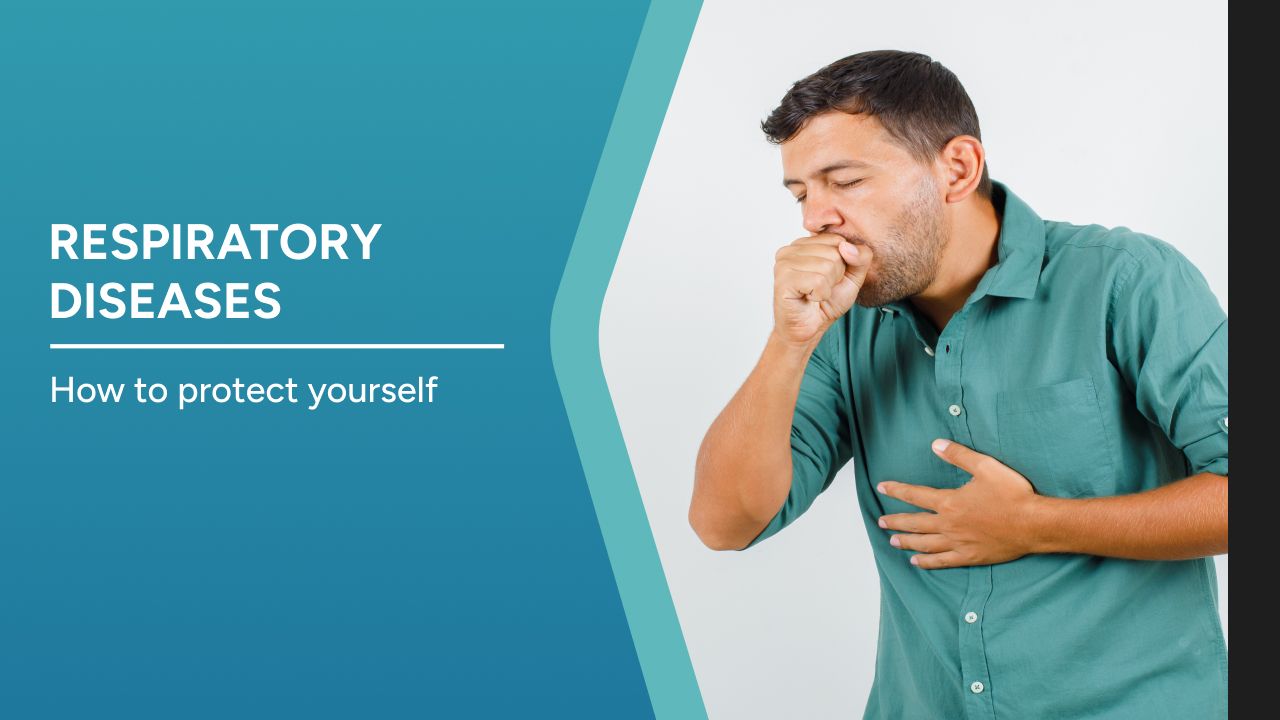

Different Types of Lung Diseases and Symptoms
Dr. Salil S. Bendre In Centre for Chest & Respiratory Diseases
Aug 05 , 2026 | 4 min read
Most read Blogs



Related Blogs
Dr. Salil S. Bendre In Pulmonary Function Testing Unit
Aug 05 , 2026 | 8 min read
Dr Kumar Doshi In Pulmonary Function Testing Unit
Aug 02 , 2026 | 6 min read
Blogs by Doctor
Strep Throat and Its Connection to Other Health Issues
Dr. Salil S. Bendre In Interventional Pulmonology Unit
Oct 04 , 2026 | 5 min read
Different Types of Lung Diseases and Symptoms
Dr. Salil S. Bendre In Centre for Chest & Respiratory Diseases
Aug 05 , 2026 | 4 min read
Most read Blogs