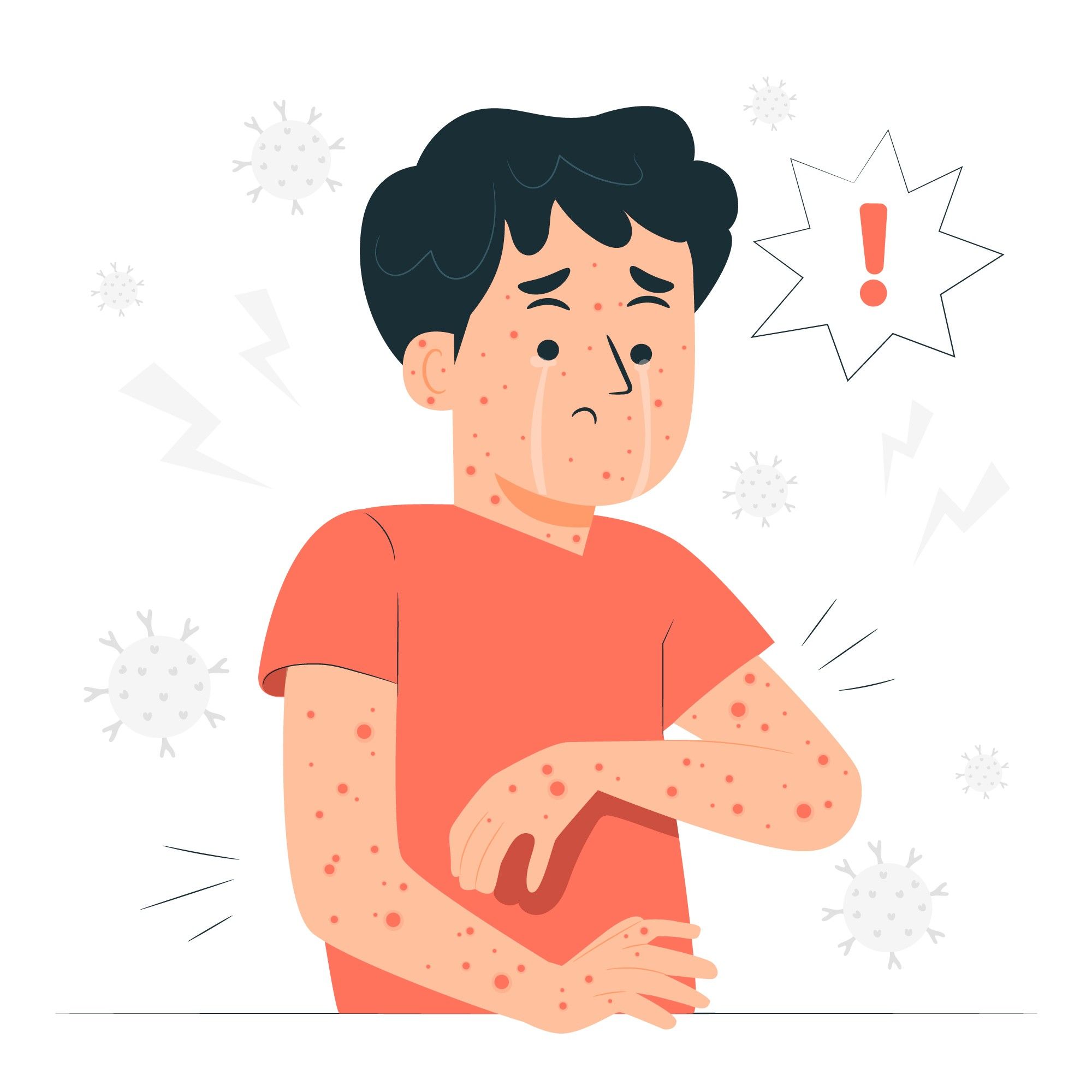
Understanding the Symptoms and Causes of Skin Diseases
By Dr. Kalpana Sarangi in Dermatology
Aug 04 , 2026 | 5 min read

Skin diseases are extremely prevalent, affecting millions of individuals globally every year. Whether it's a minor skin rash or a more serious chronic condition, understanding these issues is critical to maintaining your skin health and overall well-being. Early detection of skin disease symptoms can lead to more effective treatment, which is why it's vital to pay attention to persistent changes in your skin. Let's analyze the common signs of these conditions and explore the primary skin disease causes behind them.
Common Types of Skin Diseases
To understand skin health, one must distinguish between temporary ailments and chronic conditions. Skin diseases generally fall into two categories:
- Permanent (Chronic) Conditions: These are often genetic or autoimmune, such as Psoriasis, Rosacea, and Vitiligo. They require long-term management strategies.
- Temporary (Acute) Conditions: These usually resolve with treatment and include Contact Dermatitis, Hives (Urticaria), and many fungal infections.
Symptoms of Skin Diseases
Redness and Inflammation
Do you feel your skin turn red or even burn? That is one sign of a few common skin complaints, such as eczema, rosacea, or dermatitis. For most people, any such case of skin disease begins with redness or a warm sensation and may be an indication from your body that something is wrong.
Itching and Rashes
Itching is another common symptom that can be very annoying. It often comes with a rash and is seen in conditions like allergies or eczema. Imagine wearing a sweater that’s a bit too rough, only you can’t take it off. That’s how irritating this itching can feel.
Dry, Scaly, or Peeling Skin
Then there’s dry or scaly skin, which can make you feel like you’re constantly shedding. Conditions like psoriasis or eczema often lead to this. It’s not just about applying a moisturiser; these conditions need specific treatments to manage the peeling and make you feel comfortable.
Blisters and Pustules
Blisters or pustules can pop up with infections like chicken pox or herpes. They’re small but can pack a punch in terms of discomfort and are a sign that your body is fighting off an invader.
Changes in Skin Color or Texture
Ever noticed patches of skin that look lighter or darker than usual? Conditions like vitiligo or melasma bring about these changes and can affect how you feel about your appearance.
Pain and Tenderness
Pain or tenderness is often a sign that something more serious might be happening, especially if it’s around a wound or a boil. It’s your body’s way of saying it needs some help.
Read More about Skin Rashes
Causes of Skin Diseases
Genetic Factors
Ever wonder why certain skin issues just seem to run in families? Well, genetics plays a big part in skin conditions. If your parents or siblings have it, chances are higher you might develop it too.
Environmental Factors
Your environment also has a big impact. Sun exposure, pollution, and even the weather can trigger or worsen skin conditions. Think of how a hot day can make an existing rash more irritated or how cold, windy weather can dry out your skin even more.
Infections
Different types of infections can lead to skin diseases, such as:
Bacterial Infections
These include conditions like impetigo or cellulitis and are caused by nasty bugs that invade your skin.
Viral Infections
Common viral infections like warts show up on your skin in very distinct ways.
Fungal Infections
Ever heard of an athlete’s foot or ringworm? These are fungal infections that love moist environments and can make your skin itchy and uncomfortable.
Know More: When is Itchy Skin a Sign of Cancer
Immune System Disorders
Sometimes your own body gets confused and attacks itself, leading to autoimmune skin diseases like lupus. Managing these involves not just treating the skin but helping regulate the immune system, too.
Allergies
Allergic reactions can also manifest on your skin, whether it’s due to a particular food, a plant, or even a new laundry detergent. It's your body’s way of signalling that it doesn’t like something you’ve been exposed to.
Poor Hygiene and Stress
Neglecting your skincare or a lot of stress tends to worsen skin conditions such as eczema or acne. It's not all about cleanliness; it's also about having the ability to handle stress and taking care of your overall health.
When Should You See a Dermatologist?
You should seek a professional consultation if you experience:
- A mole that changes shape, color, or size.
- Rashes that cover more than 10% of the body.
- Skin lesions that bleed, crust, or refuse to heal.
- Severe pain or signs of infection, like fever.
Conclusion
Recognising the symptoms of skin diseases early and understanding what causes them is key to managing your health effectively. Whether it's adjusting your diet to include more skin-friendly foods like fruits, vegetables, lean meats, and fish, or taking better care of your skin through proper hygiene and stress management, every little bit helps. At Nanavati Max Super Speciality Hospital, we are committed to offering you the best Dermatology Care. Whether it is some ongoing skin issue or just seeking advice on how to keep your skin healthy, just reach out and our experts will help you keep your skin happy and healthy!
Disclaimer: The information in this blog is for educational purposes only and does not constitute medical advice. Consult a board-certified dermatologist for a personalized diagnosis and treatment plan.
Frequently Asked Questions
1. How can I prevent all skin problems?
The best method to prevent problems with the skin is to take good care of your skin by maintaining a regular skincare routine, protecting your skin from excessive exposure to the sun, and keeping a balanced diet rich in antioxidants.
2. Which treatment is best for skin problems?
The ideal treatment depends on the specific skin condition. For many issues, a combination of topical creams and oral medications is effective. Dermatologists might suggest specific treatments like light therapy for conditions such as psoriasis or medicated ointments for eczema relief.
3. What is the prevention of skin diseases?
To prevent skin diseases or skin cancer prevention, minimise sun exposure and wear sunscreen, keep the skin clean and moisturised, avoid smoking, and manage stress levels. Regular check-ups with a dermatologist can help catch and manage conditions early.
4. Who diagnoses skin diseases?
Dermatologists are specialists who diagnose and treat skin diseases. They use a combination of visual inspections, patient history, and sometimes patch tests or biopsies to accurately identify the skin condition. If you notice persistent skin changes or symptoms, visiting a dermatologist is an important step.
5. How do you diagnose skin disease?
Diagnosing skin disease usually starts with a thorough examination by a dermatologist. They might ask about your medical history, examine the affected areas, and possibly perform diagnostic tests like skin biopsies or allergy tests. Imaging techniques such as dermoscopy can also be used to look at the skin in greater detail.
6. What are the types of skin diseases?
Skin diseases can range widely from acute conditions like contact dermatitis to chronic issues such as eczema, psoriasis, and acne. There are also infectious types like fungal infections or impetigo, and autoimmune conditions like lupus or vitiligo. Each type has its own set of symptoms and requires different treatment approaches.
References
1. National Institutes of Health. (2022). Genetics and your skin.https://www.niams.nih.gov/health-topics/skin-diseases

Written and Verified by:

Related Blogs

Dr. Kalpana Sarangi In Dermatology
Oct 05 , 2026 | 5 min read

Blogs by Doctor
Sunburn: Causes, Symptoms, Treatment, and Prevention
Dr. Kalpana Sarangi In Dermatology
Oct 05 , 2026 | 5 min read

Skin Diseases: Know About The Common Types
Dr. Kalpana Sarangi In Dermatology
Aug 05 , 2026 | 3 min read

Adult Acne - Causes, Types, Prevention and Foods to Avoid
Dr. Kalpana Sarangi In Dermatology
Aug 05 , 2026 | 4 min read
Most read Blogs



Related Blogs
Dr. Kalpana Sarangi In Dermatology
Oct 05 , 2026 | 5 min read
Blogs by Doctor
Sunburn: Causes, Symptoms, Treatment, and Prevention
Dr. Kalpana Sarangi In Dermatology
Oct 05 , 2026 | 5 min read
Skin Diseases: Know About The Common Types
Dr. Kalpana Sarangi In Dermatology
Aug 05 , 2026 | 3 min read
Adult Acne - Causes, Types, Prevention and Foods to Avoid
Dr. Kalpana Sarangi In Dermatology
Aug 05 , 2026 | 4 min read
Most read Blogs