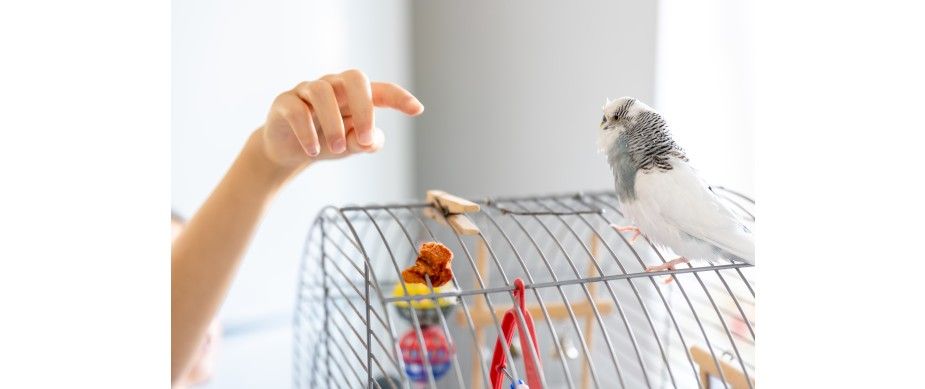
Bird Flu 2025: Latest Updates You Must Know
By Dr. Harshad Limaye in Internal Medicine
Aug 05 , 2026 | 4 min read

Avian influenza, commonly known as bird flu, remains a global concern in 2025. With new outbreaks among wild birds, poultry, and even mammals, the evolving situation demands vigilance.
Understanding the causes, spread, diagnosis, treatment, and preventive measures is essential not only for those directly involved in poultry farming but also for communities, travellers, and health professionals. With preparedness and awareness, the risks of bird flu can be better managed while safeguarding both public health and global economies.
What is Bird Flu?
Bird flu refers to influenza A viruses, notably H5N1, that primarily infect avian species. These viruses can cause severe disease in birds and sporadically cross species barriers, impacting mammals, including humans.
Avian flu viruses are defined by their haemagglutinin (H) and neuraminidase (N) proteins. To date, no sustained human-to-human transmission has been recorded, though zoonotic spillover remains a concern.
Causes of Bird Flu
Bird flu develops when avian influenza viruses spread among wild and domestic birds. Main causes include:
- Viral mutations that create stronger strains.
- Migratory birds carry the virus across regions.
- Poultry farming with dense populations enables faster spread.
- Contaminated environments, such as droppings or water sources.
- Occasional cross-species transmission to humans or other animals.
Symptoms of Bird Flu
In Birds
Common symptoms include:
- Lethargy and reduced activity
- Drop in egg production
- Respiratory distress such as coughing, sneezing, or nasal discharge
- Swollen head, comb, or wattles
- Sudden and unexplained death in large numbers
In Humans
- High fever and chills
- Persistent cough and sore throat
- Muscle and joint pain
- Shortness of breath or difficulty breathing
- Nausea, diarrhoea, or abdominal discomfort in some cases
- Rapid progression to pneumonia, acute respiratory distress, or organ failure in severe infections
How Bird Flu is Diagnosed
Laboratory Tests
RT-PCR is the gold standard for diagnosis, alongside virus isolation, when indicated. Acute testing is performed using upper respiratory and/or conjunctival swabs. Serology is used as a supportive evidence for retrospective confirmation.
Challenges in Diagnosis
Timeliness is critical. Delays in sample collection, limited laboratory access in outbreak zones, and overlapping symptoms with other respiratory illnesses can delay confirmation and hinder control efforts.
Treatment and Care for Bird Flu
Medical Treatments
Antiviral therapies, especially with neuraminidase inhibitors such as oseltamivir and others, are recommended by the World Health Organisation and Centre for Disease Control for suspected or confirmed bird flu patients. Clinicians can also consider Baloxavir based on susceptibility and guidance.
Supportive Care Measures
Critical care includes oxygen therapy, fluid management, antibiotics for secondary infections, and intensive monitoring. Early initiation of supportive treatment markedly improves outcomes.
Precautionary Steps for Birds and Humans
Simple preventive measures can significantly reduce the risk of bird flu in both humans and birds. Some key steps include:
- Wash your hands regularly and practise proper hygiene.
- Disinfect equipment, cages, and farm environments.
- Follow strict biosecurity measures in poultry farms.
- Avoid handling sick or dead birds.
- Report unusual bird deaths to veterinary or health authorities.
Bird Flu Myths vs Facts
Understanding the difference between myths and scientific facts helps prevent panic and misinformation:
- Myth: Bird flu spreads easily between people.
- Fact: Sustained human-to-human transmission has not been recorded.
Bird flu is primarily zoonotic and usually spreads to humans through direct contact with infected animals or contaminated environments.
What You Must Do if You Suspect Bird Flu
If you suspect bird flu in yourself or your surroundings, act quickly and responsibly:
- Seek medical attention for high fever or breathing problems after exposure to sick birds.
- Report unusual bird deaths or suspected human cases to local health or veterinary authorities.
- In cases of severe respiratory distress, seek emergency hospital care without delay.
Bird Flu and Its Impact on Daily Life
Bird flu has widespread effects beyond health, influencing livelihoods and communities:
- Poultry industry: High mortality and culling disrupt production and incomes.
- Travel and trade: Export bans are imposed on affected regions, though some countries have regained market access after containment.
- Community awareness: Public health campaigns encourage reporting of bird deaths, strict hygiene, and cooperation with surveillance efforts.
Conclusion
As of 2025, bird flu remains a persistent global threat with multifaceted impacts, from poultry losses to rare but serious human cases. While human-to-human spread remains limited, vigilance through surveillance, biosecurity, public education, and vaccination preparedness is essential. Policymakers, farmers, healthcare professionals, and communities must uphold a unified and proactive response to mitigate future risks.
Frequently Asked Questions
1. Can bird flu be transmitted via food products like eggs or milk?
Properly pasteurised milk and thoroughly cooked eggs and poultry are safe as the heat inactivates H5N1 virus.
2. Are household pets at risk of catching bird flu?
Yes, cats and sometimes dogs can become infected, particularly if exposed to contaminated raw poultry or infected animals. Though rare, pet infections highlight the importance of avoiding such exposures.
3. Can migratory bird species act as early warning indicators?
Absolutely. Surveillance of migratory wild populations offers insight into emerging threats, enabling faster response to potential spillover events in domestic flocks.
4. Do air travellers need to take special precautions?
Currently, the risk to travellers is low. Standard precautions like avoiding contact with birds and maintaining good hygiene are sufficient, though updated travel advisories should be monitored.
5. Are there environmental consequences of large-scale bird culling?
Yes, mass culling affects ecosystem balance, may contribute to protein loss, and poses animal welfare concerns. Safe and humane disposal and balanced ecological strategies are vital to reduce environmental impact.

Written and Verified by:

Related Blogs

Dr. Hemalata Arora In Internal Medicine
Oct 22 , 2026 | 8 min read
Blogs by Doctor

Chickenpox Home Care Tips: How to Relieve Itching and Fever Safely
Dr. Harshad Limaye In Internal Medicine
Oct 06 , 2026 | 4 min read

Chicken Pox Symptoms and Causes: What You Need to Know
Dr. Harshad Limaye In Internal Medicine
Oct 06 , 2026 | 6 min read

Cholera in Children: Symptoms Parents Should Never Ignore
Dr. Harshad Limaye In Internal Medicine
Oct 06 , 2026 | 4 min read
Most read Blogs



Related Blogs
Dr. Hemalata Arora In Internal Medicine
Oct 22 , 2026 | 8 min read
Blogs by Doctor
Chickenpox Home Care Tips: How to Relieve Itching and Fever Safely
Dr. Harshad Limaye In Internal Medicine
Oct 06 , 2026 | 4 min read
Chicken Pox Symptoms and Causes: What You Need to Know
Dr. Harshad Limaye In Internal Medicine
Oct 06 , 2026 | 6 min read
Cholera in Children: Symptoms Parents Should Never Ignore
Dr. Harshad Limaye In Internal Medicine
Oct 06 , 2026 | 4 min read
Most read Blogs