Endocrinology is a specialty of medicine that deals with the diagnosis and treatment of diseases related to hormones. Therefore, Endocrinology focuses on the endocrine glands and tissues that secrete hormones.
Endocrine diseases are classified into three broad groups:
- Endocrine gland hyposecretion, a condition in which the gland is not producing enough hormone leading to hormone deficiency.
- Endocrine gland hypersecretion, a condition in which the gland is overactive and produces excessive hormone leading to surplus levels of certain hormones.
- Tumours of endocrine glands can be benign (non-cancerous) or malignant (cancerous)
Hormonal imbalances can lead to conditions like Diabetes, Metabolic Disorders, Osteoporosis, Thyroid diseases like Hyperthyroidism or Hypothyroidism, Hypertension, Polycystic Ovarian Syndrome (PCOS), Hirsutism, Menopause, Hyperlipidaemia, Hypoglycaemia amongst many others.
Hormonal imbalance can be treated by increasing or reducing the hormone dose which is monitored by an Endocrinologist. Endocrinologists are specially trained physicians who diagnose and treat diseases related to the glands with an aim to restore the normal balance of hormones found in a patient’s body, thus treating the signs and symptoms.
Frequently Asked Questions
1. What does an endocrinologist do?
An endocrinologist treats conditions related to the endocrine system, which includes the body's hormones and glands. They manage disorders such as diabetes, thyroid issues, hormonal imbalances, reproductive health problems, and metabolic conditions. Endocrinologists also treat pituitary disorders, adrenal disorders, Addison’s disease, calcium/bone metabolism and lipid disorders
2. What are the signs of endocrine problems?
Symptoms of endocrine disorders can differ depending on the condition, but common signs include fatigue, weight fluctuations, appetite changes, mood swings, excessive thirst or urination, menstrual cycle changes, sexual dysfunction, abnormal growth, changes in hair growth or skin, and issues with regulating body temperature.
3. Can endocrine disorders be cured?
Whether endocrine disorders can be cured depends on the specific condition. While some can be effectively managed or controlled with treatment such as benign endocrine tumors, improving symptoms and quality of life, not all can be fully cured. Some conditions such as diabetes, requires lifelong treatment to maintain hormone balance and overall well-being.
4. What are endocrine glands?
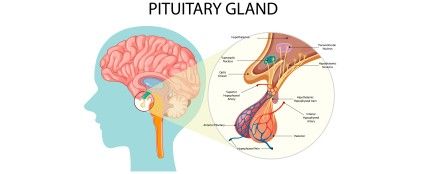
The body comprises of several endocrine glands, each responsible to produce a hormone, necessary for various bodily functions. Pituitary gland also called as the master gland is located at the base of your brain to regulate other endocrine organs through tropic hormones. Thyroid gland controls metabolic rate, while Parathyroid glands maintain calcium and phosphate balance. Adrenal glands are responsible to create hormones, activated during stress response, metabolism, and blood pressure regulation.