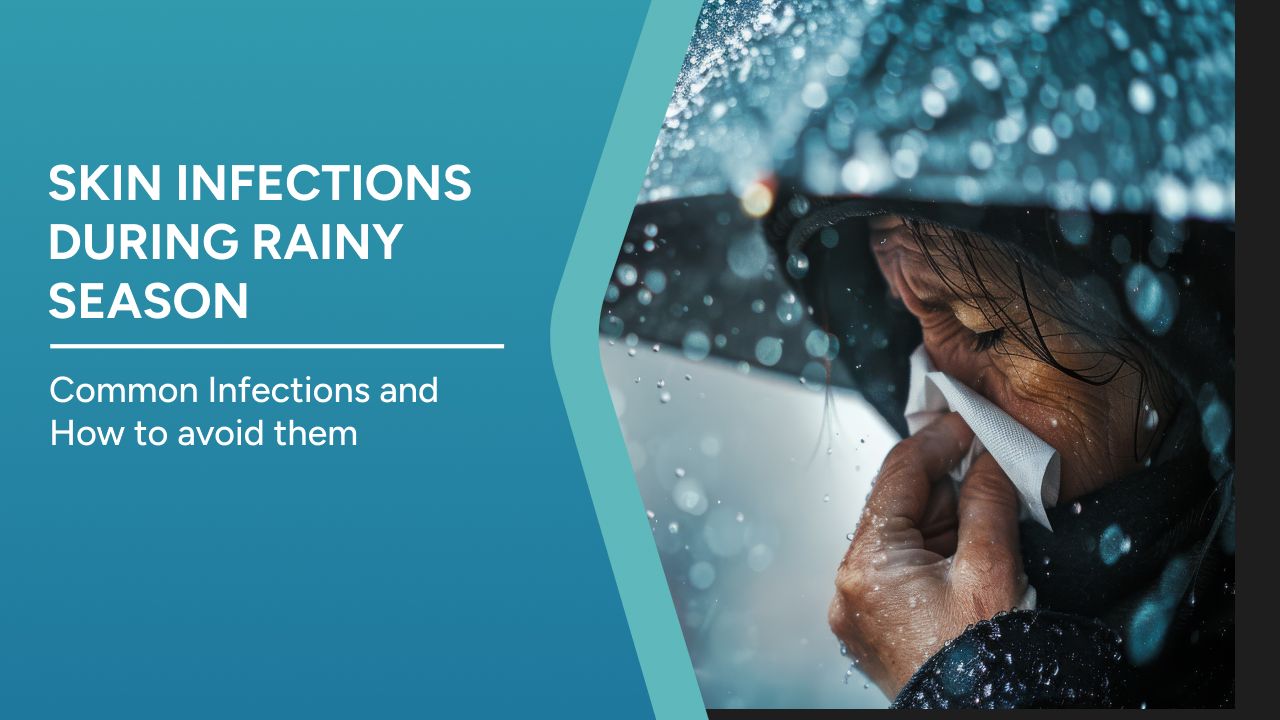
Common Skin Infections During Rainy Season And How To Avoid Them
By Dr. Suruchi Desai in Dermatology
Oct 08 , 2026

The rainy season brings relief from heat but also creates conditions that can affect skin health. Increased humidity, frequent sweating, and prolonged exposure to moisture can weaken the skin’s protective barrier. This may allow fungi, bacteria, and other microorganisms to grow, increasing the risk of common skin problems.
Common skin infections during the rainy season can affect people of all ages and may cause itching, redness, rashes, or discomfort. Maintaining good hygiene, keeping the skin dry, and seeking medical advice at the right time can help prevent these infections from worsening.
What are Skin Infections During the Rainy Season?
Skin infections during the rainy season refer to infections caused by microorganisms such as fungi, bacteria, viruses, or parasites that affect the skin. During the monsoon, warm and humid weather can create a favourable environment for these organisms to multiply. These infections commonly affect areas that remain moist, such as feet, skin folds, underarms, groin, scalp, and areas covered by tight clothing. Early recognition and proper care can help manage symptoms and reduce the risk of complications.
Recommended Read: Monsoon and Viral Infection: Causes, Symptoms & Treatment
Why Do Skin Infections During Rainy Season Happen?
The rainy season increases the risk of skin infections due to higher humidity, frequent exposure to moisture, and favourable conditions for microbial growth. Several factors can affect skin health and increase the risk of infections during the monsoon.
Humidity And Moisture
High humidity during monsoon increases sweating and moisture retention on the skin, especially in areas like skin folds, feet and underarms. Prolonged dampness can weaken the skin’s defence and encourage the growth of microorganisms.
Wet Clothing Exposure
Wearing wet clothes or footwear for long periods can trap moisture against the skin and create conditions that support infections. Poor hygiene practices may further increase exposure to bacteria and fungi.
Fungal And Bacterial Growth
Warm and humid monsoon conditions allow fungi and bacteria to multiply more easily, increasing the risk of infections such as ringworm and athlete’s foot. Bacteria may also enter through cuts or damaged skin and cause infections.
Skin Barrier Changes
Continuous exposure to sweat, moisture and friction can affect the skin’s natural protective barrier. A weakened barrier may allow microorganisms to enter more easily and cause irritation or infection.
Common Types Of Skin Infections During Rainy Season
During the rainy season, increased humidity and moisture can contribute to the development of different skin infections. These conditions may affect various parts of the body and range from mild irritation to infections requiring medical attention. Some common skin problems seen during the monsoon include:
Fungal Skin Infections
Fungal infections are among the most common skin infections during the monsoon. They often develop in moist areas of the body and may cause itching, redness, scaling and discomfort.
Ringworm
Ringworm is a fungal infection that causes circular, itchy rashes on the skin. It can affect different body parts and may spread through direct contact or sharing infected personal items.
Athlete’s Foot
Athlete’s foot commonly affects the skin between the toes and the soles of the feet. Wearing wet shoes or socks for long periods can increase the risk of developing this infection.
Bacterial Skin Infections
Bacterial infections may occur when bacteria enter through cuts, scratches or damaged skin. Symptoms may include redness, swelling, pain, warmth and discharge from the affected area.
Allergic Rashes
Exposure to damp environments, insect bites and contact with certain substances during the monsoon may trigger allergic skin reactions. These rashes may cause itching, irritation and inflammation.
Eczema Flare-Ups
People with eczema may experience worsening symptoms during rainy weather due to increased humidity and sweating. The skin may become dry, itchy, inflamed or more sensitive.
Scabies
Scabies is caused by mites that burrow into the skin. It can spread through close contact and may cause intense itching, especially at night.
Heat Rash
Although commonly associated with hot weather, heat rash can also occur during humid conditions. Sweat trapped under the skin may cause small bumps, redness and irritation.
Nail Fungal Infections
Fungal infections can affect toenails and fingernails, causing changes such as thickening, discolouration or brittleness. Damp footwear and prolonged moisture exposure may increase the risk.
Scalp Infections
Humidity and excessive sweating may contribute to scalp problems such as fungal infections, itching and flaking. Keeping the scalp clean and dry can help reduce discomfort.
Acne During the Monsoon
Monsoon weather frequently worsens acne - particularly in people with naturally oily skin. High humidity causes the skin to produce more sebum (oil), which combines with sweat, dirt, and pollution from rain-contaminated air to clog pores. This creates an ideal environment for Propionibacterium acnes to thrive, leading to breakouts on the face, chest, and back.
To manage monsoon acne: cleanse your face gently twice daily with an oil-free, sulphate-free cleanser; switch to non-comedogenic, lightweight moisturisers; avoid heavy, oily cosmetics; use SPF 30+ non-comedogenic sunscreen; and do not squeeze pimples.
Psoriasis and Contact Dermatitis
People with pre-existing psoriasis may notice worsening of their plaques during the monsoon, likely due to humidity, stress, and changes in skin microbiome. Contact dermatitis - an allergic or irritant skin reaction - can also be triggered by extended exposure to rainwear materials (rubber, synthetic fabrics), wet footwear, or waterproofing chemicals in clothing. Soft, breathable cotton is always preferred.
Symptoms Of Skin Infections During the Rainy Season
Symptoms may vary depending on the type of infection and the affected area. Common signs include:
- Itching and redness
- Skin rashes or inflammation
- Peeling or scaling of skin
- Swelling or tenderness
- Blisters or fluid-filled lesions
- Changes in skin or nail appearance
Symptoms such as spreading redness, severe pain, fever or pus formation may indicate a more serious infection and require medical attention.
How Skin Infections During Rainy Season Spread
Skin infections can spread through different forms of contact, including:
- Direct skin-to-skin contact with an infected person
- Sharing towels, clothes or personal items
- Walking barefoot in contaminated areas
- Wearing damp clothes or footwear for long periods
Maintaining personal hygiene and avoiding shared personal items can help reduce the risk of transmission.
Who Is At Higher Risk Of Skin Infections During Rainy Season?
Certain individuals may have a higher risk of developing skin infections during the monsoon due to increased exposure or reduced skin protection. These include:
- Children and older adults
- People with diabetes or weakened immunity
- Individuals who sweat excessively
- People working in wet or humid environments
- Those who frequently wear closed footwear
Extra care with hygiene and skin protection can help lower the risk among these groups.
How To Prevent Skin Infections During Rainy Season
Simple preventive measures can help protect the skin during the monsoon:
- Keep the skin clean and dry, especially in skin folds.
- Change out of wet clothes as soon as possible.
- Wear loose, breathable clothing to reduce moisture buildup.
- Dry footwear properly before wearing it again.
- Avoid sharing towels, clothes or personal items.
- Maintain regular nail and foot hygiene.
If you notice recurring skin problems, consult a doctor rather than using medication without proper guidance.
Monsoon Skincare Routine Additions
Two frequently missed prevention strategies during monsoon:
- Apply sunscreen daily — even on cloudy days: UVA rays penetrate approximately 80% through cloud cover. Apply a broad-spectrum sunscreen with SPF 30 or higher every morning to prevent sun damage, hyperpigmentation, and premature ageing. Choose a non-comedogenic, lightweight formula during monsoon to avoid clogging pores.
- Switch to lightweight moisturizers: Replace heavy, occlusive winter creams with lightweight, water-based gel moisturizers or those containing hyaluronic acid. In high humidity, thick creams can trap sweat and sebum, increasing acne and fungal infection risk.
- Gentle twice-daily cleansing: Wash your face gently with a sulphate-free, oil-free cleanser twice daily to remove sweat, pollution, and excess oil without disrupting the skin barrier.
Read More about the Monsoon Health Tips
Home Care Tips For Skin Infections During the Rainy Season
Self-care measures can support skin health and reduce discomfort:
- Clean affected areas gently and keep them dry.
- Avoid scratching infected areas to prevent worsening irritation.
- Wear clean and dry clothes.
- Maintain a balanced diet to support overall health.
- Avoid applying over-the-counter creams or medicines without medical advice.
Proper diagnosis is important because different skin infections may require different treatments.
Medical Treatment For Skin Infections During the Rainy Season
Treatment for skin infections depends on the type of infection, the affected area, and the severity of symptoms. A doctor may recommend suitable medicines and care measures after evaluating the condition.
- Antifungal creams or oral medicines may be prescribed to treat fungal infections by reducing fungal growth and controlling symptoms.
- Antibiotics may be recommended for bacterial skin infections to help control bacterial growth and prevent the infection from worsening.
- Topical creams or ointments may be advised to manage symptoms such as itching, redness, irritation or inflammation.
- A dermatologist can assess the skin condition through examination and recommend additional tests if needed to confirm the diagnosis.
Early medical guidance can help identify the right treatment approach and reduce the risk of complications from untreated or worsening skin infections.
How To Differentiate Between Minor And Serious Skin Infections
Minor skin infections may improve with appropriate care and treatment. Mild itching, limited redness or small rashes may not always indicate a serious condition.
However, medical attention may be required if you notice:
- Rapidly spreading redness or swelling
- Severe pain or tenderness
- Fever with skin symptoms
- Pus or discharge
- Symptoms that do not improve despite care
When To Consult A Doctor
Most mild skin infections may improve with proper hygiene and care, but certain symptoms require medical evaluation. Consult a doctor if you notice persistent itching, spreading rashes, increasing redness, swelling, pain, pus formation or symptoms that do not improve over time.
A dermatologist can rule out the underlying cause and recommend appropriate treatment based on the condition. For specialised evaluation and management of skin infections, patients can consult dermatology specialists at Nanavati Max Super Speciality Hospital. Timely medical care can help prevent complications and support effective recovery.
Conclusion
The rainy season can create favourable conditions for skin infections due to increased humidity, moisture exposure, and microbial growth. Fungal and bacterial infections, rashes, and other skin conditions can often be prevented by maintaining good hygiene, keeping the skin dry, and following simple protective measures.
Recognising early signs such as persistent itching, redness, swelling, or spreading rashes can help you seek timely care. With proper diagnosis and appropriate treatment, most skin infections can be managed effectively while reducing the risk of complications.
Frequently Asked Questions
1. Are fungal infections more common during the rainy season?
Yes, fungal infections are more common during the monsoon because warm and humid conditions support fungal growth. Areas that remain moist, such as feet and skin folds, are more likely to be affected.
2. Can skin infections spread from one person to another?
Yes, some skin infections can spread through direct contact or by sharing personal items such as towels, clothing or footwear.
3. How can I protect my skin during the monsoon?
Keeping the skin dry, wearing breathable clothes, maintaining hygiene and avoiding prolonged exposure to moisture can help reduce the risk of infections.
4. When should I see a doctor for a skin infection?
You should consult a doctor if symptoms worsen, spread quickly, cause severe discomfort or do not improve with basic care.
- What is jock itch and how is it different from ringworm?
Both ringworm and jock itch are caused by the same group of fungi (dermatophytes), but they affect different body parts. Ringworm (Tinea Corporis) produces circular, itchy, scaly patches anywhere on the body - arms, neck, legs, face. Jock itch (Tinea Cruris) specifically affects the groin, inner thighs, and buttock folds, producing a red, intensely itchy rash.
- Are home remedies like neem baths and calamine lotion safe for monsoon skin infections?
Yes, several traditional home remedies are safe and helpful for mild monsoon skin irritations. Calamine lotion (containing zinc oxide) provides cooling relief from itching and mild bacterial/fungal protection. Neem water baths (boiling neem leaves and using the cooled water as a rinse) have well-documented antibacterial and antifungal properties. Aloe vera gel soothes inflammation. Virgin coconut oil has mild antifungal properties and helps maintain skin hydration.

Written and Verified by:

Related Blogs

Dr. Kalpana Sarangi In Dermatology
Oct 05 , 2026 | 5 min read


Dr. Raina N. Nahar In Dermatology
Aug 05 , 2026 | 7 min read
Blogs by Doctor

Fetal Heart Rate: Monitoring During Trimesters and Its Link to Baby Gender Myths
Dr. Suruchi Desai In Gynaecology & Obstetrics
Oct 06 , 2026 | 6 min read
False Positive and False Negative hCG Test Results Explained
Dr. Suruchi Desai In Gynaecology & Obstetrics
Sep 29 , 2026 | 9 min read

HSG Test for Infertility: What Women Should Expect
Dr. Suruchi Desai In Gynaecology & Obstetrics
Sep 22 , 2026 | 7 min read
Most read Blogs



Related Blogs
Dr. Kalpana Sarangi In Dermatology
Oct 05 , 2026 | 5 min read
Dr. Raina N. Nahar In Dermatology
Aug 05 , 2026 | 7 min read
Blogs by Doctor
Fetal Heart Rate: Monitoring During Trimesters and Its Link to Baby Gender Myths
Dr. Suruchi Desai In Gynaecology & Obstetrics
Oct 06 , 2026 | 6 min read
False Positive and False Negative hCG Test Results Explained
Dr. Suruchi Desai In Gynaecology & Obstetrics
Sep 29 , 2026 | 9 min read
HSG Test for Infertility: What Women Should Expect
Dr. Suruchi Desai In Gynaecology & Obstetrics
Sep 22 , 2026 | 7 min read
Most read Blogs