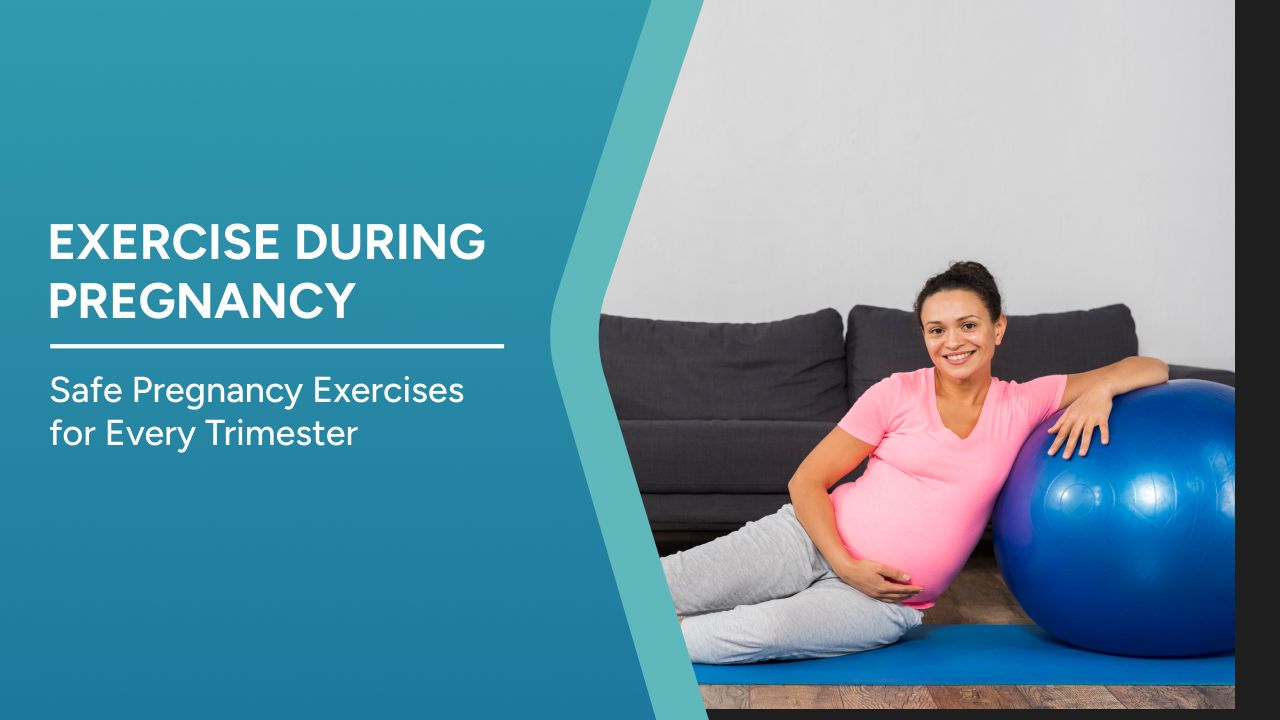
Safe Pregnancy Exercises for Every Trimester
By Dr. Suruchi Desai in Gynaecology & Obstetrics
Oct 12 , 2026

During a first pregnancy, advice about staying active can quickly become confusing. Some people told one expectant mother to avoid exercise completely, while others suggested she continue her usual routine. Unsure about what was actually safe, she raised the question during an antenatal appointment.
Exercise during pregnancy is not about pushing the body harder or maintaining the same fitness routine throughout all nine months. As the body changes with each trimester, the type and intensity of activity may also need to change.
For most women with a healthy pregnancy, suitable pregnancy exercise can support fitness, mobility and overall wellbeing. Understanding which activities may be appropriate during each trimester, and when exercise should be modified or stopped, can help you stay active more safely throughout pregnancy.
Is It Safe To Exercise During Pregnancy?
Regular physical activity can offer several benefits for both the mother and the developing baby. Staying active may help reduce back pain, improve posture, promote better sleep, support healthy weight gain, lower the risk of gestational diabetes, and improve emotional wellbeing.
Exercise can also help build the strength and endurance needed during labour and support recovery after delivery. However, every pregnancy is different. Women with certain medical conditions or pregnancy-related complications may need to modify or avoid specific activities. Speaking with your obstetrician before starting or continuing an exercise programme is the safest approach.
|
Quick Takeaway Pregnancy usually means adapting your exercise routine, not stopping altogether. |
Why Exercise Needs To Change During Pregnancy
Your body changes continuously over the course of pregnancy. Hormonal changes make ligaments more flexible, your centre of gravity gradually shifts, and the extra weight places greater demands on your muscles and joints.
An exercise that feels comfortable during the first trimester may feel unstable or uncomfortable by the third trimester. This is why obstetricians recommend adjusting your routine rather than following the same pregnancy exercises throughout.
One principle that underpins all trimester-appropriate exercise is building core and pelvic floor awareness. These muscles work together to support your growing baby, stabilise your pelvis, and reduce lower back strain. Starting pelvic floor activation habits early - even in the first trimester before obvious changes - means your body is better prepared as it grows.
The focus also changes with each trimester.
|
Trimester |
Primary Goal |
|
First |
Build a safe routine and stay active despite early pregnancy symptoms. |
|
Second |
Maintain strength, mobility, and cardiovascular fitness with suitable modifications. |
|
Third |
Improve comfort, balance, breathing, and prepare the body for labour. |
Safety Tips Before You Begin
Before starting or continuing an exercise routine during pregnancy, keep these safety principles in mind:
- Always get clearance from your obstetrician - especially if you have any pregnancy complications, a history of miscarriage, or a high-risk pregnancy.
- Drink plenty of water before, during, and after every session - dehydration increases the risk of preterm contractions.
- Wear supportive clothing, including a well-fitting sports bra and a belly band for extra abdominal support as your bump grows.
- Avoid overheating, especially during the first trimester - skip hot yoga, exercising in direct sunlight, or humid closed environments. Body temperatures above 38.9°C can affect fetal development early in pregnancy.
- Listen to your body - if something feels wrong, stop immediately and seek advice.
Safe Pregnancy Exercises During The First Trimester
The first trimester often brings fatigue, nausea, and hormonal changes that make exercise feel more challenging than usual. Energy levels may vary from day to day, so flexibility is more important than following a fixed workout schedule.
Walking remains one of the safest ways to stay active because it is easy to adjust according to how you feel. Prenatal yoga helps improve flexibility, posture, and breathing while reducing stress. Swimming provides gentle cardiovascular exercise without putting pressure on your joints. Women who exercised regularly before pregnancy may also continue light strength training after medical clearance.
Safe Pregnancy Exercises During The Second Trimester
For many women, the second trimester is the most comfortable stage of pregnancy. Morning sickness often settles, energy levels improve, and maintaining an exercise routine becomes easier. As your baby grows, posture and balance begin to change. This is a good time to focus on exercises that improve strength, flexibility, and stability while avoiding unnecessary strain.
Walking continues to be one of the safest forms of exercise throughout pregnancy. Swimming and water-based exercises reduce pressure on the joints and help relieve back discomfort. Prenatal yoga and Pilates improve posture, breathing, and core stability, which can be helpful as your pregnancy progresses. If you were strength training before pregnancy, you may be able to continue with lighter weights and controlled movements after discussing your routine with your obstetrician.
Safe Pregnancy Exercises During The Third Trimester
By the third trimester, everyday activities often require more effort. Your growing baby shifts your centre of gravity, making your balance less stable, and your joints become more flexible in preparation for childbirth. Your exercise routine should now focus on comfort, mobility, and preparing your body for labour rather than maintaining fitness levels.
Gentle walking remains an excellent choice for most women. Prenatal yoga, stretching, pelvic floor exercises, and breathing exercises can help improve flexibility, reduce stiffness, and prepare you for labour. Swimming also remains a comfortable option because the water supports your body weight and reduces pressure on your back and hips.
Can You Continue Your Pre-Pregnancy Exercise Routine?
The answer depends on the type of exercise you were doing before pregnancy and how your pregnancy is progressing. Women who exercised regularly before becoming pregnant can often continue many of their activities with suitable modifications. Focus on maintaining fitness safely rather than improving performance.
Your doctor may recommend modifying or avoiding activities that involve:
- Heavy lifting without supervision.
- Contact sports with a risk of abdominal injury.
- Activities with a high risk of falling, such as horse riding or skiing.
- Scuba diving.
- Exercising in very hot or humid conditions.
If you are new to exercise, pregnancy is not the time to begin an intense fitness programme. Starting with gentle activities such as walking or prenatal yoga is usually safer.
Not every pregnancy follows the same course. Women carrying twins, those with high blood pressure, placenta-related conditions, or certain medical concerns may need a personalised exercise plan. Obstetricians at Nanavati Max Super Speciality Hospital tailor these recommendations after assessing both maternal and fetal wellbeing.
When Should You Stop Exercising?
Exercise should leave you feeling energised, not unwell. If you notice any unusual symptoms, stop exercising immediately and seek medical advice.
|
Stop Exercising If You Experience |
Why It Needs Medical Attention |
|
Vaginal bleeding |
May indicate a pregnancy-related complication. |
|
Leakage of fluid |
Could suggest rupture of the membranes. |
|
Severe dizziness or fainting |
May reduce blood flow and requires assessment. |
|
Chest pain or difficulty breathing |
Needs prompt medical evaluation. |
|
Painful contractions or severe abdominal pain |
May require urgent obstetric review. |
|
Reduced fetal movements after they have become established |
Your baby's wellbeing should be assessed promptly. |
Recognising these warning signs allows you to stay active with confidence while knowing when it is safest to pause and seek professional advice.
Read More about the Fetal Development: Growth Stages & Key Milestones
Pregnancy Exercise: Myths And Facts
Conflicting advice from family, friends, and social media often leaves expectant mothers unsure about what is actually safe. Understanding the facts can help you exercise with greater confidence.
|
Myth |
Fact |
|
You should avoid exercise throughout pregnancy. |
Most women with uncomplicated pregnancies benefit from regular, moderate exercise after medical approval. |
|
Walking is the only safe exercise. |
Swimming, prenatal yoga, Pilates, and modified strength training may also be suitable, depending on your health and stage of pregnancy. |
|
Exercise can harm the baby. |
Appropriate exercise is generally considered safe and supports a healthy pregnancy. |
|
You should keep exercising at the same intensity as before pregnancy. |
Your routine should be adjusted as your body changes throughout pregnancy. |
The safest exercise plan is one that is personalised to your pregnancy rather than based on general advice from others.
What Happens Next As Your Pregnancy Progresses?
Your body and your baby's needs continue to change throughout pregnancy, so your exercise routine should evolve as well.
|
As Your Pregnancy Changes |
Your Exercise Plan May Change By |
|
Your baby grows |
Choose activities that improve balance and reduce strain on your back and hips. |
|
Energy levels fluctuate |
Adjusting the duration and intensity of your workouts. |
|
Mobility becomes limited |
Spending more time on stretching, breathing exercises, and pelvic floor training. |
|
Labour approaches |
Focusing on comfort, flexibility, relaxation, and preparation for childbirth. |
Regular antenatal appointments provide an opportunity to discuss any concerns about exercise, review your routine, and make changes if your pregnancy or health status changes.
Disclaimer
This article is intended for general educational purposes only and should not replace professional medical advice, diagnosis, or treatment. Always consult a qualified gynaecologist before starting, continuing, or changing an exercise programme during pregnancy.
Conclusion
Staying active during pregnancy is less about following a fixed workout routine and more about adapting exercise as the body changes through each trimester. Walking, swimming, prenatal yoga, pelvic floor exercises, and modified strength training may suit many women, provided the pregnancy is uncomplicated and the activities are appropriate for the stage of pregnancy.
Regular physical activity can support mobility, comfort, and overall wellbeing, but it is equally important to recognise when to slow down or stop. Paying attention to warning signs, adjusting intensity and discussing any concerns with an obstetrician can help make pregnancy exercise safer throughout all three trimesters.
Frequently Asked Questions
1. How Much Exercise Is Recommended During Pregnancy?
Most women with uncomplicated pregnancies are encouraged to aim for at least 150 minutes of moderate-intensity physical activity each week. Your obstetrician may adjust this recommendation based on your individual health and pregnancy.
2. Is Walking Enough During Pregnancy?
Walking is one of the safest and most beneficial forms of exercise. Combining it with prenatal yoga, stretching, pelvic floor exercises, or light strength training can provide additional benefits if recommended by your doctor.
3. Can I Go To The Gym While Pregnant?
Many women can continue going to the gym with appropriate modifications and medical clearance. Avoid heavy lifting, contact sports, and activities with a high risk of falling.
4. Is It Safe To Exercise Every Day?
Light to moderate physical activity is safe for many pregnant women, provided the pregnancy is uncomplicated and the exercise programme has been approved by an obstetrician. Rest whenever you feel unusually tired or unwell.
5. Is it safe to exercise in the third trimester?
Yes, for most women. Focus on low-impact activities like walking, swimming, prenatal yoga, and pelvic floor exercises. Avoid exercises that require balance (risk of falling) and those that cause pelvic pain.
6. Are Kegel exercises safe during pregnancy?
Yes. Kegel (pelvic floor) exercises are specifically recommended throughout pregnancy. They strengthen the muscles that support the uterus, bladder, and bowel, can reduce urinary leakage, and may aid labour and recovery.

Written and Verified by:

Related Blogs


Dr. Gayatri Deshpande In Gynaecology & Obstetrics
Oct 06 , 2026 | 9 min read

Dr. Gayatri Deshpande In Gynaecology & Obstetrics
Oct 06 , 2026 | 7 min read
Blogs by Doctor

Fetal Heart Rate: Monitoring During Trimesters and Its Link to Baby Gender Myths
Dr. Suruchi Desai In Gynaecology & Obstetrics
Oct 06 , 2026 | 6 min read

False Positive and False Negative hCG Test Results Explained
Dr. Suruchi Desai In Gynaecology & Obstetrics
Sep 29 , 2026 | 9 min read
Most read Blogs



Related Blogs
Dr. Gayatri Deshpande In Gynaecology & Obstetrics
Oct 06 , 2026 | 9 min read
Dr. Gayatri Deshpande In Gynaecology & Obstetrics
Oct 06 , 2026 | 7 min read
Blogs by Doctor
Fetal Heart Rate: Monitoring During Trimesters and Its Link to Baby Gender Myths
Dr. Suruchi Desai In Gynaecology & Obstetrics
Oct 06 , 2026 | 6 min read
False Positive and False Negative hCG Test Results Explained
Dr. Suruchi Desai In Gynaecology & Obstetrics
Sep 29 , 2026 | 9 min read
Most read Blogs