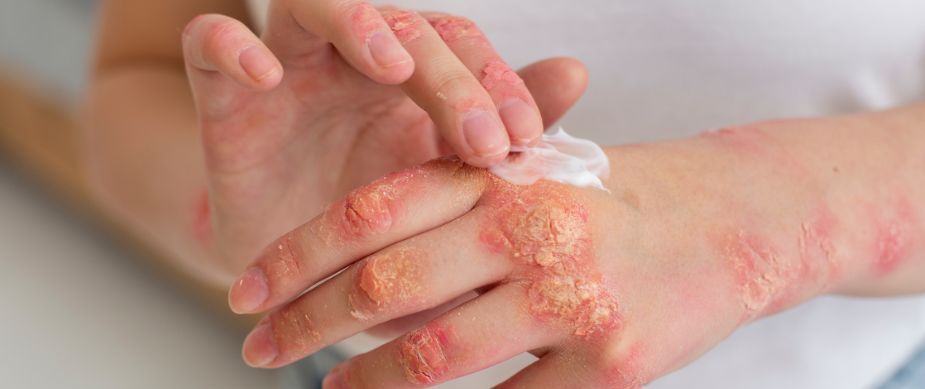
Fungal Infections: Everything You Need to Know
By Medical Expert Team
Aug 05 , 2026 | 7 min read

In recent years, fungal infections, also known as mycosis, have become more prevalent worldwide, particularly in tropical climates like India where humidity is high. They do not just cause discomfort but can become a significant underlying health issue if left unmanaged. A fungal infection can be extremely diverse, ranging from minor superficial skin infections to infections of the fingernail or toenail and even life-threatening infections of internal organs. This blog explains the different kinds of fungi that cause these infections and how they must be managed and treated.
A fungal infection is caused by invasive fungi that overgrow a host's tissues, leading to localized or generalised health problems. These organisms particularly thrive in the moist and warm conditions of the human body, which facilitates colonisation and infection. The symptoms of fungal infection can range from mild irritations such as itching to potentially fatal systemic diseases, depending on the type of fungus and location involved. The specific fungus needs to be explicitly identified through clinical diagnosis, as the species determines the most suitable strategy for treatment.
Common Types of Fungal Infections
The pathogens that cause fungal disease can be categorised into three major types: dermatophytes, yeasts, and moulds. Understanding these categories is essential for identifying the specific signs of fungal infection.
1. Dermatophytes (Skin, Hair, and Nail Fungi)
These fungi primarily infect the skin, hair, and nails. They cause some of the most common diseases, such as athlete's foot (tinea pedis) and ringworm (tinea corporis). Dermatophytes survive by digesting the keratin found in these tissues. They are highly contagious and spread through direct contact or contaminated surfaces.
2. Yeasts (Candidiasis and Others)
Yeasts, specifically Candida species, infect individuals, particularly those with decreased immunity. They may lead to systemic infections that are potentially more serious if they enter the bloodstream (Candidemia). Common yeast-related issues include oral thrush and vaginal yeast infections.
3. Moulds (Aspergillosis and Deep Mycosis)
While superficial mould infections are less common, pathogenic moulds like Aspergillus pose a severe risk. They can lead to respiratory issues when fungi infect the lungs. Invasive aspergillosis is a critical concern for those with chronic lung diseases or post-viral complications.
Know More about the Most Common Symptoms of Skin Disease
Recognizing the Symptoms of Fungal Infection: From Superficial to Systemic
Fungal infection symptoms appear in different parts of the body, and their severity varies depending on the area affected. Recognising these signs of fungal infection early can help you seek the right treatment before complications arise.
Skin Infections (Superficial Mycosis)
The skin is often the first place where symptoms of fungal infection become noticeable. Common signs include itching, redness, and rashes. For example:
- Athlete's Foot: This infection typically affects the area between the toes. You might notice peeling, cracked skin that feels itchy or burns.
- Ringworm: Despite its name, ringworm is a fungal infection (tinea), not caused by a worm. It presents as a round, red rash with clear skin in the centre, giving it a ring-like appearance.
Onychomycosis (Nail Fungal Infections)
Fungal infection can also target the fingernails or toenails. Signs of a nail infection include:
- Discolouration: Nails may turn yellow, brown, or white.
- Thickening: The nails become significantly thicker than usual.
- Brittleness: Infected nails can become brittle and may crumble easily.
Severe Symptoms of Fungal Infection
In more severe cases, fungi can enter the bloodstream and spread throughout the body, leading to systemic infections. If you experience these severe symptoms of fungal infection, seek immediate medical attention:
- Persistent High Fever and Chills.
- Respiratory Distress: Shortness of breath, chest pain, or coughing up blood.
- Neurological Changes: Confusion, headaches, or a stiff neck.
Read More about Skin Rashes - Types, Symptoms, Causes & Treatment
Is Fungal Infection Dangerous? Understanding Risks and Complications
Many people ask, "is fungal infection dangerous?" While many are mild, leaving an infection untreated can lead to severe complications. High-risk groups include the elderly, organ transplant recipients, and those with uncontrolled diabetes.
If left unchecked, a superficial skin fungus can lead to secondary bacterial infections (cellulitis) through cracked skin. In vulnerable patients, fungi can disseminate to the brain, heart, or kidneys, resulting in sepsis—a life-threatening medical emergency.
Any decision to purchase over-the-counter (OTC) antifungal medications should be made after consulting a healthcare professional, as improper use can lead to antifungal resistance.
Diagnosis and Treatment Options
How We Diagnose Fungal Infections
- KOH Mount: A quick test where skin cells are examined under a microscope.
- Fungal Culture: Growing the fungus in a lab to identify it precisely.
- Wood’s Light Test: Using UV light to see if certain fungi glow.
Treatment Options for Fungal Infections
Treating fungal infections depends on where and how severe they have become. Here are the common ways to treat them using simple methods.
Topical Treatments
For infections on your skin or nails, doctors often suggest antifungal creams, lotions, or ointments. You apply these medicines directly to the infected area. They work by killing the fungus or stopping it from growing. It's essential to use them precisely as directed, usually for several weeks, to ensure the infection completely disappears. These treatments are convenient and can be bought over the counter or prescribed by a doctor.
Oral Medications
You might need oral medications if the infection is more severe or doesn't improve with topical treatments. These are pills or liquids you take from the mouth. They work throughout your body to fight off the fungus. Oral antifungal medicines are beneficial for stubborn nail infections or infections that have spread deeper into your body. A doctor will prescribe these and monitor you for any side effects.
Home Remedies
Along with medical treatments, specific home care steps can help you recover faster. Keeping the affected area clean and dry is important because fungi love moist environments. Wash the area gently with soap and water, then dry it thoroughly. Wearing loose, breathable clothing can prevent moisture from building up. Some people use natural remedies like tea tree oil or apple cider vinegar, but it's a good idea to talk to a doctor before trying these.
Prevention Tips for Fungal Infections
Hygiene Practices
Good personal hygiene is crucial in preventing fungal infections. This includes keeping the skin dry and clean, especially in fold areas such as under the breasts or the groin.
Lifestyle Adjustments
Avoid sharing personal items like towels and toiletries that can transfer fungi from one person to another. Wearing footwear in communal areas like locker rooms or pools can also help reduce your risk of infection.
Read More about When is Itchy Skin a Sign of Cancer?
Disclaimer: The information provided in this article is for educational purposes only and should not be used as a substitute for professional medical advice, diagnosis, or treatment. Always seek the advice of a qualified dermatologist or healthcare provider regarding any medical condition.
Frequently Asked Questions
1. Who Should I See for Treating a Fungal Infection?
You should see a dermatologist or healthcare provider specializing in skin conditions to diagnose and treat fungal infections effectively.
2. How is a Fungal Infection Diagnosed?
A fungal infection is diagnosed through a physical examination, patient history, and sometimes skin scrapings or lab tests to confirm the type of fungus.
3. How Do I Know If I Have a Fungal Infection?
Common signs of a fungal infection include redness, itching, scaling, or a rash on the affected area. Consult a doctor for an accurate diagnosis.
4. Can Fungal Infections Spread to Others?
Yes, fungal infections can spread through direct contact, shared items, or contaminated surfaces. Proper hygiene can help prevent transmission.
5. Are Fungal Infections Serious?
Most fungal infections are mild and treatable, but some can become serious if left untreated, especially in people with weakened immune systems.
6. How Can I Avoid Getting a Fungal Infection?
Maintain good hygiene, keep your skin dry, wear breathable clothing, and avoid sharing personal items to reduce the risk of fungal infections.
7. Can a fungal infection affect my internal organs?
Yes, certain types of fungal infection, such as systemic candidiasis or aspergillosis, can move beyond the skin to affect the lungs, blood, or brain. While rare in healthy individuals, it is fungal infection dangerous for those with compromised immune systems, as it can lead to organ dysfunction if not treated promptly.
8. Why does my fungal infection keep coming back?
Recurrence is common if the environment remains moist or if the full course of treatment is not completed. Symptoms of fungal infection may disappear superficially, but the fungus can remain dormant in deeper skin layers or on contaminated items like old shoes and towels.
9. How long does it usually take for symptoms of fungal infection to clear?
Mild skin infections typically show improvement within 1 to 2 weeks of consistent treatment. However, nail infections (onychomycosis) may require 3 to 6 months of medication because the fungus resides within the hard nail plate, which grows slowly.
10. Can I exercise or swim while I have a fungal infection?
It is advisable to avoid public pools or communal gyms until the signs of fungal infection have resolved. Sweat and moisture can worsen the condition, and you risk spreading the infection to others through shared surfaces.
References
1. Bongomin, F., Gago, S., Oladele, R. O., & Denning, D. W. (2017). Global and Multi-National Prevalence of Fungal Diseases—Estimate Precision. Journal of Fungi, 3(4), 57. https://doi.org/10.3390/jof3040057
Related Blogs

Medical Expert Team
Oct 06 , 2026 | 8 min read

Medical Expert Team
Oct 06 , 2026 | 9 min read

Most read Blogs



Related Blogs
Medical Expert Team
Oct 06 , 2026 | 8 min read
Medical Expert Team
Oct 06 , 2026 | 9 min read
Most read Blogs