How to Protect Your Child from RSV During the Cold Season?
By Dr. Hemalata Arora in Internal Medicine
Aug 05 , 2026 | 5 min read

RSV is a very common infection that affects the respiratory system, especially in younger children. At times, though, it will just seem like the common cold, but sometimes it may lead to serious issues, especially for infants and toddlers. Therefore, parents must know about this virus and watch out for it more often during the cold season.
Children under six months are the most vulnerable, and the virus spreads easily, leaving parents wondering what they can do about their little ones. So, let's know the symptoms, causes, ways of preventing RSV, and practical tips to keep your child safe and healthy during the colder months.
What is RSV?
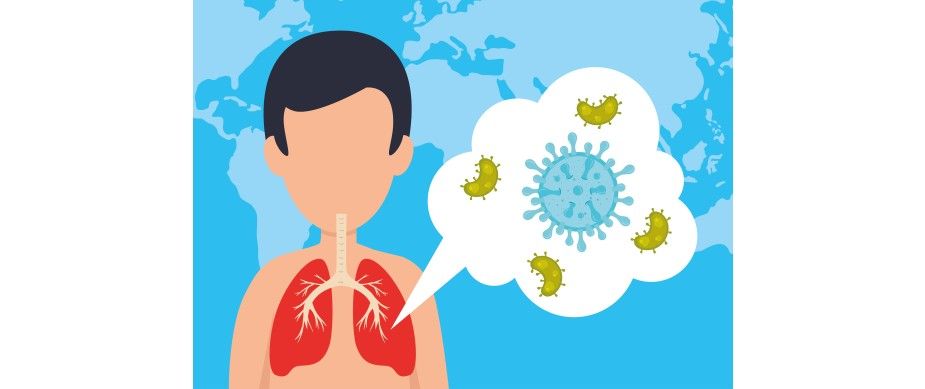
Respiratory Syncytial Virus (RSV) is a virus that causes infections of the respiratory tract. Its cases tend to rise during the colder months, and there is a reason for this. Viruses such as RSV prefer cooler temperatures, and people tend to spend more time indoors, thus increasing close-contact situations. Dry air in winter irritates the nasal passages, which allows the virus to easily infect the respiratory system. In addition, cold weather lets people close the room windows, which reduces ventilation in living areas. This enables the virus to spread more rapidly.
Why is RSV More Prevalent During the Cold Season?
You may have noticed that RSV cases tend to rise during the colder months, and there is a reason for this. Viruses such as RSV prefer cooler temperatures, and people tend to spend more time indoors, thus increasing close-contact situations. Dry air in winter irritates the nasal passages, which allows the virus to easily infect the respiratory system. Also, cold weather leads to closed windows and reduced ventilation in living areas, which facilitates the virus spreading more rapidly.
Read More about Bronchiolitis in Children: Symptoms, Causes, Risks, and Treatment
Symptoms of RSV in Children
Common Symptoms
RSV symptoms are very similar to those of a common cold. Your child may experience a runny nose and a mild cough. As the infection spreads, they may develop a fever, irritability, and difficulty feeding. These symptoms appear a few days after exposure to the virus and can last a week or so.
Severe Symptoms
In some cases, RSV can become more serious, especially in infants or children with preexisting conditions. If your child has wheezing, struggles to breathe, or has a bluish tint around their lips or nails, treat them as early symptoms. Dehydration is another concern, often noticeable if your child has fewer wet diapers or cries without tears. These severe symptoms need immediate medical attention.
Risk Factors for RSV in Children
RSV doesn’t affect all children equally. Infants under six months old are at the highest risk because their immune systems are still developing. Children with ailments like asthma, heart disease, or premature birth are more likely to experience severe complications.
Daycare settings, schools, and crowded places increase the likelihood of exposure to RSV. Parents should also be cautious if there are older siblings at home who might bring the virus back from school or playdates.
Know More about Pneumonia in Children: Everything You Need to Know
Ways to Protect Your Child from RSV During Cold Season
Prevention begins with good hygiene practices. You must teach your child to wash hands frequently and avoid touching their face. When at home, make sure to sanitise high-touch things like toys, tables, and doorknobs. If someone in the family has a cold, try to limit close contact with the child, especially infants.
Strengthening Your Child’s Immunity
A strong immune system is the best defence. Nutrition plays a huge role here. Give meals like dal-rice, vegetable soups, and fresh fruits like oranges and guavas, which are rich in vitamin C.
For non-veg options, chicken soup or lightly spiced fish curry can be comforting and nourishing. Being hydrated is also very important. Encourage your child to drink water, coconut water, or warm broths.
Adequate sleep also supports immunity, so make sure your child is getting enough rest. Seasonal flu shots, while not specific to RSV, can reduce overall respiratory risks and are worth discussing with your paediatrician.
Adjusting Daily Routines
Small changes in the daily routine of your child can make a big difference. Avoid malls or play areas when they are very crowded and the cold season is at its peak. When outdoors, ensure your child is dressed with layers that can easily be adjusted when needed. Monitor your child's daycare or school and bring to the attention of teachers any problems in hygiene practices.
When to Consult a Paediatrician
If your child has difficulty breathing, persistent wheezing, or a high fever, it’s time to seek medical advice. Young kids with RSV symptoms should be monitored closely, as their condition can worsen quickly. At Nanavati Max Super Speciality Hospital, our paediatric specialists provide comprehensive care for your child’s safety and recovery.
Treatment Options
Home Care for Mild Cases
For a mild RSV case, concentrate on getting your child as comfortable as possible. You can install a humidifier in their room to keep the air moist and facilitate easy breathing. Keep them hydrated with warm fluids like clear soups, herbal teas and milk. Common fever medication such as paracetamol may help in the case of fevers; however, the child's doctor should be consulted before giving any medication.
Medical Treatment for Severe Cases
In severe cases, children might need medical intervention. Oxygen therapy is one of the most common given to children who are unable to breathe. In some severe cases, intravenous fluids and close monitoring require hospitalisation.
Conclusion
Protecting your child from RSV during the cold season is not just about keeping the virus at bay but also about proactively strengthening their immunity and good hygiene habits. This can be as simple as having nutritious meals, proper rest, and regular paediatric check-ups.
We at Nanavati Max Super Speciality Hospital are well aware of the specific health challenges children face in cold weather. If you have concerns regarding your child's symptoms or prevention, consult a specialist today!
Frequently Asked Questions
1. What are the early signs of RSV in children?
The early signs usually include a runny nose, mild cough, and slight fever, often resembling a common cold.
2. How can I protect my child from RSV at daycare?
Ensure the daycare follows strict cleaning and hygiene protocols. Teach your child to wash their hands frequently and avoid sharing toys or food.
3. Is RSV contagious to adults?
Yes, RSV can infect adults, but symptoms are typically mild and cold-like. However, adults can pass the virus to young children.
4. Can RSV be prevented through vaccination?
While there isn’t a direct vaccine for RSV, keeping your child up-to-date on other vaccinations, like the flu shot, can reduce respiratory risks.
5. How long does RSV last in children?
Most RSV cases last 7-10 days, although severe symptoms may require longer recovery times.
6. How is RSV treated?
Mild cases can be managed at home with rest, hydration, and fever control. Severe cases may need oxygen therapy or hospitalisation.

Written and Verified by:

Related Blogs

Medical Expert Team
Oct 06 , 2026 | 8 min read

Medical Expert Team
Oct 06 , 2026 | 9 min read

Blogs by Doctor

High Hemoglobin Levels - Everything You Need to Know
Dr. Hemalata Arora In Internal Medicine
Oct 06 , 2026 | 8 min read

Vitamin D Deficiency: Symptoms, Causes, and Health Risks
Dr. Hemalata Arora In Internal Medicine
Oct 05 , 2026 | 5 min read

Vitamin D Supplements: What They Are and Who Really Needs Them
Dr. Hemalata Arora In Internal Medicine
Sep 14 , 2026 | 6 min read
Most read Blogs



Related Blogs
Medical Expert Team
Oct 06 , 2026 | 8 min read
Medical Expert Team
Oct 06 , 2026 | 9 min read
Blogs by Doctor
High Hemoglobin Levels - Everything You Need to Know
Dr. Hemalata Arora In Internal Medicine
Oct 06 , 2026 | 8 min read
Vitamin D Deficiency: Symptoms, Causes, and Health Risks
Dr. Hemalata Arora In Internal Medicine
Oct 05 , 2026 | 5 min read
Vitamin D Supplements: What They Are and Who Really Needs Them
Dr. Hemalata Arora In Internal Medicine
Sep 14 , 2026 | 6 min read
Most read Blogs