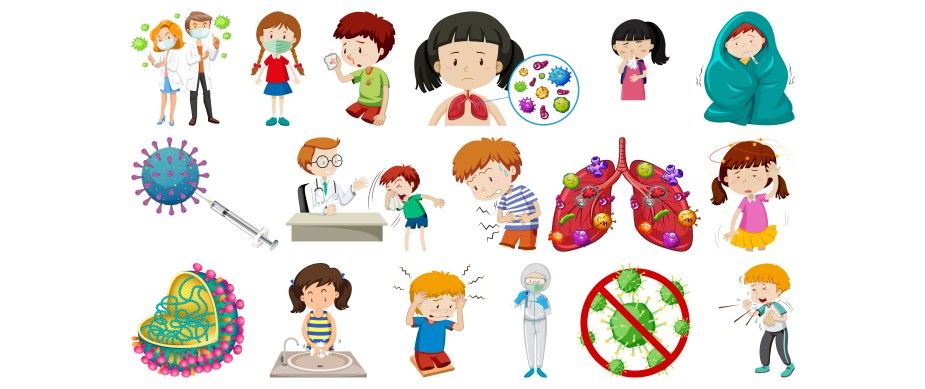
Pneumonia in Children: Everything You Need to Know
By Dr. Salil S. Bendre in Interventional Pulmonology Unit
Aug 04 , 2026 | 5 min read

Pneumonia in children is a serious respiratory infection that impacts the lungs, making it difficult to breathe normally. In India, pneumonia remains a leading cause of hospitalization for those under five, making it vital for parents to identify symptoms of pneumonia in children early. In this comprehensive guide, we examine pneumonia in children, its specific pneumonia symptoms in kids, causes, and evidence-based treatment options, along with prevention of pneumonia in children strategies that every parent should know.
What is Pneumonia in Children?
Pneumonia is a lung infection that inflames the air sacs (alveoli). These sacs fill up with pus or fluid, making it difficult for oxygen to reach the bloodstream. In children, it often begins as a simple cold or upper respiratory infection but can progress rapidly.
The condition is generally classified based on its pathogen:
- Bacterial Pneumonia: Caused by bacteria like Streptococcus pneumoniae. This type often appears suddenly and presents with more severe symptoms.
- Viral Pneumonia: Caused by viruses such as influenza or respiratory syncytial virus (RSV). This is the most common form in toddlers.
- Fungal Pneumonia: Rare in healthy children but can affect those with weakened immune systems.
Emergency Pneumonia Symptoms in Kids
If your child exhibits any of the following "red flag" symptoms, seek emergency medical care immediately:
- Nasal Flaring: Widening of the nostrils while breathing.
- Chest Retractions: The skin pulling in around the ribs or neck during inhalation.
- Cyanosis: A bluish tint to the lips, tongue, or fingernails.
- Grunting: A rhythmic sound made during exhaling.
- Extreme Lethargy: Difficulty waking up or staying conscious.
How Does Pneumonia Affect Children Differently Than Adults?
The immune systems of children are still developing, making them more susceptible to infection. Also, their airways are significantly smaller. When swelling or mucus develops in these narrow airways, they become blocked much more easily. According to pediatric guidelines, infants are at the highest risk because they cannot effectively clear secretions.
Learn More about Pediatric Diseases
Common Symptoms of Pneumonia in Children
1. Persistent Cough
One of the earliest signs of pneumonia is a persistent cough. Initially, it may sound dry, but as the infection progresses, the child may start coughing up thick mucus.
2. Rapid or Shallow Breathing (Tachypnea)
Increased respiratory rate is one of the most reliable pneumonia symptoms in kids. You might notice that their ribs pull inward (intercostal retractions) when they inhale.
3. Fever and Sweating
In pediatric pneumonia, temperatures can go above 102°F (38.9°C). If the fever does not respond to medication or lasts more than 3 days, a consultation with a general physician or pediatrician is necessary.
4. Chest Pain or Abdominal Pain
A child may sometimes complain of pain in the abdomen instead of the chest, especially if the infection is in the lower lobes of the lungs.
Know More about Common Myths About Pneumonia in Children
Understanding "Walking Pneumonia" in Kids
Walking pneumonia is a non-medical term for a milder form of the disease, often caused by Mycoplasma pneumoniae. Symptoms often include a hacking cough, low-grade fever, and a persistent headache.
Common Causes of Pneumonia in Children
- Bacterial Infections: Streptococcus pneumoniae is the most frequent cause.
- Viral Infections: RSV is a major cause in infants under 2 years.
- Environmental Risk Factors: Exposure to secondhand smoke or air pollution significantly increases the susceptibility to lung infections.
Diagnosis and Professional Care
Since pneumonia shares symptoms with many other childhood illnesses, a thorough diagnosis is essential. At Nanavati Max Hospital, our pediatric experts utilize advanced diagnostics to ensure accurate treatment.
- Chest X-ray: The definitive way to visualize lung infection.
- Pulse Oximetry: To check oxygen saturation levels.
- Sputum Test: Examines mucus samples to pinpoint the cause.
Know the Difference between Paediatrician vs Pediatric Surgeon: Roles & When to Visit
Treatment for Pneumonia in Children
Antibiotics and Antiviral Medications
Treatment depends on whether the causes of pneumonia in children are bacterial or viral. If bacteria are responsible, doctors typically prescribe antibiotics like amoxicillin. Viral cases require supportive care.
Home Care vs. Hospitalization
|
Symptom |
Home Care |
Hospitalization Required |
|
Breathing |
Slightly faster, but comfortable |
Labored, retractions, or blue lips |
|
Hydration |
Drinking fluids, normal urine |
Signs of dehydration |
|
Oxygen |
Normal saturation (>95%) |
Low oxygen levels (Hypoxia) |
Learn More about Pediatric Diseases
Prevention of Pneumonia in Children
- Vaccinations: The Pneumococcal Conjugate Vaccine (PCV) and Annual Flu vaccine are the most effective prevention strategies.
- Good Hygiene: Frequent handwashing reduces germ spread.
- Nutrition: Proper nutrition and breastfeeding provide essential antibodies.
Conclusion
Pneumonia in children can be a daunting diagnosis for any parent, but with early detection and the right medical intervention, most children recover fully without long-term complications. Recognizing the pneumonia symptoms in kids, such as rapid breathing and persistent cough, is the first step toward effective management. By staying updated with the prevention of pneumonia in children—specifically through timely vaccinations and hygiene—you can significantly reduce your child's risk. If you notice any "red flag" signs, do not hesitate to consult a general physician or a pediatric specialist immediately to ensure your child’s respiratory health is protected.
Disclaimer: The information provided in this blog is for educational purposes only and should not be considered as a substitute for professional medical advice, diagnosis, or treatment. Always seek the advice of your physician or other qualified health provider with any questions you may have regarding a medical condition.
Frequently Asked Questions
1. What are the common signs of pneumonia in children?
A persistent cough, rapid breathing, fever, chest pain, and extreme tiredness are common symptoms.
2. How can I tell if my child’s cough is caused by pneumonia?
If your child has a wet cough producing mucus, along with fever, difficulty breathing, or fatigue, it could be pneumonia.
3. Is pneumonia contagious in children?
The viruses and bacteria that cause pneumonia can spread from person to person. Good hygiene and vaccination help prevent infections.
4. How is pneumonia treated in children?
Bacterial pneumonia is treated with antibiotics, while viral pneumonia requires supportive care such as rest, fluids, and fever management.
5. What are the risk factors for pneumonia in children?
Young age, weak immune systems, chronic conditions like asthma, and exposure to pneumonia risk factors like pollution or secondhand smoke.
6. Can pneumonia in children be prevented with a vaccine?
Yes, the pneumococcal vaccine (PCV) and influenza vaccine significantly reduce the risk of pneumonia.
7. When should I take my child to the doctor for pneumonia symptoms?
If symptoms worsen, breathing becomes difficult, or the child is too weak to eat or drink, immediate medical help is needed.
8. Which doctor will treat pneumonia?
A paediatrician at Nanavati Max Super Speciality Hospital can provide the best care for pneumonia in children.
References
1. World Health Organization. (2022). Pneumonia in children.https://www.who.int/news-room/fact-sheets/detail/pneumonia

Written and Verified by:

Related Blogs

Dr. Salil S. Bendre In Interventional Pulmonology Unit
Oct 04 , 2026 | 5 min read

Dr. Salil S. Bendre In Interventional Pulmonology Unit
Aug 05 , 2026 | 8 min read
Blogs by Doctor

Understanding Breathing Difficulty: Common Symptoms and Causes
Dr. Salil S. Bendre In Pulmonary Function Testing Unit
Oct 06 , 2026 | 6 min read
Strep Throat and Its Connection to Other Health Issues
Dr. Salil S. Bendre In Interventional Pulmonology Unit
Oct 04 , 2026 | 5 min read
Most read Blogs



Related Blogs
Dr. Salil S. Bendre In Interventional Pulmonology Unit
Oct 04 , 2026 | 5 min read
Dr. Salil S. Bendre In Interventional Pulmonology Unit
Aug 05 , 2026 | 8 min read
Blogs by Doctor
Understanding Breathing Difficulty: Common Symptoms and Causes
Dr. Salil S. Bendre In Pulmonary Function Testing Unit
Oct 06 , 2026 | 6 min read
Strep Throat and Its Connection to Other Health Issues
Dr. Salil S. Bendre In Interventional Pulmonology Unit
Oct 04 , 2026 | 5 min read
Most read Blogs