Current COVID-19 Scenario in India: Rising Cases, New Variants, Symptoms, and High-Risk Groups
By Dr. Harshad Limaye in Internal Medicine
Aug 05 , 2026 | 5 min read

COVID-19 India is once again in the headlines. While the numbers are still relatively low, the rise in COVID-19 cases in India and talk around a new COVID variant have caught everyone’s attention. After years of quiet, this subtle resurgence is a reminder that the virus hasn’t vanished; just that we need to be more vigilant about its presence in our lives. In this post, we’re going to break down what’s happening, what symptoms to watch out for, who’s most at risk, and how you can stay protected without losing your peace of mind.
Surge in COVID-19 Cases Across India
In recent weeks, there’s been a spike in COVID-19 cases across a few Indian states. Kerala, Maharashtra, Delhi and Tamil Nadu have reported most cases, with 1010 active COVID patients under treatment as on May 26, 2025. That may not seem like a lot, but doctors and officials are watching the trend carefully.
This uptick in numbers is likely due to a mix of reasons - immunity from earlier vaccines has reduced, many people skipped booster doses, and have also let go of basic social distancing precautions during festivals, events, and crowded travel. So far, most of the current infections are mild, and many patients are recovering at home. But it’s still important to pay attention, especially as new strains continue to emerge.
COVID-19 Variants Driving the Surge
One of the reasons for the increase is the new COVID variant known as JN.1. It’s a cousin of the earlier Omicron variants and seems to spread more easily. Variants like LF.7 and NB.1.8, parts of JN.1, have already led to large case numbers in places like Singapore and Hong Kong.
In India, health authorities are monitoring things closely. While there’s no official confirmation that JN.1 is dominant, its characteristics suggest that it's likely responsible for many new cases.
Typical Symptoms of Current COVID-19 Strains
The current COVID-19 strains, including JN.1 and its sub-lineages, still present many familiar symptoms. However, the intensity, order, and even the presence of some signs have shifted slightly. Here’s a quick guide to help you recognise what you might be experiencing:
Common Symptoms:
- Mild fever – Typically lasts a couple of days.
- Dry, nagging cough – May persist longer than expected.
- Sore throat, runny or blocked nose, and body aches – Often appear, though not always together.
- Loss of taste or smell – Now less common, but some people report a temporary dullness in flavour or aroma.
Notable Trends:
- Headaches and muscle pain – Increasingly reported, especially among younger adults.
- Fatigue – Still the most widespread symptom; many feel drained even after fever or cough subsides, with tiredness lingering for days or weeks.
- Digestive issues – Diarrhoea, mild nausea, or stomach discomfort are becoming more frequent, sometimes occurring early or later in the infection.
Variability in Symptoms:
- Mild or limited symptoms – Some individuals experience only one or two signs, such as a sore throat or slight body ache.
- Children’s symptoms – Often subtle, including irritability, reduced appetite, or low energy, without the usual cough or fever.
Who is Most Vulnerable in the Current Wave?
While many bounce back quickly, some people remain more vulnerable. This includes older adults, especially those over 60, children under 5, and people with pre-existing conditions like diabetes, heart problems, or low immunity. Pregnant women and those undergoing treatments like chemotherapy procedures should also be extra cautious.
Urban areas are showing more activity due to travel, office crowding, and gatherings. However, rural areas can’t be ignored either, since limited access to testing and delayed care often pose a challenge.
Preventive Measures to Follow Amid Rising Cases
It’s easy to forget the basics, but they still work.
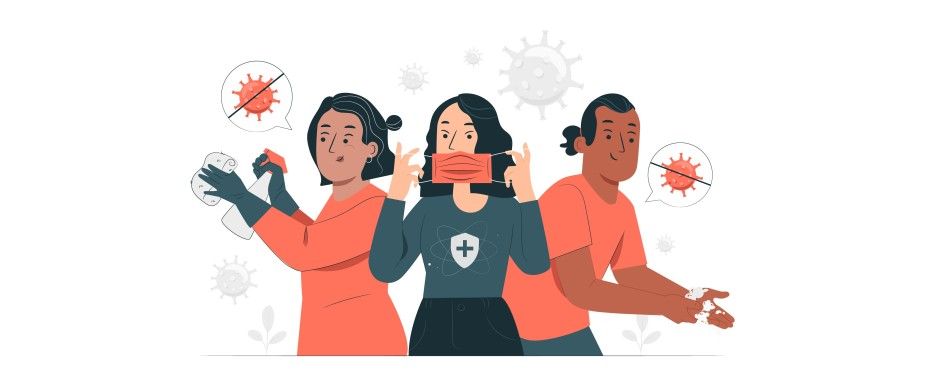
- Wearing a mask in crowded indoor spaces, especially if you're coughing or sneezing, is still a smart move.
- Keep your hands clean. Soap and water or a good hand sanitiser both do the job.
- If you're indoors, try to keep rooms well-ventilated. Even opening a window helps.
- And if you’re eligible for a booster but haven’t taken it yet, now is a good time.
How to Protect Vulnerable Groups?
If someone in your home is elderly or has health issues, small adjustments can make a big difference. Limit their contact with people who have cold-like symptoms. Urge them to wear masks when stepping out or attending check-ups. For children, teach them basic hygiene in a simple, encouraging way. If anyone at home feels unwell, avoid close contact until they feel better.
What to Do If You Suspect Infection?
If you start to feel unwell, whether it’s a cough, mild fever, or sore throat, don’t ignore it. Take rest, hydrate, and consider testing, especially if you’ve been in contact with someone who tested positive. RT-PCR tests are still the standard, but rapid antigen tests work if you need quicker results.
If your test comes back positive, stay home and isolate if you can. Use a separate bathroom if available, wear a mask around others, and don’t share towels or utensils. If symptoms worsen, like breathlessness or a high, lasting fever, see a doctor right away.
Conclusion
The current COVID-19 India situation reminds us that the virus is still around, even if it’s not making headlines every day like it was back in 2020. The appearance of a new COVID variant and a rise in COVID-19 cases in India show us why staying alert is better than being caught off guard. Stick to what you already know works - masks, hygiene, good food, rest and social distancing.
At Nanavati Max Super Speciality Hospital, we continue to support you with the latest diagnostics, care plans, and vaccination guidance. If you or your family members are experiencing symptoms or have concerns about COVID-19, please book a consultation at your earliest.
Frequently Asked Questions
1. Is COVID again rising in India?
There are new COVID cases found in some parts of the country. We should continue to take precautions, especially for elderly individuals and those with serious health problems.
2. What is the current COVID variant?
The most current variants in circulation are subvariants of Omicron, including JN.1 and its sub-lineages. The new variant appears to have mild symptoms with a faster transmission rate.
3. How serious is the latest strain of COVID?
The latest strain appears to cause mild to moderate symptoms in most people, but it can still be risky for older adults or those with chronic health issues.
4. Is there a medicine for COVID?
Antiviral medications or over the top medicines for fever and body aches are available. However, rest and isolation remain key for most mild to moderate cases.
5. What to eat with COVID?
Eat light, nutritious meals like fruits, soups, vegetables, and protein-rich foods. Stay hydrated and avoid oily or heavy dishes to help your body recover faster.

Written and Verified by:

Related Blogs

Medical Expert Team
Oct 06 , 2026 | 8 min read

Medical Expert Team
Oct 06 , 2026 | 9 min read

Blogs by Doctor

Chickenpox Home Care Tips: How to Relieve Itching and Fever Safely
Dr. Harshad Limaye In Internal Medicine
Oct 06 , 2026 | 4 min read

Chicken Pox Symptoms and Causes: What You Need to Know
Dr. Harshad Limaye In Internal Medicine
Oct 06 , 2026 | 6 min read
Cholera in Children: Symptoms Parents Should Never Ignore
Dr. Harshad Limaye In Internal Medicine
Oct 06 , 2026 | 4 min read
Most read Blogs



Related Blogs
Medical Expert Team
Oct 06 , 2026 | 8 min read
Medical Expert Team
Oct 06 , 2026 | 9 min read
Blogs by Doctor
Chickenpox Home Care Tips: How to Relieve Itching and Fever Safely
Dr. Harshad Limaye In Internal Medicine
Oct 06 , 2026 | 4 min read
Chicken Pox Symptoms and Causes: What You Need to Know
Dr. Harshad Limaye In Internal Medicine
Oct 06 , 2026 | 6 min read
Cholera in Children: Symptoms Parents Should Never Ignore
Dr. Harshad Limaye In Internal Medicine
Oct 06 , 2026 | 4 min read
Most read Blogs