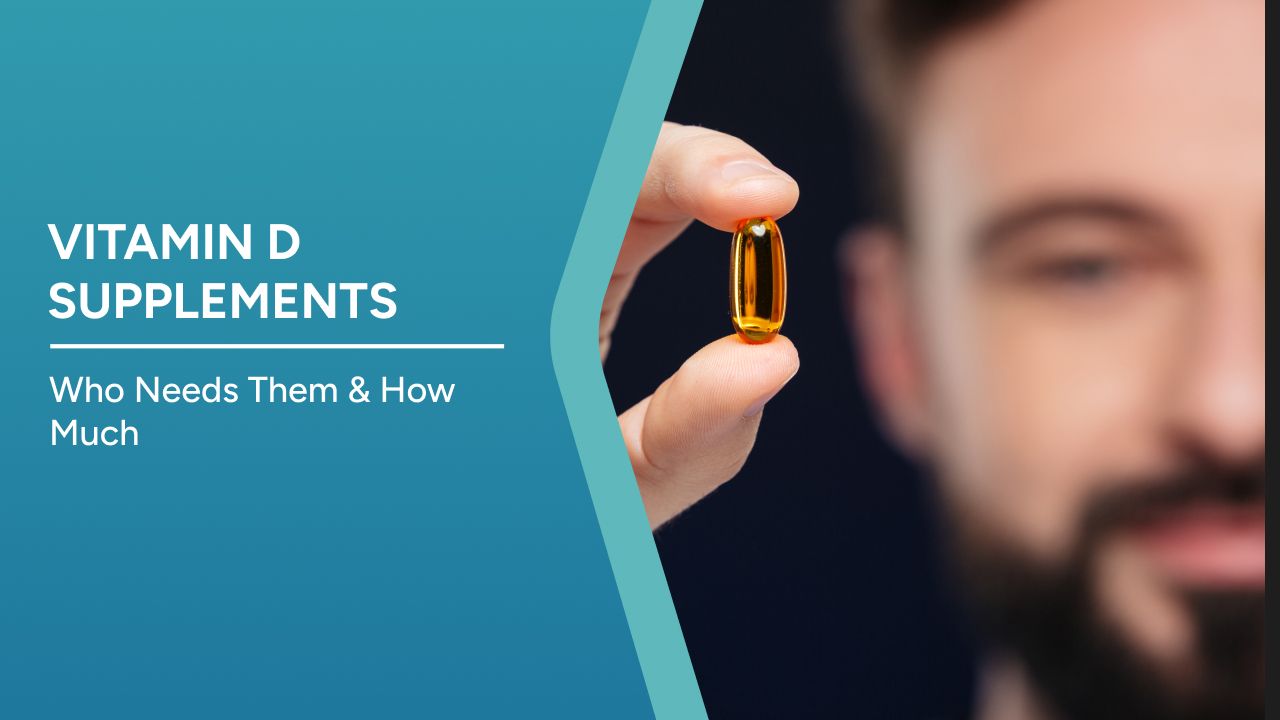
Vitamin D Supplements: What They Are and Who Really Needs Them
By Dr. Hemalata Arora in Internal Medicine
Sep 14 , 2026 | 6 min read

Vitamin D is an important nutrient that plays a major role in maintaining strong bones, supporting the immune system, and promoting overall well-being. While sunlight is considered the primary natural source of vitamin D, many people do not get enough exposure to meet their daily requirements. This is where Vitamin D supplements can help.
At Nanavati Max Super Speciality Hospital, specialists often emphasise the importance of maintaining healthy vitamin D levels for long-term health and disease prevention.
What are Vitamin D Supplements?
Vitamin D Supplements are products designed to increase vitamin D levels in the body. They are commonly available in two forms:
- Vitamin D2 (ergocalciferol)
- Vitamin D3 (cholecalciferol)
Vitamin D3 is generally considered more effective because it is the same form naturally produced by the skin after sun exposure.
How Vitamin D Supplements Work in the Body
Vitamin D helps the body absorb calcium and phosphorus, which are essential for healthy bones and teeth. Without sufficient vitamin D, the body struggles to maintain proper bone strength and muscle function.
Natural Sources vs Vitamin D Supplements
Natural sources of vitamin D include sunlight, fatty fish, egg yolks, and fortified foods. However, lifestyle habits, pollution, sunscreen use, and indoor living can limit natural production. In such cases, Vitamin D supplements may be recommended.
Recommended Read: Vitamin D-Rich Foods for Your Daily Diet
Why are Vitamin D Supplements Important?
One of the most important functions of vitamin D is supporting calcium absorption. Low vitamin D levels can lead to weak bones, osteoporosis, and an increased risk of fractures.
Benefits for the Immune System
Vitamin D plays a significant role in immune regulation. Adequate levels may help the body fight infections and support immune defence mechanisms.
Impact on Muscle Function and Mood
Low vitamin D levels have been linked with muscle weakness, fatigue, and mood disturbances. Some studies also suggest a connection between vitamin D deficiency and depression.
Importance for Overall Health
Vitamin D contributes to several bodily functions, including nerve signalling, inflammation control, and cardiovascular support. Maintaining optimal levels is important for overall health and well-being.
Who Needs Vitamin D Supplements?
According to the 2024 Endocrine Society guidelines, four specific groups benefit from vitamin D supplementation at levels above standard dietary intake. For these groups, supplementation is recommended regardless of prior blood test results.
People with Vitamin D Deficiency
Individuals diagnosed with vitamin D deficiency through blood tests may require Vitamin D supplements to restore healthy levels.
Pregnant and Breastfeeding Women
Pregnant and breastfeeding women often need additional vitamin D to support both maternal health and the baby’s development.
Older Adults and Limited Sun Exposure
With age, the skin’s ability to produce vitamin D from sunlight gradually declines. Older adults, particularly those who spend less time outdoors, may require supplementation.
Individuals with Certain Medical Conditions
People with digestive disorders, kidney disease, liver disease, or obesity may have difficulty absorbing or processing vitamin D properly.
People with Darker Skin or Indoor Lifestyles
Darker skin contains more melanin, which reduces the production of vitamin D from sunlight. Individuals who work indoors or avoid sun exposure may also face a higher risk of deficiency.
Signs and Symptoms of Vitamin D Deficiency
Fatigue and Weakness
Persistent tiredness and muscle weakness are common symptoms of low vitamin D levels.
Bone and Back Pain
Vitamin D deficiency may cause bone discomfort, joint pain, and lower back pain.
Frequent Illness or Infections
People with low vitamin D levels may experience repeated infections or slower recovery from illnesses.
Mood Changes and Depression
Mood swings, irritability, and symptoms of depression can sometimes be associated with inadequate vitamin D levels.
Vitamin D Testing: When It's Warranted - and When It Isn't
The 25-hydroxyvitamin D [25(OH)D] blood test is the standard test used to measure circulating vitamin D levels. However, the 2024 Endocrine Society guidelines state that routine testing of this kind is NOT recommended for most healthy adults — including those with obesity, darker skin tones, and even those in the four priority groups mentioned above.
The reason: there is currently insufficient scientific evidence to determine the optimal 25(OH)D blood level that people should aim for, or to show that reaching a higher target level improves health outcomes beyond what adequate supplementation already provides.
When testing IS warranted:
- Clinical suspicion of significant deficiency with symptoms such as severe bone pain, muscle weakness, or unexplained fractures
- Conditions that substantially alter vitamin D physiology: inflammatory bowel disease, renal disease, liver disease, malabsorption syndromes
- Hypocalcaemia (low calcium levels)
- Monitoring patients already on high-dose vitamin D therapy for deficiency treatment
- Pre-treatme
Types of Vitamin D Supplements Available
Vitamin D2 vs Vitamin D3
Although both forms can increase vitamin D levels, vitamin D3 is often preferred due to better absorption and effectiveness.
Capsules, Tablets, Drops, and Sachets
Vitamin D supplements are available in several forms, including:
- Capsules
- Tablets
- Oral drops
- Sachets
- Chewable gummies
The right choice depends on age, dosage needs, and personal preference.
Choosing the Right Form of Vitamin D Supplements
Healthcare professionals can help determine the appropriate form and amount of vitamin D based on your overall health and test results.
Recommended Dosage of Vitamin D Supplements
Daily Requirements by Age Group
Daily vitamin D requirements vary according to age and health condition. Children, adults, pregnant women, and older individuals may all have different needs.
Dosage for Deficiency Treatment
In clinical practice, high-dose therapeutic supplements, such as 60,000 IU capsules or sachets, are strictly prescribed for once-weekly or once-monthly use. Taking these ultra-high doses daily by mistake can cause severe medical emergencies. Self-medicating with high-dose supplements should be avoided completely.
Risks of Overdose (Vitamin D Toxicity)
Excessive intake of Vitamin D supplements can lead to vitamin D toxicity, resulting in:
- Nausea
- Vomiting
- Kidney stones
- High calcium levels
- Confusion and weakness
Proper medical guidance is essential before taking high-dose supplements.
How to Take Vitamin D Supplements Effectively
Best Time to Take Vitamin D Supplements
Vitamin D dissolves in fat and is generally absorbed better when taken alongside meals that include healthy fats.
Taking with Food for Better Absorption
Taking supplements alongside foods such as nuts, dairy products, or olive oil may improve absorption.
Combining with Calcium and Other Nutrients
Vitamin D often works together with calcium and magnesium to support bone health effectively.
Side Effects and Safety of Vitamin D Supplements
Common Side Effects
When taken appropriately, Vitamin D supplements are usually safe. Mild side effects may include:
- Stomach discomfort
- Nausea
- Constipation
Signs of Excess Vitamin D
Too much vitamin D may cause excessive calcium buildup in the body. Symptoms can include excessive thirst, frequent urination, and digestive issues.
Precautions and Who Should Avoid Them
Individuals with kidney disorders, high calcium levels, or certain medical conditions should consult a doctor before starting supplementation.
At Nanavati Max Super Speciality Hospital, specialists routinely monitor a patient's renal function and serum calcium levels alongside vitamin D therapy to ensure safety.
Vitamin D Supplements vs Sunlight
How Much Sunlight is Enough
Moderate sunlight exposure may help the body produce vitamin D naturally. However, the amount needed varies depending on skin tone, location, weather, and age.
Limitations of Sun Exposure
Modern lifestyles, pollution, sunscreen use, and indoor work can significantly reduce vitamin D production.
When Supplements Are a Better Option
For individuals unable to obtain adequate sunlight or dietary intake, Vitamin D supplements can provide a reliable and effective solution.
Recommended Read: Healthy Dietary Habits: Ways to Boost Immunity
Frequently Asked Questions
1. Can I Take Vitamin D Supplements Daily?
Yes, many people safely take low-dose maintenance supplements daily. However, therapeutic doses (such as 60,000 IU) must never be taken daily. Your doctor should explicitly confirm your dosage schedule.
2. How Long Should I Take Vitamin D Supplements?
The duration depends on the severity of deficiency, lifestyle factors, and individual health conditions. Some people may require short-term treatment, while others may need ongoing maintenance doses.
3. Are Vitamin D Supplements Safe Without Prescription?
Low-dose supplements are widely available, but it is still advisable to consult a healthcare professional before long-term use.
4. Can Vitamin D Supplements Help with Immunity?
Vitamin D supports immune function and may help the body maintain better defence against infections.
Final Thoughts
Vitamin D supplements can play a crucial role in maintaining bone strength, immune health, muscle function, and overall well-being. Deficiency has become more common due to limited sun exposure and modern lifestyle habits.
Anyone experiencing symptoms of deficiency, ongoing fatigue, bone pain, or repeated infections should consider medical evaluation. A medical professional may suggest blood tests to assess vitamin D levels and determine the appropriate treatment plan.
At Nanavati Max Super Speciality Hospital, experienced healthcare professionals provide comprehensive guidance for diagnosing and managing vitamin D deficiency safely and effectively.

Written and Verified by:

Related Blogs

Dr. Harshad Limaye In Internal Medicine
Sep 17 , 2026 | 8 min read
Dr. Nitin Rathod In Internal Medicine
Aug 10 , 2026 | 6 min read

Dr. Girish Parmar In Internal Medicine
Aug 06 , 2026 | 6 min read
Blogs by Doctor

Monsoon Health Tips For Mumbaikars
Dr. Hemalata Arora In Internal Medicine
Apr 24 , 2023 | 2 min read

The Importance of Vaccination: Why You Should Get Vaccinated Today
Dr. Hemalata Arora In Internal Medicine
Apr 24 , 2023 | 4 min read

Transforming Adult Immunization: Access, Awareness and Investment
Dr. Hemalata Arora In Internal Medicine
Apr 24 , 2023 | 3 min read
Most read Blogs



Related Blogs
Dr. Harshad Limaye In Internal Medicine
Sep 17 , 2026 | 8 min read
Dr. Nitin Rathod In Internal Medicine
Aug 10 , 2026 | 6 min read
Dr. Girish Parmar In Internal Medicine
Aug 06 , 2026 | 6 min read
Blogs by Doctor
Monsoon Health Tips For Mumbaikars
Dr. Hemalata Arora In Internal Medicine
Apr 24 , 2023 | 2 min read
The Importance of Vaccination: Why You Should Get Vaccinated Today
Dr. Hemalata Arora In Internal Medicine
Apr 24 , 2023 | 4 min read
Transforming Adult Immunization: Access, Awareness and Investment
Dr. Hemalata Arora In Internal Medicine
Apr 24 , 2023 | 3 min read
Most read Blogs