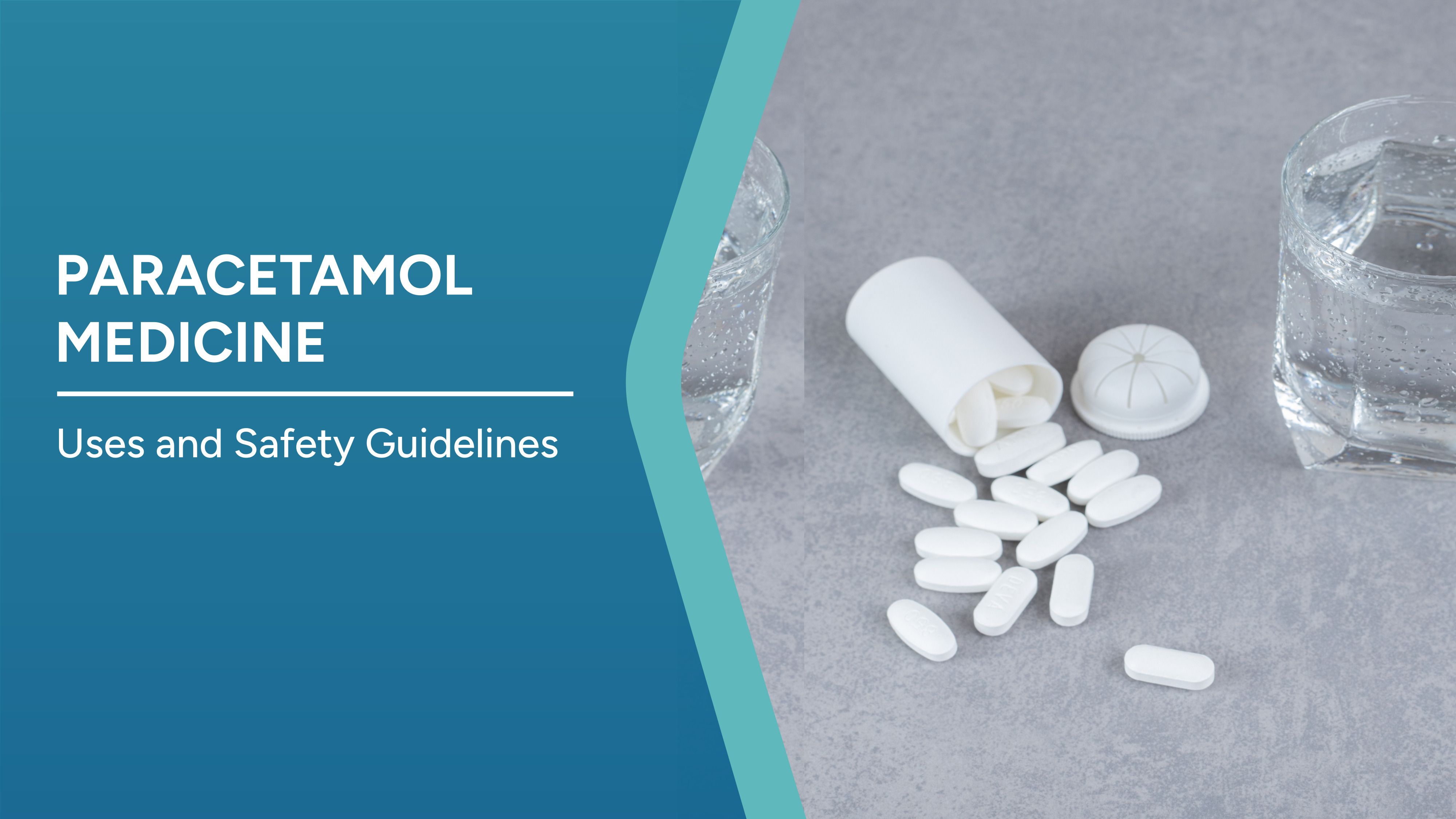
Paracetamol Medicine: Uses and Safety Guidelines
By Dr. Hemalata Arora in Internal Medicine
Aug 05 , 2026 | 6 min read

Paracetamol, also known as acetaminophen, is a commonly used medicine that helps reduce fever and relieve mild to moderate pain. It is available over the counter and is often recommended for everyday health concerns such as headaches, body aches, and fever. In India it is sold both as a single-ingredient tablet or syrup and as one ingredient inside many combination cold, flu, and body-ache products - which is why reading the label of every medicine you take matters.
Uses of Paracetamol
Fever
Paracetamol is widely used to lower fever in both adults and children. It helps bring down high body temperature and makes the person feel more comfortable. It does not treat the infection that is causing the fever - it only makes the symptoms easier to bear.
Mild to Moderate Pain
It is effective for everyday pains such as headaches, muscle aches, and general body pain. It does not treat the cause of pain but helps reduce the discomfort.
Read More about the Types of Headaches
Conditions Where It Is Commonly Recommended
Headache and body pain: This medicine is often used for tension headaches and body aches due to colds or flu. It may also help with mild migraine pain in some people.
Toothache and muscle pain: Dentists and doctors frequently recommend it for tooth pain, backache, joint pain, and muscle strain, especially when stronger painkillers are not needed.
Pain and fever after minor procedures or vaccination: It is frequently suggested for short-term discomfort or mild fever following dental work, minor day-care procedures or routine immunisation.
Who Can Safely Take Paracetamol?
- Adults and Adolescents: Suitable for the relief of pain and fever when taken as directed.
- Children: Can be used to treat pain and fever when given in the appropriate dose based on the child's age and weight.
- Pregnant and Breastfeeding Women: Generally considered safe during pregnancy and breastfeeding when used at the recommended dose. It is advisable to consult a healthcare professional before use.
- Older Adults: Can be used by elderly individuals, although those with existing liver conditions should seek medical advice before taking paracetamol.
- People with Stomach Sensitivity or NSAID Intolerance: A suitable option for individuals who cannot tolerate NSAIDs, as paracetamol does not typically irritate the stomach lining.
Recommended reading: Viral Fever: Symptoms, Causes, Prevention & Treatment
How to Take Paracetamol Safely
Paracetamol should always be taken exactly as advised on the medicine label or by a doctor or pharmacist. Taking more than the recommended dose can be harmful.
- Follow the correct dose based on age and weight
- Leave at least 4 hours between doses
- Do not take more than 4 doses in 24 hours
- Avoid using it for more than 2 to 3 days unless advised by a doctor
- Do not take multiple medicines containing paracetamol at the same time
Taking Paracetamol With or Without Food
Paracetamol can be taken with or without food. If you have a sensitive stomach, taking it after a meal may be more comfortable, but food is not required for it to work effectively.
Side Effects of Paracetamol
Common Side Effects of Paracetamol
When taken in the correct dose, paracetamol usually causes very few side effects. Mild reactions may include:
- Nausea
- Mild skin rash, which is rare
- Slight stomach discomfort
These effects are uncommon and usually go away on their own.
Serious Side Effects
Serious side effects are rare but can occur if paracetamol is taken in high doses or for a long time. Warning signs of overdose or liver injury may include:
- Severe nausea or vomiting
- Stomach or upper abdominal pain
- Loss of appetite
- Yellowing of the eyes or skin
- Extreme tiredness
- Dark urine
Paracetamol overdose can cause serious liver damage, even if symptoms are mild at first. Immediate medical help is required in such cases.
Safety Guidelines for Paracetamol
Who Should Be Careful
Children: Paracetamol can be used in children when given in the correct dose based on weight and age. Always use a measuring syringe or spoon for liquid forms.
Older adults: Older adults can generally take this medicine safely, but they should be cautious if they have liver, kidney, or long-term health conditions. Lower doses may sometimes be advised. Older adults also tend to take several medicines at once, so it is worth checking whether any of them already contain paracetamol.
Liver Health, Alcohol and Body Weight
People with liver disease, those who drink alcohol regularly, or those who are underweight should consult a doctor before using this medicine. In these cases, even normal doses may need adjustment.
Other situations that may call for a reduced dose include long-term poor nutrition, ongoing dehydration, a body weight under 50 kg, and significantly reduced kidney function. For a healthy adult taking the correct dose, an occasional drink is not usually a problem - the concern is regular heavy drinking combined with regular use, which meaningfully raises the risk of liver injury.
Storage and Handling
- Keep out of the sight and reach of children.
- Do not use this medicine after the expiry date printed on the packaging.
- Unless otherwise directed, store paracetamol below 25°C (77°F).
- Paracetamol suppositories: Store in a cool, dry place below 25°C (77°F) and protect from direct sunlight.
- Paracetamol effervescent tablets: Store below 30°C (86°F). Use within 1 month of opening the tube. Do not use the tablets if they show signs of deterioration, such as brown or black spots, discoloration, or swelling.
- Paracetamol solution for infusion: Store below 30°C (86°F). Do not refrigerate or freeze. Keep in the original packaging and protect from light.
When to See a Doctor While Taking Paracetamol
You should seek medical advice if:
- Pain or fever does not improve after a few days
- Symptoms worsen despite taking paracetamol
- You notice signs of an allergic reaction, such as rash, swelling, or breathing difficulty
- You accidentally take more than the recommended dose
- You need paracetamol regularly for long-term pain
Prompt medical guidance helps prevent complications and ensures safe use of the medicine.
Disclaimer
This article is intended for general information and health awareness only. It is not a substitute for professional medical advice, diagnosis or treatment. Never delay seeking medical advice because of something you have read here. In a medical emergency, contact your nearest hospital immediately.
Frequently Asked Questions
1. What is paracetamol medicine used for?
Paracetamol is used to reduce fever and relieve mild to moderate pain, such as headaches, body aches, toothache, muscle pain, and pain from colds or the flu.
2. Can children take paracetamol medicine?
Yes, children can take paracetamol when given the correct dose for their age and weight. Always follow the dosing instructions and consult a doctor if symptoms persist.
3. What are the side effects of paracetamol?
Side effects are rare when taken correctly. Serious side effects mainly occur due to overdose and can affect the liver.
4. Is paracetamol safe during pregnancy?
Paracetamol is generally considered safe during pregnancy when taken at the lowest effective dose for the shortest time. Always consult a doctor before use.
5. What should I do if I miss a dose of paracetamol?
If you miss a dose, take it when needed as long as it has been at least 4 hours since the last dose. Do not double the dose.
6. Is paracetamol a painkiller tablet?
Yes, paracetamol is a painkiller. It helps relieve pain and reduce fever, but does not treat the underlying cause of the pain.
7. How long does paracetamol take to work for fever?
Paracetamol usually starts lowering a fever within 30 to 60 minutes, with the full effect at around one to two hours. Relief lasts about four to six hours. If the temperature has not started falling, do not take an extra dose - wait at least four hours.
8. Is it OK to take paracetamol before bed?
Yes. Paracetamol can be taken before bed, with or without food, and does not cause drowsiness on its own. Keep the usual 4-hour gap and stay within four doses in 24 hours. Check night-time cold and flu products, as many already contain paracetamol.
9. Can I take paracetamol with my other medicines?
Usually yes, but check every label first - many cold, flu and combination pain products already contain paracetamol, and doubling up is the most common cause of accidental overdose.

Written and Verified by:

Related Blogs
Medical Expert Team
Oct 23 , 2026 | 6 min read
Dr. Hemalata Arora In Internal Medicine
Oct 23 , 2026 | 6 min read

Dr. Hemalata Arora In Internal Medicine
Oct 22 , 2026 | 8 min read
Blogs by Doctor
Flexon Tablet: An Overview of Its Uses, Dosage, and Safety Precautions
Dr. Hemalata Arora In Internal Medicine
Oct 23 , 2026 | 6 min read
High Hemoglobin Levels - Everything You Need to Know
Dr. Hemalata Arora In Internal Medicine
Oct 22 , 2026 | 8 min read
Saridon Tablet: Complete Guide to Uses, Benefits, Dosage & Side Effects
Dr. Hemalata Arora In Internal Medicine
Oct 21 , 2026 | 4 min read
Most read Blogs



Related Blogs
Medical Expert Team
Oct 23 , 2026 | 6 min read
Dr. Hemalata Arora In Internal Medicine
Oct 23 , 2026 | 6 min read
Dr. Hemalata Arora In Internal Medicine
Oct 22 , 2026 | 8 min read
Blogs by Doctor
Flexon Tablet: An Overview of Its Uses, Dosage, and Safety Precautions
Dr. Hemalata Arora In Internal Medicine
Oct 23 , 2026 | 6 min read
High Hemoglobin Levels - Everything You Need to Know
Dr. Hemalata Arora In Internal Medicine
Oct 22 , 2026 | 8 min read
Saridon Tablet: Complete Guide to Uses, Benefits, Dosage & Side Effects
Dr. Hemalata Arora In Internal Medicine
Oct 21 , 2026 | 4 min read
Most read Blogs