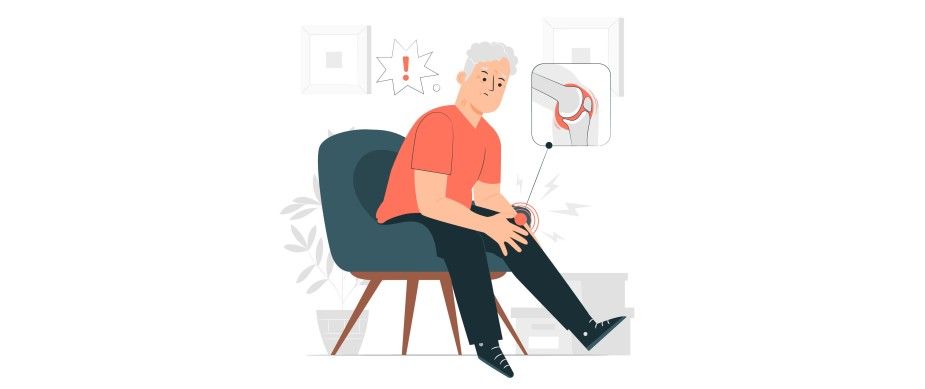
Understanding Joint Pain: Common Causes and Symptoms
By Prof. (Dr.) Pradeep B. Bhosale in Centre for Joint Replacement
Aug 05 , 2026 | 7 min read

If you've ever had to deal with joint pain, you understand how much it can disrupt your daily life. Whether it's a dull ache that persists or sudden pain that occurs without warning, joint pain can make everyday activities such as walking, climbing stairs, or even standing challenging.
Frequent joint pain could be an indicator of a hidden condition that has to be treated. The success of managing it lies in recognising the causes and symptoms. It is possible that knowing the causative factor allows you to make the appropriate decisions - lifestyle modifications, medications, or interventions.
If you're experiencing joint pain, this guide will assist you in making the best choices for your health.
What Is Joint Pain?
Joint pain is a general term used to describe pain, tenderness, or swelling in the joints where two bones connect. It can be as minor as a slight nuisance or as painful as an extreme ache. For some, joint pain can be temporary. For others, it's a chronic condition associated with arthritis or autoimmune disorders.
The effect of joint pain is not limited to physical pain. Swelling and stiffness make daily activities exasperating. Chronic joint pain can, over time, result in decreased mobility and impact mental health as the inability to remain active and independent increases.
Common Causes of Joint Pain
Joint pain isn’t always the result of ageing, it can stem from a variety of conditions, injuries, or infections. Here’s a closer look at the most common causes:
Osteoarthritis
Osteoarthritis is one of the most common types of arthritis linked to ageing. It happens when the cartilage that usually acts as the cushion for the joints wears down over time, leading to friction between bones. This results in stiffness, pain, and swelling.
Osteoarthritis causes discomfort that worsens after activity but it is possible to improve with rest. The knees, hips, and hands are usually the most affected. People with excessive weight, have previous joint injuries, or have a family history of arthritis are at higher risk.
Read more about Joint Replacement Surgery
Rheumatoid Arthritis
Rheumatoid arthritis (RA) is an autoimmune disease. In some cases, the immune system attacks healthy joint tissues, causing swelling, warmth, and stiffness.
Rheumatoid arthritis symptoms often include morning stiffness, pain in multiple joints (especially small joints like fingers and wrists), and even joint deformities over time. If left untreated, RA can lead to severe joint damage.
Gout
Gout is another type of arthritis, but it develops due to an excess increase of uric acid in the blood. The excess uric acid forms sharp crystals in the joints, that turns to sudden, intense pain, redness, and swelling.
Gout attacks often affect the big toe but can also impact other joints like the knees and ankles. Foods rich in purines, such as red meat, seafood, and alcohol, can trigger flare-ups.
Lupus
Lupus is an autoimmune disease that causes inflammation in multiple organs, including the joints. Lupus impacts the skin, kidneys, heart, and lungs.
Symptoms of lupus often include joint pain, fatigue, and skin rashes. Since lupus symptoms can vary, it can take years for some people to get a proper diagnosis.
Bursitis
Your joints contain small, fluid-filled sacs called bursae that help cushion the bones, tendons, and muscles. When these sacs become inflamed, it leads to bursitis, which causes localised pain and tenderness.
Bursitis is common in the hips, shoulders, and elbows, often triggered by repetitive movements like running, kneeling, or lifting heavy objects. The pain tends to worsen with movement but improves with rest.
Injuries and Overuse
Joint injuries, whether from sports, accidents, or repetitive strain, are another major cause of joint pain. Athletes and people with physically demanding jobs are especially at risk.
If you've had a ligament tear, fracture, or dislocation, you may experience long-term joint pain, even after recovery. Overusing a joint, such as constantly typing or lifting heavy objects, can also cause chronic inflammation and pain.
Infections
Joint pain can also be caused by an infection, a condition known as septic arthritis. This occurs when bacteria or viruses infect a joint, leading to severe swelling, fever, and redness.
Septic arthritis requires immediate medical attention to prevent long-term joint damage. People with weakened immune systems or recent joint surgeries are more vulnerable to these infections.
Recognising Symptoms of Joint Pain
The symptoms of joint pain can vary depending on the cause. Some people experience sudden, acute pain, while others develop chronic discomfort that worsens over time.
Acute Symptoms
Acute joint pain typically comes on suddenly and may be linked to an injury or infection. Symptoms include swelling, redness, and warmth around the affected joint. Some people also find it difficult to move the joint without pain.
Chronic Symptoms
Chronic joint pain lasts for weeks or months and often worsens over time. This type of pain is common in conditions like osteoarthritis and rheumatoid arthritis. Symptoms include a severe ache, persistent stiffness, and limited movement. Many people notice that pain increases after physical activity.
When to Seek Medical Help?
Seek medical attention immediately if:
- The pain is severe and sudden, making movement impossible.
- The joint is swollen, warm, or red, which could indicate an infection.
- You develop a fever along with joint pain.
- The pain persists for more than a few weeks or worsens over time.
At Nanavati Max Super Speciality Hospital, we specialise in diagnosing and treating joint pain. Whether you need physical therapy, medication, or advanced surgical options, our team of experts can help you find the best solution for your condition.
Conclusion
Joint pain can take a big toll on your quality of life. If it's because of arthritis, injury, or autoimmune disorders, the best way to treat it begins with identifying its cause. If you are experiencing recurring joint pain, do not delay. At Nanavati Max Super Speciality Hospital, we offer holistic treatment for joint disorders, allowing you to move around and live without any discomfort. Schedule an appointment with a specialist today and get the best treatment for you.
Disclaimer
The information provided in this blog, including text, graphics, and images, is for informational purposes only. It is not intended to be a substitute for professional medical advice, diagnosis, or treatment. Always seek the advice of a qualified orthopaedic surgeon or healthcare provider with any questions you may have regarding a medical condition. Never disregard professional medical advice or delay in seeking it because of something you have read on this website.
Frequently Asked Questions
1. What are the common causes of joint pain?
The most common causes of joint pain include osteoarthritis, rheumatoid arthritis, gout, lupus, bursitis, injuries, and infections.
2. Which doctor should I see for joint pain?
A rheumatologist is best for autoimmune-related pain, while an orthopaedic specialist can help with injuries and degenerative conditions.
3. How do I differentiate between temporary and chronic joint pain?
Temporary joint pain is usually caused by minor injuries or overuse and improves with rest. Chronic pain lasts for weeks or months and is often linked to conditions like arthritis.
4. What are the symptoms of osteoarthritis and rheumatoid arthritis?
Osteoarthritis causes joint stiffness, pain, swelling, and reduced mobility, worsening after activity. Rheumatoid arthritis leads to persistent joint pain, swelling, and morning stiffness, often affecting both sides of the body symmetrically.
5. When should I see a doctor for joint pain?
If pain persists for more than a few weeks, worsens, or comes with swelling, redness, or fever, consult a doctor immediately.
6. What lifestyle changes help reduce joint pain?
Maintaining a healthy weight, staying active, following an anti-inflammatory diet, and avoiding repetitive strain on joints can help reduce pain.
7. How can overuse injuries lead to joint pain?
Repeated stress on joints can cause inflammation, muscle strain, and cartilage wear, leading to chronic pain and stiffness. Without rest and proper care, overuse injuries can worsen over time.
8. How can I distinguish between inflammatory and mechanical joint pain?
Inflammatory pain (like Rheumatoid Arthritis) is typically worse after rest and is characterized by "morning stiffness" lasting over 30–60 minutes. Mechanical pain (like Osteoarthritis) usually worsens with physical activity and improves with rest.
9. Why does my joint pain feel worse when the weather changes?
Falling barometric pressure (often before rain or cold) allows tissues in the joint to expand, which can increase pressure on nerves. Additionally, cold temperatures can thicken the joint’s natural lubricating fluid, leading to increased stiffness.
References
1. Hunter, D. J., & Bierma-Zeinstra, S. (2019). Osteoarthritis. The Lancet, 393(10182), 1745-1759.https://doi.org/10.1016/S0140-6736(19)30417-9
2. Jang, S., Lee, K., & Ju, J. H. (2021). Recent updates of diagnosis, pathophysiology, and treatment on osteoarthritis of the knee. International Journal of Molecular Sciences, 22(5), 2619. https://doi.org/10.3390/ijms22052619
3. Kayiaros, S. (2024, January 10). Does weather affect joint pain? RWJBarnabas Health.
https://www.rwjbh.org/blog/2024/january/does-weather-affect-joint-pain-/
4. Physiotherapist India. (2024, December 15). Red and yellow flags in knee pain.
https://physiotherapistindia.com/red-and-yellow-flags-in-knee-pain/
5. Spondylitis Association of America. (2021). Inflammatory vs. mechanical back pain.
https://spondylitis.org/about-spondylitis/inflammatory-vs-mechanical-back-pain/

Written and Verified by: