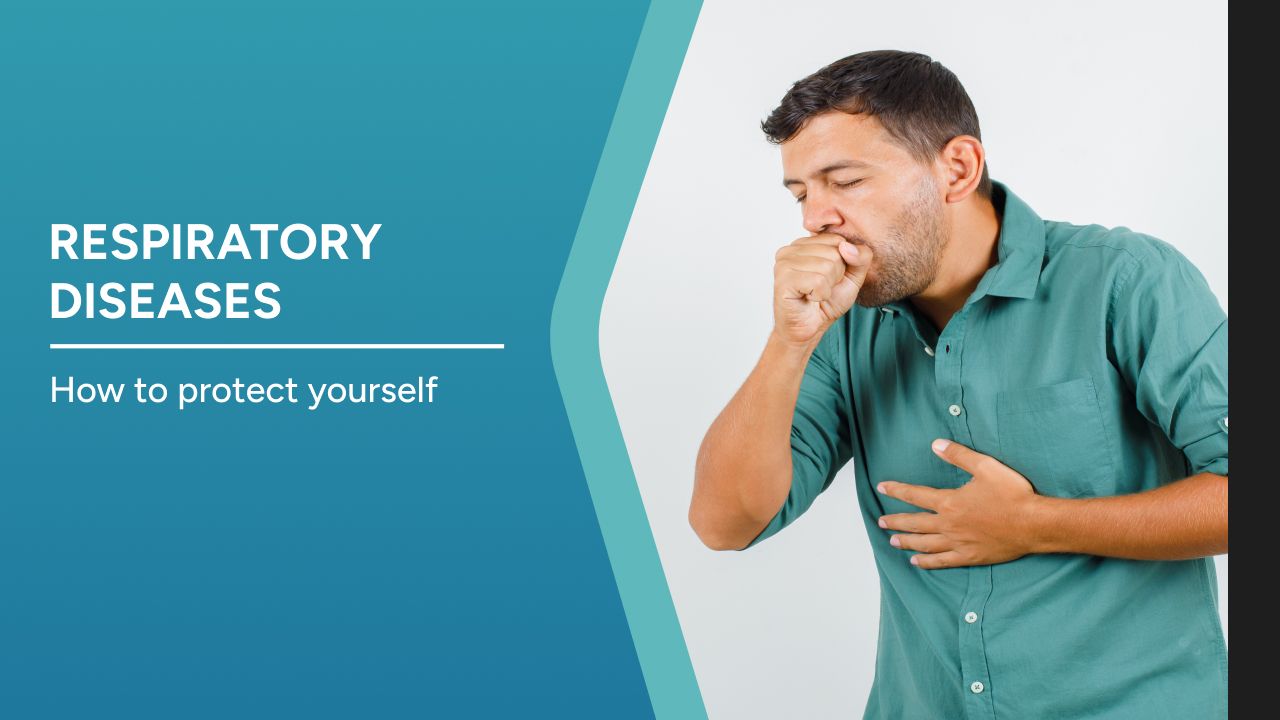
Why Respiratory Diseases Are on the Rise This Season and How to Protect Yourself
By Dr. Salil S. Bendre in Interventional Pulmonology Unit
Sep 08 , 2026 | 5 min read

Seasonal changes, especially from late winter to early spring, often bring mild infections. During this period, many cities report more cases of cough, chest discomfort, and viral infections. Respiratory diseases may rise because of a combination of pollution, weather changes, viral circulation, allergens, and indoor exposure. Poor air quality can irritate the lungs and make even mild infections feel stronger.
Understanding these seasonal patterns helps you stay prepared. These concerns can affect anyone, not only older adults or those with long-term conditions.
What Are Respiratory Diseases?
Definition and Overview
These diseases affect the lungs and airways. They may be mild, such as a short viral cough, or serious enough to require medical care. They can make breathing harder and reduce the oxygen your body receives.
Early signs, such as a lingering cough or chest heaviness, may seem minor but can affect daily routines. Many people ignore these symptoms, though they are often the body's way of asking for attention.
Recommended Reading: Different Types of Lung Diseases and Symptoms
Common Types of Respiratory Diseases
Asthma is a common condition where the airways become narrow and swollen, causing wheezing and breathing difficulty. Cold air, dust, smoke, and allergens can increase symptoms.
Chronic obstructive pulmonary disease (COPD) affects many older adults and people exposed to smoke or pollution for several years. It can lead to breathlessness, tiredness, and frequent coughing.
Pneumonia is an infection that affects the air sacs in the lungs and may cause fluid or pus build-up, making breathing painful or difficult. It may be more serious for young children, older adults, and people with low immunity.
Seasonal flu and influenza appear every year. Such infections affect the respiratory system and can feel tiring, especially when immunity is low.
Factors Contributing to the Rise of Respiratory Diseases This Season
Environmental Factors
In late winter, pollution levels may rise due to vehicle fumes, industrial emissions, construction dust, road dust, and smoke exposure. When polluted air stays close to the ground, it can irritate the airways and make breathing more difficult.
Seasonal allergens, such as dust and pollen, may also increase during this time. Closed homes allow dust to settle indoors, and damp corners may support mould growth. These issues can affect anyone, especially people with asthma or allergies.
Weather and Temperature Changes
Cold air can tighten the airways, leading to coughing or discomfort. Lower temperatures may also support the spread of certain respiratory viruses. The body works harder to warm the air before it enters the lungs, and this extra effort can irritate the airways in sensitive individuals.
Changes in humidity also play a role. When moisture levels rise or fall quickly, airway irritation may increase. For some people, even brief exposure to cold wind can trigger coughing episodes.
Read More about Air pollution and Respiratory Diseases
Lifestyle and Exposure Factors
Social gatherings, weddings, festivals, and crowded travel increase the chance of viral spread, especially among children and older adults. Smoking harms the lungs year-round, and the effects may feel stronger in colder months. Passive smoke also affects young children and people with sensitive airways. Homes often stay closed in winter, reducing ventilation and trapping dust, stale air, and other indoor pollutants.
Common Symptoms of Respiratory Diseases to Watch Out For
A long-lasting cough is often the first sign people notice. Wheezing or a whistling sound while breathing may show airway narrowing. Some people may feel breathless even during light activity.
Chest heaviness or discomfort while breathing deeply is also common. In infections such as flu, fever and tiredness may appear. Low energy levels may indicate that the lungs or immune system needs support.
Prevention and Protection Strategies
Personal Hygiene Practices
Simple hygiene habits can reduce infections. Washing hands often helps reduce the spread of many viruses. Wearing a well-fitted mask in crowded places or on high-pollution days can help reduce exposure to infectious droplets and fine particles. Covering your mouth while coughing and avoiding close contact with sick individuals also helps.
Supporting Immunity
Eating a nutritious diet supports overall health. Freshly cooked warm foods, soups, and simple meals can support comfort and recovery. Staying hydrated helps the body manage mucus. Light exercise keeps the lungs active, and gentle indoor activity works well on colder days. Proper sleep also supports recovery.
Environmental Precautions
Check the air quality before going out. If air quality levels are poor, limit outdoor activity or step out later in the day when levels improve. Home air purifiers may support breathing comfort in selected cases. Allow some fresh air indoors when outdoor air quality is acceptable, but keep windows closed during heavy traffic hours or periods of poor AQI. Cleaning filters, fans, carpets, and curtains reduces dust. Small changes like these can improve indoor air quality.
Medical Measures
Vaccinations such as flu and pneumococcal vaccines can protect people at higher risk. Regular health checks support early detection and help manage long-term conditions. If a cough lasts more than a week or is accompanied by fever, wheezing, chest pain, or breathlessness, it is best to seek medical advice. Timely care offers reassurance and helps prevent symptoms from worsening.
When to See a Doctor
If you feel breathless during simple activities or have a cough that continues each night, it may be time to seek medical advice. Chest discomfort, high fever, wheezing, blood in sputum, or mucus lasting several days should also be checked.
People with asthma or COPD should stay alert to any changes. Even small shifts in symptoms may need attention. Early guidance supports safer recovery.
Frequently Asked Questions
1. What are the most common respiratory diseases during this season?
Mild viral infections, asthma flare-ups, influenza, bronchitis, and pneumonia tend to rise during seasonal changes.
2. Can air pollution really cause respiratory diseases?
Yes. Polluted air can irritate the airways, worsen existing lung conditions, and increase the risk of respiratory symptoms.
3. How can I protect my family from seasonal respiratory infections?
Regular handwashing, clean indoor air, good ventilation when outdoor air quality is safe, masks in crowded places, and avoiding close contact with sick individuals can help reduce risk.
4. Are respiratory diseases contagious?
Some infections, such as flu and other viral respiratory illnesses, can spread from person to person. Conditions such as asthma or COPD are not contagious.
5. What home remedies help with mild respiratory problems?
Warm fluids, rest, hydration, and saline gargles may offer relief in mild cases. Steam inhalation should be used cautiously to avoid burns and is not suitable for everyone. Persistent or worsening symptoms should be checked by a doctor.
Conclusion
The rise in breathing problems this season can feel worrying, but many simple steps can help you stay safe. Paying attention to symptoms, supporting overall health, and improving indoor air quality can make daily breathing more comfortable. Small, steady habits often protect health during changing weather.
If you feel unsure about a cough or ongoing discomfort, seeking timely medical advice can offer clarity and reassurance. At Nanavati Max Super Speciality Hospital, specialists guide patients with careful evaluation and supportive treatment for seasonal and long-term lung concerns.

Written and Verified by:

Related Blogs

Dr. Salil S. Bendre In Interventional Pulmonology Unit
Oct 04 , 2026 | 5 min read

Dr. Salil S. Bendre In Interventional Pulmonology Unit
Aug 05 , 2026 | 8 min read

Blogs by Doctor

Understanding Breathing Difficulty: Common Symptoms and Causes
Dr. Salil S. Bendre In Pulmonary Function Testing Unit
Oct 06 , 2026 | 6 min read
Strep Throat and Its Connection to Other Health Issues
Dr. Salil S. Bendre In Interventional Pulmonology Unit
Oct 04 , 2026 | 5 min read

Different Types of Lung Diseases and Symptoms
Dr. Salil S. Bendre In Centre for Chest & Respiratory Diseases
Aug 05 , 2026 | 4 min read
Most read Blogs



Related Blogs
Dr. Salil S. Bendre In Interventional Pulmonology Unit
Oct 04 , 2026 | 5 min read
Dr. Salil S. Bendre In Interventional Pulmonology Unit
Aug 05 , 2026 | 8 min read
Blogs by Doctor
Understanding Breathing Difficulty: Common Symptoms and Causes
Dr. Salil S. Bendre In Pulmonary Function Testing Unit
Oct 06 , 2026 | 6 min read
Strep Throat and Its Connection to Other Health Issues
Dr. Salil S. Bendre In Interventional Pulmonology Unit
Oct 04 , 2026 | 5 min read
Different Types of Lung Diseases and Symptoms
Dr. Salil S. Bendre In Centre for Chest & Respiratory Diseases
Aug 05 , 2026 | 4 min read
Most read Blogs