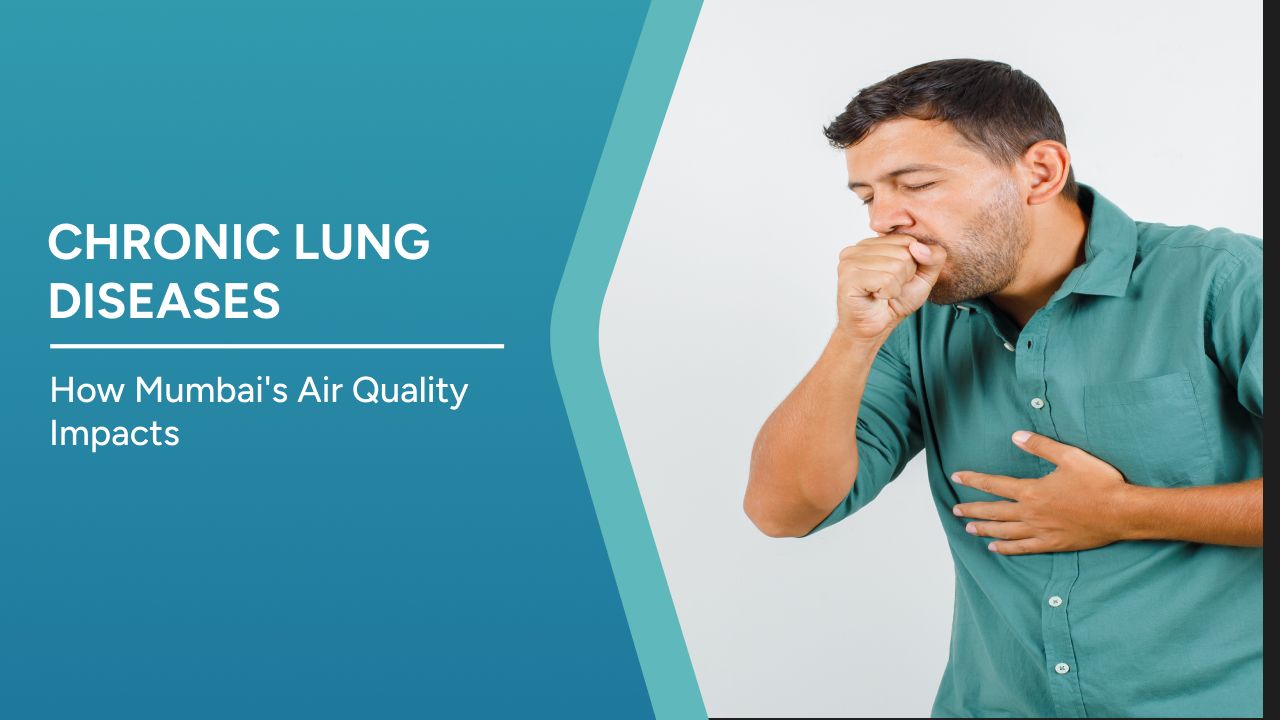
How Mumbai's Air Quality Impacts People With Chronic Lung Diseases
By Dr. Salil S. Bendre in Interventional Pulmonology Unit
Oct 21 , 2026

Living in Mumbai has its charm, but the city's air quality has become a growing concern in recent years. With vehicle emissions, construction dust, road dust, waste burning, and industrial emissions contributing to pollution, many residents experience poor air quality during certain periods of the year.
This rise in pollution is particularly worrying for people with chronic lung diseases. Poor air quality can increase breathing difficulties, trigger flare-ups, lead to more hospital visits, and often force people indoors. If you have been wondering why that persistent cough will not go away or why short walks feel tiring, it may be time to understand how Mumbai's air affects your lungs, especially if you live with a long-term respiratory condition.
Understanding Chronic Lung Diseases
Chronic lung diseases are long-term breathing conditions that affect how well the lungs function and often make everyday activities more tiring. Some long-term conditions include asthma, chronic obstructive pulmonary disease (COPD), chronic bronchitis, and emphysema.
People living with these conditions may experience:
- Persistent coughing or wheezing
- Chest tightness or discomfort
- Shortness of breath during daily activities
- Fatigue or reduced energy levels
When pollution levels rise, symptoms often get worse. Dust, smoke, and exhaust particles can irritate sensitive airways, causing more flare-ups. Prolonged exposure may worsen lung function and increase the risk of hospital visits.
Understanding these effects helps people take preventive steps and better manage symptoms.
Mumbai's Air Quality Overview
Mumbai's skyline may seem bright, but the air beneath it often carries fine particles that strain the lungs. Over the last decade, pollution has become an important public health concern in the city, especially for people who already struggle with breathing difficulties.
PM2.5 and PM10 are the main concerns. These tiny particles can enter the airways, and PM2.5 can reach deep into the lungs. Vehicle fumes, industrial smoke, construction dust, road dust, and waste burning add to the problem. Pollution levels often rise in winter as calm air and cooler temperatures can keep harmful gases and particles closer to the ground.
During these months, many residents notice more coughing or shortness of breath, especially early in the morning. Traffic, construction dust, and smoke exposure are now part of daily life in many areas, quietly affecting lung health.
How Poor Air Quality Affects Chronic Lung Diseases
Respiratory Symptoms Exacerbation
People with asthma, COPD, or other lung problems often feel worse on polluted days. Even brief outdoor exposure may lead to coughing, wheezing, chest tightness, or breathlessness. Tiny particles such as PM2.5 can irritate already sensitive airways and make breathing harder.
Long-Term Health Risks
Continuous exposure to poor air quality can affect lung health over time. In people with existing lung disease, it may contribute to more frequent flare-ups, reduced exercise tolerance, repeated doctor visits, or breathlessness during simple daily activities.
Vulnerable Groups
Children, senior citizens, pregnant women, and people with chronic illnesses or weakened immunity tend to feel the effects of poor air quality more strongly. Their lungs may be developing, ageing, or less resilient, increasing the risk of breathing difficulties after exposure to pollution.
Preventive Measures for People With Chronic Lung Diseases
Monitoring Air Quality
Check real-time air updates through reliable AQI apps, official air-quality platforms, or weather services before stepping out. If the air quality is poor, very poor, or severe, try to stay indoors and avoid prolonged outdoor exertion. On poor air days, avoid outdoor walks or strenuous exercise to protect your lungs.
Indoor Air Quality Management
Indoor air must also stay clean. Using an air purifier, especially in bedrooms, may help reduce indoor particulate exposure. Keep windows closed during heavy traffic hours and use exhaust fans while cooking. Avoid indoor smoke from incense sticks, candles, mosquito coils, or tobacco. Regularly washing curtains, cleaning carpets, and reducing dust can help, especially if you live near a busy road or have pets.
Medical Management
Regular medical reviews are essential during high-pollution months. Doctors may review inhaler technique, adjust medications when needed, recommend a written action plan for flare-ups, or suggest preventive treatment based on the patient’s condition. Vaccines for flu and pneumonia may also be advised for eligible patients to reduce the risk of infections that can worsen breathing problems.
Lifestyle and Supportive Measures
A balanced daily routine supports lung health, especially during high-pollution periods. Gentle breathing exercises, pulmonary rehabilitation, and light stretches may help improve stamina when done under medical guidance.
Healthy eating matters too. A balanced diet with fresh fruits, vegetables, adequate protein, whole grains, and sufficient fluids supports overall health and immunity. Staying hydrated may help keep the airways comfortable and make mucus easier to clear.
Community efforts also help. Mumbai's local health groups, NGOs, resident associations, and online platforms often share guidance and updates on poor air days. Public awareness drives and pollution-control measures can support these efforts, but personal care remains important.
Frequently Asked Questions
1. How does air pollution worsen chronic lung diseases?
Polluted air irritates the lungs and increases airway inflammation. This can lead to frequent coughing, wheezing, breathlessness, or flare-ups, especially in people with existing lung conditions.
2. Can wearing masks help protect against pollution for people with chronic lung diseases?
Yes. Well-fitted N95 or equivalent masks can help reduce exposure to fine particles when used correctly. They are especially useful outdoors during traffic exposure or poor AQI days. However, some people with severe breathing difficulty may find masks uncomfortable and should seek medical guidance.
3. What are the emergency signs for lung disease flare-ups during high pollution?
Watch for worsening breathlessness, chest tightness, wheezing, bluish lips or fingers, severe fatigue, confusion, or symptoms that do not improve with usual prescribed treatment. Seek urgent medical care if breathing becomes difficult or symptoms worsen quickly.
4. Are children with chronic lung diseases more affected by Mumbai's air quality?
Yes. Children's lungs are still developing, and they breathe faster than adults, which means they may inhale more pollutants relative to their body size. Keeping them indoors on bad air days, avoiding outdoor sports during poor AQI periods, and ensuring regular check-ups can help protect their health.
5. How often should someone with chronic lung disease see a doctor during polluted seasons?
The frequency depends on the severity of the condition and symptom control. People with asthma, COPD, or other chronic lung diseases should follow the schedule advised by their pulmonologist and seek earlier consultation if symptoms worsen, inhaler use increases, or flare-ups become frequent.
Conclusion
Air pollution in Mumbai has become a significant concern for those living with chronic lung diseases. However, awareness, prevention, and timely medical care can make a big difference. By following simple steps such as monitoring air quality, managing indoor environments, avoiding outdoor exertion on poor AQI days, and staying regular with medication, people can protect their lungs and lead healthier lives.
For those already managing conditions such as asthma or COPD, consistent medical follow-up is essential. Hospitals with experienced pulmonologists and advanced respiratory care can offer guidance and tailored treatment when symptoms worsen. At Nanavati Max Super Speciality Hospital, specialists focus on helping patients breathe easier through expert diagnosis, modern therapies, and compassionate care, so every breath feels lighter and safer.

Written and Verified by:

Related Blogs

Dr. Salil S. Bendre In Interventional Pulmonology Unit
Oct 04 , 2026 | 5 min read

Dr. Salil S. Bendre In Interventional Pulmonology Unit
Aug 05 , 2026 | 8 min read
Blogs by Doctor

Understanding Breathing Difficulty: Common Symptoms and Causes
Dr. Salil S. Bendre In Pulmonary Function Testing Unit
Oct 06 , 2026 | 6 min read
Strep Throat and Its Connection to Other Health Issues
Dr. Salil S. Bendre In Interventional Pulmonology Unit
Oct 04 , 2026 | 5 min read
Most read Blogs



Related Blogs
Dr. Salil S. Bendre In Interventional Pulmonology Unit
Oct 04 , 2026 | 5 min read
Dr. Salil S. Bendre In Interventional Pulmonology Unit
Aug 05 , 2026 | 8 min read
Blogs by Doctor
Understanding Breathing Difficulty: Common Symptoms and Causes
Dr. Salil S. Bendre In Pulmonary Function Testing Unit
Oct 06 , 2026 | 6 min read
Strep Throat and Its Connection to Other Health Issues
Dr. Salil S. Bendre In Interventional Pulmonology Unit
Oct 04 , 2026 | 5 min read
Most read Blogs