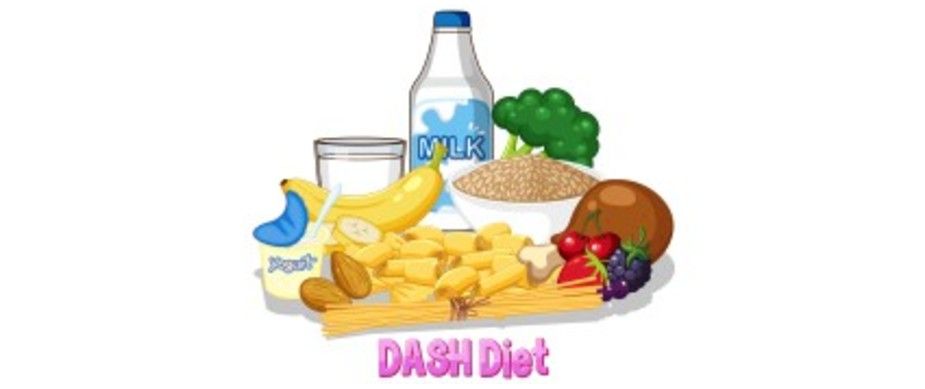
DASH Diet: A Heart-Healthy Eating Plan for Lowering Blood Pressure
By Dr. Hemalata Arora in Internal Medicine
Aug 05 , 2026 | 6 min read

High blood pressure often comes without warning, but small adjustments in your meal choices can have a tremendous impact, and that's where the DASH Diet comes in. DASH is focused on everyday foods (fruits, vegetables, whole grains, low-fat dairy) that, among other heart health benefits, should lower blood pressure without medications. This is not a fad diet or a short-term fix; it is a sustainable roadmap for healthier heart health. Whether or not you're managing hypertension, the DASH Diet can be a reasonable choice to support your heart health and lifestyle without turning your plate upside down.
The DASH (Dietary Approaches to Stop Hypertension) diet is a clinically proven, balanced nutrition framework made to manage high blood pressure, lower LDL (bad) cholesterol, and bolster overall cardiovascular health.
What is the DASH Diet?
The DASH diet, or Dietary Approaches to Stop Hypertension , is a simple diet plan meant to lower high blood pressure. It focuses on everyday foods that help your heart, like fruits, vegetables, whole grains, and low-fat dairy, and keeps salt and fat to a minimum.
This diet came from research supported by the National Institutes of Health (NIH), and it's recommended by leading health groups like the American Heart Association. It works well not just for people with high blood pressure but also for anyone who wants to eat better.
How the DASH Diet Works?
The DASH diet works by helping you eat less salt and more nutrients that naturally control blood pressure, especially potassium, magnesium, and calcium. It encourages home-cooked meals using whole foods rather than processed snacks or ready-made options.
When you eat less salt, your body holds on to less water. This reduces the pressure on your blood vessels. Foods like bananas, oranges, spinach, curd, and dal are all rich in the minerals your heart needs to function well.
Benefits of the DASH Diet
-
Lowers Blood Pressure
One of the most popular advantages of the DASH diet is its power to reduce blood pressure. It's meant for people suffering from hypertension because the low-sodium, nutrient-rich method allows the pressure on your arteries to ease naturally.
Read More about: Effective Ways to Manage High Blood Pressure
-
Reduces Risk of Heart Disease & Stroke
By reducing salt, saturated fats, and processed foods, this diet keeps your heart healthy. It also brings down the levels of LDL (bad cholesterol), which is important in avoiding heart disease and stroke.
-
Helps with Weight Management
The DASH diet promotes whole foods and balanced meals, so you'll be more likely to feel satisfied and full without overeating. This helps you stay at a healthy weight in the long term.
-
Improves Blood Sugar Control
Due to its focus on complex carbs, fibre, and lean protein, this diet helps keep your blood sugar levels steady. It's a smart option for people trying to manage or prevent type 2 diabetes.
-
Boosts Overall Health & Longevity
People who follow the DASH diet over the long term often report more energy, better digestion, and improved sleep. With the right mix of nutrients and fewer processed ingredients, this eating plan supports long-term health and well-being.
DASH Diet Food List: What to Eat and Avoid
Foods to Eat
Following a DASH diet is not about cutting everything out - it’s about choosing the right foods in the right amounts. Indian meals can be easily adapted. For grains, go for brown rice, whole wheat chapati, daliya, or millets like jowar and bajra.
Vegetables like bhindi, lauki, palak, carrots, and beans should take up a large part of your plate. Fruits such as papaya, apple, guava, and orange are perfect as snacks or part of meals.
For proteins, both vegetarians and non-vegetarians have plenty of choices. Include dals, chana, rajma, paneer (made from low-fat milk), eggs, grilled chicken, or baked fish like rohu or pomfret.
Use low-fat curd, milk, or toned paneer for dairy. Add nuts like almonds and walnuts, and healthy oils like mustard oil or olive oil in small quantities.
Foods to Avoid
Try to avoid fried snacks like samosas, chips, and bhujia. Cut back on sweets, soft drinks, red meat, and full-fat dairy. Processed items with lots of salt, like pickles, papad, or processed cheese, should be limited.
Read More about the Healthy Food Chart
Sample DASH Diet Meal Plan
Let’s walk through a day on the DASH diet, using typical Indian ingredients.
- For breakfast, have a bowl of oats with toned milk, chopped banana, and a few almonds. If you prefer something savoury, try vegetable upma or a moong dal chilla with chutney.
- Lunch can include whole wheat chapatis, mixed vegetable, dal, and a cucumber-onion salad. For a non-vegetarian option, swap the dal with grilled fish or chicken curry made with minimal oil.
- Dinner might be stir-fried tofu or soya with brown rice and sautéed greens. If you eat eggs, an omelette with onions, tomatoes, and spinach served with toasted whole-grain bread works well too.
- For snacks, have roasted chana, curd with fruits, a small banana, or vegetable sticks with hummus. Herbal tea without sugar can also be a refreshing addition.
Learn More about Eating Habits: Benefits and Tips for a Balanced Diet
How to Start the DASH Diet?: Practical Tips
It takes time to move to the DASH diet and doesn't necessarily require you to do everything immediately. Start off by gradually reducing the quantity of salt used when cooking. It is possible to unlock flavour by using spices such as jeera, haldi, ginger, garlic, or lemon juice.
Read food labels when buying packaged goods. Choose items that are low in sodium and added sugar. Cook more often at home to have better control over ingredients and portion size.
Drink enough water throughout the day. Plan your meals in advance, especially during busy weeks, so you don’t end up ordering unhealthy food.
Learn More about the Benefits of Drinking Hot Water
Comparison: DASH Diet vs. Other Popular Diets
People often compare the DASH diet with the Mediterranean diet. Both are heart-friendly and encourage whole foods, but the Mediterranean plan includes more olive oil and fish. It also allows moderate wine intake, which DASH does not promote.
When compared with the Keto diet, DASH stands out because it’s balanced and sustainable for long-term use. Keto can be very high in fat and difficult to maintain. Low-carb diets, while helpful for quick weight loss, might not provide the fibre and nutrients found in a DASH-style approach.
DASH is all about moderation, not elimination. That’s what makes it easier to maintain, especially in a family setting where not everyone follows the same plan.
Conclusion: Why the DASH Diet is a Smart Choice?
The DASH diet is a smart and practical way to care for your heart and overall health. It’s simple, flexible, and easy to follow using everyday Indian foods. Whether you’re trying to lower your blood pressure, manage weight, or just eat better, this plan offers clear benefits without making you feel restricted.
At Nanavati Max Super Speciality Hospital , we assist our patients in establishing healthy eating habits that will last. If you are unsure of where to start, talk to our clinical dietitians or cardiac specialists , who can assist you with a plan designed for your specific needs. Your heart will appreciate it.
Disclaimer: The information provided in this article is for educational purposes only and should not be substituted for professional medical advice, diagnosis, or treatment. Always seek the advice of your physician or a qualified health provider with any questions you may have regarding a medical condition.
Frequently Asked Questions
1. What foods should you avoid on the DASH diet?
Avoid salty snacks, sweets, soft drinks, fried food, and processed meats.
2. Is the DASH diet effective for weight loss?
Yes, especially when combined with regular activity and portion control.
3. How quickly can the DASH diet lower blood pressure?
Some people see improvement in 2-4 weeks, depending on their starting point.
4. Can the DASH diet help manage diabetes?
Yes, it helps stabilise blood sugar and supports overall glucose control.
5. Is the DASH diet suitable for everyone?
It works well for most people. Always consult a doctor if you have a medical condition.
References
1. Challa, H. J., Ameer, M. A., & Uppaluri, K. R. (2023). DASH Diet to Stop Hypertension. StatPearls Publishing.https://www.ncbi.nlm.nih.gov/books/NBK482514/
2. National Heart, Lung, and Blood Institute. (2021). DASH Eating Plan. U.S. Department of Health and Human Services.https://www.nhlbi.nih.gov/education/dash-eating-plan

Written and Verified by:

Related Blogs

Medical Expert Team
Oct 06 , 2026 | 8 min read

Medical Expert Team
Oct 06 , 2026 | 9 min read

Blogs by Doctor

High Hemoglobin Levels - Everything You Need to Know
Dr. Hemalata Arora In Internal Medicine
Oct 06 , 2026 | 8 min read
Vitamin D Deficiency: Symptoms, Causes, and Health Risks
Dr. Hemalata Arora In Internal Medicine
Oct 05 , 2026 | 5 min read
Vitamin D Supplements: What They Are and Who Really Needs Them
Dr. Hemalata Arora In Internal Medicine
Sep 14 , 2026 | 6 min read
Most read Blogs



Related Blogs
Medical Expert Team
Oct 06 , 2026 | 8 min read
Medical Expert Team
Oct 06 , 2026 | 9 min read
Blogs by Doctor
High Hemoglobin Levels - Everything You Need to Know
Dr. Hemalata Arora In Internal Medicine
Oct 06 , 2026 | 8 min read
Vitamin D Deficiency: Symptoms, Causes, and Health Risks
Dr. Hemalata Arora In Internal Medicine
Oct 05 , 2026 | 5 min read
Vitamin D Supplements: What They Are and Who Really Needs Them
Dr. Hemalata Arora In Internal Medicine
Sep 14 , 2026 | 6 min read
Most read Blogs