Brain-Eating Amoeba (Naegleria Fowleri): Symptoms, Risks and Treatment
By Medical Expert Team
Aug 04 , 2026 | 6 min read

Over recent years, the phrase “brain-eating amoeba” has caught the attention of many in India, often linked with rare but alarming cases reported in regions such as Mumbai and other parts of the country.
Scientifically known as Naegleria fowleri, this microscopic organism is capable of causing a severe brain infection called primary amebic meningoencephalitis (PAM). While the disease is uncommon, it is frequently fatal once symptoms begin, which is why awareness, early recognition, and prevention are essential.
What is Brain-Eating Amoeba?
Naegleria fowleri is an amoeba that lives independently in natural environments such as soil, lakes, ponds, rivers, and poorly maintained swimming pools. It belongs to a group of single-celled organisms that are capable of surviving in both soil and water.
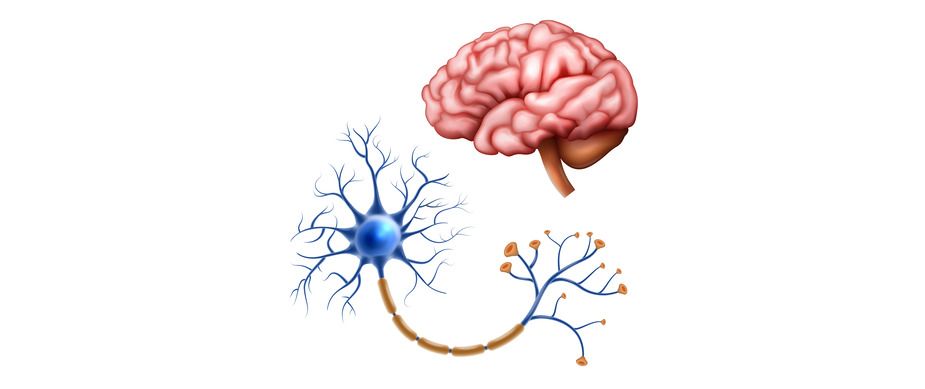
It is called the “brain-eating amoeba” because once it enters the human body through the nasal passages, it can travel along the olfactory nerve to the brain, where it destroys brain tissue, leading to a rapid and often deadly infection. Despite the frightening nickname, it does not actually consume the brain in the literal sense but causes severe inflammation and tissue destruction.
How Does Brain-Eating Amoeba Infect Humans?
The infection happens when water containing the amoeba enters the nose, usually during activities that force water into the nasal passages. It cannot infect people through drinking water and does not spread from person to person.
Common risk activities include:
- Swimming or diving in untreated freshwater bodies.
- Water sports such as jet skiing or wakeboarding.
- Using untreated or lukewarm tap water for nasal irrigation.
Less common but important risk factors in India:
- Bathing in local ponds or wells during the summer months.
- Ritual nasal rinsing with non-sterilised water.
- Using inadequately chlorinated swimming pools, especially in crowded urban settings.
Symptoms of Brain-Eating Amoeba Infection
The infection progresses quickly. Symptoms typically develop between 2 and 12 days following exposure and tend to progress quickly.
Early Symptoms
- Severe headache
- Fever and chills
- Nausea or vomiting
- Nasal congestion or loss of smell
- Fatigue
Read more about - Types of Headaches: Symptoms, Causes and Treatments and Fever Symptoms, Types, Home Remedies, Treatment & Prevention.
Advanced Symptoms
- Stiff neck
- Sensitivity to light
- Confusion or disorientation
- Seizures
- Loss of balance
- Hallucinations
- Coma
Due to the similarity of early symptoms with common viral infections, diagnosis is often delayed, making awareness vital.
Epidemiology and Risk Factors in India and Mumbai
Cases of Naegleria fowleri have been documented in several Indian states, with Mumbai drawing particular attention due to its dense population and widespread use of community water sources. Warm, humid climates provide an ideal environment for the amoeba, and children and young adults engaging in recreational water activities are often at greater risk.
Environmental changes and rising temperatures also contribute to the amoeba’s spread. Urbanisation and water scarcity often push communities to use untreated or poorly maintained water sources, further increasing the risk in India.
Life Cycle of Naegleria fowleri
The organism alternates between three stages, each with a role in survival and infection.
Cyst Stage
The cyst is a dormant form that allows the amoeba to survive in harsh conditions, such as low nutrients or colder temperatures. Though not infectious in this state, it helps the organism persist in the environment.
Trophozoite Stage
This is the active, feeding stage where the amoeba multiplies and becomes infectious. When trophozoites enter the nasal passages of humans, they can migrate to the brain, triggering infection.
Flagellate Stage
In this temporary form, the amoeba develops whip-like structures for movement. While not directly infectious, the flagellate stage helps the organism adapt to changing water conditions.
Diagnosis of Brain-Eating Amoeba Infection
Diagnosing PAM is challenging because symptoms resemble common viral or bacterial meningitis.
Common diagnostic methods include:
- Lumbar puncture to collect cerebrospinal fluid.
- Microscopic examination for amoeba presence.
- Polymerase chain reaction (PCR) testing for genetic identification.
- Brain tissue biopsy in advanced cases.
Early diagnosis is critical. Once symptoms develop, the infection progresses rapidly, leaving a very narrow window for treatment.
Treatment Options and Management
While no definitive cure exists, certain medications can be effective when administered early.
Treatment approaches include:
- Amphotericin B – administered intravenously and sometimes directly into the brain.
- Miltefosine – an antiparasitic drug used alongside other medicines.
- Combination therapy – including antifungal and antibiotic agents.
- Supportive care – such as temperature control, seizure management, and ventilatory support.
Although managing the condition remains challenging, early intervention and advanced medical care have led to a few survival cases worldwide, emphasising the importance of urgent attention and tailored treatment strategies.
Prevention of Brain-Eating Amoeba Infection
Although the infection is rare, preventive steps are crucial, especially in high-risk areas.
Key prevention measures:
- Avoid swimming or diving in warm freshwater during hot months.
- Prevent water from entering the nose during recreational activities.
- Use sterilised, boiled, or distilled water for nasal rinsing.
- Ensure swimming pools are properly chlorinated and maintained.
Nasal Irrigation Safety
Nasal rinsing is common in India, particularly during religious or health practices. To ensure safety:
- Always use boiled or filtered water cooled to room temperature.
- Clean nasal irrigation devices thoroughly after each use.
- Never use untreated tap water.
Public health advisories often stress these precautions in Mumbai and other cities, particularly during summer.
Current Situation & Facts in India
In India, contributing factors such as the widespread use of untreated wells, ponds, and community water storage play a significant role in reported cases. The practice of nasal rinsing using untreated water during rituals adds further risk.
In Mumbai, civic authorities have responded with mass chlorination drives and public awareness campaigns, particularly during the summer months when infections are more likely.
Climate change, with rising temperatures and prolonged warm seasons, may further increase the risk of infections in tropical regions across the country. This makes community-level interventions and personal vigilance more important than ever.
What To Do After Suspected Exposure to Brain-Eating Amoeba in Mumbai
If you or someone you know develops a sudden headache, fever, or neurological symptoms after swimming in untreated water or using unboiled water for nasal rinsing—especially during Mumbai’s summer months—immediately seek emergency care. While survival from Naegleria fowleri infection (PAM) is rare, early and aggressive treatment offers the best chance of recovery.
When to consult a doctor:
- Persistent headache or fever after swimming in untreated water.
- Unexplained neurological symptoms.
- Severe illness following nasal rinsing with unsafe water.
If exposure is suspected, contacting a hospital emergency department is critical.
Learn more about - Neurological Disorders: What are They, Types, & Symptoms and Causes of Neurological Disorders.
Conclusion
The brain-eating amoeba, though rare, poses a serious health threat when infections occur. In India, particularly in urban centres like Mumbai, environmental conditions, untreated water sources, and common practices such as nasal rinsing increase the risks.
Recognising early symptoms, ensuring safe water practices, and seeking immediate medical care are the best defences. With rising awareness and preventive action, the risk can be minimised. If in doubt, never delay consulting a healthcare professional.
Frequently Asked Questions about Brain-Eating Amoeba
1. What is primary amebic meningoencephalitis (PAM)?
PAM is a rare but serious brain infection caused by Naegleria fowleri. It affects the central nervous system and progresses rapidly once symptoms appear.
2. Can infection spread through drinking water?
No, the amoeba only causes infection when contaminated water enters the nose, not through swallowing.
3. Is the infection contagious?
No, it does not spread from one person to another.
4. What should be done after suspected exposure?
If you suspect exposure, especially with symptoms such as fever or headache, seek urgent medical care.
5. Are swimming pools safe from Naegleria fowleri?
Yes, properly chlorinated and well-maintained pools are generally safe. The risk is associated with untreated or poorly disinfected water.
6. Who will treat Brain-Eating Amoeba?
Specialists in infectious diseases, neurologists, and critical care doctors are usually involved in treatment. Early referral to a hospital with advanced facilities is crucial.

Related Blogs

Medical Expert Team
Oct 23 , 2026 | 6 min read

Dr. Hemalata Arora In Internal Medicine
Oct 23 , 2026 | 6 min read

Dr. Hemalata Arora In Internal Medicine
Oct 22 , 2026 | 8 min read
Most read Blogs



Related Blogs
Medical Expert Team
Oct 23 , 2026 | 6 min read
Dr. Hemalata Arora In Internal Medicine
Oct 23 , 2026 | 6 min read
Dr. Hemalata Arora In Internal Medicine
Oct 22 , 2026 | 8 min read
Most read Blogs