Best Sports Injury Doctors in Mumbai, India
Frequently Asked Questions
1. Who is a sports injury doctor?
A sports injury doctor (often called a Sports Medicine Specialist) is a medical professional focused on the diagnosis, treatment, and prevention of the injuries related to physical activity. While many are orthopaedic surgeons, some are primary care physicians who specialise in non-surgical musculoskeletal medicine. Their goal is to get athletes from professionals to "weekend warriors" back to their peak performance levels safely.
2. What does a sports injury doctor do?
Think of them as the "quarterback" of your recovery team. Their role involves:
- Diagnosis: Using advanced imaging (MRI, X-ray, Ultrasound) to pinpoint the source of pain.
- Treatment Design: Creating a roadmap that may include physical therapy, bracing, or minimally invasive procedures.
- Performance Optimization: Advising on biomechanics and nutrition to prevent future re-injury.
- Management: Coordinating with physical therapists and coaches to ensure a holistic recovery.
3. What conditions are treated by a sports injury doctor?
They treat any condition that affects your ability to move efficiently. Common issues include:
- Ligament Tears: ACL injuries, PCL, and MCL tears in the knee.
- Tendon Injuries: Achilles tendonitis or rotator cuff tears.
- Bone Health: Stress fractures and acute breaks.
- Cartilage Damage: Meniscus tears or labral tears in the shoulder/hip.
- Chronic Issues: Tennis elbow, golfer’s elbow, and runner’s knee.
4. What are the different types of sports injuries?
Generally, injuries fall into two categories:
- Acute Injuries: Occur suddenly during activity (e.g., a sprained ankle, a broken bone, or a sudden muscle pull).
- Overuse (Chronic) Injuries: Develop over time due to repetitive motion or poor technique (e.g., shin splints, stress fractures, or tendonitis).
5. Why choose Nanavati Max Hospital for a sports injury doctor?
Nanavati Max Hospital is a premier destination for sports medicine because it combines world-class technology with elite clinical expertise.
- Multidisciplinary Approach: Access to top-tier orthopaedic surgeons, radiologists, and specialised physiotherapists under one roof.
- Advanced Diagnostics: High-precision imaging ensures no micro-tear goes unnoticed.
- Specialised Rehabilitation: Their rehab centres are designed to mimic real-world athletic movements, ensuring you aren't just "healed," but "game-ready."
6. What should I tell my sports injury doctor before surgery?
Transparency is key to a successful outcome. Make sure to discuss:
- Medical History: Any previous surgeries, allergies (especially to anaesthesia), or chronic conditions like diabetes.
- Medications: All vitamins, supplements, and blood thinners you currently take.
- Expectations: Your specific goals (e.g., "I want to run a marathon in six months" vs. "I just want to walk without pain").
- Lifestyle: Your activity level and the specific demands of your sport.
7. When do I need to see a sports injury doctor?
You should book a consultation if you experience:
- Joint Instability: A feeling that your knee or shoulder might "give out."
- Persistent Pain: Any pain that doesn't improve with rest, ice, and elevation (RICE) within 48–72 hours.
- Reduced Range of Motion: Inability to fully straighten or bend a limb.
- Visible Deformity: Obvious swelling, bruising, or a change in the shape of a joint.
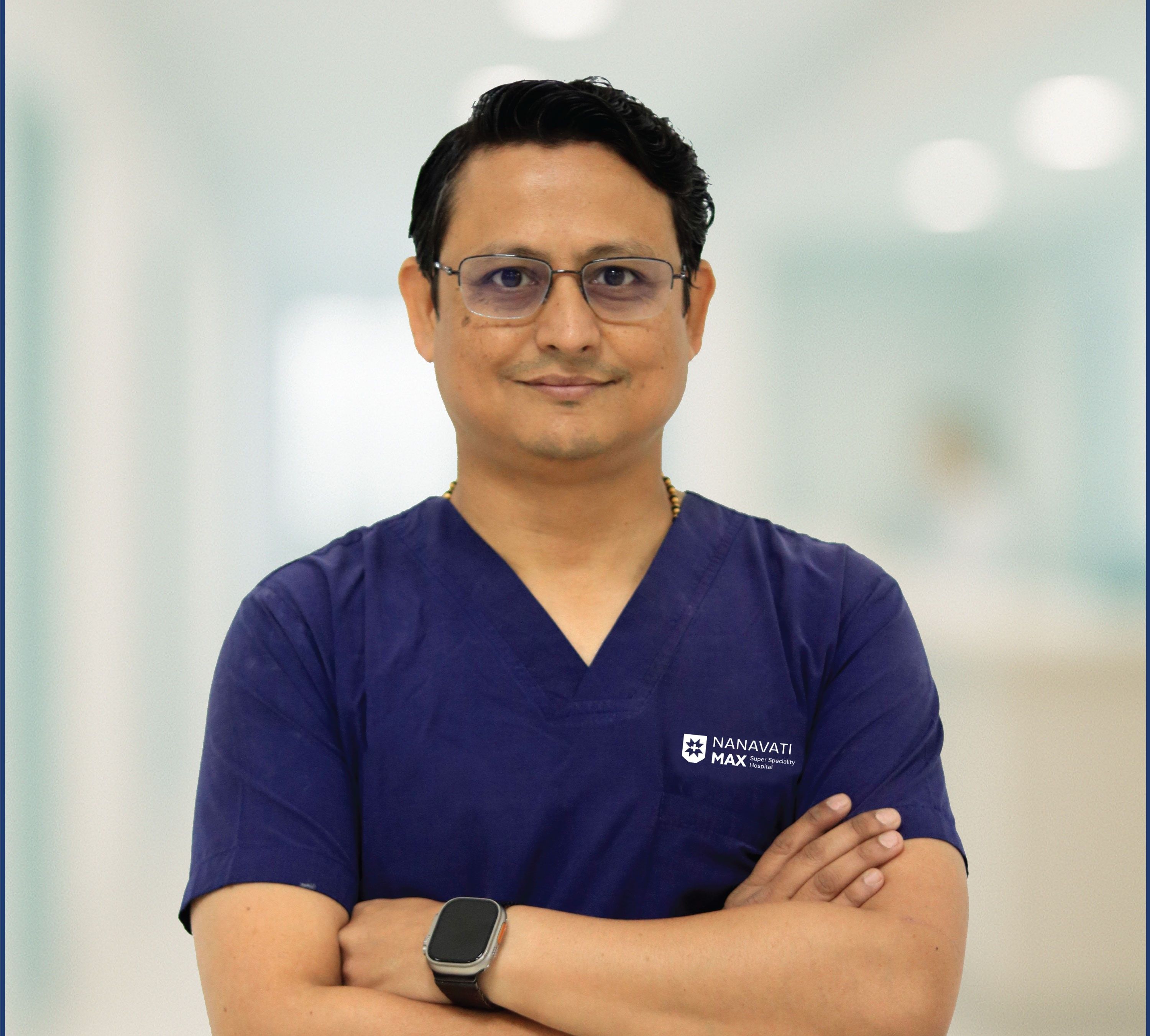
Dr. Gautam JK. Tawari
Senior Director – Arthroscopy & Sports Medicine, Upper Limbs (Shoulder & Elbow) & Hand Surgery
Nanavati Max Institute of Advanced Orthopaedics, Spine & Joint Care, Hand & Foot Clinic, Arthroscopy and Sports Medicine, Sports Injury Unit