Best Physiotherapists in Mumbai, India
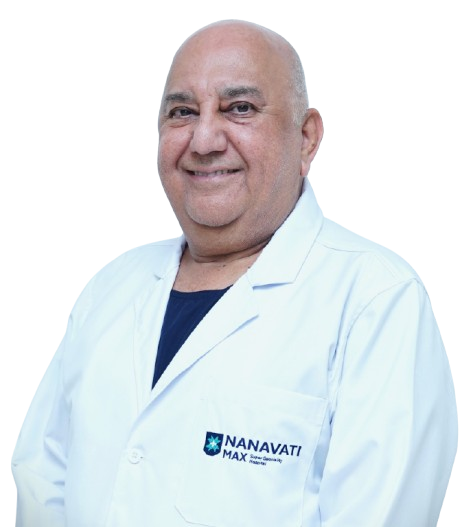
Dr. Ali Irani
Consultant - Physiotherapy
Physiotherapy & Rehabilitation
Can't find what you are looking for?
Frequently Asked Questions
1. Who is a physiotherapist?
A physiotherapist is a licensed healthcare professional specialising in movement science. They act as "movement detectives" who diagnose the root cause of physical dysfunction and use evidence-based techniques to restore strength, mobility, and overall quality of life. Unlike general fitness trainers, they have advanced medical training in anatomy, physiology, and biomechanics.
2. What does a physiotherapist do?
Physiotherapists use a "function-first" approach to healing. Their core responsibilities include:
- Functional Assessment: Analysing how you walk, sit, and move to identify mechanical imbalances.
- Manual Therapy: Utilising hands-on techniques like joint mobilisation, soft tissue massage, and manipulation.
- Prescriptive Exercise: Designing specific "homework" exercises to strengthen weak muscles and correct posture.
- Advanced Modalities: Using technology like Ultrasound, Laser therapy, and TENS to accelerate tissue repair and manage pain.
3. What diseases are treated by a physiotherapist?
Physiotherapy is a critical component for managing diverse medical conditions:
- Orthopaedic Issues: Chronic back pain, slipped discs, arthritis, frozen shoulder, and sports injuries (ACL/Meniscus tears).
- Neurological Disorders: Stroke recovery, Parkinson’s disease, Multiple Sclerosis, and Spinal Cord injuries.
- Cardiopulmonary Health: Post-heart attack rehab, COPD, and asthma management.
- Life-Stage Specifics: Pediatric conditions like Cerebral Palsy and geriatric issues like osteoporosis or balance/fall prevention.
- Specialised Care: Pelvic floor dysfunction, lymphedema, and chronic fatigue syndrome.
4. Why choose Nanavati Max Hospital for a physiotherapist?
Nanavati Max Super Speciality Hospital is home to one of India’s most technologically advanced Sports Medicine and Rehabilitation centers.
- Robotic-Assisted Rehab: Featuring state-of-the-art tech like Bio-Feedback and Partial Body Weight Gait Training for neuro-recovery.
- Clinical Excellence: A team of specialists with 20+ years of experience, managing 15,000+ new patients annually.
- 24/7 Treatment Services: Round-the-clock availability for critical care and post-operative mobility.
- Integrated Care: Direct collaboration with world-class Orthopedic and Neuro-surgeons ensures a seamless transition from the operating table to active recovery.
5. How do I prepare for my first appointment with a physiotherapist?
To maximise your session, follow this checklist based on ranking patient guides:
- Wear the Right Gear: Wear loose, athletic clothing. If you experience knee issues, wear shorts; for neck/shoulder issues, a tank top is ideal.
- Gather Your "Portfolio": Bring copies of recent MRIs, X-rays, and a list of all current medications.
- Define Your Goal: Are you looking to "walk without pain" or "return to competitive sports"? Clear goals help your PT tailor the plan.
- Log Your Symptoms: Note what time of day your pain is worst and which specific movements (like climbing stairs) trigger it.
6. What should I tell my physiotherapist before surgery?
If you are undergoing "Pre-habilitation" (PT before surgery), ensure you disclose:
- Current Limitations: Exactly what you can and cannot do physically right now.
- Home Setup: Do you have stairs? Do you live alone? This helps the PT plan your post-op safety.
- Anaesthesia Concerns: Any history of respiratory issues that might affect your breathing exercises after surgery.
- Baseline Strength: Your usual activity level, which serves as the "target" for your recovery.
7. When do I need to see a physiotherapist?
You should consult a physiotherapist if:
- Pain Persists: Aches that last longer than 2–3 weeks despite rest.
- Movement is Restricted: Inability to reach overhead, bend fully, or rotate your neck.
- Recurrent Injuries: You keep "rolling" your ankle or pulling the same muscle.
- Post-Operative Recovery: To ensure your new joint or repaired ligament gains full functionality.
- Ergonomic Strain: You experience numbness or pain from prolonged desk work.