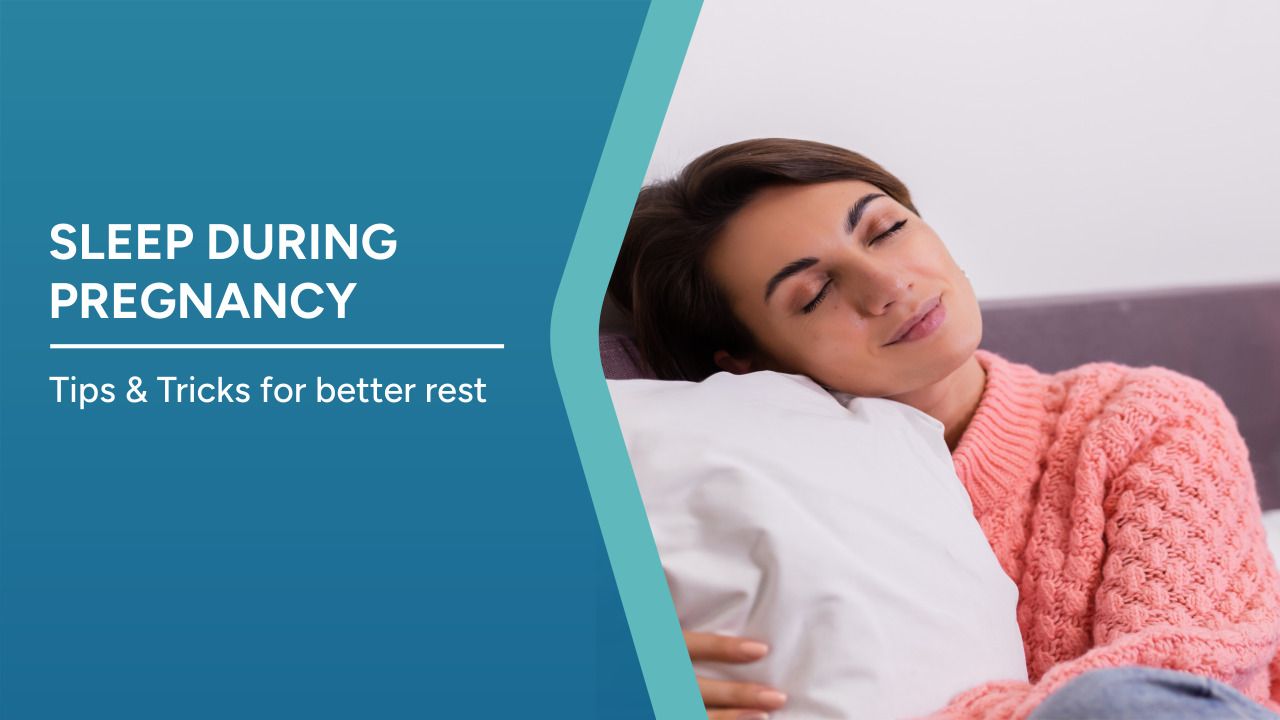
Sleep During Pregnancy: Tips and Tricks for Better Rest
By Dr. Suruchi Desai in Gynaecology & Obstetrics
Aug 24 , 2026 | 10 min read

Sleep during pregnancy is one of the most challenging - and most important - aspects of maternal health. From the first-trimester fatigue caused by surging progesterone to the third-trimester struggle with back pain, heartburn, leg cramps, and restless legs, most pregnant women experience significant sleep disruption at some point. Poor sleep during pregnancy is not just uncomfortable; it has been linked to elevated blood pressure, gestational diabetes, and adverse foetal outcomes.
The good news is that most pregnancy-related sleep problems can be managed with the right sleep positions, evidence-based lifestyle changes, and appropriate medical support. At Nanavati Max Super Speciality Hospital, our obstetricians and maternal health experts guide expectant mothers through each trimester to ensure safer, more restful sleep for both mother and baby.
Why Sleep During Pregnancy is Important
Adequate sleep helps the body repair tissues, regulate hormones, and strengthen the immune system. During pregnancy, a woman’s body undergoes major changes to nurture and support the developing baby. Good sleep can also reduce stress levels, improve mood, and help manage fatigue.
Impact of Poor Sleep on Baby’s Development
Lack of sleep may affect foetal growth and maternal health. Poor sleep has been linked to high blood pressure, gestational diabetes, and increased stress hormones. Maintaining healthy sleep during pregnancy supports the baby’s overall growth and development.
Common Sleep Changes During Pregnancy
Pregnancy hormones often cause changes in sleeping patterns. Many women feel excessive sleepiness during the first trimester, while the third trimester can bring discomfort and interrupted sleep.
Common Sleep Problems During Pregnancy
Insomnia During Pregnancy
Trouble falling asleep or remaining asleep is common, especially in later stages of pregnancy. Anxiety, hormonal changes, and discomfort often contribute to insomnia.
Frequent Urination at Night
As the uterus expands, it puts pressure on the bladder, causing more frequent trips to the bathroom during the night.
Back Pain and Discomfort
The growing belly changes posture and increases strain on the back muscles, making it difficult to find a comfortable sleeping position.
Heartburn and Breathing Issues
Hormonal changes can slow digestion, leading to heartburn. In later pregnancy, pressure on the diaphragm may also cause shortness of breath.
Anxiety and Hormonal Changes
Emotional stress and hormonal fluctuations can make relaxation difficult, affecting the quality of sleep during pregnancy.
Leg Cramps at Night
Painful muscle cramps in the calves or feet, often occurring suddenly at night, are very common during pregnancy - especially in the second and third trimesters. These cramps are thought to be related to changes in calcium and magnesium metabolism, increased uterine pressure on blood vessels, and reduced circulation to the legs during the later stages of pregnancy.
Vivid Dreams and Nightmares
Many pregnant women experience unusually vivid, intense, or disturbing dreams - especially about the baby, childbirth, or their own health. This is a normal part of pregnancy and is driven by hormonal changes, increased REM sleep fragmentation, heightened emotional sensitivity, and underlying anxieties about parenthood. Dreaming something frightening does not mean it will happen. If disturbing dreams are affecting your emotional wellbeing, talking to your partner, midwife, or a counsellor can help process these feelings.
Best Sleeping Positions During Pregnancy
The safest and most comfortable position to sleep during pregnancy - particularly from the second trimester onwards - is on your side. Current evidence, including the NHS and major obstetric guidelines, confirms that either the left or right side is acceptable. You do not need to force yourself to stay on your left side all night.
Why side sleeping?
As the uterus grows, it can press against the inferior vena cava (IVC) - the large vein that returns blood from the lower body to the heart - when a pregnant woman lies flat on her back. This can reduce blood flow to both the mother's heart and the placenta. NHS guidance notes that research suggests sleeping on your back after 28 weeks may double the risk of stillbirth, which is why side sleeping is so strongly recommended from the third trimester onwards.
Does it have to be the left side?
No. Both left and right side sleeping are safe. Some women find the left side more comfortable for heartburn (as it reduces acid reflux), while others prefer the right. The key recommendation is to go to sleep on your side - not to remain rigidly in one position throughout the night.
Positions to Avoid During Pregnancy
From 28 weeks onwards, it is recommended to avoid going to sleep on your back. When lying flat on your back in late pregnancy, the weight of the uterus can compress the inferior vena cava (IVC) - the large blood vessel that carries blood back to your heart. This can reduce blood pressure, cause dizziness, and restrict blood flow and oxygen to the baby. Stomach sleeping naturally becomes uncomfortable as the bump grows and most women naturally transition away from it.
Choosing the Right Pregnancy Pillow
The right pillow support can significantly improve sleep comfort during pregnancy. Common pregnancy pillow options include:
- Wedge pillow: A small, triangular support pillow - ideal for tucking under the belly or behind the back. Lightweight and easy to reposition during the night.
- C-shaped body pillow: Curves around your body to support the head, bump, and between the knees simultaneously. Best for those who need multi-point support.
- U-shaped full body pillow: Wraps around both sides of the body - eliminates the need to flip or reposition the pillow when turning over. Ideal for the third trimester.
- Regular pillow stacking: Placing two standard pillows between the knees (one between knees, one under the belly) is a budget-friendly and effective alternative.
Tips to Improve Sleep During Pregnancy
Creating a Relaxing Bedtime Routine
A calming bedtime routine can signal the body that it is time to rest. Activities such as reading, listening to soft music, or taking a warm shower may help.
Maintaining a Sleep Schedule
Going to bed and waking up at the same time daily helps regulate the body’s internal clock and improves sleep quality.
Managing Fluid Intake Before Bed
Staying hydrated is essential, but reducing fluid intake close to bedtime may help minimise nighttime bathroom visits.
Light Exercise and Prenatal Yoga
Regular physical activity during the day can reduce stress and improve sleep. Gentle stretching and prenatal yoga may also ease body aches.
Reducing Screen Time Before Sleep
The blue light from phones and electronic devices can interfere with sleep hormones. Limiting screen exposure before bedtime may improve sleep during pregnancy.
Recommended Reading: Healthy Indian Pregnancy Diet Plan (Chart) for Women
Diet and Lifestyle Tips for Better Sleep During Pregnancy
Foods That Promote Better Sleep
Foods rich in magnesium and calcium, such as bananas, almonds, milk, and leafy greens, may support better sleep.
Foods to Avoid Before Bedtime
Spicy, oily, or heavy meals before bedtime can increase heartburn and indigestion. Limiting sugary snacks late at night may also help.
Importance of Hydration
Drinking enough water during the day supports overall health and prevents dehydration-related fatigue.
Limiting Caffeine Intake
Pregnant women are generally advised to reduce caffeine consumption, especially in the evening, as it can interfere with sleep.
Read More about the 1 to 3 Month Pregnancy Diet Chart
Natural Remedies for Sleep During Pregnancy
Warm Baths and Relaxation Techniques
A warm bath before bedtime may relax muscles and reduce stress. Gentle massages may also help improve comfort.
Breathing Exercises and Meditation
Deep breathing exercises, mindfulness, and meditation can calm the mind and support restful sleep.
Safe Herbal Options (With Doctor Consultation)
Some herbal teas may offer gentle relaxation support during pregnancy. Generally considered safe in moderate amounts (always confirm with your obstetrician):
- Chamomile tea (in moderation - some guidelines recommend limiting it)
- Ginger tea - particularly helpful for nausea that disrupts sleep in the first trimester
- Rooibos tea - naturally caffeine-free and considered safe in pregnancy
- Peppermint tea - may soothe indigestion and heartburn
When to Seek Medical Help for Sleep Problems in Pregnancy
Signs of Severe Insomnia
Persistent difficulty falling or staying asleep that significantly affects your ability to function during the day should be discussed with your doctor. First-line treatment for pregnancy insomnia is not medication - it is Cognitive Behavioural Therapy for Insomnia (CBT-I), a structured programme that helps identify and change the thoughts and behaviours that prevent restful sleep. CBT-I is safe during pregnancy and has been shown to be effective. Ask your obstetrician or a sleep specialist for a referral.
Restless Legs Syndrome (RLS) During Pregnancy
Restless Legs Syndrome (RLS) is a condition characterised by an uncomfortable, irresistible urge to move the legs - typically worse in the evening and at night when the body is at rest. RLS is remarkably common during pregnancy.
RLS during pregnancy has been associated with iron and folate deficiency - both of which are already common in pregnancy. Your doctor may check your ferritin (iron stores) and recommend supplementation if levels are low. Other management strategies include:
- Gentle leg stretches and walking before bedtime
- Warm baths or warm compresses on the legs
- Avoiding caffeine and alcohol (which worsen RLS)
- Massaging the affected muscles
- Discussing iron, folate, or magnesium supplementation with your doctor
Sleep Apnoea During Pregnancy
Obstructive sleep apnoea (OSA) - characterised by loud snoring, gasping or choking during sleep, or being told by a partner that your breathing stops and starts - is particularly serious during pregnancy. Research has linked undiagnosed and untreated sleep apnoea in pregnancy to:
- Preeclampsia (dangerous high blood pressure in pregnancy)
- Gestational diabetes
- Preterm birth
- Foetal growth restriction
- Increased risk of complications during labour and delivery
If you or your partner notices these signs, report them to your obstetrician promptly. A sleep study may be recommended, and if sleep apnoea is confirmed, CPAP (Continuous Positive Airway Pressure) therapy is safe and effective during pregnancy.
Know More about the Sleep Apnoea: Causes, Symptoms, Diagnosis and Treatment
Sleep During Pregnancy by Trimester
First Trimester Sleep Challenges
During the first trimester, hormonal changes often lead to fatigue and increased sleepiness. Nausea and frequent urination may also interrupt rest.
Second Trimester Sleep Improvements
Many women experience improved energy levels and better sleep during the second trimester as early pregnancy symptoms reduce.
Third Trimester Sleep Difficulties
In the final trimester, back pain, foetal movements, heartburn, and anxiety about labour can make sleeping more difficult.
Disclaimer: This information is provided for educational and informational purposes only and is NOT a substitute for professional medical advice, diagnosis, or treatment. Always seek the advice of your physician or other qualified healthcare provider with any questions you may have regarding a medical condition or procedure.
Final Thoughts
Maintaining a regular bedtime, staying physically active, avoiding heavy meals before sleep, and creating a calm sleeping environment may help improve sleep quality during pregnancy. A cool, quiet, and dark room with comfortable bedding and supportive pillows can also support better rest. Although occasional sleep disturbances are common, persistent sleep problems or pregnancy-related concerns should be evaluated by experienced healthcare professionals. At Nanavati Max Super Speciality Hospital, specialists provide personalised guidance to support safer and more comfortable pregnancy care.
Frequently Asked Questions
1. Is It Safe to Sleep on Your Back During Pregnancy?
Short periods of back sleeping may not be harmful in early pregnancy, but side sleeping is usually recommended in later stages and becomes essential after 28 weeks to ensure optimal blood flow to the baby.
2. How Many Hours Should Pregnant Women Sleep?
Most pregnant women benefit from seven to nine hours of sleep each night, along with short daytime naps if needed.
3. Can Pregnancy Cause Excessive Sleepiness?
Yes, hormonal changes and increased energy demands often cause fatigue and sleepiness, particularly in the first trimester.
4. Are Sleep Aids Safe During Pregnancy?
Pregnant women should avoid taking sleep medications without medical advice. Always consult a healthcare professional before using any sleep aid.
5. What is the best sleeping position in the third trimester?
Side sleeping - either left or right - is the recommended position from 28 weeks onwards. You do not need to force yourself to stay exclusively on the left side; both sides are safe. The left side may be slightly more comfortable if you experience heartburn or reflux.
6. Why do I have leg cramps at night during pregnancy?
Nighttime leg cramps in pregnancy are very common, particularly in the second and third trimesters. They are thought to be caused by changes in calcium and magnesium metabolism, increased pressure on blood vessels from the growing uterus, and reduced circulation to the legs.
7. Is it normal to have vivid or disturbing dreams during pregnancy?
Yes, vivid dreams - and sometimes nightmares - are very common throughout pregnancy. They are driven by hormonal changes, disrupted REM sleep, and heightened emotional processing.
8. Which type of pregnancy pillow is best?
The best pregnancy pillow depends on your specific needs. Wedge pillows are compact and targeted - ideal for supporting the bump or back without taking up too much bed space. C-shaped body pillows offer head-to-knee support on one side.

Written and Verified by:

Related Blogs

Medical Expert Team
Oct 12 , 2026

Blogs by Doctor

Fetal Heart Rate: Monitoring During Trimesters and Its Link to Baby Gender Myths
Dr. Suruchi Desai In Gynaecology & Obstetrics
Oct 06 , 2026 | 6 min read
Most read Blogs



Related Blogs
Medical Expert Team
Oct 12 , 2026
Blogs by Doctor
Fetal Heart Rate: Monitoring During Trimesters and Its Link to Baby Gender Myths
Dr. Suruchi Desai In Gynaecology & Obstetrics
Oct 06 , 2026 | 6 min read
Most read Blogs