Fetal Development: Milestones from Conception to Birth
By Dr. Tushar Maniar in Centre for Child Health
Aug 05 , 2026 | 10 min read

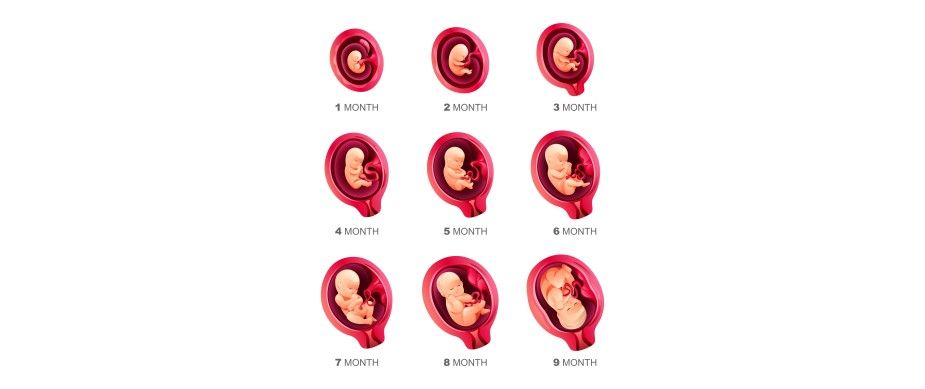
Pregnancy changes nearly every aspect of a woman's body. From a single cell, it slowly grows into a baby with fingers, eyelashes, organs, and a heartbeat. This process, known as fetal development, is more than just science; it's a journey that shapes the foundation of life. To get ready for the big day, every week, every milestone, and every little choice you make during pregnancy is essential.
Understanding how a fetus grows inside the womb helps expectant parents feel more prepared and confident. It's more meaningful to know what to expect during each step, whether it's the first ultrasound or the first kick. Additionally, it helps you to make informed decisions that benefit both your health and the health of your baby.
Stages of Fetal Development
First Trimester (Weeks 1-12)
The first trimester is when it all begins. At this stage, the changes are quick, though not always visible from the outside. Inside the womb, the groundwork is being laid for every organ and system the baby will need to function.
By the end of week six, the heart has already started beating. It's tiny, of course, but it's functioning. Blood is moving, and the circulatory system is forming. That’s one of the earliest signs doctors look for during early scans.
Around the same time, the nervous system starts to develop. The brain and spinal cord begin to take shape. This is why folic acid is so important in these first few weeks; it supports the healthy development of the brain and prevents issues in the neural tube.
Meanwhile, tiny limb buds begin forming. These will grow into arms and legs. Basic facial features also begin appearing, enough to mark the early stages of the baby's unique look. By the end of this trimester, fingers and toes start becoming visible.
Read More about the Symptoms of Pregnancy Week by Week: What Happens First
Second Trimester (Weeks 13-26)
The second trimester is often described as the most comfortable part of pregnancy. The early symptoms usually ease up, and the baby starts to feel more “real.” This is when many expecting mothers feel their baby move for the first time, a soft flutter, like bubbles or tiny kicks.
During this period, the baby starts building muscle and practising movements. They stretch, twist, and even respond to outside sounds. That means your baby can hear you. Singing, talking, or even playing soft music starts to matter.
The body also begins to change in appearance. Hair starts growing on the head, eyebrows, and even tiny eyelashes. Once translucent skin now thickens and forms a protective layer. Fingernails and toenails form, and the baby’s facial features become more distinct.
Eyes are still shut at this stage, but the development of vision begins. And while your baby is still small, there's a steady increase in size and weight. These changes set the stage for the final trimester, where everything prepares for life outside the womb.
Know More about Second Trimester: What Happens, What to Expect
Third Trimester (Weeks 27-40)
The third trimester is when the baby begins to gain significant weight. Fat builds up under the skin, giving that soft, plump look you associate with newborns. This fat also helps regulate body temperature after delivery.
Inside the brain, there's a burst of activity. The grooves and folds of the brain develop rapidly, helping to prepare the baby for all the things they will need to learn and process once born.
Lung growth is one of the most significant events that occur during this stage. Moving the chest muscles helps the baby breathe even though there is no air in the womb. Surfactant is a substance that keeps the air sacs from collapsing after birth. The lungs start making it around this time.
As your due date gets closer, the baby usually turns head-down and begins settling into the pelvis. This is a sign that the body is preparing for labour. These final weeks are about maturing organs, strengthening muscles, and getting ready for that big moment.
Key Milestones in Fetal Development
Conception and Implantation
Everything starts when a sperm fertilises an egg. This single cell quickly begins to divide, forming a group of cells called a blastocyst. This cluster travels to the uterus and settles into the uterine lining. That’s called implantation, and it usually happens about a week after conception.
The embryo starts to form the placenta as soon as it is implanted. The placenta will be the baby's lifeline during pregnancy, providing nutrients, removing waste, and facilitating the baby's growth.
Formation of Major Organs
The heart is the first major organ to develop. By week five or six, it begins to beat and pump blood. The early circulatory system forms around it, supporting the transfer of oxygen and nutrients.
The nervous system comes next. Cells in the brain begin to grow and connect, forming the basis for everything the baby will experience in the future, including what they will see, hear, and feel.
Around the same time, buds for arms and legs appear. The face begins to take form, and early signs of the mouth, eyes, and nose start to take shape. Every week adds a layer of detail, moving from basic structure to complex systems.
Growth Milestones
As the baby continues to grow, reflexes begin to appear. You may see them on an ultrasound, sucking their thumbs, stretching, or turning in response to light or sound.
The baby's lungs start making surfactant around the sixth month. This doesn't mean the lungs are fully ready, but it's a big step towards being able to breathe on your own after birth. Bone growth also speeds up. Now it's even more important to get enough calcium.
Read More about Placenta Previa: Symptoms and Causes
Factors Influencing Fetal Development
Maternal Health and Nutrition
A mother’s diet during pregnancy plays a crucial role in her baby’s growth and development. Eating a balanced variety of fresh fruits and vegetables, whole grains like millet or brown rice, lentils, and protein-rich foods such as eggs, dairy, or legumes helps support healthy fetal development. Adequate hydration is equally important; therefore, it is recommended to drink plenty of water and include natural fluids like coconut water or fresh yoghurt-based drinks to support circulation and digestion.
Prenatal vitamins act as an additional support for both mother and baby. Even with a nutritious diet, it is important to take supplements such as folic acid, iron, and vitamin D. Folic acid contributes to the healthy development of the baby’s brain and spinal cord, iron helps carry oxygen in the blood, and vitamin D supports strong bones for both mother and child.
Additionally, conditions like diabetes or high blood pressure can affect fetal development. This is why regular check-ups and monitoring your own health during pregnancy are just as crucial as tracking the baby’s growth.
Read More about Pregnancy Diet Plan
Environmental Factors
The environment around you can have a significant impact on your baby’s development. Exposure to harmful chemicals, pollutants, or infections during pregnancy can affect growth at critical stages.
Pregnant women are advised to avoid smoking, including secondhand smoke, alcohol, and recreational drugs, as these have been linked to developmental issues. Prolonged use of certain medications or frequent contact with hazardous chemicals can also pose risks.
Infections such as rubella, chickenpox, or toxoplasmosis, often contracted through undercooked meat or unwashed vegetables, can further affect fetal health. Maintaining proper food hygiene, staying up to date with vaccinations, and attending regular check-ups are essential components of comprehensive prenatal care.
Infections like rubella, chickenpox, or toxoplasmosis, often found in undercooked meat or unwashed vegetables, can also pose risks. That’s why food hygiene, vaccinations, and regular check-ups are part of a solid prenatal care plan.
Know More about Pregnancy Test: Types, Timing & How Accurate Are They?
Monitoring Fetal Development
Ultrasound and Imaging
Ultrasounds are more than just a window into your womb. They help doctors track the baby’s size, heartbeat, movement, and even position. An early ultrasound confirms the pregnancy and estimates your due date. Later ones check for organ development, growth rate, and placenta health. By the second trimester, a detailed scan, often called an anomaly scan, is done to assess all the baby’s major organs.
Blood Tests and Screening
Blood tests help assess not only your health but also provide insight into how your baby is developing. Early in pregnancy, your blood type, immunity levels, iron levels, and any infections are tested. In the second trimester, you may be offered screening tests that check for genetic conditions or developmental concerns.
If a screening comes back as high risk, don't worry. It doesn't mean anything for sure. It simply means that more tests may be necessary to obtain a clearer picture. Along with ultrasounds and regular checkups, these tests provide a comprehensive picture of your pregnancy, helping the baby grow and develop normally throughout.
Conclusion
From a single fertilised cell to a baby ready to take its first breath, fetal development undergoes remarkable changes in each trimester. At Nanavati Max Super Speciality Hospital, our team of expert obstetricians, nutritionists, fetal medicine specialists, and sonographers ensures comprehensive care for both mother and baby at every stage. Our goal is to provide the highest quality medical support, keep you well-informed, and help you embrace every moment of your pregnancy journey.
Frequently Asked Questions
1. How does fetal development differ in multiple pregnancies compared to a single pregnancy?
In multiple pregnancies, such as twins or triplets, fetal development follows the same basic stages but can be influenced by shared resources like the placenta. Growth rates may vary between the babies, and doctors monitor them closely to ensure each fetus is developing properly without complications like restricted growth or preterm labour.
2. Can stress or emotional health affect fetal development?
Yes, prolonged stress and anxiety can impact fetal development. High cortisol levels can affect nutrient absorption and blood flow to the placenta, potentially influencing the baby's growth. Maintaining mental well-being through relaxation techniques, counselling, and supportive relationships helps create a healthier environment for fetal development.
3. How is fetal development monitored if a mother has pre-existing medical conditions?
For mothers with conditions like diabetes, thyroid disorders, or autoimmune diseases, fetal development is monitored more intensively through frequent ultrasounds, blood tests, and growth assessments. This helps track the baby's progress and address any concerns early, ensuring both the mother’s and baby’s health are protected throughout the pregnancy.
4. How important is sleep for fetal development?
Sleep is essential during pregnancy, as it supports hormonal balance, immune health, and nutrient absorption, all of which are critical for fetal development. Poor sleep patterns can lead to complications such as high blood pressure, gestational diabetes, and reduced fetal growth, so establishing a healthy sleep routine helps the baby’s development stay on track.
5. Can exercise routines affect the pace or pattern of fetal development?
Moderate, doctor-approved exercise supports healthy fetal development by improving circulation, reducing stress, and strengthening muscles. However, high-intensity workouts or unsafe activities might risk preterm labour or other complications. Tailored fitness plans ensure the mother’s body supports the baby's growth without unnecessary strain.
6. Are there specific vitamins or minerals that influence different aspects of fetal development?
Yes, nutrients like folic acid, iron, calcium, iodine, and omega-3 fatty acids play distinct roles in fetal development. Folic acid supports neural tube formation, iron aids in blood production, calcium strengthens bones, iodine supports brain development, and omega-3s contribute to vision and neurological growth. A balanced diet with prenatal supplements helps ensure the fetus receives these essential nutrients.
7. How do fetal movements indicate healthy development?
Fetal movements, such as kicks, stretches, and rolls, are signs that the baby’s muscles, nervous system, and reflexes are developing properly. An increase in movement patterns during the second and third trimesters usually reflects good health, while significant decreases might signal the need for further medical evaluation.
8. How does the placenta contribute to fetal development?
The placenta acts as the baby’s lifeline by transferring oxygen and nutrients from the mother’s bloodstream to the fetus while removing waste products. It also produces hormones that regulate pregnancy and protect the fetus from infections. Proper placental function is critical for healthy fetal growth throughout all stages of development.
9. Can environmental factors, such as pollution or secondhand smoke, interfere with fetal development?
Yes, exposure to pollutants, chemicals, and secondhand smoke can disrupt fetal development by limiting oxygen supply, increasing oxidative stress, or introducing harmful toxins. Avoiding polluted environments and harmful substances helps ensure that the fetus receives adequate nutrients and grows in a safe, supportive environment.
10. How can early education about fetal development empower expecting parents?
Learning about fetal development enables parents to make informed decisions about nutrition, lifestyle, and prenatal care. Understanding each milestone builds confidence and encourages active participation in pregnancy health. It also helps parents identify early warning signs and seek timely medical advice, contributing to better outcomes for both mother and baby.

Written and Verified by:

Related Blogs
Dr. Tushar Maniar In Centre for Child Health
Sep 01 , 2026 | 8 min read

Dr. Tushar Maniar In Centre for Child Health
Aug 05 , 2026 | 7 min read

Dr. Tushar Maniar In Centre for Child Health
Aug 04 , 2026 | 2 min read
Blogs by Doctor
When Does a Newborn Need a Neonatologist? Common Medical Conditions Explained
Dr. Tushar Maniar In Centre for Child Health
Sep 01 , 2026 | 8 min read
Childhood Obesity: Causes, Effects and Prevention
Dr. Tushar Maniar In Centre for Child Health
Aug 05 , 2026 | 7 min read
Most read Blogs



Related Blogs
Dr. Tushar Maniar In Centre for Child Health
Sep 01 , 2026 | 8 min read
Dr. Tushar Maniar In Centre for Child Health
Aug 05 , 2026 | 7 min read
Dr. Tushar Maniar In Centre for Child Health
Aug 04 , 2026 | 2 min read
Blogs by Doctor
When Does a Newborn Need a Neonatologist? Common Medical Conditions Explained
Dr. Tushar Maniar In Centre for Child Health
Sep 01 , 2026 | 8 min read
Childhood Obesity: Causes, Effects and Prevention
Dr. Tushar Maniar In Centre for Child Health
Aug 05 , 2026 | 7 min read
Most read Blogs