NCV Test: What It Is and Why It’s Done
By Dr. Pradyumna J. Oak in Centre for Neurosciences
Aug 05 , 2026 | 7 min read

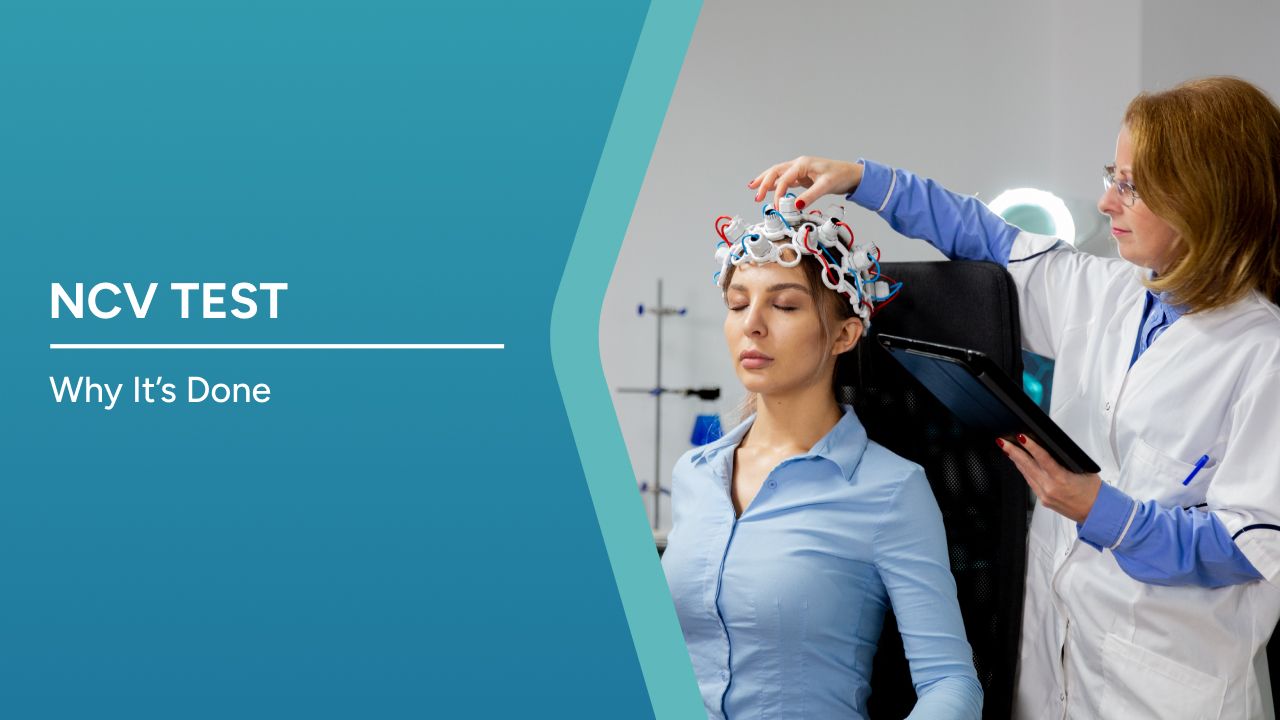
An NCV test, or nerve conduction velocity test, also called a nerve conduction study, is a specialised diagnostic procedure used to evaluate how well and how fast electrical signals travel through your peripheral nerves. In neurology, signal speed is an important indicator of nerve health. A slow electrical impulse may suggest that a nerve is compressed, irritated, or damaged. By measuring this velocity, specialists can help identify the location and severity of a nerve-related issue.
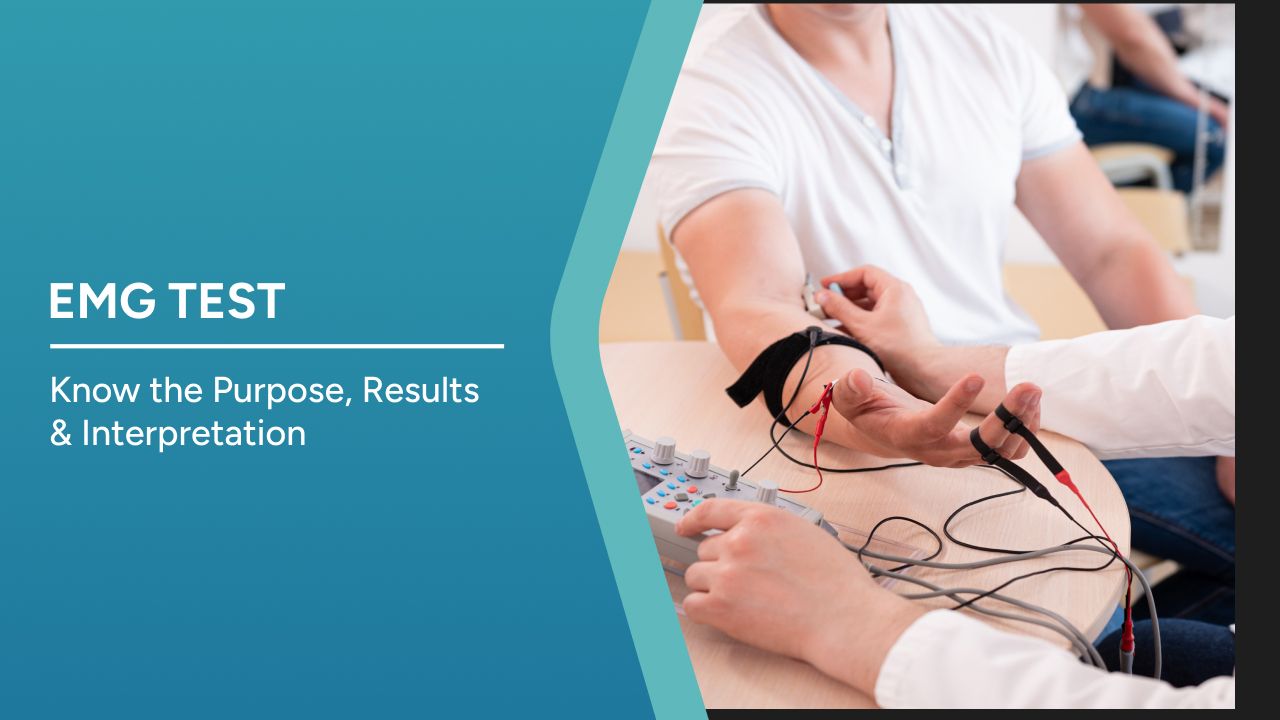
This test is frequently performed alongside an electromyogram (EMG), which records the electrical activity of muscles, to provide a more complete picture of neuromuscular health and help your doctor determine the best course of treatment. The procedure is safe, non-invasive, and usually takes 30–60 minutes.
What is NCV Test
An NCV test measures how fast and how strongly electrical signals travel through your peripheral nerves. It helps doctors detect nerve compression, nerve damage, or muscle-related problems, and is often performed alongside an EMG (electromyography) test. The normal Nerve Conduction Velocity (NCV) range is typically between 50 and 60 meters per second, though it fluctuates based on age, the specific nerve tested, and body temperature.
Understanding the Mechanics of an NCV Test
The NCV test functions by stimulating specific nerves with small electrical pulses and measuring the time it takes for the signal to reach a second point. Think of your nerves as electrical wires; many are wrapped in a protective coating called the myelin sheath, which acts as insulation to ensure signals travel rapidly. If this insulation is damaged, the conduction velocity may drop.
During the procedure, the specialist evaluates sensory nerves, which carry sensations such as touch and pain, and motor nerves, which control muscle movement. By calculating the distance between electrodes and the time the signal takes to travel, the test provides a precise assessment of nerve function.
Read More about the Causes of Neurological Disorders
Common Reasons for an NCV Test Recommendation
Your doctor may recommend an NCV test if you are experiencing persistent physical symptoms that suggest nerve involvement. At Nanavati Max Super Speciality Hospital, specialists may use this test for the following clinical reasons:
- Chronic sensory symptoms: Investigating unexplained numbness, persistent tingling, or a “pins and needles” sensation in the limbs
- Peripheral neuropathy: Diagnosing nerve damage often caused by diabetes, metabolic issues, or vitamin deficiencies
- Nerve compression: Identifying specific syndromes where a nerve is physically compressed, such as carpal tunnel syndrome in the wrist or ulnar nerve entrapment at the elbow
- Spinal nerve-related issues: Supporting evaluation of nerve irritation or compression caused by conditions such as herniated discs or sciatica, often along with EMG
- Neuromuscular disorders: Assessing more complex conditions such as Guillain-Barré syndrome or inherited disorders such as Charcot-Marie-Tooth disease
- Muscle weakness: Helping determine whether loss of strength is due to a nerve problem or a primary muscle disorder
How to Prepare for Your NCV Test
Proper preparation helps ensure that the electrical readings are accurate and the procedure runs smoothly. Please follow these steps on the day of your appointment:
- Skin care: Keep your skin clean and avoid applying body lotions, oils, or moisturising creams, as these can interfere with electrode contact
- Body temperature: Keep your limbs warm, as cold skin can cause nerves to transmit signals more slowly and may affect test results
- Medical disclosure: Inform your specialist beforehand if you use a pacemaker, have an implanted cardiac device, have a bleeding disorder, or take blood-thinning medications, especially if an EMG is also planned
- Clothing: Wear loose-fitting, comfortable clothes that allow the technician easy access to the arms or legs being tested
- General hygiene: Ensure the test areas are free of sweat or dirt to help the electrodes adhere properly to your skin
Learn More about the Neurological Disorders: What are They, Types & Symptoms
The NCV Test Procedure: What to Expect
During a standard NCV test, you can expect a structured process handled by trained clinical professionals. The steps typically involve:
- Electrode placement: The technician attaches small recording electrodes to your skin over the nerve being tested using a mild adhesive
- Stimulation: A handheld stimulator is placed on the skin to send a very brief, low-level electrical impulse
- Sensation: You may feel a quick “thump,” tingling, or mild twitching sensation, which is usually brief but may feel unusual
- Data recording: A computer calculates the speed and strength of the nerve’s response based on the distance between electrodes
- Duration: The entire procedure generally takes between 30 and 60 minutes, depending on the number of nerves tested
Understanding Your NCV Test Results
Interpreting the data requires a specialist's assessment to distinguish between different types of nerve dysfunction. The results are generally categorised as follows:
- Normal results: Nerve conduction speeds and signal strength fall within expected ranges, suggesting that the tested nerves are functioning normally
- Slowed conduction: This may indicate damage to the myelin, or insulation around the nerve, commonly seen in compression syndromes or certain neuropathies
- Reduced signal strength: A weak signal may suggest damage to the actual nerve fibre, known as the axon
- Absent signals: In severe cases, a lack of response may indicate significant nerve damage or blockage
- Specialist review: A neurologist must compare these findings with your symptoms, physical examination, and other test results to form a final diagnosis.
Read More about the Neurologist vs. Neurosurgeon: Key Differences and Roles
Is the NCV Test Safe?
The NCV test is a safe, non-invasive diagnostic tool with no lasting effects for most patients. While the idea of electrical pulses might sound intimidating, the amount of current used is small and carefully controlled.
When you visit Nanavati Max Super Speciality Hospital for this test, most patients describe the sensation as a minor, momentary jolt, tingling, or muscle twitch rather than significant pain. There is usually no recovery period required, and most people can resume their daily activities immediately unless advised otherwise. Some patients may notice slight skin redness where the electrodes were placed, but this typically settles quickly.
It is a routine procedure used globally to gain clarity on nerve health without the need for surgery or sedation.
Conclusion
The NCV test is an important diagnostic tool that helps doctors move beyond symptoms and obtain objective information about nerve function. By measuring the speed and strength of nerve signals, this test supports a more accurate approach to diagnosing nerve pain, numbness, tingling, or weakness.
Whether you are dealing with a pinched nerve, diabetic neuropathy, or another nerve-related condition, understanding the function of your nerves is an important step toward effective treatment. Early detection and appropriate care can support better outcomes for nerve health. Book an appointment with a health care professional in case of an emergency.
Disclaimer: The information provided in this blog is for educational purposes only and should not be considered a substitute for professional medical advice, diagnosis, or treatment. Always seek the advice of your physician or other qualified health provider with any questions you may have regarding a medical condition.
Frequently Asked Questions
1. What is an NCV test used for?
An NCV (Nerve Conduction Velocity) test measures the speed and strength of electrical signals travelling through your peripheral nerves. It helps doctors identify nerve damage, determine the location of nerve compression or injury, and differentiate between nerve disorders and muscle-related conditions.
2. Is an NCV test painful?
You may feel a brief, startling thump, tingling, or twitch, but the pulses are usually short and well tolerated. The test is generally safe and does not cause lasting pain.
3. How soon will I get the results?
The raw data is captured during the test, but a neurologist usually reviews and interprets the findings before a formal report is shared. The reporting timeline may vary depending on the centre.
4. Is an NCV the same as an EMG?
No. An NCV test measures how fast and how well electrical signals travel through nerves, while an EMG records the electrical activity of muscles, usually at rest and during contraction. The two tests are often performed together to assess nerve and muscle function more completely.
5. What are the risks of an NCV test?
An NCV (Nerve Conduction Velocity) test is extremely safe with no known long-term side effects. The main "risk" is temporary, mild discomfort, such as a tingling sensation or slight muscle twitch, from the low-voltage electrical pulses used to stimulate the nerves.
6. What happens if an NCV is abnormal?
An abnormal NCV test result means that electrical signals are not travelling through the nerves as expected. This may indicate nerve damage or dysfunction and is used to diagnose conditions like carpal tunnel syndrome, peripheral neuropathy, or a pinched nerve.
7. What kind of doctor orders NCV tests?
An NCV test is usually performed and interpreted by a neurologist. These specialists evaluate and treat disorders of the brain, spinal cord, nerves, and muscles.
References
- American Academy of Orthopaedic Surgeons. Electrodiagnostic Testing. (https://orthoinfo.aaos.org/en/treatment/electrodiagnostic-testing)
- Merck Manual: Consumer Version. Tests for Brain, Spinal Cord and Nerve Disorders. (https://www.merckmanuals.com/home/brain,-spinal-cord,-and-nerve-disorders/diagnosis-of-brain,-spinal-cord,-and-nerve-disorders/tests-for-brain-spinal-cord-and-nerve-disorders)
- U.S. National Library of Medicine. Electromyography (EMG) and Nerve Conduction Studies (https://medlineplus.gov/lab-tests/electromyography-emg-and-nerve-conduction-studies/)

Written and Verified by: