EMG Test Explained: Purpose, Results Interpretation, and What Happens During the Test
By Dr. Pradyumna J. Oak in Centre for Neurosciences
Oct 07 , 2026 | 9 min read

Muscle weakness, numbness, tingling, persistent pain or unexplained muscle twitching can sometimes indicate a problem affecting the nerves or muscles. These symptoms may develop gradually or appear suddenly. Identifying their underlying cause is important for timely diagnosis and appropriate treatment.
An Electromyography (EMG) test is a diagnostic procedure that evaluates the electrical activity of muscles and the nerves controlling them. Doctors often recommend an EMG test to investigate unexplained muscle weakness, nerve-related symptoms, or suspected neuromuscular disorders. The results help guide further evaluation and treatment when interpreted alongside a clinical examination and other diagnostic tests.
What Is an EMG Test?
An Electromyography (EMG) test is a diagnostic procedure used to assess the electrical activity of muscles and the nerves that control them. It helps doctors understand whether symptoms are caused by a nerve disorder, a muscle disorder or problems affecting communication between nerves and muscles. Some doctors may also refer to it as an electrodiagnostic exam. The test converts muscle and nerve electrical signals into graphs or numerical values for the doctor to interpret.
An EMG test is commonly recommended by neurologists when patients experience persistent muscle weakness, numbness, tingling, muscle cramps or unexplained pain. It may help evaluate conditions such as peripheral neuropathy, carpal tunnel syndrome, muscular disorders, nerve injuries and certain motor neuron diseases.
Purpose of the EMG Test
An EMG test helps doctors evaluate the function of nerves and muscles and supports the diagnosis of various neuromuscular conditions. It is usually performed alongside a clinical examination and other investigations to provide a more complete assessment.
The test may be recommended to:
- Assess how well nerves transmit signals to the muscles.
- Evaluate muscle activity at rest and during contraction.
- Differentiate nerve-related disorders from muscle disorders.
- Support diagnosis alongside symptoms, physical examination, and other investigations.
Conditions an EMG can help diagnose include:
- Peripheral neuropathy - damage to nerves outside the brain and spinal cord
- Carpal tunnel syndrome - compression of the median nerve at the wrist
- Radiculopathy - pinched or compressed nerve roots, such as from a herniated disc
- Muscular dystrophy - inherited disorders causing progressive muscle weakness
- Myasthenia gravis - an autoimmune condition affecting nerve-to-muscle signalling
- Amyotrophic lateral sclerosis (ALS) - a motor neuron disease
- Myositis - inflammation of the muscle tissue
The findings help doctors plan further evaluation and recommend appropriate treatment based on the underlying condition.
Recommended Read- NCV Test: Purpose, Procedure & Results
When Is an EMG Test Recommended?
Doctors may recommend an EMG test when symptoms suggest a problem affecting the nerves or muscles. The decision to perform the test depends on the patient's symptoms, medical history, and clinical examination.
An EMG test may be advised if you experience:
- Persistent muscle weakness.
- Numbness or tingling in the arms or legs.
- Muscle cramps, twitching or involuntary movements.
- Chronic pain associated with suspected nerve involvement.
- Suspected nerve injury after trauma.
- Difficulty performing routine movements due to reduced muscle function.
- Muscle stiffness or muscle wasting (loss of muscle mass).
- Difficulty speaking, chewing, or swallowing, which may indicate motor neuron involvement.
- Paralysis or significantly reduced movement in a limb.
The test helps doctors investigate the cause of these symptoms and determine whether further evaluation or treatment is required.
How Is an EMG Test Performed?
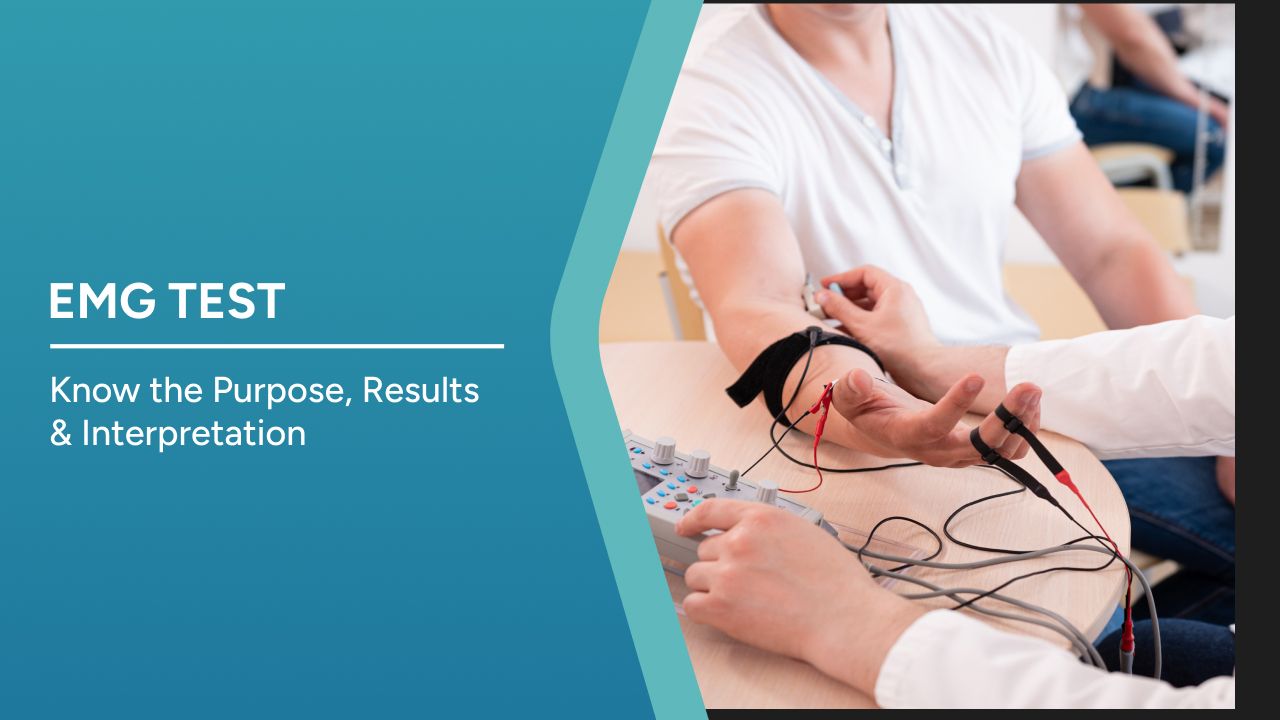
An EMG test is usually performed in a hospital or diagnostic centre by a trained healthcare professional to evaluate muscle activity and nerve function. During the procedure, a thin, sterile needle electrode is inserted into selected muscles to record their electrical activity at rest and during movement. In many cases, a Nerve Conduction Study (NCS) is also performed using small surface electrodes placed on the skin to deliver mild electrical impulses and measure how quickly nerves transmit signals. The procedure typically takes between 30 and 90 minutes, depending on the number of muscles and nerves being evaluated. Most people can return to their usual activities shortly after the test unless their doctor advises otherwise.
Two-stage breakdown:
- Nerve Conduction Study (NCS) - Performed first. Small surface electrodes are placed on the skin above the nerve being tested. A mild electrical impulse is delivered to stimulate the nerve, and a recording electrode measures how quickly the signal travels. This assesses the speed and strength of nerve signals.
- Needle EMG - Performed after the NCS. The skin over the target muscle is cleaned with an antiseptic solution. A thin, sterile needle electrode is then inserted into the muscle to record its electrical activity both at rest and during contraction. Your doctor may ask you to relax and gently contract the muscle several times.
What Happens During an EMG Test?
Understanding what happens during the procedure can help reduce anxiety and prepare you for the test. Most people can return home shortly after the examination.
During the test, you can generally expect:
- Small electrodes to be placed on the skin or thin needle electrodes to be inserted into selected muscles.
- Mild discomfort or a brief pinching sensation during the needle examination, which usually settles quickly.
- Instructions from the doctor to relax or gently contract specific muscles while recordings are taken.
- Continuous monitoring by trained healthcare professionals throughout the procedure ensures safety.
An EMG test is generally considered safe, and serious complications are uncommon. Some people may experience mild soreness or bruising at the needle insertion sites, which usually improves within a day or two.
How To Prepare For an EMG Test?
Proper preparation can help ensure the procedure is completed smoothly, and the results are as accurate as possible. Your doctor may provide certain instructions based on your medical history and the reason for the test.
Before an EMG test, you should:
- Wear loose-fitting, comfortable clothes that allow easy access to the area being examined.
- Avoid applying lotions, creams, or oils to the skin on the day of the test, as they can interfere with electrode placement.
- Let your doctor know about all medicines, supplements, and herbal products you are taking.
- Tell your doctor if you have a pacemaker, an implanted medical device, or a bleeding disorder before the procedure.
Following these instructions can help the test be performed safely and improve the quality of the recordings.
Understanding EMG Test Results
An EMG test measures the electrical activity of muscles and the nerves that control them. Doctors interpret the results along with your symptoms, medical history, and other test findings.
- Normal Results: Normal findings usually indicate that the muscles and nerves are functioning as expected.
- Abnormal Results: Abnormal findings may suggest problems affecting the muscles, nerves or the connection between them.
- Clinical Interpretation: Doctors interpret EMG results together with your clinical examination and other investigations before confirming a diagnosis.
The results help your doctor identify the underlying cause of your symptoms and plan appropriate treatment.
Factors That Can Affect EMG Test Results
Several factors can influence EMG recordings and should be considered while interpreting the results. Informing your doctor about your medical history and following the preparation instructions can help minimise these effects.
Factors that may affect the results include:
- Medicines: Certain medicines may affect nerve or muscle activity and influence the test results.
- Muscle Fatigue: Strenuous physical activity before the test may temporarily alter muscle responses.
- Recent Injuries: Recent injuries, inflammation, or surgery involving the affected area may affect the recordings.
- Technical Factors: Electrode placement and muscle cooperation during the procedure can influence the quality of the results.
Your doctor will consider these factors while interpreting the findings to ensure an accurate diagnosis.
EMG Test Vs Other Neurological Tests
Different neurological tests provide different types of information. Doctors often recommend more than one investigation to obtain a complete understanding of the underlying condition.
|
Test |
What It Evaluates |
Common Uses |
|
EMG |
Electrical activity within muscles |
Muscle disorders and neuromuscular conditions |
|
Nerve Conduction Study (NCS) |
Speed and strength of nerve signals |
Nerve damage and peripheral neuropathy |
|
MRI |
Detailed images of the brain, spine, and soft tissues |
Structural abnormalities affecting the nervous system |
|
CT Scan |
Cross-sectional images of bones and body structures |
Trauma, stroke, and certain neurological conditions |
Rather than replacing one another, these tests often complement each other. Your doctor will recommend the most appropriate investigations based on your symptoms and clinical findings.
Read More about the Neurological Disorders: What are They, Types & Symptoms
After The EMG Test: What To Expect
Most people can return to their usual activities shortly after the procedure. Mild soreness at the needle insertion sites is common and usually settles within a day or two.
After the test, you can generally expect:
- Mild muscle soreness or tenderness that improves without treatment.
- A return to normal daily activities unless your doctor advises otherwise.
- Test results to be reviewed and explained during a follow-up consultation.
- Further investigations or treatment recommendations will depend on the findings.
Your healthcare provider will discuss the next steps once the results have been interpreted.
When Should You Consult A Doctor?
Consult a doctor if you experience persistent muscle weakness, numbness, tingling, muscle wasting, chronic pain, or difficulty with movement that does not improve with initial treatment. Early medical evaluation can help understand the underlying cause and support timely diagnosis and treatment.
If an EMG test is recommended, it should be performed and interpreted by experienced specialists as part of a comprehensive neurological evaluation. At Nanavati Max Super Speciality Hospital, neurologists use advanced diagnostic techniques, including EMG, to assess nerve and muscle disorders. This helps identify the underlying cause of symptoms and supports personalised treatment based on each patient's condition.
Disclaimer
This article is intended for general educational purposes only and should not replace professional medical advice, diagnosis, or treatment. Always consult a qualified healthcare professional if you have concerns.
Conclusion
An EMG test is an important diagnostic tool that helps evaluate nerve and muscle function in people experiencing symptoms such as weakness, numbness, tingling, or muscle pain. When interpreted alongside a clinical examination and other investigations, it provides valuable information that supports an accurate diagnosis.
Knowing the purpose of the test, how it is performed, and what the results may indicate can help patients feel more informed and prepared. If neurological symptoms persist or worsen, timely medical evaluation can help identify the underlying cause and guide appropriate treatment for better long-term outcomes.
Frequently Asked Questions
1. Is an EMG Test Safe?
Yes. An EMG test is generally considered safe when performed by trained healthcare professionals. Most people experience only mild discomfort or temporary soreness after the procedure.
2. How Long Does an EMG Test Take?
The procedure usually takes between 30 and 90 minutes, depending on the number of muscles and nerves being examined. The duration may vary based on the condition being evaluated.
3. Does an EMG Test Require Hospitalisation?
No. An EMG test is usually performed as an outpatient procedure, and most patients can return home soon after it is completed.
4. Can an EMG Test Be Done on All Age Groups?
An EMG test can be performed in both adults and children when clinically indicated. The decision depends on the patient's symptoms, medical condition, and the doctor's assessment.
5. Can an EMG Test Detect Multiple Sclerosis?
An EMG test can assess the response of muscles to nerve stimulation and may help evaluate some features of multiple sclerosis (MS). However, MS is primarily diagnosed through MRI, clinical assessment, and cerebrospinal fluid analysis. An EMG may be recommended as part of a wider investigation to rule out other conditions causing similar symptoms.
6. Is an EMG Test Better Than an MRI?
EMG and MRI serve different purposes and are not interchangeable. An EMG evaluates the electrical function of nerves and muscles - detecting neuropathy, muscle disorders, and abnormal nerve signalling. An MRI provides detailed images of soft tissues, the brain, and spinal cord - identifying structural problems such as herniated discs or tumours.

Written and Verified by: