Understanding Guillain-Barré Syndrome (GBS): Symptoms, Causes, and Treatment
By Medical Expert Team
Aug 04 , 2026 | 6 min read

Guillain-Barré Syndrome (GBS) is an autoimmune disorder that affects the peripheral nervous system, often causing muscle weakness and, in some cases, paralysis. Although the condition can be life-threatening, the majority of individuals who experience it recover over time with appropriate treatment and care. GBS has several subtypes such as acute inflammatory demyelinating polyneuropathy (AIDP), acute motor axonal neuropathy (AMAN), and Miller-Fisher syndrome (MFS), all of which may present differently. In this blog, we will explore what Guillain-Barré Syndrome is, its causes, symptoms, diagnosis, treatment, and the outlook for those diagnosed with it.
What is Guillain-Barré Syndrome (GBS)?
Guillain-Barré Syndrome is a condition in which the body's immune system mistakenly attacks the peripheral nervous system, the network of nerves located outside the brain and spinal cord.
GBS is characterised by rapid onset of muscle weakness, which can progress to the point of paralysis. The condition typically begins in the lower limbs and in some subtypes of the condition, they may spread upward, affecting the arms and even the respiratory muscles in advanced stages. The exact cause of GBS is still not fully understood, but it is thought to be triggered by an infection or certain other factors.
Causes of Guillain-Barré Syndrome
The exact cause of Guillain-Barré Syndrome remains unclear, but it is often preceded by an infection. In fact, about two-thirds of GBS cases are associated with a viral or bacterial infection, and in some cases, vaccination or surgery may trigger the condition.
Some common infections linked to GBS include:
- Cytomegalovirus (CMV): This common virus can lead to flu-like symptoms.
- Campylobacter jejuni: This is found in contaminated food & water particularly undercooked poultry, and is one of the leading bacterial causes of GBS.
- Influenza virus: The flu virus is another viral infection that has been linked to GBS in some cases.
- Zika virus: Emerging evidence has also suggested that Zika virus may be associated with a higher risk of GBS.
- Epstein-Barr virus (EBV): The virus that results in mononucleosis may also be linked to the development of GBS.
- COVID-19: The COVID-19 pandemic has led to an increased recognition of Guillain-Barré Syndrome in some individuals after infection with the SARS-CoV-2 virus.
Additionally, certain medical procedures such as surgery and vaccinations have also been suggested to trigger GBS, though this is extremely rare.
Symptoms of Guillain-Barré Syndrome
The symptoms of GBS typically develop over the course of a few days or weeks, beginning with weakness and tingling sensations in the lower limbs. The muscle weakness can progress quickly and may involve the upper limbs, torso, and, in severe cases, even the respiratory muscles, which can lead to difficulty breathing.
Some of the most common symptoms of GBS include:
- Muscle weakness: Often starting in the legs, weakness can progress to affect different parts of the body, including the arms and face.
- Tingling or "pins and needles" sensations: This sensation usually starts in the feet and hands and may spread upward as the condition progresses.
- Loss of reflexes: The body's ability to respond to stimuli (like a knee-jerk reflex) may be diminished or absent.
- Difficulty breathing: As the respiratory muscles become affected, breathing may become laboured or even impossible without assistance.
- Pain: Some individuals experience muscle pain or cramping, which can worsen at night.
- Difficulty swallowing or speaking: This is less common but can occur if the muscles involved in swallowing or speaking are affected.
In its most severe form, Guillain-Barré Syndrome can lead to complete paralysis and even respiratory failure, requiring emergency medical intervention such as mechanical ventilation.
Diagnosis of Guillain-Barré Syndrome
Diagnosing Guillain-Barré Syndrome can be challenging, as its symptoms are similar to those of other neurological disorders, hence a detailed medical history of existing and previous infections plays a vital role.
The following tests are commonly used to diagnose GBS:
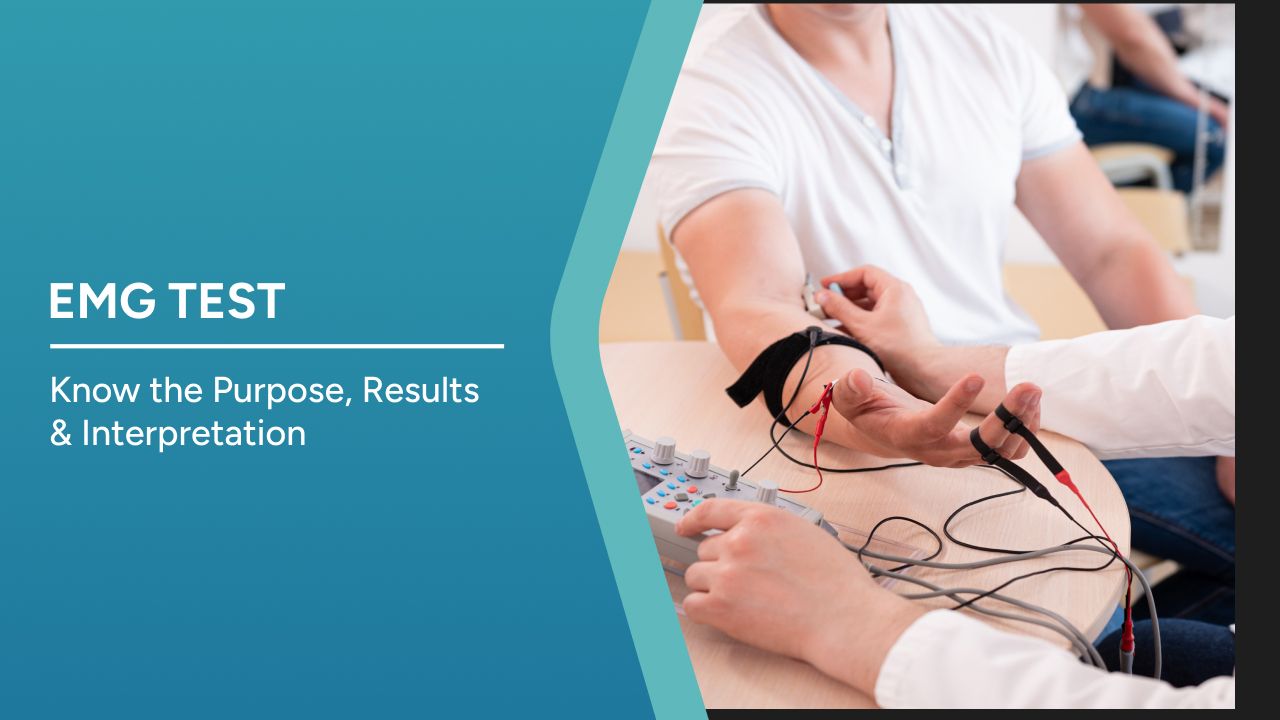
- Nerve conduction studies: These tests measure the speed and strength of electrical signals travelling through the nerves. In GBS, the nerve conduction speed is often slower than normal.
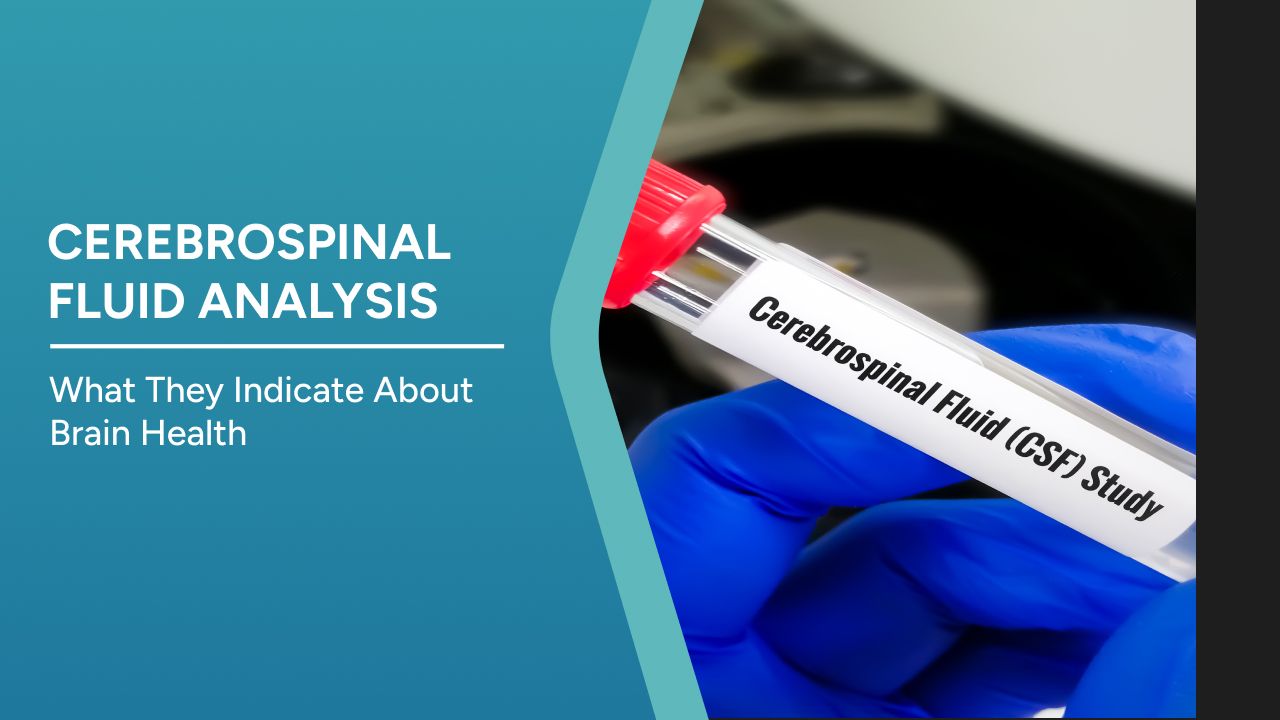
- Lumbar puncture (spinal tap): A sample of cerebrospinal fluid (CSF) is taken from the spinal canal to check for elevated protein levels. In GBS, the CSF typically shows a high level of protein with a normal white blood cell count, a condition known as "albuminocytologic dissociation."
- Blood tests: While blood tests cannot directly diagnose GBS, they can help rule out other conditions and infections that may be contributing to the symptoms.
In some cases, imaging tests such as MRI may be conducted.
Treatment for Guillain-Barré Syndrome
There is no specific cure for Guillain-Barré Syndrome, but early diagnosis and treatment are crucial for improving outcomes. Most treatments aim to reduce the severity of symptoms, prevent complications, and promote recovery.
The primary treatments for GBS include:
- Plasma exchange (plasmapheresis): This procedure involves removing the plasma from the patient's blood and replacing it with donor plasma or a plasma substitute. The goal is to remove harmful antibodies that are attacking the nervous system.
- Intravenous immunoglobulin (IVIG) therapy: IVIG is a treatment that involves infusing a solution of antibodies from healthy donors into the patient's bloodstream. It is thought to work by suppressing the immune system's attack on the nerves.
- Pain management: Pain relief is often an important part of treatment, as some patients experience severe muscle pain or nerve-related discomfort. Medications such as pain relievers or anticonvulsants may be prescribed.
In severe cases, patients may require mechanical ventilation if their respiratory muscles are affected. Rehabilitation, including physical therapy, is often necessary to help patients regain their strength and mobility.
Prognosis and Recovery
The prognosis for Guillain-Barré Syndrome varies widely depending on the severity of the condition and the timeliness of treatment. In general, most individuals begin to show signs of improvement within a few weeks to months of receiving treatment, although some may take longer to recover fully. There is also a possibility of permanent and irreversible nerve damage or death.
Around 60-80% of GBS patients experience a complete or near-complete recovery, while others may continue to experience residual symptoms such as muscle weakness or numbness. A small percentage of individuals may suffer from long-term complications, including chronic fatigue or difficulty walking.
The recovery process is often slow, and physical therapy is crucial for regaining strength and mobility. In some cases, psychological support may also be needed, as patients may struggle with the emotional toll of a prolonged recovery process.
Conclusion
Guillain-Barré Syndrome is a rare but serious condition that can cause rapid muscle weakness and even paralysis. It is often triggered by infections or other factors that prompt the immune system to attack the peripheral nervous system. With diagnosis and appropriate treatment, the outlook for many individuals with GBS is positive, though recovery can take time. It’s important for patients to work closely with healthcare providers, undergo regular therapy, and seek support throughout their recovery journey to achieve the best possible outcome.
Frequently Asked Questions
1. How is Guillain-Barré Syndrome Diagnosed?
Diagnosis typically involves a clinical evaluation, nerve conduction studies, a lumbar puncture (spinal tap), and sometimes blood tests to rule out other conditions.
2. How is Guillain-Barré Syndrome Treated?
Treatment for GBS includes therapies like plasma exchange (plasmapheresis) and intravenous immunoglobulin (IVIG), both of which help reduce immune system damage. Pain management and physical therapy are also part of the treatment plan.
3. Can Guillain-Barré Syndrome be Fatal?
While GBS can be life-threatening, especially if it affects the respiratory muscles, most people recover with treatment. Early diagnosis and prompt care significantly improve outcomes.
4. What is The Recovery Process like for GBS?
Recovery can take several months to years, depending on the severity of the condition. Most individuals experience significant improvement, though some may continue to have mild weakness or other symptoms long-term.
5. How Common is Guillain-Barré Syndrome?
GBS is rare, affecting about 1 in 100,000 people annually. It can occur at any age, but it is most common in adults and slightly more frequent in males.
6. Can Guillain-Barré Syndrome be Prevented?
There is no known way to prevent GBS, but avoiding infections, especially bacterial infections like Campylobacter, can reduce the risk. Vaccinations, while very rare, have been associated with a small risk of GBS.