
Meningitis in Newborns: What Parents Need to Know About Symptoms and Treatment
By Dr. Tushar Maniar in Centre for Child Health
Aug 04 , 2026 | 6 min read

Meningitis is a serious illness that no parent wants to imagine their baby facing. The condition becomes especially dangerous in newborns, whose immune systems are not yet fully developed to fight infections. This is why recognising the early warning signs and seeking prompt medical care is so important.
While you do not need to know every medical term, understanding how meningitis presents in infants, what causes it, and the available treatments can make a vital difference in protecting your child’s health.
What is Meningitis?
Meningitis is the inflammation of the membranes on either side of the brain or spinal cord. The brain is protected from infections in large part by these protective layers, known as meninges. When bacteria or viruses infiltrate these layers, they can swell and press against the brain.
Meningitis comes in two primary forms: bacterial and viral. Bacterial meningitis is far more serious and requires immediate medical attention, especially in newborns, whereas viral meningitis is typically less aggressive.
How Meningitis Affects Newborns
Newborns are particularly vulnerable because their natural defences haven't fully developed. Meningitis can cause swelling around the brain and spinal cord, which can interfere with breathing, feeding, and controlling body temperature. The likelihood of long-term issues like learning delays or hearing loss decreases with early treatment.
Causes of Meningitis in Newborns
Bacterial Meningitis
More often than not, bacterial meningitis in newborns is caused by bacteria passed on during birth. The usual reasons are Group B Streptococcus, E. coli, and Listeria. These can be present in the mother's birth canal and may not cause any symptoms in her, but they can be life-threatening for the baby. That's why many hospitals test pregnant women for Group B Strep in the final weeks of pregnancy.
Viral Meningitis
This type usually enters the baby's body through common viruses, such as enterovirus, herpes simplex virus (HSV), or mumps. Although it's often less severe, it still requires medical attention. In newborns, even a mild infection can quickly turn severe if left unchecked for an extended period.
Fungal and Other Causes
Fungal meningitis is rare in newborns, but it can happen, especially in babies with weakened immunity or those who've had specific medical procedures. Sometimes, complications during birth or infections from medical devices can also trigger it.
Read More about Types of High-Risk Pregnancies and their Management
Symptoms of Meningitis in Newborns
Common Symptoms in Newborns
What makes meningitis particularly difficult to diagnose is that its early signs don't always appear alarming. A baby may have a fever, seem unusually sleepy, or refuse to feed, and some may vomit or cry more than usual. Since these signs can be easily missed or confused with other newborn issues, it is essential to stay alert at all times.
Signs of Severe Meningitis
As the infection progresses, symptoms become more noticeable and more serious. You might see seizures or sudden, jerky body movements. One of the more visible signs is a bulging soft spot on the baby's head. These symptoms need emergency medical care without delay.
Subtle Symptoms of Meningitis in Newborns
Sometimes, the signs are faint but still worrying. A baby might have trouble waking up, show poor muscle tone, or cry unusually. These subtle cues can be easy to overlook, but they often point to something serious. If anything feels "off," it's better to ask a doctor than wait and watch.
Know More about Pediatric Diseases: What is It & Treatment Process?
How Meningitis is Diagnosed in Newborns
Medical Examination and History
Doctors begin by reviewing the baby's medical history, including prenatal care, delivery conditions, and any recent illnesses. They'll also do a physical check, paying attention to body temperature, muscle response, and alertness. These early steps help guide what tests come next.
Diagnostic Tests
The most important test for meningitis is a lumbar puncture, often called a spinal tap. This allows doctors to examine the fluid surrounding the baby's brain and spinal cord. Blood tests are usually done alongside to detect any signs of infection. Sometimes, a CT scan or MRI may be used to rule out other problems or complications.
Treatment of Meningitis in Newborns
Hospitalisation and Immediate Care
If a newborn is diagnosed with meningitis, they'll be admitted to the hospital straight away. Care teams will initiate IV fluids, manage temperature, and closely monitor vital signs. Time matters here. The faster the baby is stabilised, the better their chances of recovery.
Antibiotics and Antiviral Medications
For bacterial meningitis, treatment usually begins with strong antibiotics, even before test results confirm the type of infection. If doctors suspect a virus, such as HSV, antiviral medications may also be started. Viral meningitis often doesn't require medication beyond supportive care, but close monitoring remains very important.
Treatment for Complications
Some babies may develop complications like brain swelling or seizures. In such cases, additional medications are given to control these issues. Long-term follow-up may also be required if the infection affects development.
Explore Protect Your Child from RSV During the Cold Season
Preventing Meningitis in Newborns
Vaccination
While newborns don't receive all vaccines immediately, certain immunisations in early childhood can help reduce the risk of meningitis. For pregnant women, staying up to date on vaccines, such as the flu shot and Tdap, also helps protect the baby during the early weeks of life.
Prenatal and Postnatal Care
Routine prenatal tests help catch infections like Group B Strep before delivery. If needed, antibiotics during labour lower the risk of transmission. After birth, practices such as handwashing and clean feeding techniques can make a significant difference in preventing infections.
Minimising Exposure to Infections
In the first few months, it's smart to avoid crowded spaces and limit contact with people who have a cold or fever. Anyone who handles the baby should wash their hands well. These simple steps help keep harmful viruses and bacteria at bay.
Read More about the Infant Vaccine Schedule: Age-Wise Immunisation Guide
Long-Term Effects of Meningitis in Newborns
Potential Complications
Even after successful treatment, some newborns may face ongoing challenges. These could include hearing issues, speech delays, or slower development in movement and coordination. Regular checkups help catch these conditions early and initiate the right therapies.
Follow-Up Care
Recovery doesn't end when the baby leaves the hospital. Ongoing checkups with paediatricians, neurologists, or therapists are often part of the care plan. Early support makes a big difference in how well the child develops over time.
When to Seek Medical Attention for a Newborn
Warning Signs to Watch For
Don't second-guess your instincts. If your baby is unusually sleepy, refuses feeds, runs a fever, or has a seizure, it's time to call the doctor or visit the ER. Quick action is your best ally when something feels wrong.
Importance of Timely Diagnosis and Treatment
Meningitis can escalate quickly. The sooner it's caught and treated, the better the outcome. Trust yourself, and if something doesn't feel right, don't wait. A few hours can make a huge difference in your baby's future health.
Conclusion
No parent ever wants to think about meningitis, but understanding it can save lives. When symptoms show up, time is everything. From screening during pregnancy to vaccinations and fast medical care, there's a lot you can do to protect your newborn.
At Nanavati Max Super Speciality Hospital, we work with a dedicated team that's trained to act fast and care deeply. From diagnosis to long-term support, we're here for every step of your baby's recovery. If you're worried, reach out. Let us help you give your child the best possible start.
Frequently Asked Questions
1. Can meningitis be passed from mother to baby during pregnancy or delivery?
Yes, bacterial meningitis in newborns is often caused by bacteria such as Group B Streptococcus, which can be transmitted from mother to baby during childbirth. Prenatal screening and antibiotics during labour can help prevent this transmission.
2. Is meningitis in newborns contagious to other family members?
Some forms of meningitis, particularly bacterial and viral types, can be transmitted through close contact, such as coughing, sneezing, or sharing utensils. However, newborn-specific meningitis is usually linked to birth-related infections.
3. Can breastfeeding protect a baby from meningitis?
Breastfeeding helps strengthen a baby's immune system by passing on protective antibodies from the mother. While it may not completely prevent meningitis, it lowers the overall risk of infections in newborns.
4. How quickly can meningitis develop in a newborn?
Meningitis can progress very rapidly in newborns, sometimes within hours. That's why early recognition of symptoms, such as fever, poor feeding, or unusual sleepiness, is crucial.
5. Are there long-term effects of meningitis even if a newborn recovers?
Yes, some babies may face long-term challenges such as hearing loss, developmental delays, or learning difficulties. Regular follow-up care helps detect and manage these complications early.

Written and Verified by:

Related Blogs
Dr. Tushar Maniar In Centre for Child Health
Sep 01 , 2026 | 8 min read
Dr. Tushar Maniar In Centre for Child Health
Aug 05 , 2026 | 10 min read

Dr. Tushar Maniar In Centre for Child Health
Aug 05 , 2026 | 7 min read
Blogs by Doctor
When Does a Newborn Need a Neonatologist? Common Medical Conditions Explained
Dr. Tushar Maniar In Centre for Child Health
Sep 01 , 2026 | 8 min read
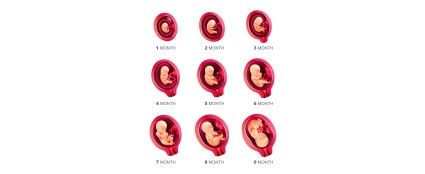
Fetal Development: Milestones from Conception to Birth
Dr. Tushar Maniar In Centre for Child Health
Aug 05 , 2026 | 10 min read
Most read Blogs



Related Blogs
Dr. Tushar Maniar In Centre for Child Health
Sep 01 , 2026 | 8 min read
Dr. Tushar Maniar In Centre for Child Health
Aug 05 , 2026 | 10 min read
Dr. Tushar Maniar In Centre for Child Health
Aug 05 , 2026 | 7 min read
Blogs by Doctor
When Does a Newborn Need a Neonatologist? Common Medical Conditions Explained
Dr. Tushar Maniar In Centre for Child Health
Sep 01 , 2026 | 8 min read
Fetal Development: Milestones from Conception to Birth
Dr. Tushar Maniar In Centre for Child Health
Aug 05 , 2026 | 10 min read
Most read Blogs