Jaundice Diet Chart: Foods to Eat and Avoid for Quick Recovery
By Medical Expert Team
Oct 06 , 2026 | 8 min read

Jaundice is not only about the yellowing of the skin. It is a sign that your liver is working harder to process too much of bilirubin. It can be due to several factors, such as viral infections, like hepatitis, bile duct blockages, or issues with blood cells. When jaundice hits, you may see symptoms, like yellowing of your skin and eyes, experience fatigue, and other severe complications, if not addressed timely. To manage and cure jaundice, diet plays a big role. This article will discuss in detail the role of diet in jaundice recovery.
Importance of Diet in Jaundice Recovery
Jaundice can pose several challenges and your food intake can greatly impact the healing process. Eating the right foods helps the liver function better, aiding in the removal of bilirubin, the substance that causes yellowing of skin and eyes. A healthy diet reduces the burden on the liver, boosting its ability to cleanse and function efficiently.
Here’s why a proper jaundice diet chart is so important-
- Nutrient-Rich Foods - Vitamin and mineral-rich foods can nourish the liver and help in its healing. Nutrients can also repair damaged cells in the liver, hence, healing faster.
- Hydration - Drinking water helps flush the bilirubin and other toxins from your body so they can support the proper functioning of your liver.
- Balanced Meals - Eating balanced meals that include plenty of fruits, vegetables, lean proteins, and whole grains gives your liver the best chance to heal.
Jaundice Diet Chart: Foods to Include
Let’s talk about what’s good to eat when you’re dealing with jaundice. Your liver needs all the help it can get, so here’s how you can support it through diet-
Hydrating Fluids
Drink fluids like coconut water, freshly squeezed fruit juices, and, of course, water. These help maintain the balance of fluids in your body and assist in flushing toxins.
Fibre-Rich Foods
Eat vegetables, like carrots and beets, whole grains, and leafy greens, like spinach. These foods are not only nutritious, but also help increase your digestion and prevent constipation which can complicate jaundice.
Protein-Rich Foods
Proteins play a key role in healing—include plant-based options, like lentils and paneer which help repair liver tissue.
Low-Fat Dairy Products
Go for yoghurt and low fat milk. These are easy on your liver and provide a good source of calcium and protein.
Fruits with Antioxidants
Fruits, such as papaya, oranges, and watermelon are rich in vitamins and help strengthen your immune system while fighting toxins.
Jaundice Diet Chart: Foods to Avoid
Some foods can make things harder for your liver and slow down your recovery. Here’s what you might want to skip-
High Fat Foods
Avoid fried snacks, all meats, and anything very greasy. These are tough on your liver and can prolong your recovery.
Sugary and Refined Foods
Cut down on sweets and refined carbs like white bread and pastries. These can increase your blood sugar and aren't helpful for your liver.
Alcohol and Caffeine
These can stress out your liver big time, so it's best to avoid them until you're fully recovered.
Spicy and Oily Foods
Spicy and oily foods can irritate your liver and stomach, making your symptoms worse.
Jaundice Diet Chart: Essential Foods to Include and Avoid
|
Category |
Foods to Include |
Foods to Avoid |
|
Hydrating Fluids |
Coconut water, freshly squeezed juices, plain water |
Alcohol, caffeinated drinks |
|
Fibre-Rich Foods |
Leafy greens (e.g., spinach), carrots, beets, whole grains |
None |
|
Protein-Rich Foods |
Plant-based proteins (e.g., lentils, paneer) |
All types of meats, fried or greasy protein options |
|
Low-Fat Dairy Products |
Yogurt, low-fat milk |
Full-fat dairy products |
|
Fruits with Antioxidants |
Papaya, oranges, watermelon |
None |
|
High-Fat Foods |
None |
Fried snacks, greasy foods |
|
Sugary and Refined Foods |
None |
Sweets, refined carbs (e.g., white bread, pastries) |
|
Spicy and Oily Foods |
None |
Spicy dishes, oily snacks |
Sample Jaundice Diet Chart
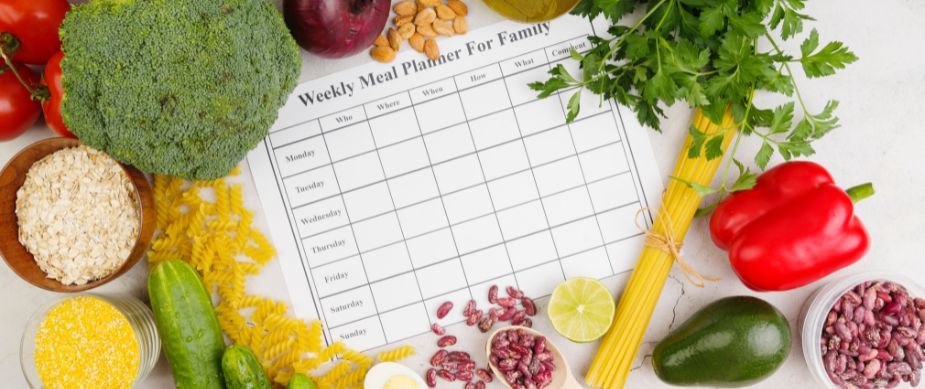
Planning your meals can make managing jaundice easier. Here’s a simple jaundice diet chart to follow-
Breakfast
Start your day with upma or poha—you can add some sliced fruits on the side. If you prefer something light, make a smoothie with yoghurt and berries.
Lunch
A comforting bowl of khichdi, or grilled chicken, with a side of steamed veggies works great. Vegetarians can opt for a paneer and veg stir-fry with whole grain rotis.
Dinner
Keep it simple with grilled fish or a tofu curry. Pair it with some rice or rotis and a helping of sautéed vegetables.
Snacks
Munch on some roasted almonds or have a bowl of mixed fruit when you need a snack.
Detailed Sample Jaundice Diet Plan for Optimal Recovery
|
Day |
Breakfast |
Mid-Morning |
Lunch |
Dinner / Snacks |
|---|---|---|---|---|
|
Day 1 |
Vegetable upma with grated carrot + 1 glass nimbu pani (no sugar) |
Half a bowl of papaya |
Phulka (2) + moong dal + lauki sabzi + small bowl curd |
Dinner: khichdi with vegetables + low-fat curd. Snack: soaked almonds (5) |
|
Day 2 |
Poha with peas and carrots + glass of coconut water |
A small bowl of watermelon |
Brown rice + grilled fish (or tofu curry) + steamed beetroot-carrot |
Dinner: jowar roti (2) + bottle-gourd dal + sautéed palak. Snack: a handful of roasted chana |
|
Day 3 |
Oats porridge with toned milk + sliced banana + amla juice (small glass) |
Half a bowl of pomegranate |
Daliya khichdi with vegetables + low-fat curd |
Dinner: phulka (2) + masoor dal + cucumber-tomato (washed, lightly cooked). Snack: a soft pear |
|
Day 4 |
Idli (2 small) + sambar (light, low-oil) + mint chutney |
Tender coconut water |
Phulka + skinless grilled chicken (or paneer bhurji with low-fat paneer) + lauki sabzi |
Dinner: vegetable khichdi + low-fat buttermilk with roasted jeera. Snack: half an apple |
|
Day 5 |
Vegetable poha + glass of nimbu pani |
A small bowl of papaya |
Steamed rice + moong dal + boiled egg + steamed pumpkin |
Dinner: bajra/jowar roti (2) + toor dal + parwal sabzi. Snack: 4–5 walnuts |
|
Day 6 |
Dosa (1 plain) + green chutney + a small piece of jaggery |
A glass of fresh orange juice |
Phulka + tofu/paneer stir-fry + sautéed cabbage with carrots |
Dinner: vegetable broth + grilled fish OR moong dal cheela. Snack: a small bowl of jamun (in season) |
|
Day 7 |
Daliya upma with vegetables + a small glass of toned milk |
A small bowl of pear chunks |
Brown rice + chicken stew (light, no cream) or vegetable stew with tofu |
Dinner: khichdi or phulka with a light dal and a vegetable. Snack: roasted makhana with rock salt |
Hydration Tips for Jaundice Recovery
Adequate intake of fluids facilitates the detoxification of the liver and speeds up the healing process in general.
Here are a few ways to stay hydrated-
- Water - Try to drink at least 8 to 10 glasses of water throughout the day—keeping a water bottle handy can remind you to sip regularly.
- Herbal Teas - Opt for soothing herbal teas, like chamomile or peppermint. They are gentle on your stomach and can help calm any nausea or discomfort you might feel.
- Coconut Water - It’s not only hydrating, but also packed with essential electrolytes that can help maintain your body’s fluid balance.
- Fruit Juices - Freshly squeezed fruit juices, especially from fruits like oranges and lemons, are good too. Ensure they’re pure and without added sugars.
The key is to drink slowly and steadily throughout the day, not all at once. This helps your liver process and eliminates bilirubin more effectively, helping your recovery.
When to See a Doctor
Seek medical care urgently if jaundice is accompanied by any of
- Severe abdominal pain, especially in the upper right or upper abdomen
- High fever with chills or rigours
- Confusion, unusual drowsiness, or any change in behaviour (a sign of hepatic encephalopathy)
- Vomiting blood, or coffee-ground-coloured vomit
- Passing dark or black tarry stools
- Sudden swelling of the legs or abdomen
- Unable to keep any food or fluid down for more than 24 hours
- Jaundice during pregnancy
- Jaundice in a newborn that is worsening, or accompanied by poor feeding, lethargy, or pale stools
- Yellowing that is deepening rather than fading after 1–2 weeks of treatment
Conclusion
Strictly following a jaundice diet chart is important for anyone recovering from it. At Nanavati Max Super Speciality Hospital, we are committed to assisting your recovery with expert guidance. We have a dedicated team of experienced doctors. Reach out for personalised advice, and let us support you in regaining your health effectively.
Disclaimer: This content provides general nutritional guidance and is not personalized medical or dietetic advice. Consult a registered dietitian for tailored plans.
Frequently Asked Question
1, What are The Best Foods for Jaundice Recovery?
For a speedy and effective recovery from jaundice, focus on foods that support liver health. Fresh fruits, like watermelon and papaya, green leafy vegetables, whole grains, and lean proteins, such as chicken, fish, or lentils provide essential nutrients to aid detoxification and help reduce bilirubin levels.
2. Can I Eat Eggs During Jaundice?
Yes, you can have eggs along as they contain proteins your body badly needs to revive the damaged liver cells. Although you can have eggs when you have jaundice, make sure you cook them. Boiling is always a better option to avoid extra fats.
3. Is It Safe to Drink Coffee If I Have Jaundice?
Avoid coffee while recovering from jaundice. Drink high quantities of water and coconut water, or herbal teas, since they can easily be passed through the body.
4. How Long Should I Follow a Jaundice Diet?
The duration of a jaundice diet may vary with the severity of your symptoms and underlying conditions. It is best to continue with the diet until Jaundice doctor advises that your liver function has returned to normal and your bilirubin levels have stabilised.
5. What Foods Should Be Strictly Avoided During Jaundice?
The food items to be avoided include—alcohol, caffeine, rich fats as well as heavily processed foods and sugary foods due to their interference with liver restoration in recovery.
6. Why is a Specific Diet Important for Jaundice?
A proper diet is essential for managing jaundice as it aids liver function and recovery, with guidance from internal medicine ensuring optimal liver health and overall well-being.
7. How long should I follow a jaundice diet?
Strictly follow the acute-phase diet for the first 2 to 4 weeks, then gradually reintroduce a wider range of foods through weeks 4 to 12. Continue avoiding alcohol completely until your hepatologist confirms your liver function tests have returned to normal.
8. Can I exercise during jaundice?
Rest is more important than exercise during the acute phase. Gentle walking and basic daily activity are fine. Avoid heavy exercise, gym workouts, and strenuous sports until your doctor confirms your liver function is normalising.
References
1. RPS Hospitals. (2025, May 26). Diet for jaundice what to eat and what to avoid.
https://www.rpshospitals.com/diet-for-jaundice-what-to-eat-and-what-to-avoid/
2. Redcliffe Labs. (2025, July 18). Jaundice diet chart: What should you add or remove?.https://redcliffelabs.com/myhealth/liver/jaundice-diet-chart-what-should-you-add-or-remove/
3. South Asian Liver Institute. (2022, December 17). Diet in jaundice.https://southasianliverinstitute.com/article/diet-in-jaundice/
4. Medicover Hospitals. (2025, September 17). Diet for jaundice: Foods to eat and avoid for faster recovery.https://www.medicoverhospitals.in/articles/diet-for-jaundice

Related Blogs

Medical Expert Team
Oct 06 , 2026 | 9 min read


Dr. Hemalata Arora In Internal Medicine
Oct 06 , 2026 | 8 min read
Most read Blogs


Related Blogs
Medical Expert Team
Oct 06 , 2026 | 9 min read
Dr. Hemalata Arora In Internal Medicine
Oct 06 , 2026 | 8 min read
Most read Blogs