Second Trimester: What Happens, What to Expect
By Medical Expert Team
Aug 05 , 2026 | 6 min read

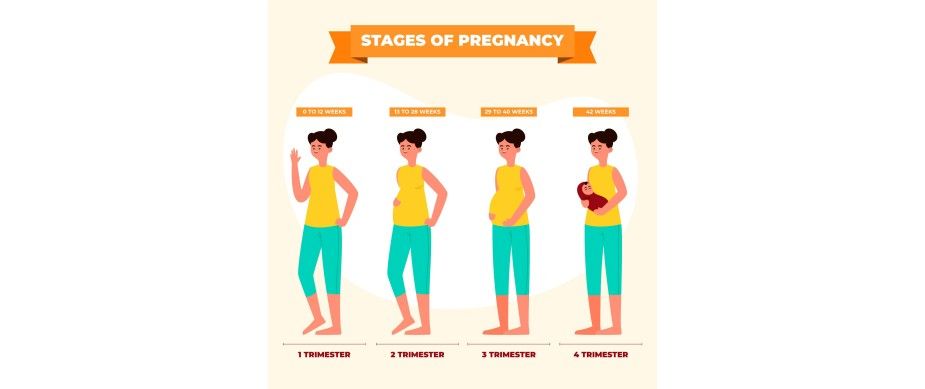
After the challenges of the first trimester, many women start to feel more like themselves in the second trimester. The second trimester begins at week 13 and lasts until the end of week 27. During this time, both you and your baby will go through changes. The baby’s growth accelerates, and your body is adjusting to these changes.
Physical Changes During the Second Trimester
Common Symptoms and Body Transformations
As the baby grows during the second trimester of pregnancy, your belly will begin to expand, and it’ll become more noticeable, but other transformations also accompany it. For instance, your breasts may continue to enlarge as they prepare for breastfeeding.
You may also notice some skin changes, such as stretch marks, which are quite common during pregnancy as your skin stretches to accommodate the growing baby. Additionally, some women experience pigmentation changes, such as darkening around the nipples or a line running down the belly called the linea nigra.
Reduced Morning Sickness and Improved Energy
Many women start to feel relief from the dreaded morning sickness during the second trimester of pregnancy. For most, the nausea and vomiting associated with the first trimester begin to subside.
Noticeable Fetal Movements
Around weeks 16 to 20, many women begin to feel their baby move for the first time. These movements may feel like flutters or gentle taps at first, but as the weeks go on, they’ll become more noticeable. It’s an exciting moment for many mothers, as it’s the first real indication that the baby is growing and developing.
Read More about the Symptoms of Pregnancy Week by Week
Emotional and Mental Changes in the Second Trimester
Pregnancy doesn’t just bring physical changes; it also affects your emotional and mental well-being. Hormonal fluctuations can continue through the second trimester of pregnancy, leading to mood swings. However, for many women, the intensity of these mood swings tends to level off during this phase.
You may feel more emotionally stable and better able to cope with the changes in your body and life. But some days might still be better than others, and that's okay.
As you continue through the second trimester of pregnancy, the excitement of expecting a baby really starts to settle in. Some women feel a mix of anxiety and excitement. It’s completely normal to experience moments of uncertainty or start thinking more about labour and delivery.
Baby’s Development in the Second Trimester of Pregnancy
Your baby experiences major growth and development in the second trimester. Many of these changes can be monitored with ultrasound scans and other routine tests.
By the end of this trimester, your baby will have fully developed its circulatory system, digestive system, and even its nervous system. The baby’s limbs will grow longer, and the skeleton will begin to harden from cartilage to bone. You’ll also notice that the baby is moving more often, practising sucking, and even opening and closing its mouth.
Your baby will also be able to sense light and sound. Although the baby’s eyes are still closed, it can detect light changes, such as sunlight or shadows. The baby will also practice breathing movements, though its lungs are still developing. At around 18-20 weeks, your doctor will typically perform an ultrasound to find out the gender of your baby.
Prenatal Tests and Checkups During Second Trimester Pregnancy
Anatomy Scan and Ultrasound Tests
One of the most important tests during the second trimester is the anatomy scan, which typically occurs between 18 and 22 weeks. This ultrasound offers a comprehensive view of the baby’s organs, bones, and overall development. It’s an opportunity to identify any developmental abnormalities or issues that may require further attention.
Blood Tests and Glucose Screening
During this stage, blood tests are carried out to detect anaemia, infections, and gestational diabetes. Glucose screening, typically done between 24 and 28 weeks, is especially important as untreated gestational diabetes can impact both the mother and the baby.
Monitoring Baby’s Heartbeat
Your doctor will monitor the baby’s heartbeat during each prenatal visit. The baby’s heartbeat should be strong by the second trimester, and listening to it can be a comforting moment for expectant parents. It’s also a sign that the baby is developing well.
Learn More about Types of High-Risk Pregnancies and their Management
Health and Wellness Tips for the Second Trimester
The second trimester of pregnancy requires focus on your health and well-being.
Nutrition Guidelines and Foods to Avoid
Maintaining a healthy diet during pregnancy is crucial for both the mother and the baby. Prioritise a balanced intake of fruits, vegetables, whole grains, and lean sources of protein. Avoid raw or undercooked meat, unpasteurized dairy, and excessive caffeine. Iron, calcium, and folic acid are important nutrients to support both maternal and fetal health, so be sure to get plenty of them in your diet.
Safe Exercises and Staying Active
Maintaining an active lifestyle during the second trimester is crucial for overall health. Simple exercises like walking, swimming, and prenatal yoga can help improve circulation, reduce stress, and keep your body strong.
Managing Weight Gain
Gaining weight during pregnancy is natural, but it’s important to do so gradually. The second trimester is when most women experience steady weight gain, but it’s essential to avoid excessive weight gain. Focus on healthy eating and staying active to maintain weight gain within the recommended range.
Sleep Positions and Rest Tips
As your belly grows, sleeping may become more difficult. It’s best to sleep on your left side to improve blood flow to the baby. You may also want to use pillows to support your body and make yourself more comfortable.
Read More about the Healthy Indian Pregnancy Diet Plan (Chart) for Women
Common Concerns and When to Call the Doctor
Warning Signs Not to Ignore
Although you may feel better overall, certain symptoms still require immediate medical attention. If you experience any of the following, contact your doctor right away:
- Severe abdominal pain or cramping
- Heavy bleeding or spotting
- Severe headaches, vision changes, or dizziness
- Sudden swelling of your hands, face, or feet
- A noticeable decrease in your baby’s movement after 24 weeks
Dealing with Cramping, Bleeding, or Unusual Discomfort
Mild cramping or slight spotting can be fairly common during pregnancy, but it’s always a good idea to keep an eye on any symptoms that seem out of the ordinary. If you’re experiencing cramping along with bleeding or discomfort that feels unusual, immediately contact your doctor. While some mild discomforts are part of the process, it’s always best to take necessary precautions.
Preparing for the Third Trimester
The third trimester brings new physical challenges, such as back pain, difficulty sleeping, and frequent visits to the bathroom. But it’s also an exciting time when your baby’s growth accelerates, and you can start preparing for labour and delivery.
As you approach the final stretch, it’s a great idea to begin preparing for labour. Many parents find it useful to create a birth plan detailing their preferences for delivery. Discuss pain relief options, the people you wish to have present, and any specific requests with your doctor to ensure your birth experience aligns with your wishes.
Learn More about Fetal Heart Rate: Monitoring by Trimester & Gender Myths
Conclusion
The second trimester of pregnancy can be a little more comforting than the first trimester. From noticeable fetal movements to essential prenatal tests, every week of the second trimester brings you closer to holding your little one.
By staying informed, attending regular checkups, and following expert guidance from trusted healthcare providers like Nanavati Max Super Speciality Hospital, you can navigate this trimester with confidence and peace of mind. Always listen to your body, stay active, eat well, and never hesitate to reach out to your doctor with questions or concerns.
Frequently Asked Questions
1. What happens in the 2nd trimester of pregnancy?
During the second trimester, which spans weeks 13 to 27, the baby grows and develops rapidly. Many mothers find relief from first-trimester symptoms like morning sickness. Around this time, fetal movements usually become noticeable, and key prenatal tests, including the anatomy scan, are often performed.
2. What should be avoided in the second trimester?
Avoid raw or undercooked meat, unpasteurized dairy, high-mercury fish, excessive caffeine, smoking, and alcohol. Also, avoid any strenuous or high-impact physical activities unless approved by your doctor.
3. Does the 2nd trimester start at 13 or 14 weeks?
The second trimester officially begins at week 13 and lasts until the end of week 27.
4. Why do I feel full in my second trimester of pregnancy?
As the uterus grows and puts pressure on the stomach, digestion can slow, causing feelings of fullness, bloating, or heartburn. Consuming smaller, more frequent meals may help reduce these symptoms.