
Pregnancy Test: Types, Timing & How Accurate Are They?
By Dr. Rekha Ambegaokar in Gynaecology & Obstetrics
Aug 05 , 2026 | 7 min read

A pregnancy test is often the first thing someone reaches for when they feel something’s different. This little kit can provide clarity on any issue, whether it's a late period, unusual fatigue, or simply a gut feeling. You get an early look at what could be a moment that changes your life.
Pregnancy tests come in different types, and each one detects the hormone hCG slightly differently. Some can be done in a clinic, while others can be done at home. Although it may seem simple, timing and technique can significantly impact the accuracy of the results.
What is a Pregnancy Test?
A pregnancy test checks for a hormone called human chorionic gonadotropin (hCG). This hormone starts building up once a fertilised egg implants in the uterus. Its presence in your body is the first real biological sign of pregnancy.
Pregnancy can be detected in two ways: urine or blood tests. Home kits usually rely on urine, while hospitals use blood tests for more precise or early detection. Both methods work by detecting the presence of the hCG hormone, which typically appears within 10–12 days of conception.
Know More about Pregnancy Symptoms: Identifying The Early Signs
Types of Pregnancy Tests
Home Pregnancy Tests (Urine Tests)
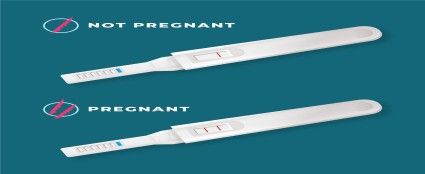
The Home Pregnancy Test is the most commonly used and easily available one. You’ll get them in any pharmacy, and they’re very easy to use. All you have to do is collect your urine, add it to the strip, and wait a few minutes. Most kits show lines, symbols, or colours depending on the result.
Blood Pregnancy Tests
Done in a clinic or hospital, these tests are more accurate and can detect pregnancy sooner. There are two types: one provides a simple yes or no, while the other measures the exact amount of hCG present. Doctors often use blood tests when results from a home kit are unclear or if early confirmation is needed.
Digital Pregnancy Tests
Unlike conventional line-based tests, these provide results in words on a screen, such as "Pregnant" or "Not Pregnant," making them easier to read. Some also estimate the potential gestational age.
Early Detection Pregnancy Tests
These are designed to pick up minimal amounts of hCG, sometimes even before your period is due. While they offer hope for early answers, they aren’t always accurate if the hormone levels are still low. That means a false negative is more likely if you test too soon.
Read More about the Double Marker Test – Procedure, Benefits and Results
Timing: When Should You Take a Pregnancy Test?
Best Time to Take a Pregnancy Test
To get a clear, accurate result, it’s best to wait until at least one day after your missed period. By then, your hCG levels should be high enough for a standard test to detect. If you have irregular periods, it might be safer to wait a full three weeks after unprotected sex before testing.
Early Testing: Can You Test Before a Missed Period?
Technically, yes, but results can be hit or miss. Some sensitive tests might detect hCG early, but if the hormone hasn’t built up enough, you might get a false negative. That can be frustrating and confusing. If you’re testing early, be prepared to test again later.
First Morning Urine: Why It's Important
The concentration of your urine is highest in the morning. If you are pregnant, it contains more hCG. Due to this, using morning samples is always recommended, especially if you're testing within the first few days after a missed period.
How Accurate Are Pregnancy Tests?
Accuracy of Home Pregnancy Tests
The majority of home pregnancy tests are up to 99% accurate when used correctly and at the appropriate time. However, if you use a low-sensitivity test, test too early, or disregard instructions, accuracy may suffer. Waiting too long or reading the results too quickly can also distort what you see.
Accuracy of Blood Pregnancy Tests
Blood tests can identify pregnancy even before a missed period because they are far more sensitive. Additionally, they offer a more accurate view of the pregnancy's development, which is particularly beneficial for women undergoing IVF or coping with early symptoms.
Read More about Negative Pregnancy Test: What It Means and What to Do
Factors That Can Affect Pregnancy Test Accuracy
If you test too soon, use diluted urine, or misread the instructions, your result might be wrong. A test that’s expired or stored improperly may also give incorrect results. So it's not just about the test; it's also about how you take it.
False Positives and False Negatives
The test may indicate that you are "not pregnant" when you are, or "pregnant" when you are not. That might occur if you have taken fertility drugs, recently experienced a miscarriage, or have certain medical conditions. While false positives are uncommon, they are still possible, and false negatives are more likely to occur when testing too soon. Consult your physician or take another test if you're not sure.
How to Improve the Accuracy of Your Pregnancy Test
Follow Instructions Carefully
Each test kit comes with instructions. Don't cut corners or make assumptions based on what worked for a previous brand. The outcome can be impacted by even minor adjustments, such as the amount of urine used or the length of time you wait.
Wait Until the Right Time
Try not to rush, as testing too early often leads to confusion. If you can wait until after your missed period, you’ll likely get a more reliable result. If you test early and it’s negative, wait a few more days and try again.
Take a Test with First Morning Urine
If you’re testing before your missed period, do it first thing in the morning. That’s when hCG levels are at their highest, especially in early pregnancy.
When Should You Consult a Doctor After a Positive Pregnancy Test?
Confirming the Pregnancy
A positive test at home is a strong indication, but it’s still essential to consult a doctor. They’ll likely confirm it with a blood test or an ultrasound. This also helps make sure the pregnancy is healthy and developing in the right place.
What to Do if You Get a Negative Result but Still Suspect Pregnancy
If your test says negative but your period still hasn’t come, and you feel different, don’t ignore that. Wait for a couple of days and test again. If your period still doesn’t show up, or you’re experiencing nausea, bloating, or breast tenderness, book a check-up. A doctor can help rule out pregnancy or spot any other issues.
Know More about Types of High-Risk Pregnancies and their Management
Conclusion
Understanding how pregnancy tests operate and when to take them can impact your experience of a pregnancy, regardless of the outcome. Every technique has a role, from straightforward home kits to delicate blood tests. However, follow-up, timing, and technique are also important. Have faith in your body's cues, but ensure trustworthy tests support them.
At Nanavati Max Super Speciality Hospital, we support you through every step, from testing and confirmation to pregnancy care and delivery. If you’ve taken a pregnancy test and want clarity, support, or the next steps, we encourage you to reach out. We’re here to guide you through it, offering both medical and personal care.
Know More about Women Health Check-Ups: Importance & Checkup List
Frequently Asked Questions
1. Can certain medications affect the results of a pregnancy test?
Yes, fertility drugs containing hCG may cause a false positive on a pregnancy test. Other common medicines like antibiotics or birth control pills usually don’t interfere with test results.
2. How long should I wait to retake a pregnancy test after a negative result?
If you get a negative result but suspect pregnancy, wait 2–3 days and test again. This allows hCG levels to rise enough to be detected by a home pregnancy test.
3. Can drinking too much water before a pregnancy test affect accuracy?
Yes, consuming large amounts of fluids can dilute your urine and lower the hCG concentration, leading to a possible false negative. For the best accuracy, test with first-morning urine.
4. Are expired pregnancy tests reliable?
No, expired pregnancy tests may not work correctly as the chemicals that detect hCG lose effectiveness over time, leading to inaccurate results.
5. Can stress or irregular periods affect pregnancy test results?
Stress and irregular cycles don’t change the test result itself, but they may delay ovulation, which can affect when hCG becomes detectable. This may cause you to test too early and get a false negative.
6. How soon after IVF can a pregnancy test be taken?
For IVF patients, blood tests are usually recommended about 10–14 days after embryo transfer. Home pregnancy tests taken earlier may give misleading results.
7. Can a pregnancy test detect an ectopic pregnancy?
A pregnancy test can confirm pregnancy by detecting hCG, but it cannot specify if it’s ectopic. Only a doctor can diagnose an ectopic pregnancy with blood tests and ultrasounds.
8. Why might I get a faint line on a pregnancy test?
A faint line usually means hCG is present but at a low level. It could indicate a very early pregnancy, testing too soon, or, in rare cases, a chemical pregnancy. Retesting after a few days can provide clarity.
9. Can menopause or hormonal changes cause a false positive pregnancy test?
Yes, women in perimenopause or menopause may occasionally get false positives because of naturally elevated hCG or other hormonal imbalances.
10. Which type of pregnancy test is best for early detection?
Early-detection home kits and blood tests are best for early results. However, blood tests are more sensitive and reliable than urine-based early-detection kits.

Written and Verified by:

Related Blogs

Dr. Gayatri Deshpande In Gynaecology & Obstetrics
Oct 06 , 2026 | 9 min read
Dr. Gayatri Deshpande In Gynaecology & Obstetrics
Oct 06 , 2026 | 7 min read
Dr. Suruchi Desai In Gynaecology & Obstetrics
Oct 06 , 2026 | 6 min read
Blogs by Doctor
Non-Stress Test (NST): What It Is And When It's Needed
Dr. Rekha Ambegaokar In Gynaecology & Obstetrics
Oct 01 , 2026 | 7 min read
FSH Test: What It Is and Why It Matters for Fertility
Dr. Rekha Ambegaokar In Gynaecology & Obstetrics
Aug 21 , 2026 | 8 min read

NIPT Test: How It Works, Accuracy & What It Detects in Pregnancy
Dr. Rekha Ambegaokar In Gynaecology & Obstetrics
Aug 05 , 2026 | 5 min read
Most read Blogs



Related Blogs
Dr. Gayatri Deshpande In Gynaecology & Obstetrics
Oct 06 , 2026 | 9 min read
Dr. Gayatri Deshpande In Gynaecology & Obstetrics
Oct 06 , 2026 | 7 min read
Dr. Suruchi Desai In Gynaecology & Obstetrics
Oct 06 , 2026 | 6 min read
Blogs by Doctor
Non-Stress Test (NST): What It Is And When It's Needed
Dr. Rekha Ambegaokar In Gynaecology & Obstetrics
Oct 01 , 2026 | 7 min read
FSH Test: What It Is and Why It Matters for Fertility
Dr. Rekha Ambegaokar In Gynaecology & Obstetrics
Aug 21 , 2026 | 8 min read
NIPT Test: How It Works, Accuracy & What It Detects in Pregnancy
Dr. Rekha Ambegaokar In Gynaecology & Obstetrics
Aug 05 , 2026 | 5 min read
Most read Blogs