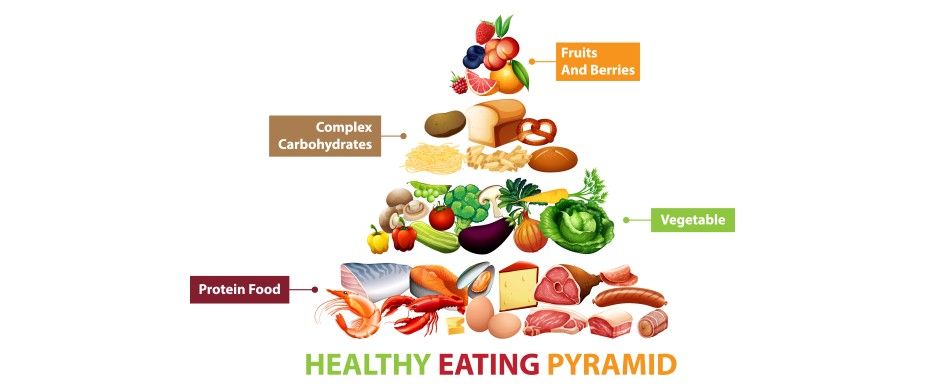
Antioxidant Foods: Top Sources and How to Add Them to Your Diet
By Dr. Hemalata Arora in Internal Medicine
Aug 11 , 2025 | 6 min read

Antioxidants are natural compounds that quietly do the job of protecting your body from damage caused by stress, pollution, and even processed food. Your body produces small molecules called free radicals every day. Some are natural, but when too many build up because of external factors like UV exposure, stress, junk food, or smoking, they can start damaging healthy cells.
This condition is called oxidative stress, and over time, it’s been linked to heart disease, diabetes, cancer, and signs of early ageing. That is why doctors always recommend eating antioxidant foods, as they help neutralise free radicals and support your body’s healing. They reduce inflammation, protect the heart, and keep your skin healthier.
This blog can be a handy guide if you’re starting on a healthier path and looking to add food items rich in antioxidants.
Top Sources of Antioxidant Foods
|
Food Item |
Primary Antioxidant |
Key Health Benefit |
|
Amla (Indian Gooseberry) |
Vitamin C / Polyphenols |
Immune support & Skin repair |
|
Blueberries |
Anthocyanins |
Cognitive health & Anti-aging |
|
Dark Chocolate (70%+) |
Flavonoids |
Cardiovascular health |
|
Turmeric |
Curcumin |
Systemic anti-inflammatory |
|
Spinach |
Lutein & Zeaxanthin |
Ocular health protection |
|
Walnuts |
Polyphenols & Omega-3 |
Reduced lipid oxidation |
|
Green Tea |
EGCG (Catechins) |
Metabolic & Liver support |
|
Red Bell Peppers |
Beta-carotene |
Collagen synthesis support |
|
Cinnamon |
Cinnamaldehyde |
Glycemic regulation |
|
Kidney Beans |
Kaempferol |
Cellular health support |
Fruits Rich in Antioxidants
Fruits are an easy and tasty way to get your daily dose of antioxidants.
Berries like blueberries, strawberries, raspberries, and blackberries are small, but they’re packed with nutrients that fight inflammation and support your immune system.
Citrus fruits such as oranges, lemons, and grapefruits are high in vitamin C, which is known to protect cells and support your skin and gums.
Apples and pomegranates are also local favourites that support your heart, improve digestion, and strengthen immunity.
Read More about 7-Day Balanced Diet Chart for Healthy Living
Vegetables Packed with Antioxidants
When it comes to vegetables, colour and freshness make a difference.
Dark leafy greens such as spinach, kale, and chaulai (amaranth) are great for reducing inflammation and supporting liver health. They're especially good for people with joint problems or heart conditions.
Cruciferous vegetables like Broccoli and Brussels sprouts have compounds that help flush out toxins and may reduce the risk of cancer.
Beta-carotene-rich vegetables like carrots, bell peppers, and sweet potatoes support vision and help the skin look fresh and bright.
Know More about Healthy Food Chart
Nuts, Seeds, and Legumes
For something filling and nutritious, almonds, walnuts, peanuts, and cashews are excellent. They contain healthy fats and antioxidants that support the heart and skin. Even a small handful makes a big difference.
Chia seeds, flaxseeds, and pumpkin seeds are tiny but powerful. They're easy to mix into a smoothie, sprinkle over curd, or knead into roti dough. These seeds give you omega-3s along with strong antioxidant benefits.
Beans, masoor dal, moong, and chickpeas are rich in both protein and antioxidants. These staples of Indian meals are excellent in dals, curries, and even khichdi, making them easy to include regularly.
Beverages with High Antioxidant Content
Green tea and black tea contain natural compounds that lower inflammation. Coffee, when taken in moderation, offers antioxidant benefits too, though it's best without too much sugar or cream. If you prefer something caffeine-free, try some soothing herbal teas like chamomile or rooibos.
Spices and Herbs as Antioxidant Sources
Your spice box can be a goldmine of antioxidants. Turmeric helps fight inflammation, ginger boosts digestion, and cinnamon supports blood sugar balance.
Herbs like oregano, thyme, and rosemary are easy to use in Indian or fusion cooking. They work well in soups, on roasted vegetables, or sprinkled over grilled meats and paneer.
How Antioxidant Foods Support Health?
Reducing Inflammation and Chronic Disease Risk
Inflammation is your body’s natural response to stress or injury, but when it goes on for too long, it can lead to bigger problems. Antioxidant foods help reduce this inflammation. This lowers the risk of conditions like high blood pressure, heart disease, and even some cancers.
They also support better cholesterol levels and help prevent plaque buildup in your arteries. Regular intake of antioxidant-rich foods helps your body run smoothly, recover better, and stay active as you age.
Supporting Skin Health and Ageing
Antioxidants protect skin from sun damage by neutralising harmful particles and supporting natural repair. Vitamins A, C, and E are especially good for increasing collagen, which helps your skin stay firm and hydrated.
Enhancing Immune Function
Your immune system needs help to keep fighting bacteria and viruses and antioxidants (especially from fresh fruits and vegetables) can make a difference here. Vitamins C and E strengthen the production of white blood cells, which help your body respond to infections quickly.
This makes everyday foods like dal, sabzi, lemon water, and even a simple fruit chaat an easy way to support your health, especially during seasonal changes or when you’re feeling low on energy.
How to Add Antioxidant Foods to Your Diet?
Add Antioxidants to Your Cooking
Add turmeric to your dals and khichdi, stir cinnamon into your chai or oats, and blend ginger into chutneys or rasam.
Try roasting vegetables like sweet potatoes and carrots or make smoothies with spinach, banana, apple, and lemon juice. These mixes are both tasty, nourishing, and can sometimes even be the answer to your cravings.
Even a quick sprout salad with pomegranate, lime, and cucumber can be a refreshing option packed with antioxidants.
Meal Planning with Antioxidant Foods
Make a weekly meal chart and prep what you can in advance. The ideal meal plan of the day should look like this:
- Breakfast with oats, banana, cinnamon, and almonds.
- Lunch with rajma-chawal, carrot-beet salad, and curd.
- Snack with an apple and peanut butter or roasted chana.
- Dinner with grilled paneer or rohu fish, greens, and whole wheat roti.
Our nutritionists at Nanavati Max Super Speciality Hospital are here to help you design balanced, antioxidant-packed meal plans tailored to your health needs. Be it managing a medical condition, recovering from illness, or just trying to eat better, we’ll guide you with practical, Indian-friendly advice.
Potential Risks of Excessive Antioxidant Consumption
While antioxidants are great for fighting cell damage, too much of a good thing is not good. Taking high doses of antioxidant supplements, especially Vitamins A and E, can build up in the body and lead to toxicity. This may harm organs or increase the risk of health issues instead of preventing them. That’s why it’s always safer to get your antioxidants from natural food sources like fruits, vegetables, nuts, and seeds. Whole foods offer a balanced mix of nutrients that your body absorbs better, reducing the risk of overdoing it without even realising it.
Read More about DASH Diet
Conclusion
Including antioxidant foods in your daily diet is one of the simplest and most natural ways to support your overall health. You don’t need anything fancy or costly - just bring more freshness and variety to your regular Indian meals. These foods not only help protect your body from disease but also promote better energy, stronger immunity, and healthier skin over time.
At Nanavati Max Super Speciality Hospital, we focus on building long-term health through simple, evidence-based steps. For personalised advice on how to include antioxidant foods in your routine, book a consultation with our nutrition and dietetics team today.
Disclaimer: The information provided is for educational purposes and is not a substitute for professional medical advice. Always consult an oncologist or a registered dietitian before making significant dietary changes, especially during cancer treatment.
Frequently Asked Questions
1. What are the best antioxidant foods for fighting ageing?
Berries, spinach, carrots, nuts, and green tea help slow ageing and keep skin healthy.
2. Can antioxidant foods help prevent cancer?
They may lower risk by reducing inflammation and protecting cells, but no food guarantees prevention.
3. How much antioxidant-rich food should I eat daily?
Try to include 4 to 5 servings of fruits and veggies, plus some whole grains, nuts, or legumes.
4. Are supplements necessary if I eat well?
Not usually. Whole foods are enough unless your doctor suggests supplements.
5. How can I tell if a food is high in antioxidants?
Foods rich in antioxidants often have deep, vibrant colours like the dark green of spinach, the red of tomatoes, or the purple of jamun. These pigments are natural indicators of antioxidant content.
References
1. Lobo, V., Patil, A., Phatak, A., & Chandra, N. (2010). Free radicals, antioxidants and functional foods: Impact on human health. Pharmacognosy Reviews, 4(8), 118–126. https://doi.org/10.4103/0973-7847.709022. Pisoschi, A. M., & Pop, A. (2015). The role of antioxidants in the chemistry of oxidative stress: A review. European Journal of Medicinal Chemistry, 97, 55–74. https://doi.org/10.1016/j.ejmech.2015.04.040
3. National Cancer Institute. (2017). Antioxidants and Cancer Prevention.
https://www.cancer.gov/about-cancer/causes-prevention/risk/diet/antioxidants-fact-sheet
4. Minich, D. M., & Brown, B. I. (2019). A Review of Dietary (Phyto)Nutrients for Glutathione Support. Nutrients, 11(9), 2073.
https://doi.org/10.3390/nu11092073
5. Bast, A., & Haenen, G. R. (2013). Ten misconceptions about antioxidants. Trends in Pharmacological Sciences, 34(8), 430–436.
https://doi.org/10.1016/j.tips.2013.05.010

Written and Verified by:

Related Blogs
Dr. Harshad Limaye In Internal Medicine
Sep 17 , 2026 | 8 min read
Dr. Hemalata Arora In Internal Medicine
Sep 14 , 2026 | 6 min read
Dr. Nitin Rathod In Internal Medicine
Aug 10 , 2026 | 6 min read
Blogs by Doctor

Monsoon Health Tips For Mumbaikars
Dr. Hemalata Arora In Internal Medicine
Apr 24 , 2023 | 2 min read

The Importance of Vaccination: Why You Should Get Vaccinated Today
Dr. Hemalata Arora In Internal Medicine
Apr 24 , 2023 | 4 min read

Transforming Adult Immunization: Access, Awareness and Investment
Dr. Hemalata Arora In Internal Medicine
Apr 24 , 2023 | 3 min read
Most read Blogs


Related Blogs
Dr. Harshad Limaye In Internal Medicine
Sep 17 , 2026 | 8 min read
Dr. Hemalata Arora In Internal Medicine
Sep 14 , 2026 | 6 min read
Dr. Nitin Rathod In Internal Medicine
Aug 10 , 2026 | 6 min read
Blogs by Doctor
Monsoon Health Tips For Mumbaikars
Dr. Hemalata Arora In Internal Medicine
Apr 24 , 2023 | 2 min read
The Importance of Vaccination: Why You Should Get Vaccinated Today
Dr. Hemalata Arora In Internal Medicine
Apr 24 , 2023 | 4 min read
Transforming Adult Immunization: Access, Awareness and Investment
Dr. Hemalata Arora In Internal Medicine
Apr 24 , 2023 | 3 min read
Most read Blogs