Best Thyroid Specialists in Mumbai, India
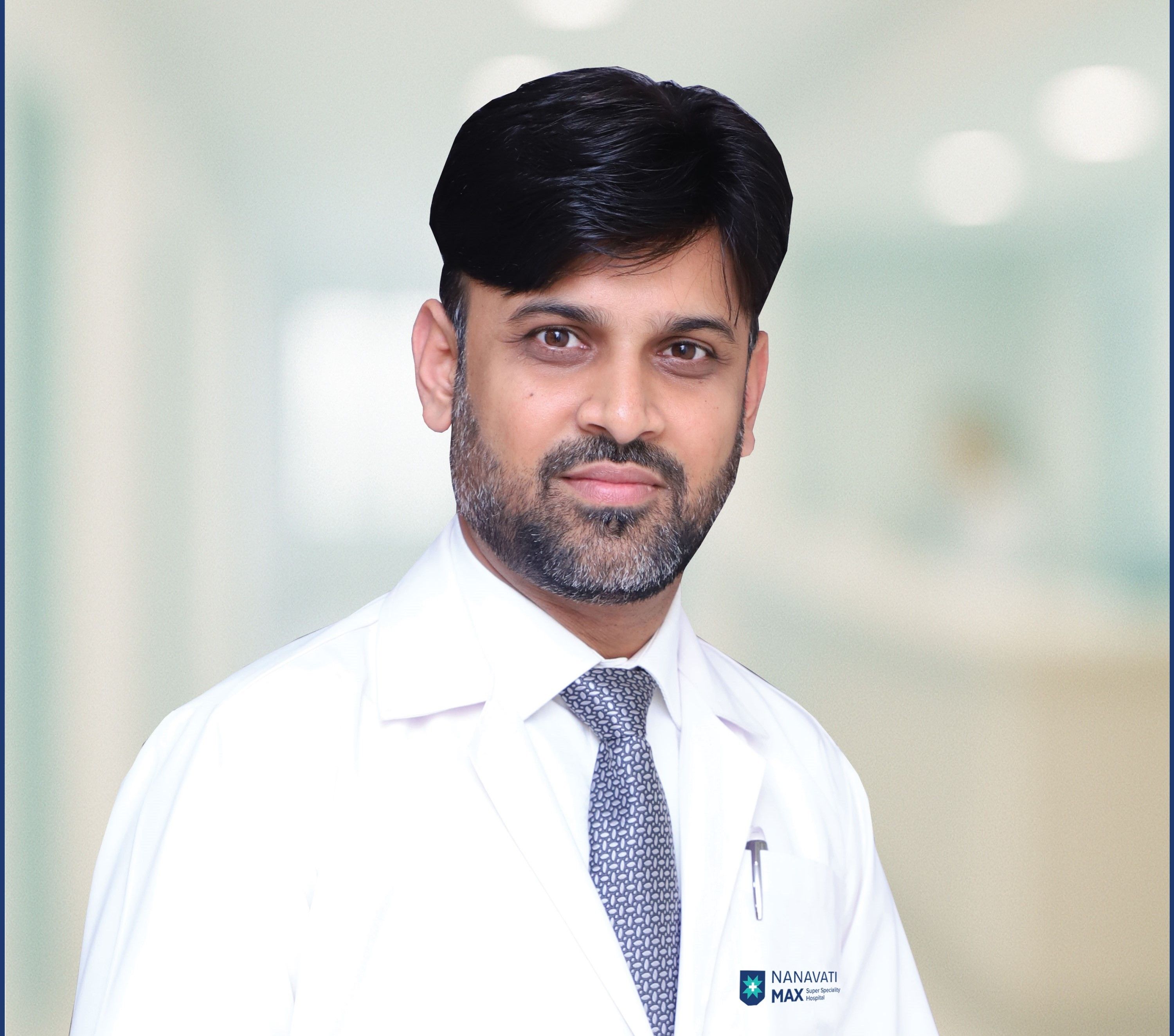
Dr. Girish Parmar
Director - Endocrinology
Endocrinology, Diabetes
Can't find what you are looking for?
Frequently Asked Questions
1. Who is a thyroid specialist?
A thyroid specialist is a medical professional, typically an Endocrinologist, who specialises in the endocrine system's glands and hormones. For surgical cases, such as the removal of a goitre or tumour, the specialist is an Endocrine Surgeon or a Head and Neck Surgeon. These experts are trained to manage the delicate balance of thyroid hormones (T3, T4, and TSH) that regulate your body's metabolism.
2. What does a thyroid specialist do?
A thyroid specialist manages the diagnosis, treatment, and long-term monitoring of thyroid disorders. Their role includes:
- Advanced Diagnostics: Interpreting blood panels and performing Ultrasound-guided Fine Needle Aspiration (FNA).
- Hormone Management: Titrating medications like Levothyroxine to treat hypothyroidism.
- Thyroid Mapping: Using imaging to monitor the growth of nodules or goitres.
- Metabolic Stabilisation: Addressing symptoms like heart palpitations, sudden weight changes, and temperature sensitivity.
3. What conditions are treated by a thyroid specialist?
Thyroid specialists treat a wide array of autoimmune and structural conditions:
- Hypothyroidism: Underactive thyroid, often caused by Hashimoto’s disease.
- Hyperthyroidism: Overactive thyroid, frequently linked to Graves’ disease.
- Thyroid Nodules: Benign or malignant lumps within the gland.
- Goitre: General enlargement of the thyroid gland.
- Thyroiditis: Inflammation of the thyroid, including postpartum thyroiditis.
- Thyroid Cancer: Comprehensive management from diagnosis to surgical recovery.
4. Why choose Nanavati Max Hospital for a thyroid specialist?
Nanavati Max Hospital is a premier destination for thyroid care due to its multidisciplinary approach:
- Elite Clinical Team: Home to some of India’s top-rated endocrinologists and oncologists.
- Scarless Surgery Options: Specialised in Robotic and Endoscopic Thyroidectomy, ensuring minimal scarring and faster recovery.
- Nuclear Medicine Wing: Advanced facilities for Radioactive Iodine Therapy (RAI) to treat hyperthyroidism and cancer.
- Internal Tumour Board: Complex cases are reviewed by a panel of experts to ensure the most effective treatment protocol.
5. Are thyroidologists and endocrinologists the same thing?
While the terms are related, there is a subtle professional distinction:
- Endocrinologist: A broad specialist who treats all hormonal disorders, including diabetes, adrenal issues, and pituitary glands.
- Thyroidologist: An endocrinologist who has chosen to focus their practice and research exclusively on thyroid health. They are often sought out for complex thyroid cancers or difficult-to-manage autoimmune cases.
6. What should I tell my thyroid specialist before surgery?
Clear communication is vital for a successful surgical outcome. You must disclose:
- Voice History: Mention if you have any history of hoarseness or vocal cord issues.
- Supplements: Specifically, Biotin (Vitamin B7) can significantly distort thyroid blood test results.
- Calcium Levels: Any history of "tingling" in your hands or feet, which relates to parathyroid function.
- Medications: Any blood thinners or herbal supplements that could increase bleeding risks.
7. When do I need to see a thyroid specialist?
You should schedule a consultation if you experience "Red Flag" symptoms:
- A Palpable Neck Lump: Any firm or growing mass in the lower front of your neck.
- Sudden Weight Fluctuations: Losing or gaining weight without changes in diet or exercise.
- Chronic Fatigue or Anxiety: Feeling extremely sluggish or having unexplained heart palpitations.
- Difficulty Swallowing: A sensation of pressure or a "lump in the throat" when eating.
- Abnormal TSH Labs: If your primary care doctor finds your TSH levels are outside the 0.4 to 4.0 mIU/L range.