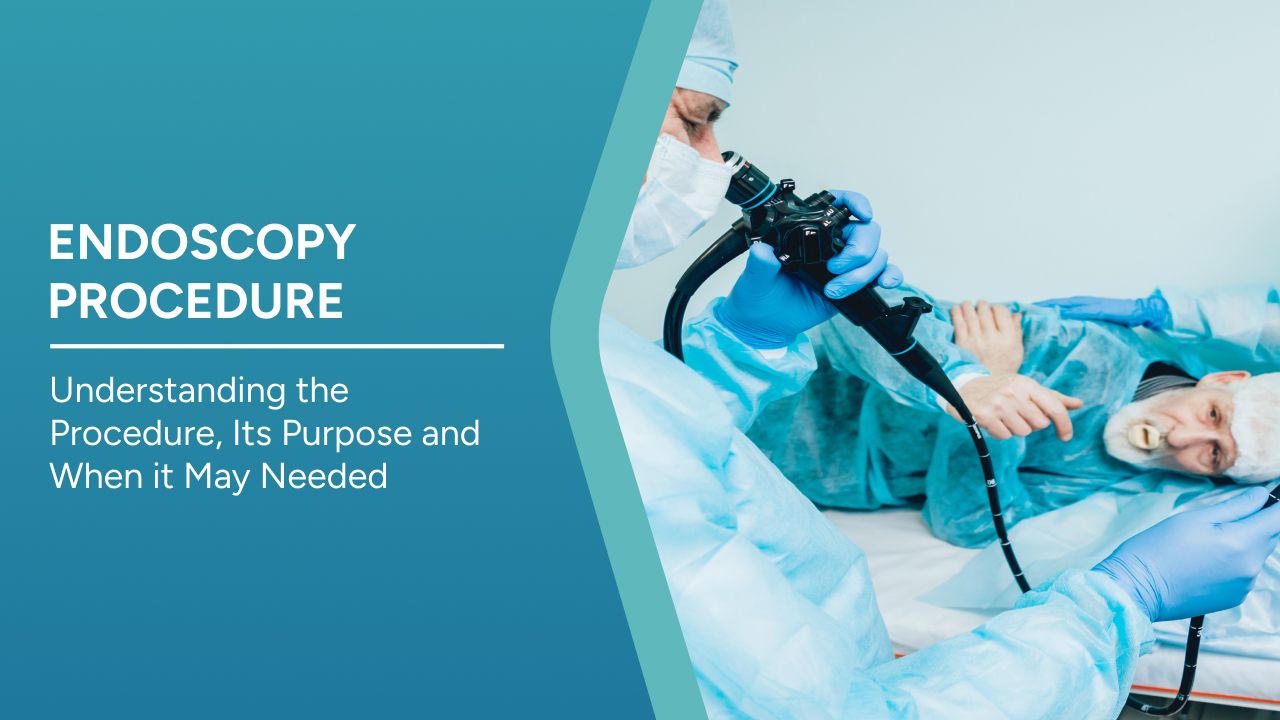
Endoscopy Procedure: Why Your Doctor May Recommend the Procedure
By Dr. Gaurav Patil in Nanavati Max Institute of Gastroenterology & Flexible Endoscopic Surgery
Nov 27 , 2026

Persistent acidity, especially when it occurs with symptoms such as difficulty swallowing or unexplained weight loss, may need further medical evaluation. Depending on the symptoms and clinical findings, a doctor may recommend an endoscopy to examine the oesophagus, stomach and first part of the small intestine and look for a possible cause.
An endoscopy is not routinely needed for every episode of indigestion or acidity. It may be considered when symptoms persist despite treatment, warning signs are present, or the doctor needs to examine the upper digestive tract more closely.
Quick AnswerAn endoscopy uses a thin, flexible tube with a camera to examine the digestive tract. Doctors may recommend it for persistent abdominal pain, repeated vomiting, difficulty swallowing, gastrointestinal bleeding, unexplained weight loss, or long-standing reflux. It can detect inflammation, ulcers, narrowing, bleeding, and abnormal growths. Tissue samples can also be taken when needed. |
What Is an Endoscopy?
Endoscopy allows a doctor to view the digestive tract using an instrument called an endoscope. During an upper gastrointestinal endoscopy, the flexible tube passes through the mouth into the oesophagus, stomach, and duodenum. A camera at the tip sends images to a monitor so the lining can be examined closely. The procedure can also be used to take a biopsy, remove certain growths, or control bleeding.
What to Know?An endoscopy can diagnose a problem and sometimes treat it during the same procedure. |
Why Might Your Doctor Recommend an Endoscopy?
The main reason is usually that symptoms have not been adequately explained by examination, medicines, or simpler tests.
An upper GI endoscopy may be considered for:
- persistent upper-abdominal pain
- difficulty or pain while swallowing
- troublesome acid reflux
- repeated nausea or vomiting
- vomiting blood
- black, tar-like stools
- unexplained iron-deficiency anaemia
- unexplained weight loss
It can also monitor conditions such as Barrett's oesophagus or reassess a previously diagnosed ulcer.
When reflux is accompanied by swallowing difficulty and unexplained weight loss, endoscopy can help determine whether there is visible inflammation, narrowing, an ulcer or another structural problem.
What Can an Endoscopy Detect?
|
Finding or Condition |
What Endoscopy Can Show |
|
GERD-related damage |
Inflammation or changes in the oesophagus |
|
Peptic ulcer |
An open sore in the stomach or duodenum |
|
Gastritis |
Inflammation of the stomach lining |
|
Barrett's oesophagus |
Changes in the oesophageal lining |
|
Coeliac disease |
Biopsy samples may support diagnosis |
|
Varices |
Enlarged veins that may bleed |
|
Polyps or growths |
Abnormal tissue that may need sampling |
|
Bleeding |
The source may be identified and sometimes treated |
A suspicious area does not automatically mean cancer. If tissue is taken, the biopsy provides additional information before a diagnosis is confirmed.
Are There Different Types of Endoscopy?
"Endoscopy" is a broad term rather than one single test and the type recommended depends on where the doctor suspects the problem lies. Here's a quick view of the procedure recommended and the area it examines.
|
Procedure |
Area Examined |
|
Upper GI endoscopy |
Oesophagus, stomach, duodenum |
|
Colonoscopy |
Colon and rectum |
|
Sigmoidoscopy |
Lower colon |
|
Enteroscopy |
Small intestine |
|
Capsule endoscopy |
Small bowel using a swallowed camera capsule |
|
Endoscopic ultrasound |
Digestive tract and nearby organs |
You can read about the Colonoscopy Test and its preparation guide.
How Should You Prepare for an Endoscopy?
Preparation varies with the procedure. For an upper GI endoscopy, the stomach usually needs to be empty, so patients are asked not to eat for several hours beforehand. Tell the doctor about all prescription medicines, over-the-counter medicines, vitamins, and supplements you take. Blood thinners and diabetes medicines may need special instructions.
Also mention allergies, pregnancy, previous reactions to sedation, and important medical conditions. If sedation is planned, arrange for someone to take you home. Driving afterwards is generally not advised until the effects have worn off.
Practical TipBring an updated medicine list and follow the fasting instructions exactly before going to the gastroenterologist. |
You can learn about the disease treated by a gastroenterologist.
What Happens During an Upper GI Endoscopy?
Before the procedure, the team reviews your medical history and explains what will happen. You may receive a throat-numbing spray, sedation, or both. You will usually lie on your side while the endoscope is gently passed through the mouth and down the oesophagus. The camera allows the doctor to inspect the lining of the upper digestive tract.
Air or carbon dioxide may be introduced to improve visibility, which can cause temporary bloating. If an abnormal area is seen, a small tissue sample may be taken. Biopsy sampling itself is generally not felt. A straightforward gastroscopy often takes about 15 to 45 minutes, although the total hospital visit is longer because of preparation and recovery.
At Nanavati Max Super Speciality Hospital, endoscopy may form part of a broader gastroenterology evaluation when persistent symptoms require direct visual assessment or biopsy.
Doctor's NoteA biopsy during endoscopy does not mean cancer is suspected; tissue is sampled for many digestive conditions. |
What Happens After the Procedure?
After the endoscopy, you are monitored until the effects of sedation begin to wear off. A mild sore throat, bloating or temporary abdominal discomfort may occur and usually settles within a short time.
If sedation was used, arrange for someone to take you home and follow the discharge instructions about driving, eating, drinking and returning to normal activities. Seek medical advice if you develop severe or worsening pain, vomiting blood, black stools, persistent vomiting, fever or significant breathlessness.
Are There Risks?
Endoscopy is commonly performed, and serious complications are uncommon. Possible risks include bleeding, infection, a reaction to sedation, or a tear in the digestive tract wall.
Seek prompt medical care after an endoscopy for:
- vomiting blood
- black stools
- severe or worsening chest or abdominal pain
- persistent vomiting
- fever or significant breathlessness
Emergency Decision PointVomiting blood or severe chest or abdominal pain after endoscopy needs urgent medical assessment. |
When Will You Get the Results?
Some findings may be discussed soon after the procedure because the doctor can directly examine the oesophagus, stomach and duodenum during the endoscopy. If a biopsy is taken, the tissue needs laboratory examination, so those results take longer. The doctor will then consider the endoscopy findings, biopsy report, and your symptoms together before deciding whether further treatment or investigation is needed.
When Should You Ask a Doctor About Endoscopy?
Not every episode of acidity or stomach discomfort requires an endoscopy. Medical evaluation becomes more important when symptoms persist despite treatment or occur with:
- Difficulty swallowing
- Gastrointestinal bleeding
- Unexplained anaemia
- Repeated vomiting
- Unexplained weight loss
- Persistent or worsening abdominal pain
At Nanavati Max Super Speciality Hospital, gastroenterology evaluation can help determine whether persistent or concerning digestive symptoms require endoscopy or another investigation. The decision is based on the symptoms, medical history, and findings from the initial assessment. You can also read about the Gastrointestinal Disorders.
Key Takeaway
- Endoscopy provides a direct view of the digestive tract.
- It is useful when symptoms persist, or warning signs appear.
- Biopsies and some treatments can be performed during the procedure.
- Preparation and follow-up depend on the procedure and findings.
Conclusion
An endoscopy allows doctors to examine the digestive tract directly when persistent reflux, swallowing difficulty, vomiting, bleeding, unexplained weight loss, or other concerning symptoms cannot be adequately explained through routine assessment alone. It can identify problems such as inflammation, ulcers, narrowing, or bleeding and also allows biopsies or certain treatments to be performed during the same procedure.
Preparation usually involves fasting and reviewing medicines, while the procedure itself is generally brief and may be performed with throat-numbing medicine or sedation. Most people return home the same day, although biopsy results may take longer than the initial visual findings. Understanding why endoscopy has been recommended, what happens during it, and which symptoms require attention afterwards can make the process easier to approach.
Frequently Asked Questions
1. Is an Endoscopy Painful?
Upper GI endoscopy is usually uncomfortable rather than painful. Throat-numbing medicine and sedation may be offered.
2. How Long Does an Endoscopy Take?
A gastroscopy commonly takes about 15 to 45 minutes, although preparation and recovery make the overall visit longer.
3. Is Fasting Required Before an Endoscopy?
Yes. Follow the exact fasting instructions provided by your hospital.
4. Can I Go Home After the Procedure?
Most people go home the same day. If sedation was used, someone should take you home.
5. What Is the Difference Between Endoscopy and Colonoscopy?
Upper GI endoscopy examines the oesophagus, stomach, and duodenum. Colonoscopy examines the colon and rectum.
6. Is a Biopsy Always Taken?
No. A biopsy is taken only when tissue is needed for further evaluation.
7. When Will I Receive My Results?
Visual findings may be available immediately. Biopsy results usually take longer.
Disclaimer
This article is intended for educational purposes only. It should not replace professional medical advice, diagnosis, or treatment.

Written and Verified by:

Related Blogs


Medical Expert Team
Oct 06 , 2026 | 4 min read

Blogs by Doctor


Most read Blogs



Related Blogs
Medical Expert Team
Oct 06 , 2026 | 4 min read
Blogs by Doctor
Most read Blogs